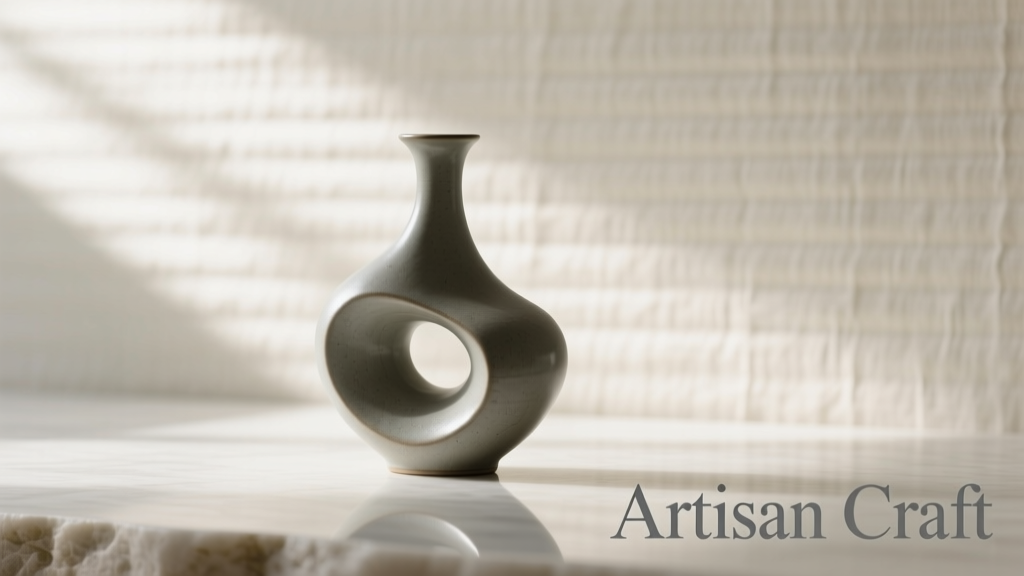
Minimalist Style Guide for Studio Apartments
Less Space Demands More Intention
A studio apartment forces you to confront every object you own. There's no guest room to hide clutter, no basement to stash things you might need someday. Minimalism in a studio isn't a philosophical choice—it's a survival strategy. And when done well, it creates a space that feels larger, calmer, and more expensive than it actually is.
The Foundation: Furniture That Earns Its Place
In a studio, every piece of furniture must serve at least two functions. A bed becomes a sofa (daybed or Murphy bed). A dining table becomes a desk. An ottoman becomes storage and a coffee table.
Invest your budget in these three pieces:
- A quality sofa bed or daybed ($800-$1,500): This is your room's anchor. Don't cheap out—flimsy mechanisms and thin mattresses make the space feel temporary.
- A versatile dining/work table ($300-$600): Look for clean lines, a neutral finish, and a size that seats two for dinner but expands for work sessions.
- One statement storage piece ($200-$500): A credenza, a bookshelf, or a modular cube system that holds everything you own behind closed or semi-concealed doors.
Color Strategy: The 60-30-10 Rule
In a single open room, color choices are amplified. Use the 60-30-10 formula:
- 60% dominant color: walls, large furniture (white, warm gray, or cream)
- 30% secondary color: textiles, rugs, curtains (muted earth tones or soft pastels)
- 10% accent: one or two objects in a bold color (a single throw pillow, a ceramic vase, a piece of art)
This ratio creates visual interest without chaos—critical when everything is visible at once.
Vertical Space Is Your Best Friend
Floor space is finite, but walls extend upward. Use floating shelves, tall bookcases, and wall-mounted lighting to keep surfaces clear. Hang curtains from ceiling to floor (even if windows are short) to create the illusion of higher ceilings.
A large mirror on the wall opposite your window doubles the natural light and makes the room feel twice its size.
Editing Is the Real Skill
Minimalism isn't about owning a specific number of things—it's about owning only things that serve a purpose or bring genuine joy. Before bringing any new item into a studio, ask: where will it live, and what will it replace?
The best studio apartments don't look sparse—they look curated. Every object is there on purpose, and the negative space between objects gives each one room to breathe.
More Articles
 Maximalist Decor Done Right: Bold Without the Chaos
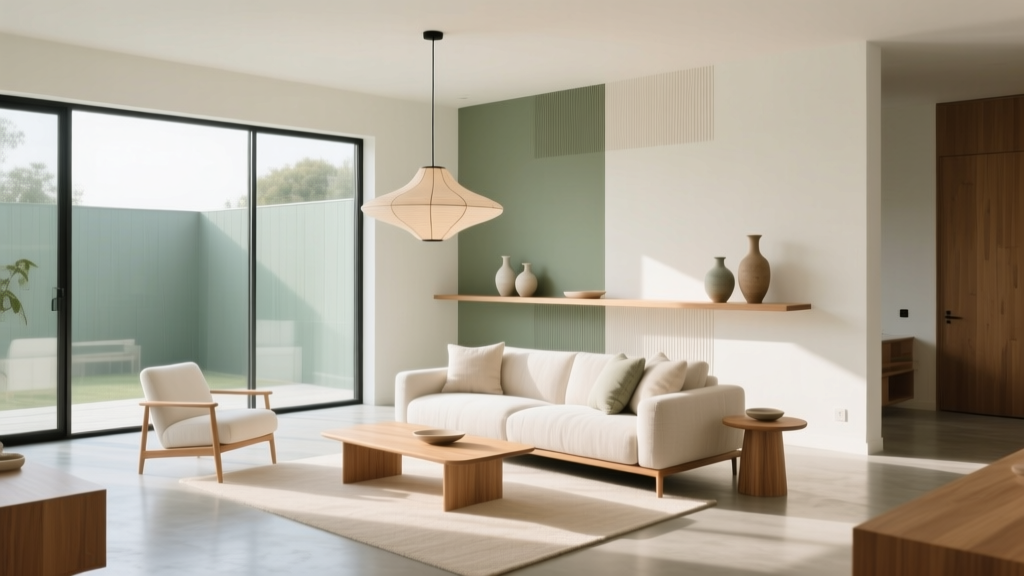 Capsule Decor: 10 Pieces That Style Your Entire Home — The Minimalist's Edit
 Pet-Proof Area Rugs: Machine-Washable Options That Actually Look Good
 Layout Colorguides Essentials: Precision, Consistency, and Cross-Platform Fidelity
 Scandinavian vs. Japandi: Which Minimalist Style Is Right for Your Home?
 Reading Alternatives to Practical: Evidence-Based Options for Literacy Instruction Beyond the UK’s Popular Programme
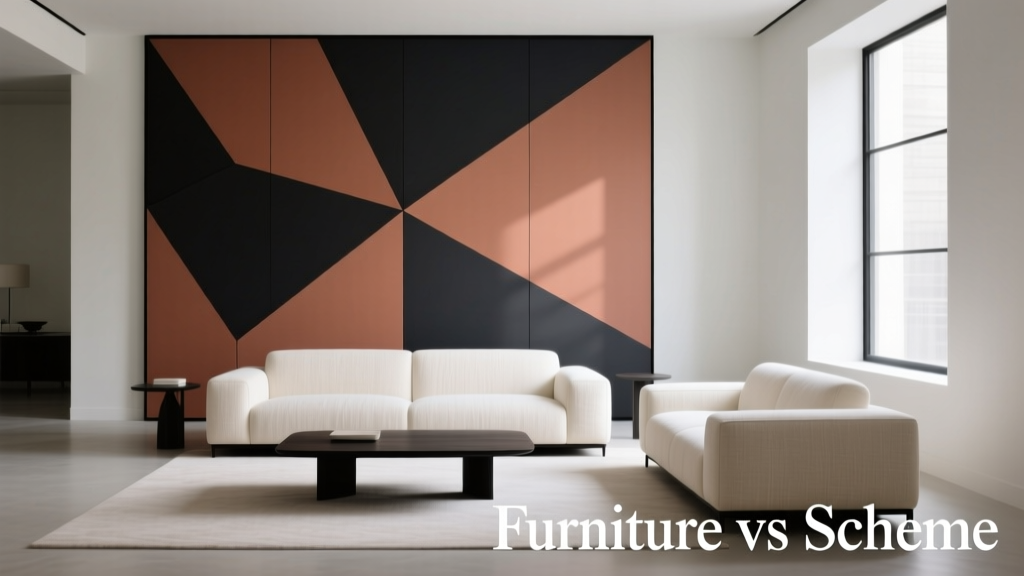 Furniture vs Scheme: Why Interior Design Success Depends on Strategic Alignment, Not Aesthetic Isolation
 Minimalist Shelving: Less Visual Clutter in Small Spaces
 Capsule Furniture: 8 Pieces That Style a One-Bedroom Apartment
 Dog-Friendly Sofa Fabrics: What Survives Claws, Mud, and Shedding Season