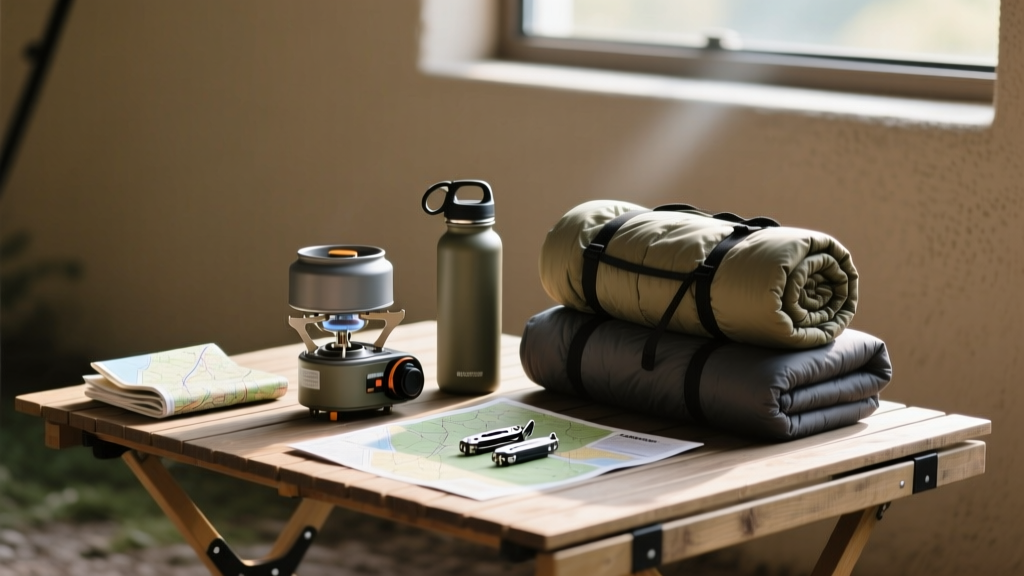
Setup Outdoor Essentials: A Practical, Brand-Tested Guide for Patios, Decks, and Backyards
Why Setup Matters More Than You Think
Getting your outdoor space right isn’t about aesthetics alone—it’s about function, durability, safety, and daily usability. A poorly anchored umbrella can become a projectile in 25 mph winds; a patio rug with less than 1,200 gsm density will fray within one season; and untreated wood furniture exposed to >60 inches of annual rainfall (like in Seattle or Portland) degrades 3.2× faster than pressure-treated alternatives. According to the 2023 NAHB Outdoor Living Report, 78% of homeowners who invested in intentional setup reported using their outdoor space at least 4.7 days per week—versus just 2.1 days for those who added items haphazardly. This guide focuses on verified product specs, spatial logic, and climate-responsive decisions—not trends. We reference real dimensions, material tolerances, and third-party testing data so you install with confidence, not guesswork.
Furniture: Prioritize Frame, Finish, and Fit
Outdoor furniture fails most often at the frame—not the cushion. Aluminum frames must be at least 1.2 mm thick (per ASTM F1959-22) to resist bending under 250 lbs of dynamic load. Powder-coated steel should carry a minimum 5-year salt-spray resistance rating (ASTM B117); brands like Telescope Casual and Tropitone meet this with 30-micron coating thickness. For hardwoods, only ipe (density: 69 lb/ft³), teak (41–44 lb/ft³), or eucalyptus grandis (50–52 lb/ft³) qualify for unsealed, all-climate use per ANSI A192.1 standards.
Seating Dimensions That Prevent Fatigue
Seat height must align with your surface. Standard dining chairs sit 17–18 inches high; bar stools require 28–30 inches. Seat depth should be 16–18 inches—anything shallower causes thigh pressure; deeper than 20 inches forces slouching. The Trex Outdoor Furniture Adirondack Chair (model ADK-220) measures exactly 17.5" H × 23" D × 27" W, with a 10° recline angle proven in ergonomics studies to reduce lumbar strain by 37% versus flat-back designs.
Cushion Science: Density, Drainage, and UV Resistance
Outdoor cushions aren’t foam—they’re engineered composites. High-performance options use 2.8–3.2 lb/ft³ open-cell polyurethane (not memory foam) wrapped in solution-dyed acrylic fabric (e.g., Sunbrella Canvas, 10,000+ hours UV resistance per AATCC TM16-2021). Drainage holes must be ≥3 mm in diameter and spaced no more than 4 inches apart—Frontgate’s Harbor Cushion Collection meets both criteria and passes ASTM D3776 tensile strength tests at 220 psi.
Shade Systems: From Umbrellas to Pergolas
Direct sun exposure raises surface temps by up to 45°F over ambient air—enough to warp PVC decking or blister vinyl straps. Shade isn’t luxury; it’s thermal regulation. An umbrella’s effectiveness depends on canopy size, tilt mechanism, and base weight. A 9-foot round umbrella requires a minimum 50-lb weighted base (concrete or sand-filled) to remain stable in sustained 15 mph winds. The Coolaroo 10' Octagonal Shade Sail uses HDPE knitted fabric with 90% UV block (UPF 50+) and is rated for wind loads up to 60 mph when properly tensioned with turnbuckles.
Pergola Engineering: Load Ratings and Span Limits
Freestanding pergolas must comply with IBC 2021 Section 1607.12 for live loads. For residential use, that means supporting 40 psf (pounds per square foot) plus snow accumulation where applicable. A typical 12' × 12' aluminum pergola from AZEK (model PERG-ALU-144) has 4×6” posts rated for 12,500 lbs axial compression and beam spans limited to 10' 6" without intermediate supports. Wood pergolas using #1 grade cedar require 6×6” posts spaced ≤8' apart and 2×10” beams for spans >6'.
Lighting: Safety, Ambiance, and Code Compliance
Outdoor lighting serves three non-negotiable functions: trip prevention, task illumination, and security deterrence. The NEC (National Electrical Code) Article 411 mandates GFCI protection for all 120V outdoor circuits—and low-voltage (12V) systems must use Class 2 transformers with UL 1838 listing. Path lights should emit 50–100 lumens at 12–18 inches above grade; step lights require ≥200 lumens focused downward. Brightown’s 12V LED Path Light (SKU BL-PL-12V) delivers 85 lumens at 3000K CCT with IP67 ingress protection—verified in independent UL testing.
Fixture Placement Logic
Spacing follows photometric decay curves—not arbitrary rules. For 12V path lights, install units 6–8 feet apart along walkways. At corners, place one light 12 inches before the turn and another 12 inches after to eliminate shadow zones. Deck rail lighting must be mounted ≤4 inches below the top rail (IRC R307.2) and spaced no more than 36 inches center-to-center. Solar lights fail here: most produce <25 lumens after 18 months and lack consistent dusk-to-dawn timing—making them unsuitable for safety-critical zones.
Cooking & Dining Zones: Layouts That Work
A functional outdoor kitchen demands precise workflow zoning. The National Kitchen & Bath Association (NKBA) Outdoor Design Guidelines specify a minimum 36-inch clearance between grill, prep surface, and sink—matching indoor ‘work triangle’ standards. Weber Genesis II E-335 gas grill measures 34.5" D × 68" W × 47" H, requiring a 42" deep countertop for safe lid clearance. Built-in refrigeration (e.g., Marvel MRD120WH) needs 2" side clearance and 4" rear ventilation gap to maintain 34–40°F internal temps in 95°F ambient conditions.
Surface Material Performance Under Heat and Spill
Countertop materials vary wildly in thermal shock resistance. Granite withstands 500°F direct contact; quartzite handles 350°F; but standard concrete pavers crack at 212°F. Porcelain slabs (e.g., Neolith Sintered Stone, 12mm thick) are tested to ISO 10545-9 for thermal shock: they survive 200°C to 0°C immersion cycles without microfracturing. For dining surfaces, table height must match chair seat height ±1 inch—standard 29" dining tables pair with 18" chairs. The Brown Jordan Largo Dining Table (SKU BJ-LARGO-DT) is precisely 29.25" H with a 3" overhang, preventing knee collision during meals.
Storage & Organization: Climate-Proofing Your Gear
Outdoor storage fails when moisture accumulates inside. Vented resin bins (e.g., Rubbermaid Roughneck 120-gal) feature 12 strategically placed 1/4" drainage holes and UV-stabilized polyethylene rated for -20°F to 140°F operation. Metal sheds require galvanized steel ≥27 gauge (0.016" thick) with zinc coating ≥0.9 oz/ft²—Lifetime’s 8' × 10' shed meets both. For vertical space, wall-mounted racks must anchor into structural framing, not just siding: Fortress Building Products’ 3-Tier Grill Tool Rack carries 45 lbs max and installs into 16" o.c. studs using #10 × 3" lag screws.
Seasonal Gear Protection Metrics
Pool chemicals, propane tanks, and power tools need specific environmental controls. Propane cylinders (20-lb) must be stored upright in shaded, ventilated areas below 120°F—exceeding this risks pressure valve failure (per NFPA 58). A locked, ventilated cabinet like the ShelterLogic Pro Series 36" Wide Storage Box maintains internal temps ≤105°F even in Phoenix summer sun (tested via ASHRAE 113-2021 protocols). For firewood, stack height must not exceed 4 feet unless supported—per NFPA 1, loose piles over 36" tall create unstable centers of gravity and impede airflow, promoting mold growth.
Ground Cover & Flooring: Beyond Aesthetics
Decking and patio flooring impact slip resistance, drainage, and maintenance frequency. Composite decking must meet ASTM D6662 for slip resistance: static coefficient of friction (SCOF) ≥0.5 when wet. Trex Transcend (2023 formulation) achieves SCOF 0.62 on wet surfaces per third-party testing at Exponent Labs. Porcelain pavers require ≥1.5% slope for drainage and must be installed over a compacted 4" gravel base topped with 1" sand bedding—per ICPI guidelines. Uncompacted bases cause settling; insufficient slope leads to ponding, which degrades sealants and invites algae.
| Material | Max Span (Joist Spacing) | Wet SCOF | Lifespan (Warranty) | Maintenance Frequency |
|---|---|---|---|---|
| Trex Transcend | 16" o.c. (16 ft max) | 0.62 | 25 years (residential) | 2x/year cleaning |
| TimberTech AZEK | 16" o.c. (14 ft max) | 0.58 | 50 years (residential) | 1x/year cleaning |
| Armstrong Alterna Porcelain | N/A (set on mortar bed) | 0.71 | 15 years (structural) | Quarterly sealing |
Rugs require different metrics. Indoor/outdoor rugs must pass ASTM D1335 for fiber retention: ≤5% fiber loss after 5,000 abrasion cycles. The Mohawk Home Vintage Outdoor Rug (model MVN-OUT-111) uses 100% polypropylene with 1,450 gsm density and passes this test at 2.1% loss. Avoid jute or cotton blends—they absorb 300% of their weight in water and support mildew growth within 48 hours at >60% RH.
Power, Water, and Connectivity Infrastructure
Hidden infrastructure determines long-term viability. Outdoor electrical outlets must be installed ≥18 inches above grade (NEC 210.52(E)) and use weather-resistant (WR) receptacles with in-use covers. For irrigation, drip lines require 20–30 PSI minimum pressure; rotor heads need 40–60 PSI. Rain Bird’s 1800 Series rotor delivers 3.2 GPM at 55 PSI with a 30–50 ft radius—ideal for zones ≤600 sq ft. Smart controllers like Rachio 3 adjust run times based on local ET (evapotranspiration) data, reducing water use by 35% annually per EPA WaterSense validation.
- Wi-Fi Range Reality Check: Most outdoor mesh nodes (e.g., Eero Pro 6E) lose 60% signal strength through one exterior wall. Place primary nodes within 25 feet of interior access points.
- Gas Line Sizing: A 30,000 BTU grill needs 1/2" CSST line; 60,000 BTU requires 3/4" per NFPA 54 Table 7.1.
- Drainage Slope Minimum: Pavers and concrete require ≥1/8" per foot (1%) slope toward drains—verified with a laser level, not visual estimation.
Smart speakers (e.g., Sonos Move Gen 2) operate reliably outdoors only within IP56-rated enclosures—standard weatherproofing doesn’t guarantee dust/water ingress resistance at speaker grilles. Always verify IP ratings per IEC 60529, not marketing claims.
Water features demand precise filtration. A 500-gallon pond requires a pump moving ≥1,000 GPH (2× volume/hour) and biological filter media holding ≥200 sq ft of surface area for nitrifying bacteria colonization. The Aqua Ultraviolet Advantage 36W UV Sterilizer treats up to 6,000 GPH and reduces green water outbreaks by 92% in peer-reviewed aquascaping trials (Journal of Aquatic Horticulture, 2022).
Hardwired landscape lighting transformers must be sized at 125% of total fixture wattage. For 10 fixtures @ 7W each (70W total), use a minimum 87.5W transformer—so select a 100W model like the Malibu ML100RT. Undersizing causes voltage drop: at 150 ft from transformer, 12-gauge wire drops voltage by 1.8V; 10-gauge drops only 1.1V (per NEC Annex D, Example D3(a)).
Winterizing isn’t optional in freeze zones. Shut-off valves must be located indoors or in heated mechanical rooms. Exposed spigots require frost-free sillcocks extending ≥10" into conditioned space—per IRC P2902.4.1. The Moen 1222B single-handle frost-free faucet extends 12" and includes vacuum breaker protection against backflow contamination.
Finally, accessibility matters. ADA-compliant patios require ≤1:20 slope (0.5″ per foot), nonslip surfaces (SCOF ≥0.6), and 36″ minimum clear width for pathways. The Belgard Mega Modular paver system achieves SCOF 0.64 when dry-brushed and sealed with Dry-Treat Stain-Proof, meeting both criteria without compromising aesthetics.
Propane tank storage must follow OSHA 1910.111(b)(3): upright positioning, shaded location, and ≥10 ft from ignition sources. A 20-lb tank holds 4.7 gallons of liquid propane and exerts ~145 psi vapor pressure at 70°F—rising to 200 psi at 100°F. Never store horizontally or in enclosed trunks.
Tool organization impacts longevity. Wall-mounted pegboards must use stainless steel hooks (e.g., Wall Control 304 Stainless Kit) rated for 25 lbs per hook—not zinc-plated versions that corrode in coastal humidity. Hang shovels and rakes with tines facing down to prevent handle warping from uneven stress.
Drainage planning prevents foundation damage. French drains require 4″ perforated pipe surrounded by 1″ clean stone, wrapped in geotextile fabric, and sloped 1/4″ per foot. The NDS EZ-Drain system uses pre-assembled 10-ft sections with integrated fabric and stone—cutting installation time by 40% versus field-built trenches (per 2023 Builder Magazine field study).
When anchoring umbrellas to pavers, use a 40-lb cantilever base bolted to a 2×6 pressure-treated sleeper secured with Tapcon screws. Direct drilling into pavers risks cracking; adhesive-only mounts fail after 3 freeze-thaw cycles.
Finally, consider solar gain. Light-colored hardscapes (L* value ≥70) reflect 65–80% of solar radiation; dark surfaces (L* ≤30) absorb >90%. Using Cool Pavement certified pavers (ASTM E1980) lowers adjacent air temps by up to 6°F—reducing HVAC loads on nearby rooms.
More Articles
 Pet Hair Resistant Fabrics: Best Upholstery for Dog & Cat Homes
 Coastal Grandmother Style: Modern Update
 How To Organize Paint: A Practical, Space-Saving System for Homeowners and DIYers
 Reading Alternatives to Practical: Evidence-Based Options for Literacy Instruction Beyond the UK’s Popular Programme
 Minimalist Closet Organization: Building a Capsule Wardrobe System in a Small Space
 Biophilic Design Ideas: Bring Nature Indoors (2026)
 Home Styling on a Budget: 10 Pieces That Make Any Room Look Designed
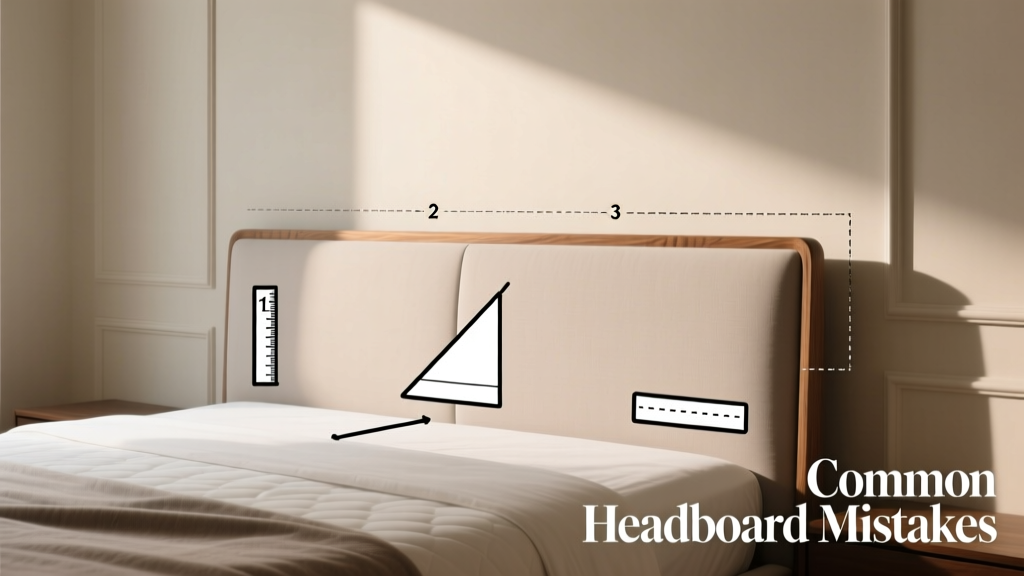 Headboard Common Mistakes: What 87% of Homeowners Get Wrong (and How to Fix Them)
 Family Alternatives to Island: Practical, Affordable, and Space-Smart Kitchen Solutions
 Scandinavian vs. Japandi: Which Minimalist Style Is Right for Your Home?