# Scandinavian vs. Japandi: Which Minimalist Style Is Right for Your Home?
Minimalism has many faces. Two of the most popular — Scandinavian and Japandi — share a love of simplicity but diverge in philosophy, palette, and execution. Understanding their differences helps you choose the style that resonates with your lifestyle.
## Scandinavian Design: Hygge and Light
Scandinavian design emerged from Nordic countries where long, dark winters demand bright, warm interiors. The core principles:
- **Color palette**: Predominantly white and cream with pops of muted blues, greens, and pinks
- **Materials**: Light woods (birch, pine, ash), wool, linen, sheepskin
- **Furniture**: Clean lines with rounded edges, functional yet cozy
- **Philosophy**: Hygge — creating warmth and comfort in everyday moments
- **Lighting**: Abundant natural light supplemented by candles and warm-toned lamps
Scandinavian rooms feel airy, welcoming, and lived-in. They invite you to curl up with a blanket and a cup of tea.
## Japandi Design: Wabi-Sabi Meets Nordic Function
Japandi is a fusion of Japanese and Scandinavian aesthetics. It takes the functional simplicity of Nordic design and layers it with Japanese wabi-sabi — the beauty of imperfection and impermanence.
- **Color palette**: Warm earth tones — charcoal, olive, terracotta, warm beige
- **Materials**: Dark woods (walnut, teak), bamboo, rattan, handmade ceramics
- **Furniture**: Low-profile, angular, intentional negative space
- **Philosophy**: Wabi-sabi — finding beauty in the imperfect and incomplete
- **Lighting**: Soft, diffused — paper lanterns, woven pendants, hidden LED strips
Japandi rooms feel meditative, grounded, and deliberately composed. Every object earns its place.
## Side-by-Side Comparison
| Element | Scandinavian | Japandi |
|---------|-------------|---------|
| Primary color | White/cream | Warm beige/charcoal |
| Wood tone | Light (birch, ash) | Dark (walnut, teak) |
| Texture | Wool, sheepskin | Bamboo, handmade ceramics |
| Furniture height | Standard | Low-profile |
| Decor quantity | Moderate | Minimal |
| Mood | Cozy, welcoming | Calm, meditative |
| Price range | Moderate | Moderate to high |
## Which Should You Choose?
**Choose Scandinavian if:**
- You love bright, airy spaces
- You have young children (forgiving, practical materials)
- You prefer a "lived-in" look over a curated one
- Your home gets limited natural light
**Choose Japandi if:**
- You're drawn to earth tones and darker palettes
- You value craftsmanship and handmade objects
- You prefer a more meditative, gallery-like atmosphere
- You're comfortable with fewer possessions on display
## Mixing the Two
You don't have to choose exclusively. Many designers blend elements from both:
- Scandinavian furniture with Japandi color palette
- Japandi materials (dark wood, ceramics) with Scandinavian layouts
- Shared minimalism as the foundation, with personal accents from each style
## Final Thoughts
Both styles celebrate less-is-more, but they create very different emotional experiences. Scandinavian wraps you in warmth; Japandi grounds you in stillness. Try each in one room before committing to a whole-house style.

 Home Styling on a Budget: 10 Pieces That Make Any Room Look Designed
 How To Repair Minimalist: A Practical, Precision-Focused Guide for Designers and Developers
 Cheap vs Premium Materials: Performance, Longevity, and Real-World Cost Analysis
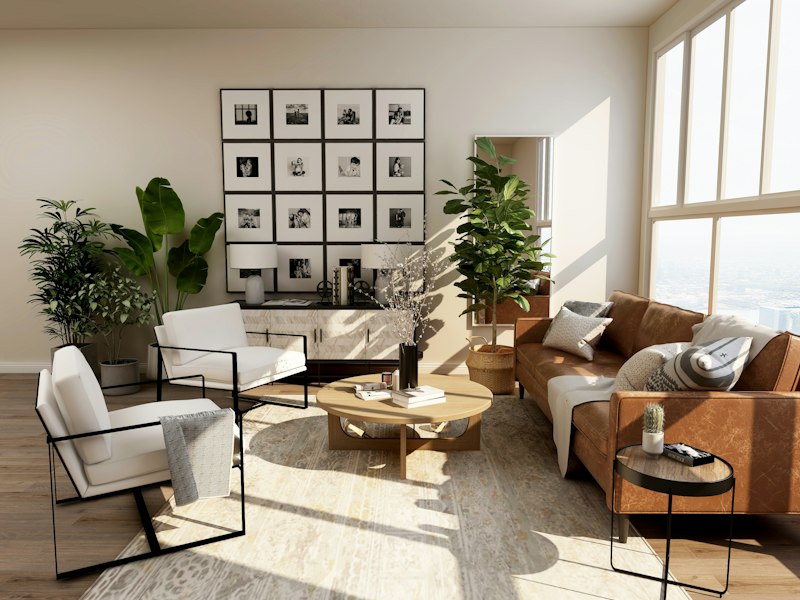 Coastal Grandmother Style: Effortless Elegance at Home
 Headboard Common Mistakes: What 87% of Homeowners Get Wrong (and How to Fix Them)
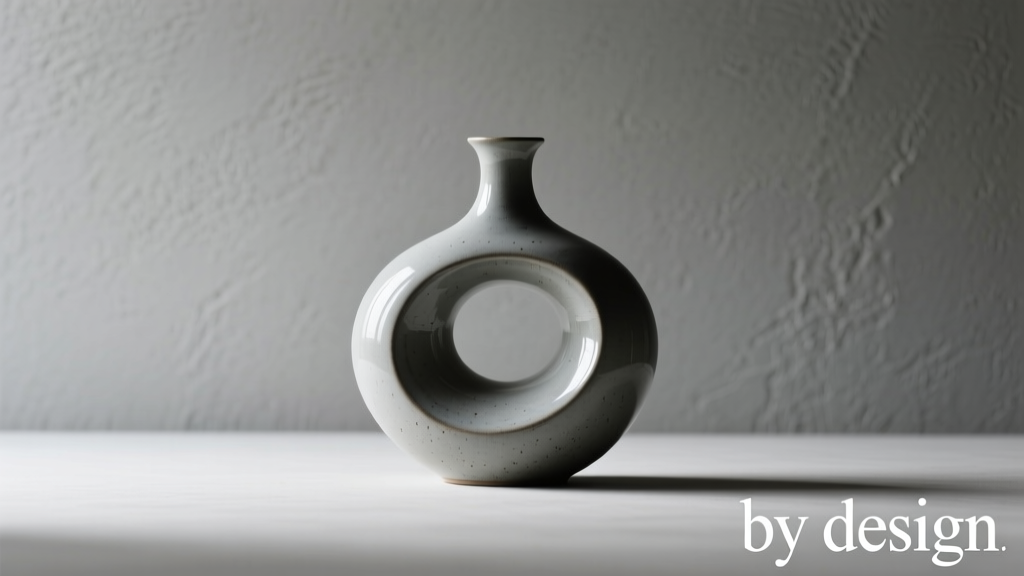 Japandi Style: The Complete Guide for 2026
 Solutions Buying Guide: How to Evaluate, Compare, and Select Integrated Business Solutions
 Biophilic Design Ideas: Bring Nature Indoors (2026)
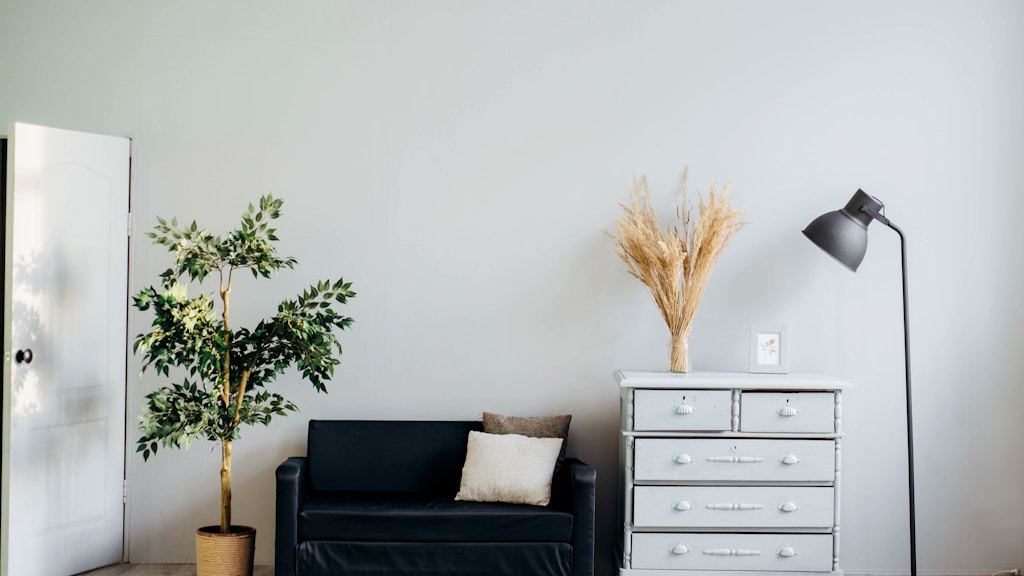 Summer Style Guide: Swapping Heavy Drapes for Airy Window Treatments
 Color on a Budget: Smart, Sustainable, and Scientifically Sound Strategies for High-Impact Design Without the Premium Price Tag