Bedroom Lighting Ideas: Beyond the Bedside Lamp ? The Decor Mag
Bedroom Lighting Ideas: Beyond the Bedside Lamp
 By David Okafor
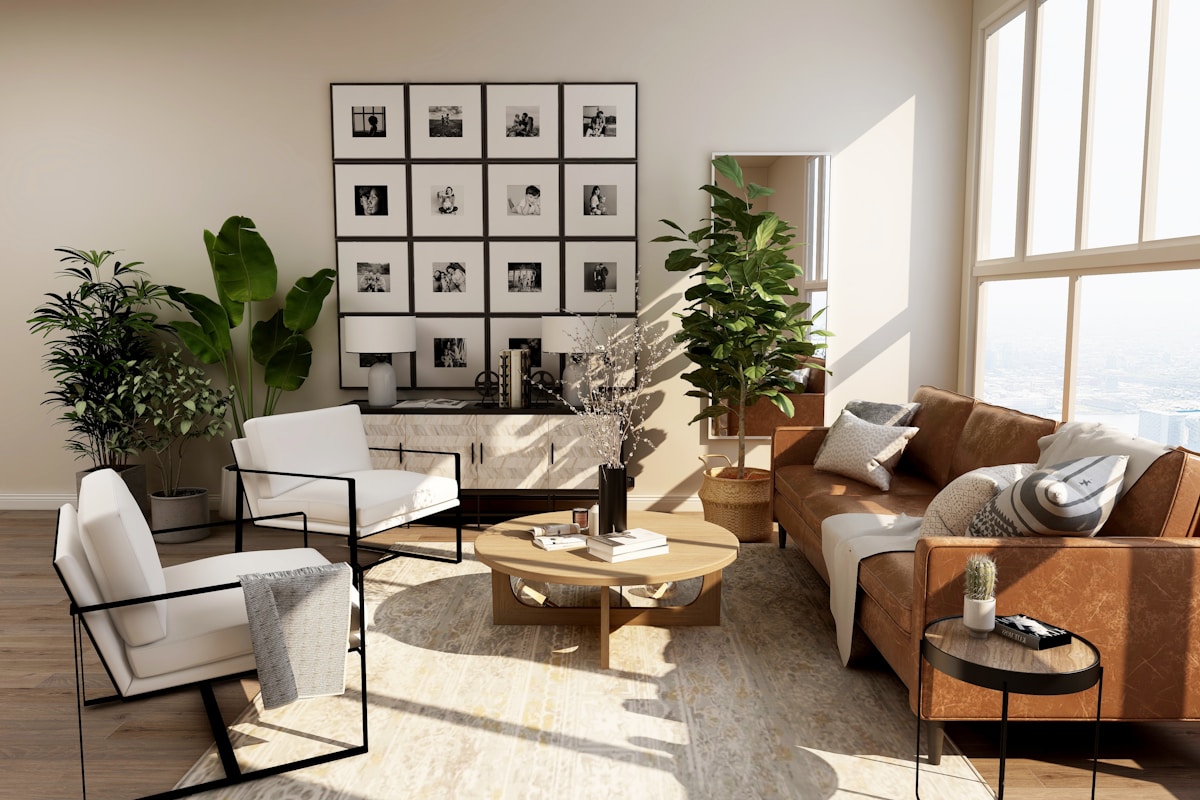
A bedside lamp on each nightstand is the bedroom lighting default. It works, but it barely scratches the surface of what good bedroom lighting can achieve. The bedroom is the one room where lighting directly affects your biology. The wrong light at the wrong time disrupts your circadian rhythm, delays sleep onset, and reduces sleep quality. The right light supports your body's natural rhythms, creates the mood you want, and makes the room functional for every activity it supports. Expanding beyond the bedside lamp is not just about aesthetics; it is about designing a room that works with your biology rather than against it.
Effective bedroom lighting involves at least four distinct layers: ambient lighting for general illumination, task lighting for reading and dressing, accent lighting for visual interest, and low-level nighttime lighting for safe navigation without disrupting sleep. Each layer serves a specific purpose, and each can be controlled independently to create the exact atmosphere you need at any given moment. This article examines each layer and provides specific fixture recommendations, placement strategies, and control options.
Wall Sconces: Freeing the Nightstand
Wall-mounted sconces eliminate the need for table lamps and reclaim precious nightstand surface area. A nightstand freed from lamp duty can hold a book, a glass of water, a candle, and a phone charger without feeling crowded. Sconces also provide more even illumination for reading because the light source is positioned at or above eye level rather than below it, reducing the shadow cast by the reader's own head and hands.
Installation options range from hardwired to plug-in to battery-operated. Hardwired sconces provide the cleanest look with no visible cords, but they require electrical work within the wall. Plug-in sconces mount to the wall with a cord that runs down to the nearest outlet, which can be concealed behind the nightstand or within a cord cover. Battery-operated sconces require no electrical work at all and use rechargeable batteries that last weeks between charges. For renters or anyone avoiding electrical modifications, plug-in and battery-operated options make sconces accessible without permanent changes.
Sconce placement follows specific guidelines for optimal reading illumination. The bottom of the sconce shade should be positioned at approximately shoulder height when seated on the bed, typically 24 to 30 inches above the nightstand surface. This height places the light source above the line of sight, providing downward illumination that illuminates the page without shining directly into the eyes. The sconce arm should extend far enough from the wall to direct light toward the reading position rather than the wall itself.
Ceiling Fixtures: Setting the Overall Mood
The bedroom ceiling fixture handles ambient illumination and contributes significantly to the room's design personality. A simple flush-mount fixture provides clean, unobtrusive light that works in any style. A chandelier or pendant introduces elegance and draws the eye upward, making the ceiling an active design element. A ceiling fan with integrated lighting combines air circulation with illumination in a single fixture, which is particularly valuable in warm climates.
The size of the ceiling fixture should be proportional to the room. A common calculation adds the room's length and width in feet and converts the sum to inches. A 12-by-14-foot bedroom would call for a fixture approximately 26 inches in diameter. This rule provides a starting point; personal preference and ceiling height can justify adjustments. In rooms with high ceilings, a larger fixture or one with a greater vertical drop fills the space appropriately. In rooms with standard 8-foot ceilings, a flush or semi-flush mount maintains comfortable headroom while providing adequate light.
"Bedroom lighting should never be a single source from above. Think of it as a progression: bright enough to find your clothes in the morning, warm enough to read at night, dim enough to let sleep come naturally."
? Ingo Maurer, Lighting Designer
Dressing Area and Vanity Lighting
Most bedrooms double as dressing areas, and the lighting in this zone requires specific attention. Overhead lighting alone creates shadows on the face and body that distort your perception of how clothing fits and how makeup looks. The ideal dressing lighting mimics natural daylight from multiple directions. A mirror flanked by vertical light sources on both sides provides even illumination that eliminates shadows. This is the same principle used in professional makeup studios and theatrical dressing rooms.
If a dedicated vanity area is not feasible, the closet interior deserves lighting consideration. LED strip lights mounted inside the closet illuminate clothing selections and eliminate the dark interior that makes choosing outfits frustrating. Motion-activated closet lights turn on automatically when the door opens, providing hands-free illumination. Battery-powered options eliminate the need for electrical wiring and can be installed in any closet regardless of existing electrical infrastructure.
Accent Lighting for Architectural Features
Accent lighting highlights the features that give your bedroom character. A decorative headboard, an artwork collection, a textured accent wall, or architectural details like crown molding or exposed beams all benefit from dedicated accent illumination. LED strip lighting installed behind a headboard creates a floating effect with a warm glow that defines the bed area. Picture lights mounted above artwork illuminate the pieces and add a gallery-quality sophistication. Cove lighting along the ceiling perimeter washes the ceiling with soft light that makes the room feel larger and more open.
- LED strips behind headboards: create ambient backlighting that defines the sleeping zone
- Toe-kick lighting along baseboards: provides subtle nighttime navigation without overhead glare
- Cove lighting at ceiling edges: washes the ceiling with soft, indirect light that expands perceived space
- Picture lights above artwork: illuminate art and create focal points
- Accent spots for shelving: highlight books, objects, and collections on bedroom shelves
Nighttime Navigation Lighting
Turning on a bright overhead light at 2 AM disrupts your sleep cycle and makes it harder to fall back asleep. Low-level nighttime lighting solves this problem by providing just enough illumination to navigate safely without triggering the body's wake response. Plug-in night lights, LED strips under the bed, and motion-activated floor-level fixtures all serve this purpose. The key is keeping the light level below 5 lux, which research suggests is dim enough to avoid significant melatonin suppression.
Motion-activated floor lighting is particularly effective. Small LED fixtures mounted near the floor along the path from the bed to the bathroom turn on automatically when movement is detected and turn off after a set period. The light is positioned low enough that it does not shine directly into the eyes of someone lying in bed, and the warm color temperature (2200K or lower) minimizes the impact on sleep hormones. This is one of those small investments that delivers outsized daily value for anyone who has ever stumbled through a dark bedroom at night.
Circadian-Friendly Lighting
The science of circadian lighting has advanced significantly in recent years, and the bedroom is where it matters most. Your body's internal clock responds to light intensity and color temperature, using these signals to regulate hormone production, body temperature, and alertness. Bright, cool-toned light in the morning signals wakefulness. Warm, dim light in the evening signals that sleep is approaching. Aligning your bedroom lighting with this natural rhythm improves both the speed of sleep onset and the quality of sleep throughout the night.
Tunable white lighting fixtures allow you to adjust color temperature throughout the day. Set the bedroom lights to 4000K in the morning when you are getting dressed and preparing for the day. Shift to 3000K in the evening as you wind down. Drop to 2700K or lower in the hour before bed. Smart bulbs and smart switches make this scheduling automatic, adjusting the lighting without any manual intervention. A study published in the Journal of Clinical Sleep Medicine (2024) found that participants who used circadian-aligned bedroom lighting fell asleep 14 minutes faster on average and reported 22% improvement in subjective sleep quality.
Dimmer Strategy and Control
Every bedroom lighting circuit should have a dimmer. This is not a recommendation; it is a requirement. The difference between a bedroom that supports relaxation and one that feels like an office often comes down to a single dimmer switch. Dimmers allow you to set the light level to match the activity: bright for cleaning and organizing, medium for reading, low for winding down, and off for sleeping. The flexibility transforms a fixed lighting installation into a responsive environment.
Smart dimmers take this further by allowing you to create and recall lighting scenes. A single button press can set the overhead lights to 30%, turn on the sconces at 60%, and activate the accent lighting at full brightness. Another scene dims everything to 10% for nighttime. Voice control integration means you can adjust the lighting without getting out of bed. The technology has become affordable enough that a complete smart lighting setup for a standard bedroom typically costs under $200, making it one of the highest-impact upgrades available per dollar spent.
| Fixture Type | Primary Function | Avg. Cost | Installation |
|---|---|---|---|
| Bedside table lamp | Task (reading) | $40?$150 | Plug-in |
| Wall sconce | Task + ambient | $50?$250 | Hardwired or plug-in |
| Ceiling flush-mount | Ambient | $60?$300 | Hardwired |
| LED strip (headboard) | Accent | $20?$80 | Plug-in or battery |
| Motion night light | Nighttime navigation | $10?$30 | Plug-in or battery |
| Closet LED strip | Task (dressing) | $15?$60 | Battery or hardwired |
Fixture Styles That Match Your Bedroom
The style of your lighting fixtures should complement the bedroom's overall design direction. A modern bedroom with clean lines and neutral colors pairs well with geometric sconces, linear LED fixtures, and minimalist pendants. A traditional bedroom with ornate furniture and rich colors calls for crystal sconces, fabric-shaded table lamps, and chandeliers with classic profiles. A farmhouse bedroom benefits from wrought-iron fixtures, seeded glass shades, and rustic lantern-style pendants. The fixture style does not need to match every element in the room, but it should feel like it belongs.
Metal finishes create another layer of coordination. Mixing finishes is acceptable and often desirable, but the mix should be intentional. Choose a dominant finish (such as brushed brass) and a secondary finish (such as matte black) and apply them consistently across the room. A brass sconce paired with a brass ceiling fixture and black hardware on the furniture creates a coherent palette. Random mixing of chrome, brass, black, and nickel within the same room creates visual chaos that undermines even the most carefully planned design.
More Articles
 Cozy Bedroom Decor: Layers of Comfort | The Decor Mag
 Bedroom Furniture Layout: The Optimal Arrangement | The Decor Mag
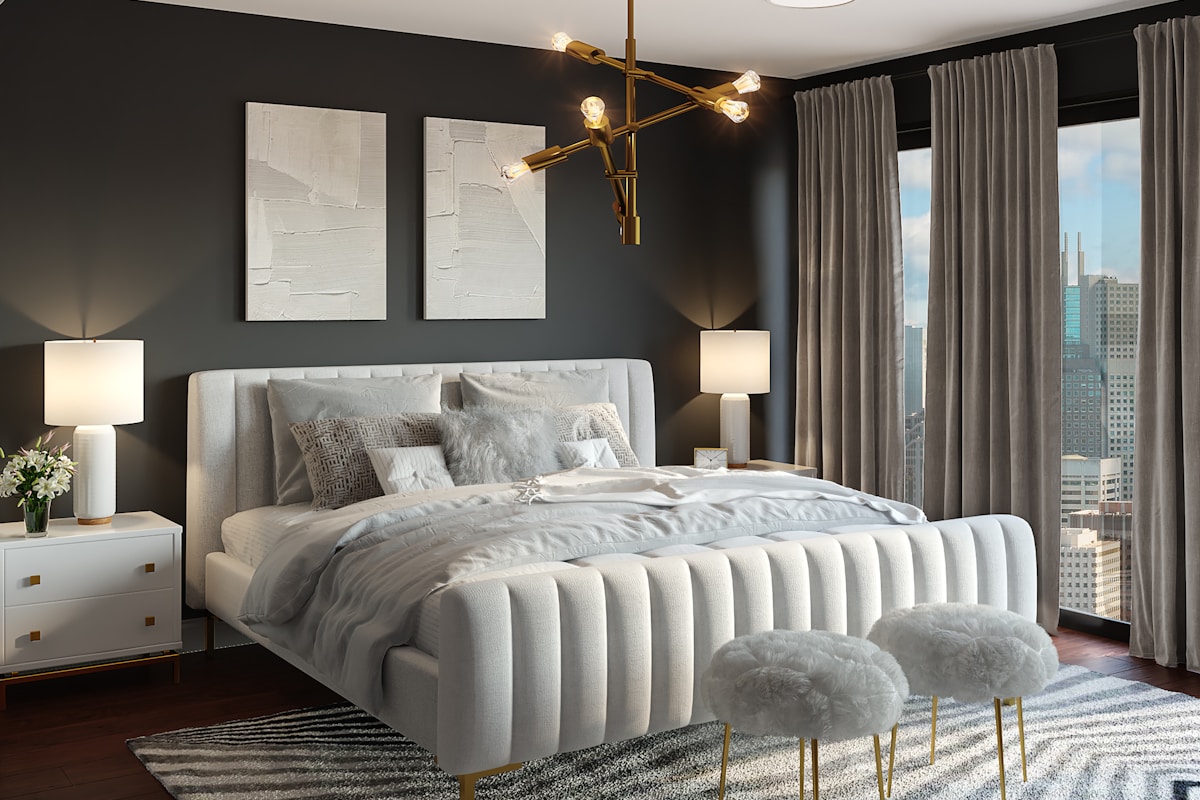 Bedroom Window Treatments: Light Control Meets Design | The Decor Mag
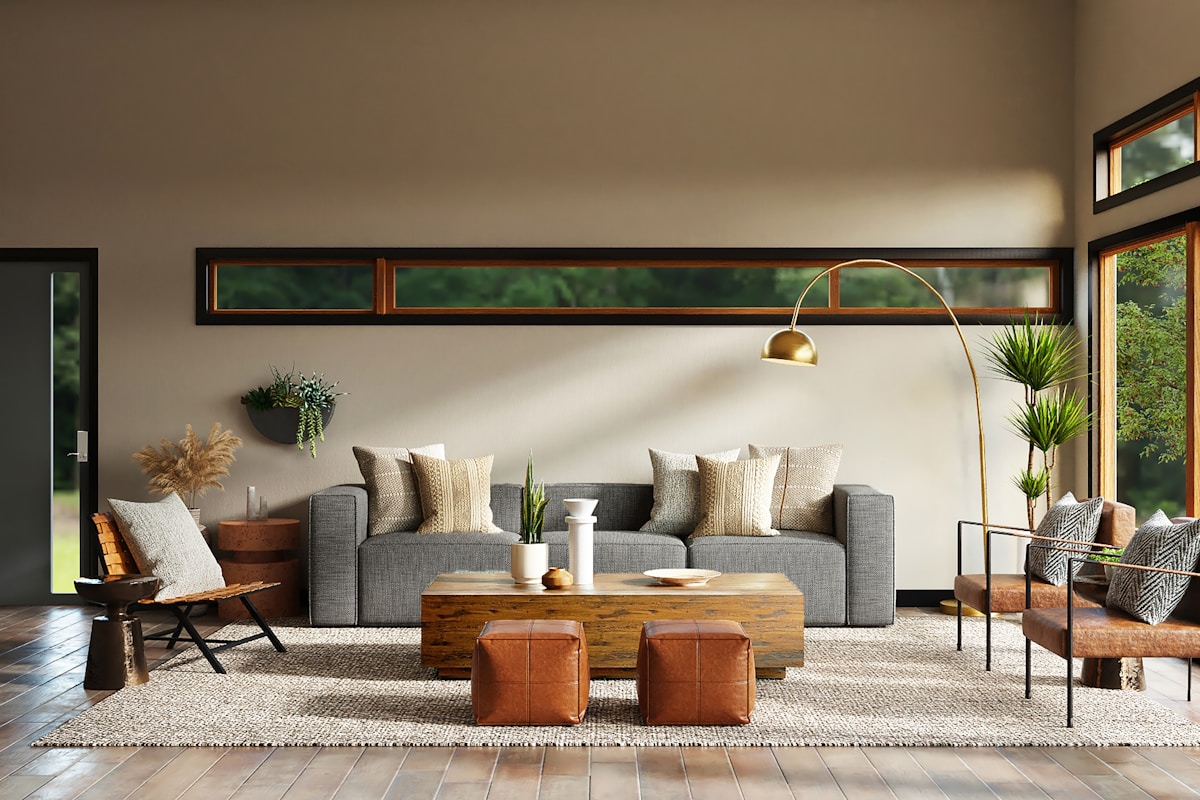 Bedroom Closet Organization: From Chaos to Curated | The Decor Mag
 Guest Bedroom Ideas: Hosting in Style | The Decor Mag
 Bedroom Reading Nook: Your Private Escape — The Decor Mag
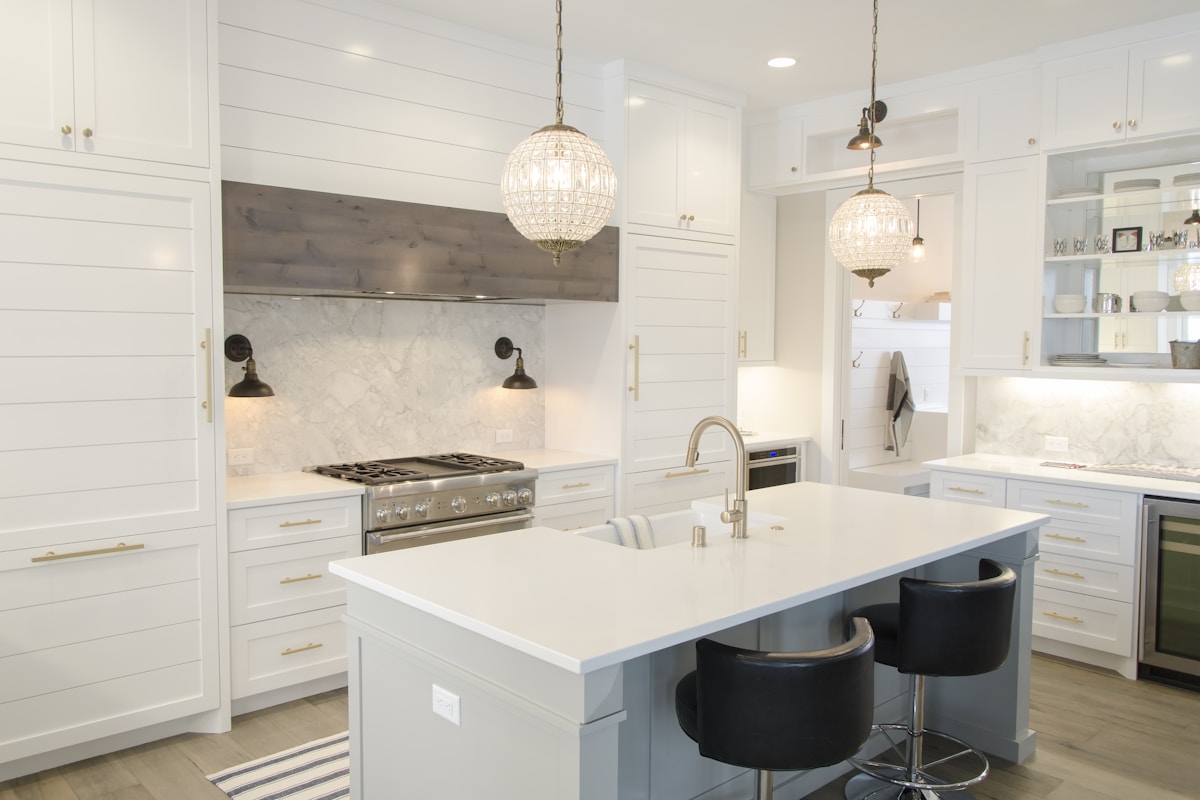 Bedroom Rug Placement: Size, Position, and Purpose | The Decor Mag
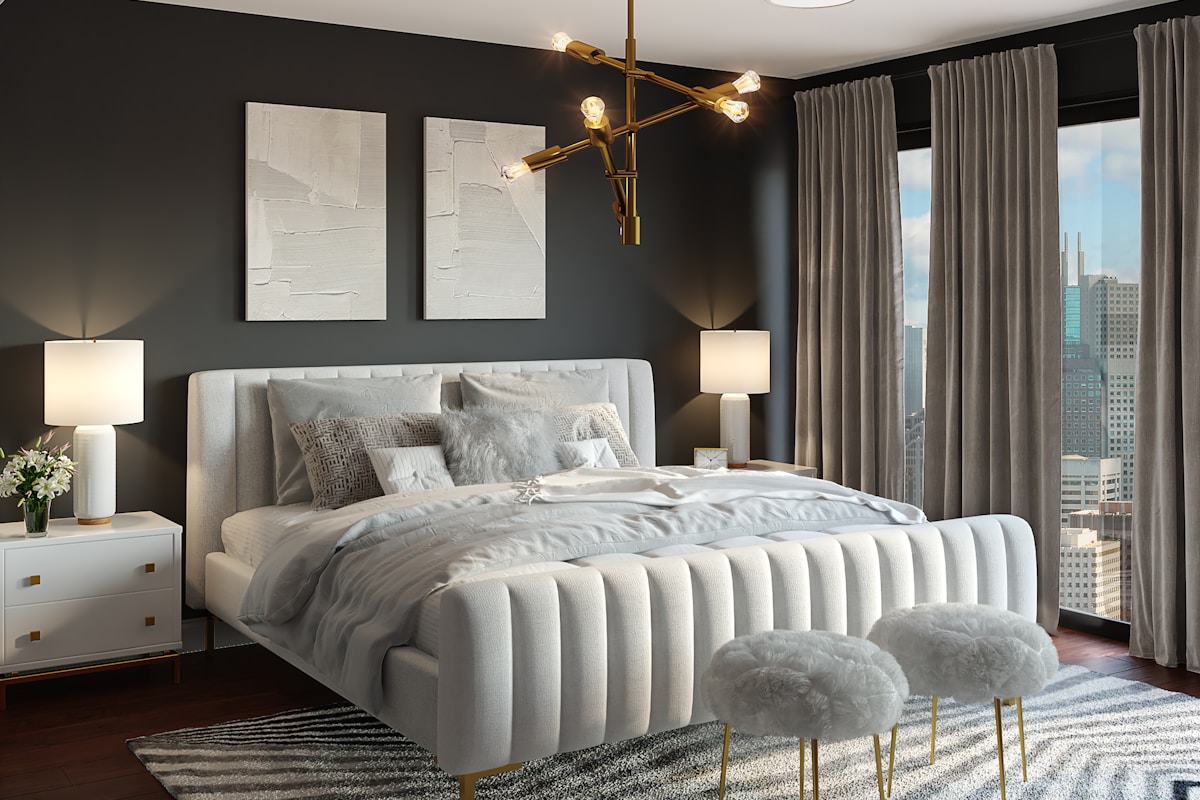 Bedroom Color Ideas: Palettes That Promote Rest | thedecormag.com
 Bedroom Color Ideas: Palettes That Promote Rest ? The Decor Mag
 Master Bedroom Decor: Designing Your Retreat ? The Decor Mag