Master Bedroom Decor: Designing Your Retreat ? The Decor Mag
Master Bedroom Decor: Designing Your Retreat
 By Priya Sharma
The master bedroom is the one room in your home that belongs entirely to you. It is not a showpiece for guests or a shared family space. It is your retreat, your sanctuary, the place where you begin and end every day. That makes its design deeply personal and practically important. The choices you make about color, texture, lighting, and furniture arrangement directly affect your sleep quality, your stress levels, and your overall sense of wellbeing. A well-designed bedroom does more than look good. It works for the most private hours of your life.
Creating a bedroom retreat involves intentional decisions about every element in the space. The bed is the anchor, but everything surrounding it contributes to the atmosphere. Wall colors set the mood. Textiles determine comfort. Lighting controls the rhythm of your evenings and mornings. Storage solutions keep the space calm and clutter-free. This article guides you through each of these decisions with practical strategies and design principles that transform a standard bedroom into a genuine retreat.
Choosing the Right Bed and Headboard
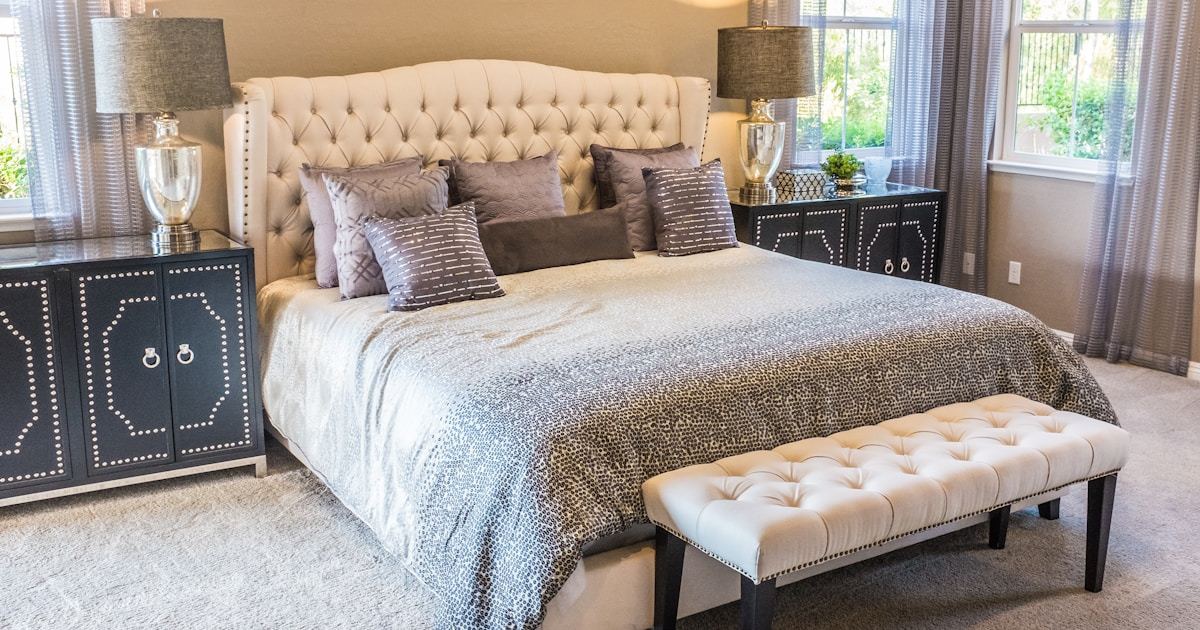
The bed occupies more floor space and visual attention than any other piece of bedroom furniture, making its selection the most consequential design decision you will make. Beyond the mattress itself, the bed frame and headboard define the room's style direction. An upholstered headboard in linen or velvet introduces softness and warmth that a wooden frame alone cannot provide. A carved wooden headboard brings architectural detail and character. A minimal metal frame keeps the visual weight low and lets other elements take center stage.
Headboard height significantly affects the room's proportions. A tall headboard creates a sense of grandeur and draws the eye upward, making the ceiling feel higher. A low headboard maintains horizontal lines that make the room feel wider and more expansive. The choice depends on your room's dimensions and your aesthetic preference. In a room with standard 8-foot ceilings, a headboard that reaches 54 to 60 inches above the floor provides a balanced proportion. In rooms with higher ceilings, a headboard extending to 66 inches or more fills the vertical space appropriately.
According to the Better Sleep Council's 2024 sleep environment study, adults who rated their bedroom design as "highly appealing" reported 19% better sleep quality scores compared to those who rated their bedroom design as "average." The study measured sleep quality through self-reported assessments and actigraphy data, suggesting that bedroom aesthetics have a measurable impact on rest. The bed, as the focal point of that design, carries the greatest responsibility for creating that appealing environment.
Color Psychology for Bedrooms
Bedroom color choices carry more weight than colors in any other room because you spend more consecutive hours in this space, often in low-light conditions when colors appear differently. The ideal bedroom color promotes relaxation and rest. Research consistently shows that cool, muted tones support this goal better than bright, saturated colors. Soft blues, gentle greens, warm grays, and muted lavenders each create a calming atmosphere that prepares the body and mind for sleep.
The ceiling color deserves equal consideration. A ceiling painted the same color as the walls creates a cocoon-like effect that many people find comforting in a bedroom. This approach works particularly well in darker colors, where the uniform color envelops the space. Alternatively, a slightly lighter ceiling color maintains the traditional sense of openness while still providing a restful atmosphere. White ceilings remain the safest choice, but they can feel clinical in bedrooms where warmth is the primary objective.
- Soft blue: lowers heart rate and blood pressure according to color psychology research
- Sage green: connects to nature and creates a restorative atmosphere
- Warm gray: provides a neutral backdrop that allows textiles and art to shine
- Dusty lavender: introduces gentle color without the stimulation of brighter purples
- Deep navy: creates intimacy and drama, best in rooms with adequate natural light during the day
- Warm white: the most versatile option, pairing with any accent color and design style
The Art of Layered Bedding
Layered bedding is the single most effective technique for creating a bedroom that feels luxurious and inviting. The standard layering sequence begins with fitted and flat sheets, followed by a duvet or comforter, and finishes with decorative pillows and a throw at the foot of the bed. Each layer contributes to the overall visual richness and the tactile experience of getting into bed. The key is varying textures within a cohesive color palette.
European shams (26x26 inches) placed against the headboard create a hotel-quality foundation. Standard shams in front of them add a second layer of height and texture. Decorative lumbar pillows in front of the shams introduce a contrasting shape. A folded throw blanket at the foot of the bed completes the composition and provides an extra layer for cooler nights. The result is a bed that looks abundant without feeling cluttered, inviting without being formal.
"The bed is the stage where your bedroom design performs. Layer it generously, but keep the colors harmonious. A bed with too many competing colors looks like a costume rack. A bed with layered textures in a restrained palette looks like a place you want to stay."
? Athena Calderone, Interior Designer and author of "Live Beautiful"
Window Treatments and Light Control
Window treatments in the bedroom serve a function that matters more than in any other room: light control for sleep. The ideal bedroom window treatment system combines blackout capability with decorative appeal. Layered treatments achieve this best. A blackout shade or blind handles the functional requirement of blocking morning light. A decorative curtain on either side adds softness, color, and the option to filter light during the day without eliminating it entirely.
Curtain placement affects the perception of window size and ceiling height. Mounting the curtain rod 4 to 6 inches above the window frame and extending it 6 to 10 inches beyond each side makes the window appear larger and the ceiling taller. Hanging curtains from ceiling to floor, even when the window does not extend that far, creates vertical lines that elongate the room. Floor-length curtains that puddle slightly on the floor add a sense of luxury and softness that shorter treatments cannot match.
Lighting for Rest and Reading
Bedroom lighting must serve two competing needs: bright enough for reading and other activities, dim enough to support the wind-down routine before sleep. The solution involves multiple light sources at different intensities. Overhead lighting handles general illumination. Bedside lamps provide task lighting for reading. Wall sconces free up nightstand surface space while adding ambient light. A dimmer switch on the overhead circuit allows you to reduce intensity as bedtime approaches.
The color temperature of bedroom lighting should trend warm. 2700K lighting creates a golden glow that signals to the body that the day is winding down. Cooler temperatures (4000K and above) suppress melatonin production and interfere with the body's natural sleep preparation. If you use your bedroom for work during the day, a tunable white fixture that shifts from cool to warm as evening approaches offers the best of both worlds. The Investment Property Forum's 2023 wellness real estate report noted that bedrooms with warm, dimmable lighting systems achieved 23% higher occupant satisfaction scores than those with fixed single-temperature lighting.
Storage That Maintains Serenity
Clutter is the enemy of bedroom serenity, and adequate storage is the antidote. A master bedroom needs storage for clothing, linens, personal items, and the accumulated objects of daily life. Built-in wardrobes offer the most seamless solution, integrating storage into the room's architecture without consuming additional floor space. Freestanding dressers and armoires provide flexibility for rooms where built-ins are not feasible. Under-bed storage, whether through a bed frame with built-in drawers or storage containers, utilizes otherwise wasted space.
The nightstand surface deserves special attention. This small area becomes a collection point for everything you need within reach at bedtime: a book, a glass of water, your phone, a lamp, perhaps a candle or small decorative object. A nightstand with at least one drawer provides concealed storage for items that do not need to remain visible. The goal is a surface that looks intentional and calm, not like a landing zone for random accumulation.
Creating a Seating Area
A master bedroom large enough to accommodate a seating area gains both functionality and a sense of completeness. A pair of chairs with a small side table creates a reading corner. An upholstered bench at the foot of the bed provides a place to sit while putting on shoes and adds a layer of texture to the bed area. A chaise lounge or daybed transforms the bedroom into a space that supports relaxation beyond sleeping. The seating area should feel connected to the bedroom's overall design language while offering a slightly different mood.
Space planning determines whether a seating area fits comfortably. Allow at least 3 feet of clearance around any seating piece for comfortable movement. In a bedroom with a king-size bed, the bed typically occupies approximately 40 to 50 square feet. A room that is 14 by 16 feet (224 square feet) can accommodate the bed, two nightstands, a dresser, and a small seating area without feeling crowded. Smaller rooms should prioritize the essential furniture and add seating only if clearance remains adequate.
Personal Touches That Matter
A bedroom that looks like a showroom lacks the warmth that makes it feel like your own. Personal touches transform a designed space into a lived-in retreat. Artwork that resonates with you personally creates a visual connection every time you enter the room. Photographs of meaningful moments, displayed in frames that complement the room's style, add emotional depth. Objects collected during travels, handmade pieces from loved ones, or books that matter to you bring personality to the space that no designer can manufacture.
The principle of restraint applies to personal touches as much as to everything else. A carefully curated selection of meaningful objects on a dresser or shelf creates more impact than a crowded surface filled with everything you own. Choose three to five items that genuinely matter to you and display them with space between each one. The negative space around each object allows it to breathe and be appreciated. A bedroom retreat should feel personal without feeling like a museum of your life.
| Category | Recommended % of Budget | Priority Level |
|---|---|---|
| Mattress and bed frame | 35?45% | Highest |
| Bedding (sheets, duvet, pillows) | 15?20% | High |
| Window treatments | 10?15% | High |
| Lighting | 8?12% | Medium-High |
| Storage furniture | 10?15% | Medium |
| Art and decor | 5?10% | Medium |
More Articles
 Bedroom Wall Color Trends for 2026
 How To Choose Bedroom Materials for Optimal Comfort, Durability, and Sleep Quality
 Adjustable Height Beds: Independent Sleep Solutions for Seniors and Caregivers
 Options vs Performance: How Bedroom Design Choices Directly Impact Sleep Quality and Daily Well-Being
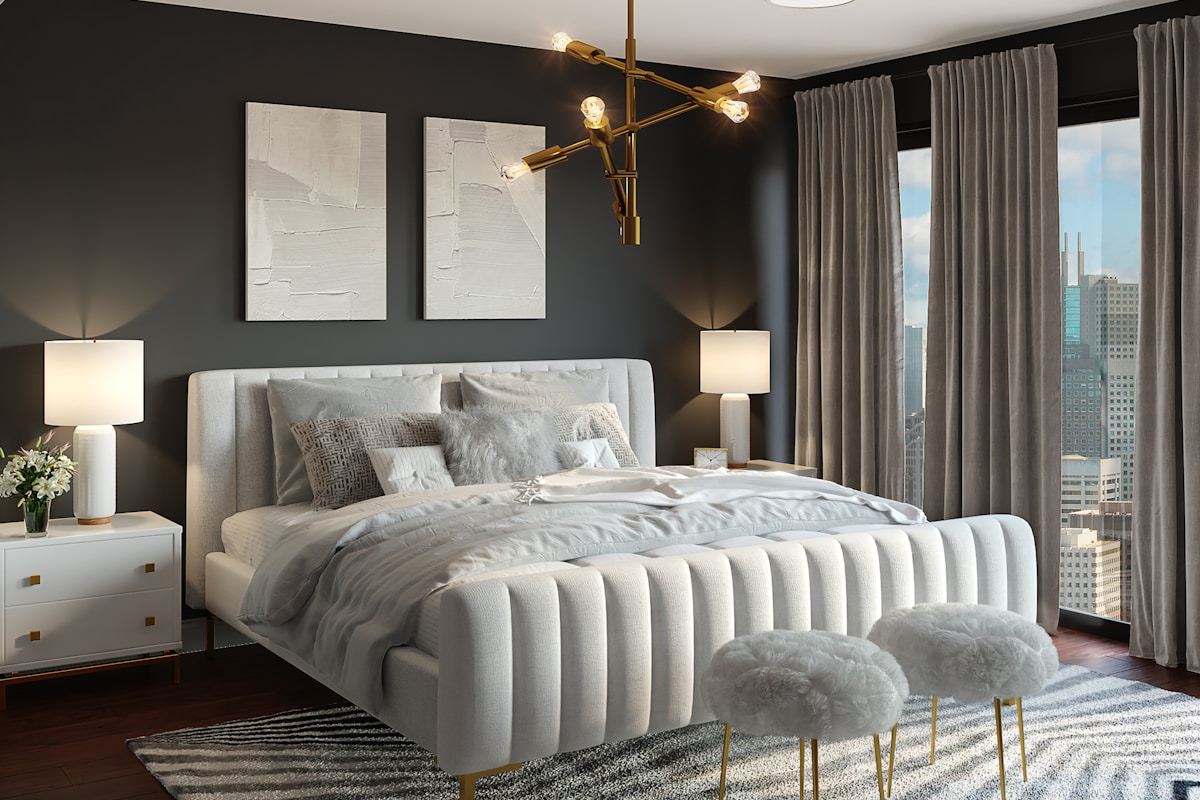 Bedroom Window Treatments: Light Control & Style
 Bedroom Plants for Better Sleep | The Decor Mag
 Ultimate Modern Guide to Bedroom Comfort: Science-Backed Design, Ergonomic Sleep Systems, and Sustainable Materials
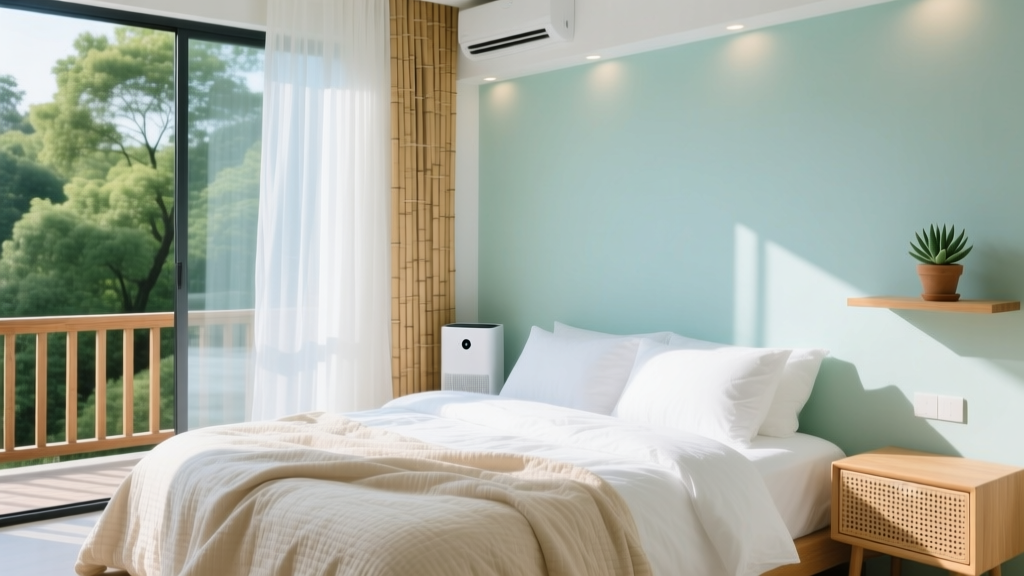 Summer Bedroom Cooling: A Complete Guide to Breathable Textiles and Airy Design
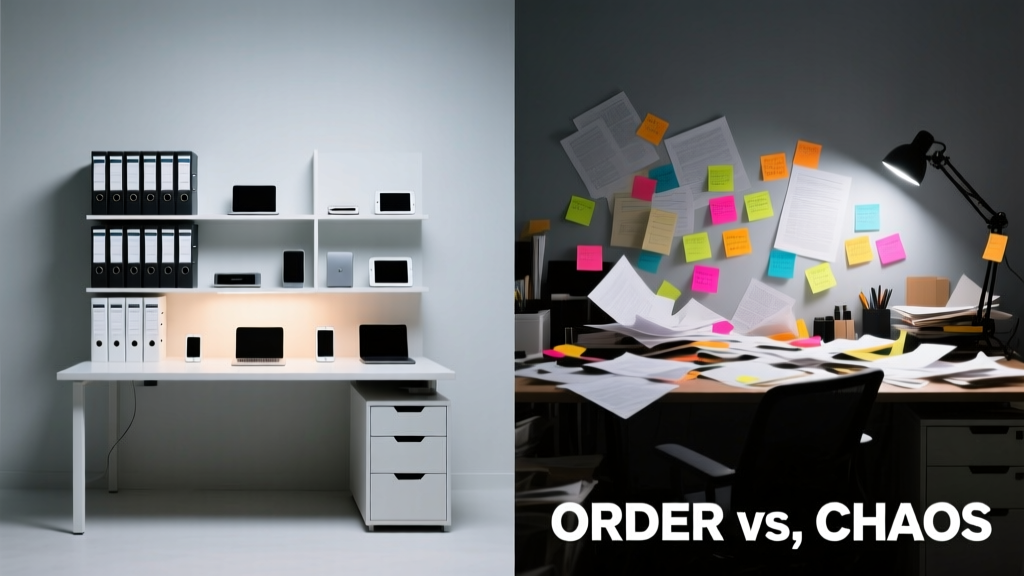 Organization and Lighting Compared: How Strategic Placement, Layered Illumination, and Measured Storage Transform Bedroom Comfort
 Cozy Bedroom Ideas Using Warm Neutral Tones