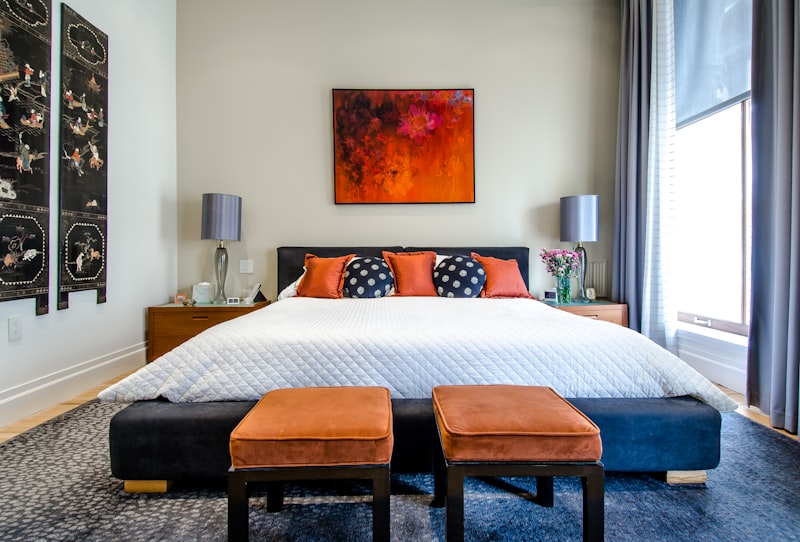
Bedroom Lighting for Aging Eyes: Layered Solutions That Look Beautiful at Any Age
Why Bedroom Lighting Matters More as You Age
By age 60, your eyes need roughly three times more light to read than they did at age 20. The lens of the eye becomes less transparent, the pupil shrinks, and contrast sensitivity decreases. Yet most bedrooms are designed with a single overhead fixture and maybe a bedside lamp — lighting that was adequate at 30 but leaves you squinting at 60.
The Three-Layer Bedroom Lighting Strategy
Effective bedroom lighting for aging eyes combines three layers, each serving a distinct purpose:
Layer 1: Ambient (General) Lighting
This is your base layer — enough light to navigate the room safely. For aging-friendly design, aim for 50–75 foot-candles of ambient light.
- Recessed LED downlights with warm color temperature (2700K–3000K) avoid the harsh blue-white that disrupts sleep
- A flush-mount or semi-flush ceiling fixture with a diffuser spreads light evenly without glare
- Dimmer switches are essential — full brightness for getting dressed, 30% for winding down
Layer 2: Task Lighting
Specific activities need focused, brighter light:
- Reading in bed: Adjustable-arm wall sconces on each side of the bed provide directed light without disturbing a partner
- Dressing: Vertical sconces flanking a full-length mirror eliminate shadows that overhead lighting creates
- Medication management: A dedicated task lamp with a color rendering index (CRI) above 90 helps distinguish between similar-looking pills
Layer 3: Night Navigation
The most dangerous time for falls is nighttime bathroom trips. Motion-activated LED strip lights under the bed frame or along the baseboard provide enough light to navigate without triggering full wakefulness.
Place motion sensors at ankle height and use warm amber LEDs (under 2000K) that won't suppress melatonin production.
Switch Placement and Smart Controls
Light switches should be at 42–48 inches from the floor (standard ADA height) and located at every room entrance. Smart lighting adds convenience: voice-controlled bedside lamps, automated sunrise alarms that gradually brighten over 30 minutes.
Glare Reduction
Aging eyes are more sensitive to glare. Avoid bare bulbs, reflective surfaces directly in the line of sight, and fixtures without shades or diffusers. Matte finishes on lamp shades, frosted glass, and fabric drum shades all soften light output while maintaining adequate brightness.
A Quick Audit Checklist
- Can you read a pill bottle label at the nightstand without straining?
- Is the path from bed to bathroom lit at night without turning on overhead lights?
- Can you see clothing colors accurately in the closet?
- Are switches reachable from bed without getting up?
If you answered no to any of these, it's time to upgrade your bedroom lighting — and your eyes will thank you.
More Articles
 Senior Bedroom Lighting: Layered Comfort for Better Sleep
 Designing Alternatives to the Traditional Bedroom: Smart, Adaptive, and Human-Centered Sleep Spaces
 Master Bedroom Decor: Designing Your Retreat ? The Decor Mag
 Cozy Bedroom Decor: Layers of Comfort | The Decor Mag
 Adjustable Height Beds: Independent Sleep Solutions for Seniors and Caregivers
 Cozy Bedroom Ideas for Fall and Winter
 Cozy Bedroom Ideas for Better Sleep in 2026
 Bedroom Safety Solutions: Practical, Evidence-Based Tips for Every Age and Ability
 Designing a Pet-Friendly Bedroom You'll Love
 Bedroom Closet Design for Limited Mobility: Pull-Down Rods and Open Shelving