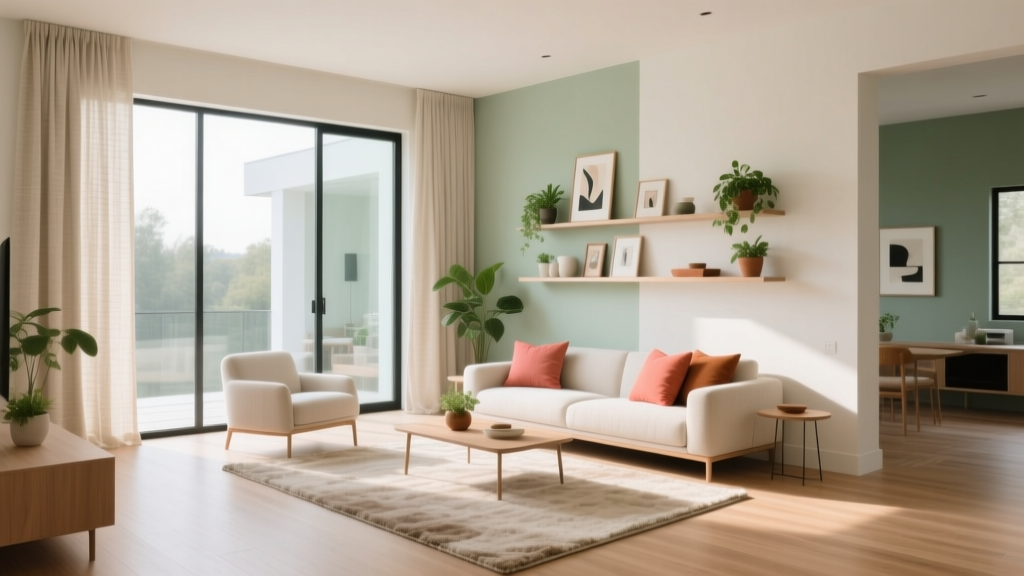
Cozy Bedroom Ideas for Better Sleep in 2026
Design Your Bedroom for Sleep
Your bedroom environment directly affects sleep quality. Research from sleep medicine specialists consistently shows that temperature, light, noise, and visual calm all influence how quickly you fall asleep and how deeply you rest. Here's how to design a bedroom that supports better sleep.
1. Temperature: Keep It Cool
Sleep researchers recommend a bedroom temperature between 60-67°F (15-19°C). Your core body temperature drops during sleep, and a cool room supports this natural process. Choose breathable bedding materials — linen, percale cotton, or bamboo — that wick moisture and allow airflow.
2. Lighting: Dim and Warm
Bright light suppresses melatonin production. Two hours before bed, switch to warm-toned lighting (2700K or lower) and dim overhead fixtures. Install bedside lamps with amber bulbs or smart bulbs that shift color temperature throughout the day.
Lighting Tips
- Use blackout curtains or shades to block street lights
- Install a dimmer switch for overhead lighting
- Remove or cover LED indicators on electronics
- Consider a sunrise alarm clock for gentle morning wake-up
3. Color: Calming Neutrals and Cool Tones
Studies suggest that blue, green, and muted gray bedroom colors promote relaxation. Avoid bright reds, oranges, and high-contrast patterns that stimulate the nervous system. Soft sage, dusty blue, warm gray, and creamy white create a restful palette.
4. Bedding: Invest in Touch
The tactile experience of your bedding affects comfort and sleep onset. Prioritize:
- Sheets: Percale cotton (crisp and cool) or linen (breathable and textured)
- Duvet: Choose weight based on your climate — lightweight for warm sleepers, medium for most people
- Pillows: Replace every 1-2 years; choose fill based on sleep position
- Mattress: Medium-firm suits most sleepers; replace every 7-10 years
5. Reduce Visual Clutter
A cluttered bedroom creates mental stimulation that interferes with sleep. Keep surfaces clear, use closed storage for clothes and accessories, and limit decorative items to a few meaningful pieces. The bedroom should feel like a sanctuary, not a storage room.
6. Sound: White Noise and Silence
If external noise disrupts your sleep, a white noise machine or fan provides consistent background sound that masks sudden disturbances. For partners with different sleep schedules, consider earplugs or a sound machine with a personal speaker.
7. Scent: Subtle and Consistent
Lavender, chamomile, and cedar are associated with relaxation. A consistent bedtime scent creates an olfactory cue that signals your brain it's time to sleep. Use an essential oil diffuser or a sachet under the pillow — keep the scent subtle, not overpowering.
More Articles
 Bedroom Lighting Ideas: Beyond the Bedside Lamp (2026)
 Ageless Bedroom Design: Comfort and Accessibility at Every Stage
 How to Match Bedroominspiration Essentials for Seamless Comfort and Cohesion
 Bedroom Color Ideas: Restful Palettes (2026)
 Bedroom Window Treatments: Light Control & Style
 Summer Bedding Swaps: Five Textile Changes for Cooler Sleep Nights
 Bedroom Color Palettes for Better Rest (2026)
 Minimalist Bedroom Essentials for Small Spaces
 Cooling Bedroom Design: Linen, Bamboo, and Breathable Materials for Hot Summer Nights
 Cooling Bedroom Makeover: Colors, Textiles, and Airflow for Better Summer Sleep