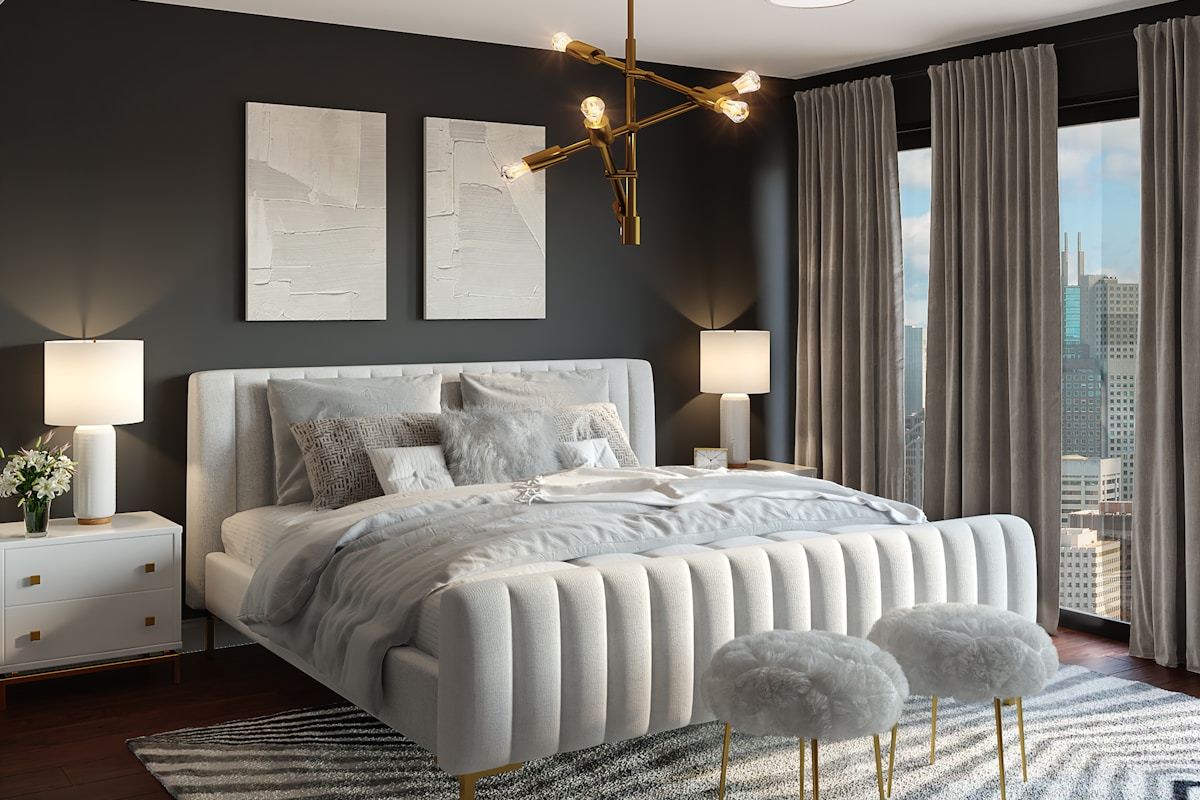
Bedroom Storage Solutions: Hide Clutter, Keep Style (2026)
Bedroom Storage Solutions: Hide the Clutter, Keep the Style
 Rachel Kim

A bedroom should feel like a sanctuary. Yet for many people, it becomes a catch-all space for clothes, books, work materials, and random items that have no other home. The difference between a bedroom that promotes rest and one that breeds anxiety often comes down to a single factor: storage. Not the generic kind you find at a big-box store, but thoughtful, intentional storage solutions that blend into your room's design rather than fighting against it.
The most effective bedroom storage operates on a simple principle -- every item deserves a dedicated home. When you know exactly where everything belongs, keeping a tidy space stops feeling like a chore and starts feeling natural.
The Real Cost of Bedroom Clutter
Visual clutter competes for your attention. A 2023 study from the Journal of Environmental Psychology found that participants with cluttered bedrooms reported significantly higher cortisol levels before sleep compared to those with organized spaces. The connection between physical order and mental calm is well documented, yet many people accept their messy bedroom as a given rather than a solvable problem.
Start by auditing what actually belongs in your bedroom. Common categories include clothing, linens, personal care items, books, electronics, and seasonal accessories. Once you know what needs housing, you can select storage that matches the volume and type of items you actually own.
Consider these questions before investing in any storage system:
- How many items of clothing do I rotate through weekly?
- Do I keep seasonal items accessible year-round?
- What percentage of my current closet space goes unused?
- Are there items taking up surface space that could be stored elsewhere?
Under-Bed Storage: The Overlooked Gold Mine
The space beneath your bed represents the single largest untapped storage zone in most bedrooms. A standard queen bed frame offers roughly 28 to 32 square feet of floor area beneath it -- equivalent to a small dresser footprint that many people simply ignore.
Here are the most practical approaches to under-bed storage:
- Rolling bins: Ideal for seasonal clothing, extra bedding, and shoe collections. Look for bins with lids and smooth-rolling wheels.
- Drawer-style organizers: These slide out like dresser drawers and work well for items you access frequently, such as workout clothes or pajamas.
- Vacuum-seal bags: Perfect for bulky items like comforters and winter coats. They compress contents by up to 75%, maximizing every inch.
- Custom platform beds: If you are willing to invest, a platform bed with built-in drawers offers the cleanest aesthetic and largest capacity.
Pro Tip: Measure Before You Buy
Use a tape measure to check the clearance between your bed frame and the floor. Many under-bed organizers come in heights ranging from 5 to 14 inches. Buying without measuring is the most common mistake people make.
Built-In Solutions for Maximum Impact
Built-in storage transforms a bedroom from a room with furniture into a cohesive design statement. While more expensive than standalone pieces, built-ins offer advantages that make them worth the investment.
Custom shelving along an entire wall can hold books, display decor, and conceal storage behind cabinet doors -- all while occupying the same footprint as a single dresser. Floor-to-ceiling built-ins draw the eye upward, making ceilings feel taller and rooms feel larger.
| Type | Average Cost | Best For | Installation |
|---|---|---|---|
| Wall-mounted shelving | $200 - $800 | Books, decor, light items | DIY-friendly |
| Closet system (modular) | $500 - $2,000 | Clothing, accessories | Moderate DIY |
| Custom built-in cabinetry | $2,000 - $8,000 | Everything | Professional required |
| Window seat with storage | $800 - $3,000 | Linens, seasonal items | Professional recommended |
Vertical Space: Think Up, Not Out
When floor space is limited, the walls become your best ally. Vertical storage solutions draw attention upward while freeing valuable square footage for movement and furniture arrangement.
Floating shelves installed above a dresser or desk create display space without adding bulk. For clothing, a tall, narrow armoire uses less floor space than a wide dresser while offering comparable hanging capacity. Over-the-door organizers work for accessories, belts, scarves, and even shoes.
The best storage is the kind you do not notice. It should feel like a natural extension of the room, not an afterthought bolted onto the wall.
-- Sarah Mitchell, Interior Designer at Studio Haven, New York
When planning vertical storage, follow the rule of thirds. The wall divides into three zones: lower third for heavier items and closed storage, middle third for frequently accessed items, and upper third for decorative pieces and infrequently used objects. This arrangement feels balanced and keeps everyday items within comfortable reach.
Multi-Functional Furniture That Works Double Duty
Every piece of furniture in a bedroom should earn its place by doing more than one job. A nightstand with drawers and an open shelf replaces two separate pieces. A storage bench at the foot of the bed provides seating and conceals blankets, magazines, or shoes.
Consider these dual-purpose options:
- Ottoman with hidden compartment: Works as seating, footrest, and storage trunk. Choose one with a hinged lid and fabric interior.
- Desk with built-in shelving: Combines workspace and display area. Perfect for bedrooms that double as home offices.
- Bedside caddy: Hangs from the mattress or bed frame to hold phones, glasses, and books without occupying floor space.
- Trunk-style coffee table: If your bedroom has a sitting area, a trunk replaces a standard table and stores extra throws or pillows.
Small Bedroom, Big Storage: Compact Strategies
Small bedrooms demand creative thinking, but the constraints often produce the most elegant solutions. A room under 120 square feet requires precision in every selection -- each piece must pull its weight.
Start with the bed. A loft bed frees the entire floor beneath for a desk, seating, or wardrobe. If lofting is not practical, a Murphy bed folds into the wall during daytime hours, converting the bedroom into a multi-use space.
Corner shelving units make use of awkward dead space that standard furniture cannot reach. Pegboard panels mounted on walls offer customizable hooks and shelves that rearrange as your needs change. Even the space above a door frame can accommodate a shallow shelf for items you rarely need.
The golden rule for small-bedroom storage: closed storage beats open storage every time. Open shelves look lovely in photographs, but behind closed doors is where clutter disappears from sight and mind. Prioritize pieces with doors, drawers, and lids to maintain that serene, magazine-worthy appearance.
More Articles
 Cozy Bedroom Decor: Layers of Comfort | The Decor Mag
 Science Safety Tips: Evidence-Based Protocols for Home and Classroom Laboratories
 Bedroom Lighting for Aging Eyes: Layered Solutions That Look Beautiful at Any Age
 Cat-Friendly Bedroom: Cozy Perches and Beds
 Small Bedroom Closet Storage Solutions
 Creating a Bedroom Reading Nook: Cozy Seating Ideas for Small-Space Book Lovers
 Modern Minimalist Bedroom: Less Is More Guide
 Bedroom Lighting Ideas for Better Sleep
 Bedroom Inspiration FAQ Answered: Real Solutions for Comfort, Style, and Function
 Bedrooms FAQ Answered: Science-Backed Answers for Sleep Quality, Layout, and Comfort