# Cozy Bedroom Textile Layering: The 5-Layer Technique Designers Swear By
The difference between a flat, lifeless bed and one that looks like it belongs in a luxury hotel comes down to one technique: textile layering. Designers use a 5-layer system that creates depth, warmth, and visual interest.
## Layer 1: The Foundation (Fitted Sheet)
Start with a high-quality fitted sheet in a neutral color. This is your base layer — it should be comfortable against skin and easy to wash.
**Best fabrics:** Percale cotton (crisp, cool), sateen cotton (smooth, warm), linen (breathable, textured)
**Thread count sweet spot:** 300-400 (higher isn't always better)
## Layer 2: The Flat Sheet
A flat sheet adds a second barrier and creates a clean fold at the top of the bed. Choose a color or subtle pattern that complements your foundation.
**Pro tip:** Size up — a queen flat sheet on a queen bed gives you more tuck-in room and a deeper fold at the top.
## Layer 3: The Warmth Layer (Duvet or Comforter)
This is where coziness lives. A duvet with an insert provides adjustable warmth (swap inserts for seasons). A comforter is simpler but less flexible.
**Summer:** Lightweight down alternative or cotton fill
**Winter:** Down or heavy down alternative
**Year-round:** Medium-weight duvet with a seasonal blanket underneath
## Layer 4: The Accent Layer (Throw Blanket)
Drape a throw blanket across the foot of the bed or fold it at one corner. This layer adds texture and color contrast.
**Materials to mix:**
- Chunky knit throw (visual weight, texture)
- Faux fur throw (luxury, softness)
- Woven cotton throw (lightweight, casual)
- Velvet throw (richness, warmth)
## Layer 5: The Pillow Story
Pillows are the exclamation point. Use three sizes for visual hierarchy:
1. **Euro shams (26×26"):** Two against the headboard — your backdrop
2. **Standard shams (20×26"):** Two in front of Euros — your sleeping pillows dressed up
3. **Accent pillows (various):** One to three decorative pillows in front — texture and personality
## Color Coordination Framework
### The 60-30-10 Rule for Bedding
- **60% dominant:** Your duvet cover and sheets (usually a neutral)
- **30% secondary:** Throw blanket and accent pillows (a complementary color)
- **10% accent:** One bold pillow or trim detail (a pop of contrast)
### Seasonal Palette Swaps
| Season | Dominant | Secondary | Accent |
|--------|----------|-----------|--------|
| Spring | White/cream | Sage green | Blush pink |
| Summer | Light gray | Ocean blue | Coral |
| Fall | Warm beige | Terracotta | Deep gold |
| Winter | Charcoal | Burgundy | Cream |
## Texture Mixing Secrets
The key to a designer-looking bed is mixing textures, not just colors:
- Pair smooth sateen with a chunky knit throw
- Combine matte linen with glossy velvet pillows
- Layer a woven throw over a silky duvet cover
## Budget-Friendly Layering
You don't need to buy everything at once. Start with:
1. Quality fitted + flat sheet (Layer 1-2)
2. A versatile duvet cover + insert (Layer 3)
3. One statement throw (Layer 4)
4. Two Euro shams + two standard shams (Layer 5, partial)
Add accent pillows and seasonal swaps over time.
## Care and Maintenance
- Wash sheets weekly in hot water
- Wash duvet covers every 2-4 weeks
- Air out duvet inserts monthly
- Rotate throw blankets seasonally
- Fluff pillows daily to maintain shape
## Final Thoughts
A beautifully layered bed is the foundation of a cozy bedroom. Start with the 5-layer system, choose fabrics that feel good against your skin, and let color and texture tell your design story. The result is a bed that's as inviting to look at as it is to crawl into.
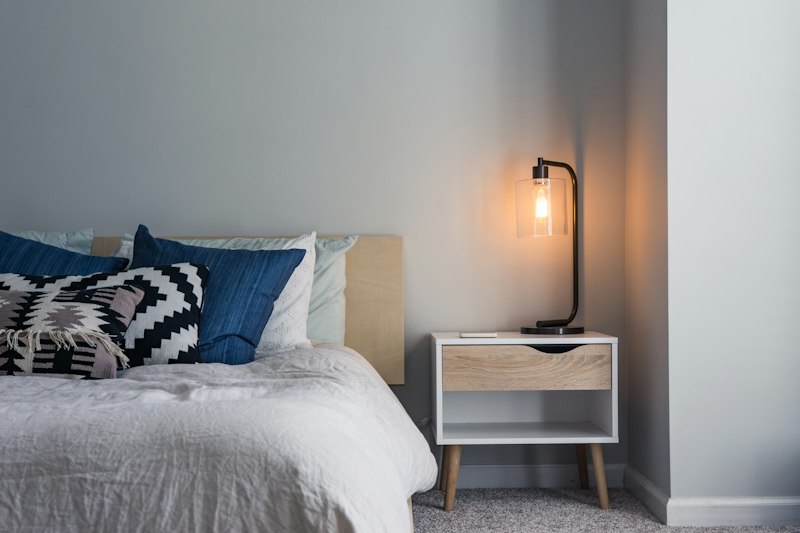
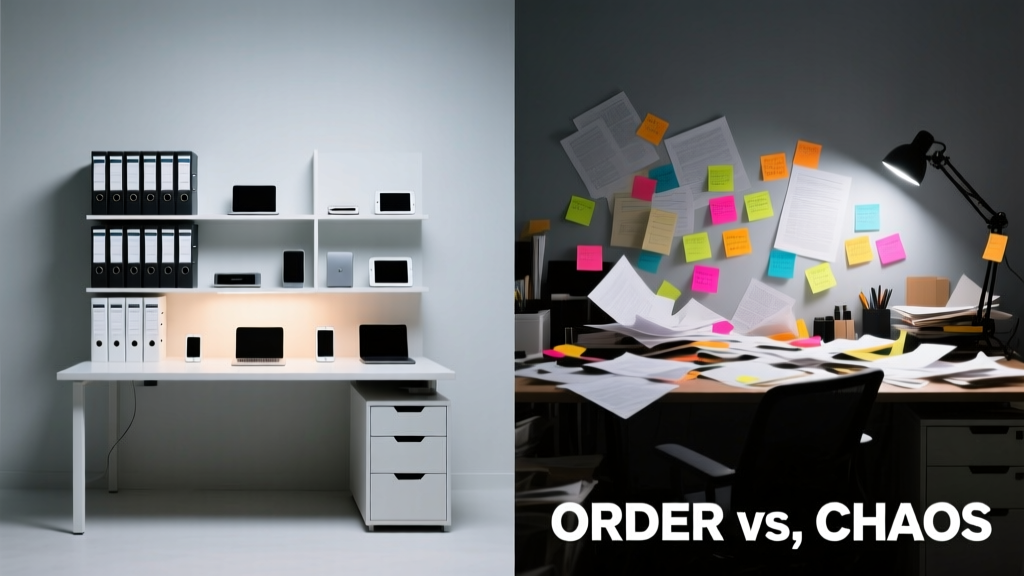 Organization and Lighting Compared: How Strategic Placement, Layered Illumination, and Measured Storage Transform Bedroom Comfort
 Designing Alternatives to the Traditional Bedroom: Smart, Adaptive, and Human-Centered Sleep Spaces
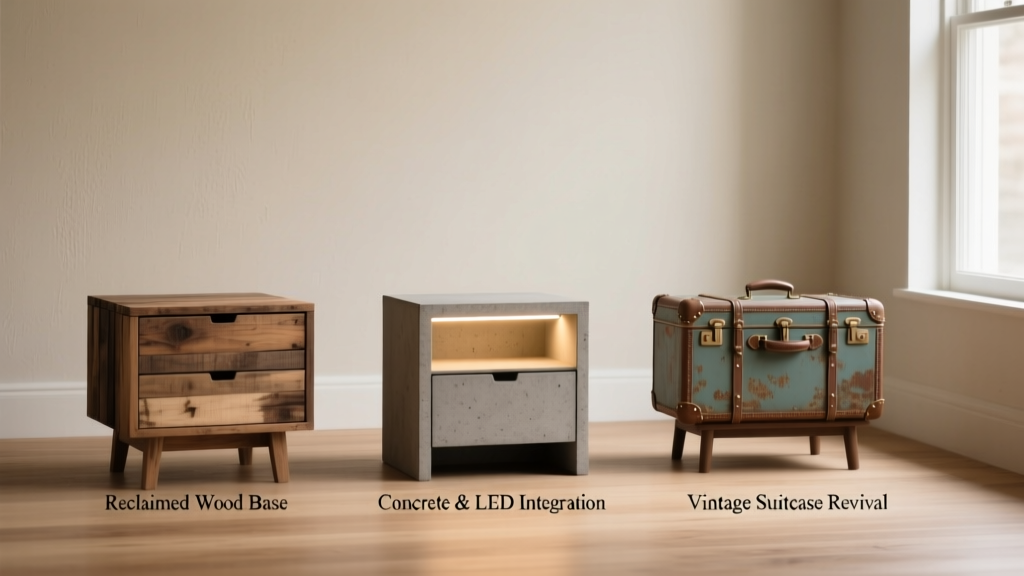 12 Practical & Stylish DIY Nightstand Ideas You Can Build in a Weekend
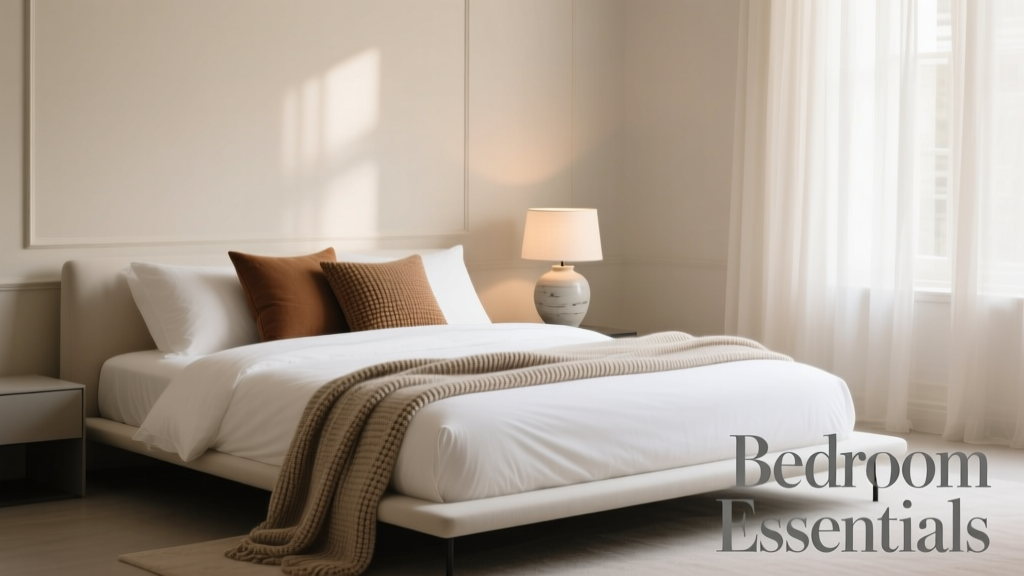 How to Match Bedroominspiration Essentials for Seamless Comfort and Cohesion
 Best Outdoor Wall Lights: Performance, Safety, and Style for Every Exterior Space
 Bedroom Rug Placement: Size, Position, Purpose (2026)
 Cozy Bedroom Ideas for Better Sleep in 2026
 Cooling Bedroom Design: Linen, Bamboo, and Breathable Materials for Hot Summer Nights
 Precision for Colors: How Exact Hue, Value, and Chroma Transform Bedroom Comfort and Sleep Quality
 Designing a Pet-Friendly Bedroom You'll Love