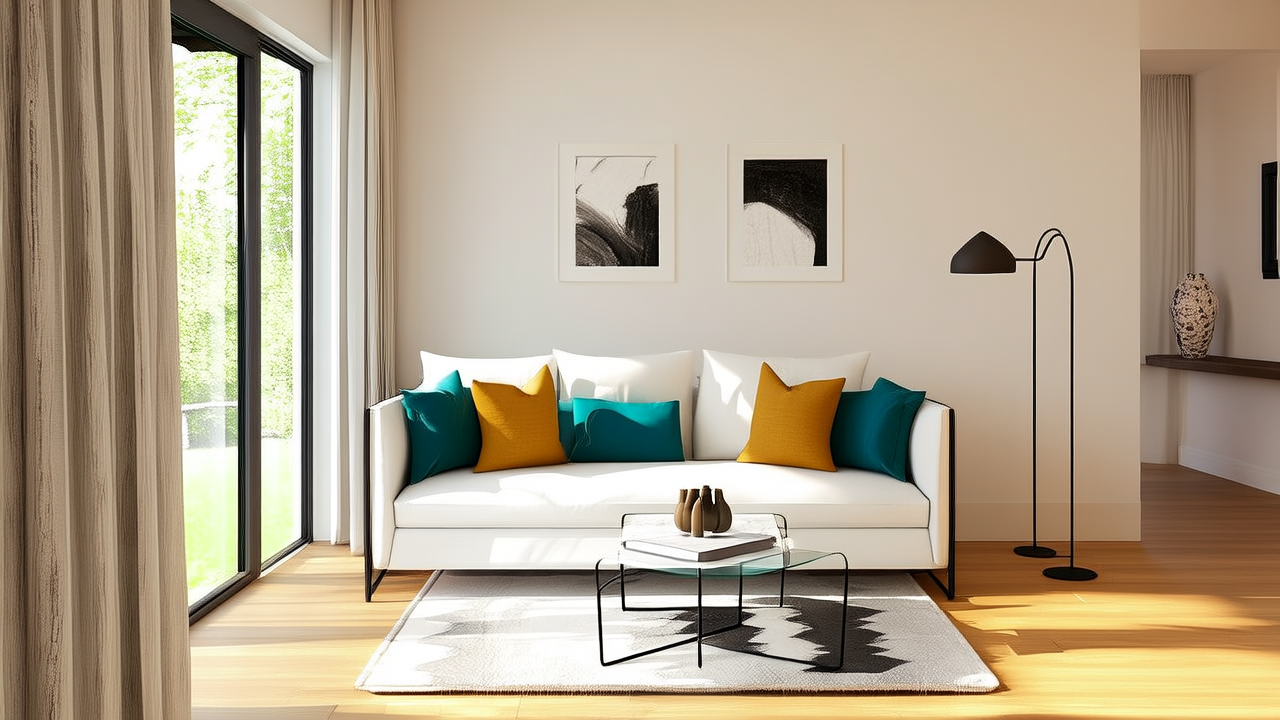
Bedroom Colors That Promote Better Sleep
How Color Affects Your Sleep
Research in environmental psychology shows that room color influences heart rate, blood pressure, and sleep-related hormone production. Choosing wisely is one of the simplest sleep improvements you can make.
Blue: The Top Sleep Color
Soft blue shades consistently rank as the best bedroom color for sleep. Studies show people in blue rooms report nearly an hour more sleep per night than those in purple rooms.
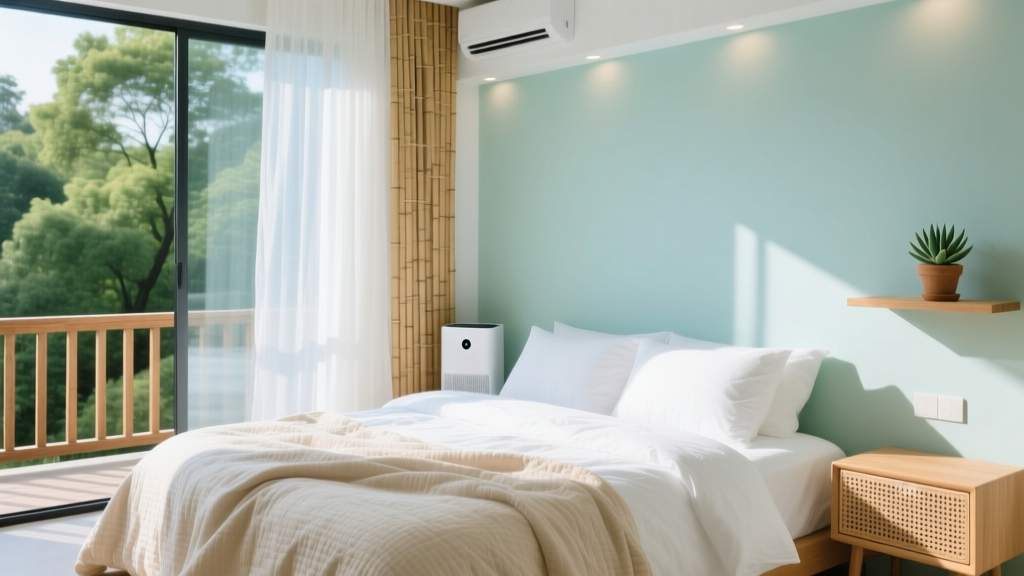
Sage Green: Nature's Calming Effect
Green sits in the middle of the visible spectrum, requiring no adjustment from your eyes. Sage green brings the calming effect of nature indoors.
Warm Neutrals: Safe and Soothing
Warm whites, soft taupes, and light beiges create a cocoon-like atmosphere.
- Warm white: Timeless and clean
- Soft taupe: Warmer than gray, cooler than beige
- Mushroom: Trend-forward neutral with depth
- Cream: Warmer than white for low-light rooms
Colors to Avoid
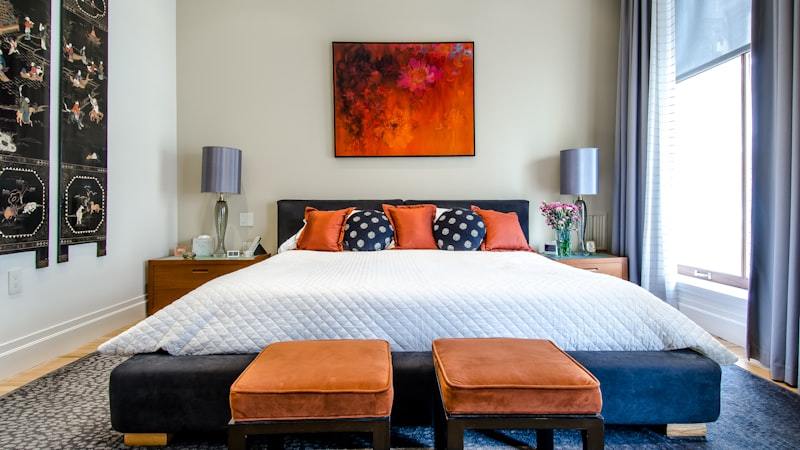
Bright reds, oranges, and vivid yellows raise heart rate and energy levels. If you love these colors, use them sparingly in accents.
More Articles
 Japandi Bedroom Style: Minimalist Warmth
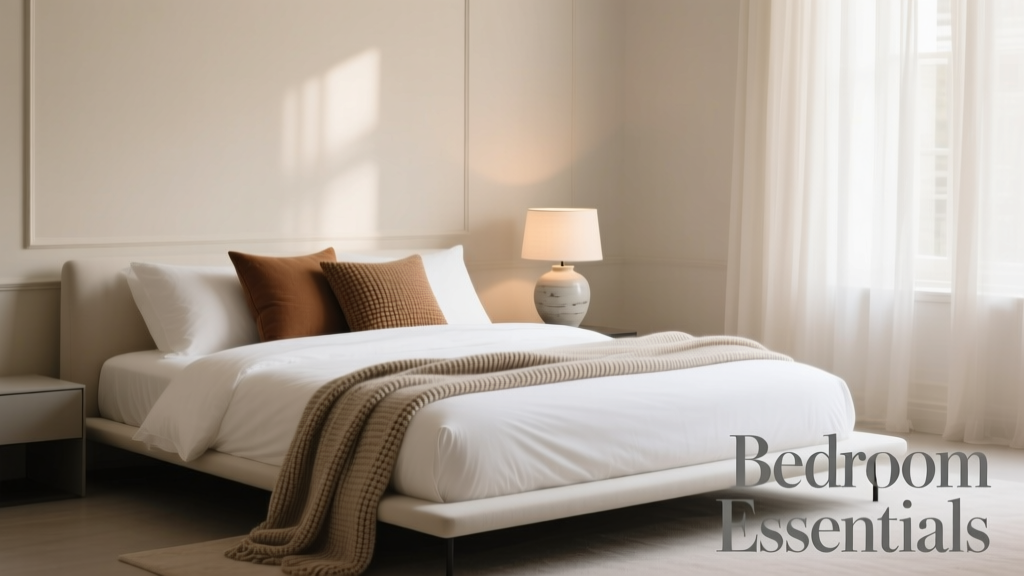 Bedroom Inspiration Essentials for Comfort & Cohesion 2026
 Japandi Bathroom Essentials: Minimalist Comfort
 Cool Your Bedroom in 2026: Breathable Textiles & Airy Design
 Best Bedroom Materials for Comfort & Sleep Quality in 2026
 Bedroom Reading Nook: Cozy Escape Ideas (2026)
 Bedroom Wall Color Trends for 2026
 Designing a Pet-Friendly Bedroom You'll Love
 Cool Bedroom Makeover for Better Summer Sleep in 2026
 Senior Bedroom Lighting: Layered Comfort for Better Sleep