Living Room Accent Wall: One Wall That Changes Everything ? The Decor Mag
Living Room Accent Wall: One Wall That Changes Everything
 By Elena Marchetti
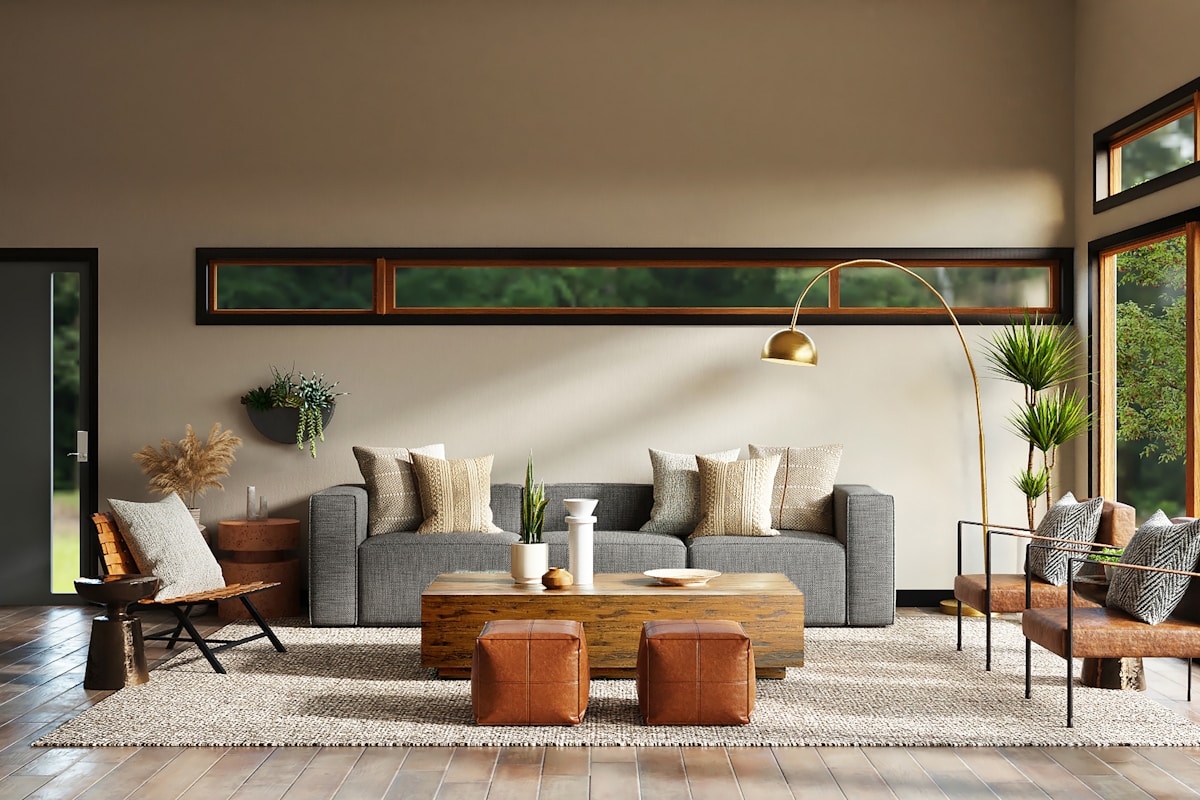
An accent wall is the most cost-effective transformation available to a homeowner. One wall, treated with intention, can shift the entire personality of a living room. It creates a focal point that furniture arrangement, lighting, and decor can then rally around. Done correctly, an accent wall makes a room feel designed rather than decorated. Done poorly, it feels like a random splash of color that leaves everyone wondering what went wrong.
The difference lies in understanding which wall to choose, which treatment to apply, and how the accent wall interacts with everything else in the room. This article walks through the decisions that separate striking accent walls from regrettable ones. We will cover paint, wallpaper, texture, architectural treatments, and the spatial principles that make one wall feel purposeful while the others remain gracefully quiet.
Choosing the Right Wall
The single most important decision in accent wall design is which wall to accent. Choose wrong, and the room feels unbalanced no matter how beautiful the treatment. The ideal accent wall is the one your eye naturally lands on when you enter the room. It is typically the wall behind the sofa, the wall housing the fireplace, or the wall visible from the primary entry point. It should not be a wall interrupted by multiple windows, doors, or built-in cabinetry, as these breaks fragment the visual impact.
In a rectangular living room, the shorter wall often works best as an accent wall because it creates a sense of intimacy and prevents the long dimension from feeling tunnel-like. In a square room, the wall behind the primary seating arrangement is the natural choice. The rule is simple: the accent wall should be the wall that the room's layout already treats as most important. Your treatment amplifies what is already there rather than creating importance from nothing.
A study published in the Journal of Interior Design (2024) found that rooms with accent walls positioned behind primary seating arrangements received 34% higher aesthetic satisfaction scores from viewers compared to rooms with accent walls on side or entry-facing walls. The research supports what designers have long practiced: accent the wall that people face, not the wall they pass.
Paint: Color Theory for Accent Walls
Paint is the most accessible accent wall treatment, and it offers the widest range of possibilities. The color you choose should complement the existing palette while introducing enough contrast to earn the attention it will receive. Dark, saturated colors create drama and intimacy. Navy, charcoal, forest green, and deep plum each bring a different energy to the space. Lighter accent colors work too, particularly when the surrounding walls are a darker neutral.
The 60-30-10 color rule provides a useful framework for accent wall decisions. In a living room, 60% of the visual color comes from the dominant wall color, 30% from secondary elements like upholstery and curtains, and 10% from accents. When one wall becomes an accent, it shifts this balance. The accent wall color should appear somewhere else in the room at a smaller scale in throw pillows, artwork, or accessories. This repetition creates cohesion and prevents the accent wall from feeling disconnected from the rest of the space.
- Dark colors recede visually, making large rooms feel more intimate and grounded
- Warm colors (reds, oranges, warm browns) advance visually, making walls feel closer and cozier
- Cool colors (blues, greens, cool grays) create a sense of depth and spaciousness
- Saturated jewel tones create maximum drama and work best in rooms with ample natural light
- Muted, desaturated colors offer subtle sophistication and pair well with minimalist decor
Wallpaper and Pattern Strategies
Wallpaper brings pattern, texture, and depth that paint cannot achieve on its own. A patterned accent wall becomes the room's personality statement. Large-scale patterns create bold drama and work best on walls with minimal interruption from windows or doors. Small-scale patterns offer subtle texture that adds interest without overwhelming. The choice between bold and subtle depends on the room's overall design direction and your comfort level with visual intensity.
Peel-and-stick wallpaper has transformed the accessibility of accent wall treatments. These removable options allow experimentation without the commitment of traditional wallpaper. They are ideal for renters, for homeowners who change their minds frequently, and for anyone who wants to test a pattern before investing in permanent installation. Modern peel-and-stick products achieve quality levels that rival traditional wallpaper, with realistic textures, rich colors, and patterns that align seamlessly at the seams.
"Wallpaper on a single wall is like wearing a statement piece of jewelry. It does not need to match everything, but it needs to feel intentional and connected to the overall look."
? Justina Blakeney, Designer and founder of Jungalow
Texture and Material Treatments
Beyond paint and wallpaper, material treatments create accent walls that engage the senses beyond sight. Wood paneling, from shiplap to reclaimed barn boards, introduces warmth and character that flat surfaces cannot replicate. Stone veneer brings natural texture and weight to a wall, particularly effective behind fireplaces where the material relationship feels organic. Brick, whether exposed original brick or thin brick veneer applied to a smooth wall, adds industrial character and historical depth.
Limewash paint occupies a middle ground between flat paint and textured treatment. It creates a mottled, organic finish with subtle color variation that shifts with the light throughout the day. Limewash walls feel alive in ways that standard paint does not. The application technique involves cross-hatching strokes with a specialized brush, and each pass creates a unique pattern. No two limewash walls are identical, which gives each accent wall a handcrafted quality that mass-produced finishes cannot achieve.
Architectural Accent Treatments
Board and batten, picture frame molding, and slat walls represent architectural treatments that add three-dimensional interest to an accent wall. Board and batten creates a rhythmic vertical pattern that draws the eye upward and makes ceilings feel taller. Picture frame molding divides the wall into elegant panels that evoke classical architecture while remaining compatible with modern interiors. Slat walls, with their horizontal or vertical wood strips, introduce a contemporary texture that plays beautifully with light and shadow.
These treatments require more investment than paint or wallpaper but deliver proportionally greater impact. They add actual depth to the wall, creating shadows and highlights that change throughout the day as natural light moves across the surface. The installation process varies in complexity. Board and batten is a manageable DIY project for anyone comfortable with a level and a nail gun. Slatted walls and intricate molding patterns may benefit from professional installation to ensure precision and clean lines.
| Treatment | Average Cost (10x10 wall) | DIY Difficulty | Visual Impact |
|---|---|---|---|
| Paint (premium) | $40?$80 | Easy | Medium |
| Peel-and-stick wallpaper | $60?$200 | Easy-Medium | High |
| Traditional wallpaper | $100?$400 | Medium | High |
| Limewash paint | $80?$150 | Medium | Medium-High |
| Board and batten | $150?$500 | Medium | High |
| Slat wall | $300?$1,200 | Medium-Hard | Very High |
| Stone veneer | $800?$2,500 | Hard | Very High |
Lighting Your Accent Wall
An accent wall without dedicated lighting is a wasted opportunity. Light transforms the accent wall from a passive backdrop into an active design element. Wall sconces flanking artwork or a mirror on the accent wall create pools of light that draw attention and add warmth. Picture lights installed above art pieces illuminate both the artwork and the wall behind it, creating a layered lighting effect. LED strip lighting hidden behind floating shelves or architectural moldings casts a soft glow that emphasizes texture without visible light sources.
The color temperature of accent wall lighting matters significantly. Warm white (2700K?3000K) enhances warm paint colors and wood tones, making them feel richer and more inviting. Cool white (3500K?4000K) complements cool grays and blues, keeping the mood crisp and modern. Mixing color temperatures within the same accent wall creates visual tension that usually works against the design. Consistency is key.
Common Accent Wall Mistakes
The most frequent accent wall error is choosing the wrong wall. A wall that nobody naturally looks at does not become important simply because you painted it differently. The accent treatment must amplify existing architectural importance, not manufacture it from scratch. The second most common mistake is using a color or pattern that clashes with the room's existing palette. An accent wall should feel like a natural extension of the room's design language, not a foreign element.
- Accent walls on every wall: If every wall is an accent, none of them are; choose one and let the others provide quiet support
- Ignoring the ceiling: The ceiling is the fifth wall, and its color interacts with the accent wall; white ceilings are safe but consider extending the accent color upward for dramatic effect
- Wrong scale patterns: Large patterns on small walls feel overwhelming; small patterns on large walls feel insignificant; match pattern scale to wall size
- Skipping the sample: Always test paint and wallpaper samples on the actual wall and observe them at different times of day before committing
- Neglecting the transition: The edge where the accent wall meets the other walls needs clean, professional lines; use quality painter's tape and take your time
Budget-Friendly Accent Wall Ideas
Creating an impactful accent wall does not require a large budget. A gallon of quality paint costs under $50 and can transform an entire wall in an afternoon. Stencils applied with paint create pattern effects that rival wallpaper at a fraction of the cost. A collection of framed artwork arranged in a gallery wall formation turns any wall into an accent wall through curation rather than treatment. Even a large tapestry or textile hung on the wall introduces color, pattern, and texture for the price of the fabric and a simple hanging system.
According to the Home Improvement Research Institute, accent wall projects have one of the highest return-on-investment ratios among interior design updates, with an average perceived value increase of $1,500 to $3,000 per room. The investment required is minimal, but the impact on how the space feels is substantial. Whether you choose paint, wallpaper, texture, or architecture, the accent wall remains the single most effective design lever available to anyone looking to refresh their living room without a full renovation.
More Articles
 Minimalist Living Room Ideas: 10 Spaces That Prove Less Is More | The Decor Mag
 Cozy Living Room Decor: Warmth You Can Feel | thedecormag.com
 Open Plan Living Room: Zoning Without Walls ? The Decor Mag
 Living Room Lighting Tips: A Designer's Guide to Layered Illumination | The Decor Mag
 Small Living Room Layout: 12 Ways to Make Every Square Foot Count ? The Decor Mag
 Scandinavian Living Room Style: Hygge Meets Design ? The Decor Mag
 Modern Living Room Design: 12 Principles That Define Contemporary Spaces | The Decor Mag
 Living Room Furniture Arrangement: The Flow That Makes Sense ? The Decor Mag