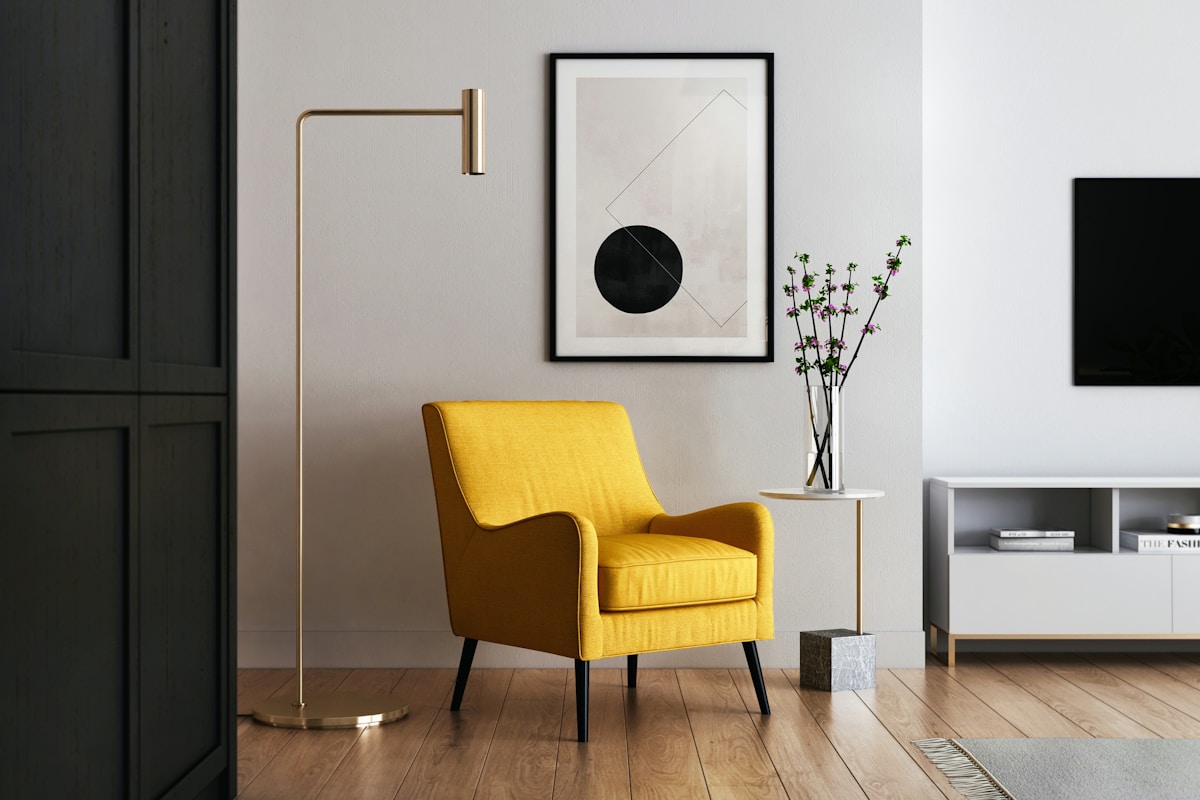
Scandinavian Living Room Style: Hygge Meets Design ? The Decor Mag
Scandinavian Living Room Style: Hygge Meets Design
 By Thomas Adler
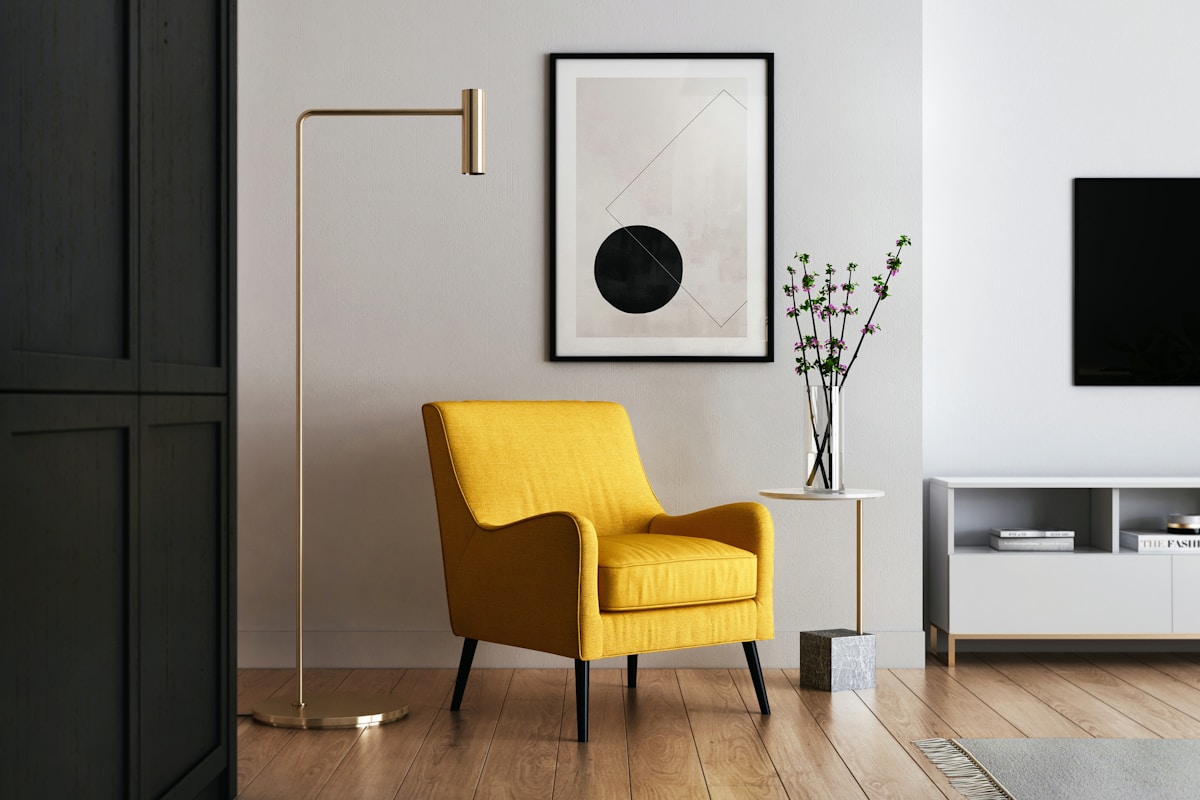
Scandinavian living room design has endured as one of the most influential interior styles of the past century. Born from the long, dark winters of Northern Europe, it combines functional simplicity with an almost obsessive attention to light and comfort. The result is a look that feels simultaneously modern and timeless, sparse and welcoming. It is a design philosophy that proves restraint does not mean coldness and that minimalism, when done thoughtfully, creates spaces that feel genuinely livable.
The Scandinavian approach to living room design rests on several foundational principles that work together to create rooms that feel both curated and comfortable. Understanding these principles allows you to create a Scandinavian-inspired space that feels authentic rather than imitative. This article examines each element of the style, from color palette and material selection to lighting strategies and the cultural concept of hygge that gives Scandinavian rooms their characteristic warmth.
The Scandinavian Color Palette
White is the foundation of Scandinavian interiors, but it is not a single white. Scandinavian designers distinguish between warm whites with yellow undertones and cool whites with blue undertones. The choice depends on the quality of natural light in the room. In Northern Europe, where daylight tends toward the cool spectrum, warm whites balance that coolness and prevent rooms from feeling clinical. In sunnier climates, a slightly cooler white prevents the room from feeling yellowed or dingy.
Beyond white, the Scandinavian palette includes soft grays, pale blues, muted greens, and the occasional black accent. These colors appear in small doses rather than as dominant wall treatments. A pale gray sofa, a muted blue throw pillow, or a black picture frame provides enough contrast to keep the room visually interesting without disrupting the overall sense of calm. The restraint in color is intentional. Scandinavian design grew from a tradition where harsh winters limited outdoor activity, making the interior a place of refuge. Calm colors support that refuge.
Research from the Danish Institute of Architectural Research (2023) demonstrated that rooms with predominantly white and light neutral palettes scored 28% higher on perceived spaciousness metrics compared to rooms with darker dominant colors. The study also found that light-colored rooms improved self-reported mood scores among occupants during the winter months, lending scientific support to a design intuition that Scandinavians have applied for generations.
Natural Materials and Wood Choices
Wood is the soul of Scandinavian design. Light-toned woods like ash, beech, and pine dominate the aesthetic, creating warmth that offsets the white walls and neutral palette. The wood grain remains visible, often finished with clear or lightly tinted oils rather than opaque stains or heavy varnishes. This approach celebrates the natural character of the material rather than disguising it. Every knot, every grain pattern becomes part of the room's visual story.
Beyond wood, Scandinavian interiors incorporate wool, leather, linen, and sheepskin. These materials add textural variety without introducing visual chaos. A sheepskin throw draped over a wooden chair combines three natural materials in a single composition. The contrast between the smooth wood, the soft wool, and the supple leather creates richness that comes from material diversity rather than color or pattern. This approach to texture is one of the defining characteristics that separates Scandinavian minimalism from other minimalist traditions.
- Ash wood: pale, fine-grained, ideal for furniture frames and flooring
- Beech wood: slightly warmer tone than ash, commonly used in Danish Modern classics
- Pine: the most affordable option, with prominent grain that adds character
- Oak: darker and more substantial, used for statement pieces and flooring
- Birch: light with subtle figuring, frequently used in Swedish design traditions
Furniture: Form Follows Function
Scandinavian furniture design emerged from a tradition that valued utility above ornament. Every piece should serve a purpose, and that purpose should be evident in the design. A chair should be comfortable. A table should be the right height. A shelf should hold books securely. The beauty comes from the elegance of the solution, not from added decoration. This philosophy produced some of the most iconic furniture designs of the twentieth century, many of which remain in production and in demand today.
Key characteristics of Scandinavian furniture include tapered legs that lift pieces off the floor (creating a sense of lightness), organic curves that echo natural forms, and joinery that celebrates construction rather than hiding it. Pieces by designers like Arne Jacobsen, Hans Wegner, and Alvar Aalto exemplify this approach. Their chairs, tables, and lighting fixtures achieve a balance of beauty and function that continues to influence contemporary design. You do not need to own original pieces to capture the aesthetic. Many manufacturers produce affordable interpretations that maintain the essential proportions and material palette.
"Design is not just what it looks like and feels like. Design is how it works. Scandinavian designers understood this decades before it became a Silicon Valley mantra."
? Note on Scandinavian design philosophy, adapted from broader design principles
Maximizing Natural Light
Light is the most precious resource in Scandinavian design. In regions where winter days last only a few hours, every window becomes invaluable. Scandinavian rooms are designed to capture and distribute natural light as effectively as possible. Sheer or absent window treatments allow maximum light penetration. Mirrors positioned opposite windows bounce light deeper into the room. Light-colored floors and walls reflect rather than absorb the available light, multiplying its effect.
Artificial lighting receives equally careful attention. Scandinavian interiors typically feature multiple light sources at different heights. Ceiling fixtures provide general illumination. Floor lamps create pools of warm light in reading areas. Table lamps offer task lighting for specific activities. Candlelight plays a surprisingly important role in Scandinavian lighting design, with the average Danish household consuming more candles per capita than any other nation. The flickering, warm quality of candlelight contributes directly to the hygge atmosphere that Scandinavian rooms are known for.
The Hygge Factor: Cozy by Design
Hygge (pronounced hoo-gah) is a Danish concept that defies simple translation. It encompasses coziness, comfort, contentment, and the pleasure of simple, quiet moments. In interior design terms, hygge manifests as spaces that invite you to stay. A room with hygge feels warm without being hot, soft without being sloppy, and lived-in without being cluttered. It is the aesthetic equivalent of a warm blanket on a cold evening.
Achieving hygge in your living room involves several specific design choices. Soft, layered textiles create tactile comfort. Warm lighting at multiple levels eliminates harsh shadows. Natural materials connect the interior to the natural world. Personal objects arranged thoughtfully add character without clutter. A small side table with a cup of tea and a book within reach signals that this is a space designed for human enjoyment, not for photographic display. Hygge is anti-perfectionism by nature. It welcomes the imperfect, the handmade, and the well-used.
Textiles and Layering
Scandinavian textile choices favor natural fibers in neutral tones. Wool throws, linen curtains, cotton cushions, and sheepskin rugs create layers of texture that add warmth without visual noise. The layering principle is central to Scandinavian comfort. Rather than relying on a single statement textile, Scandinavian rooms accumulate texture gradually. A linen sofa gains depth from a wool throw and a sheepskin cushion. A bare wooden floor feels warmer under a jute rug topped with a smaller sheepskin. Each layer contributes to the overall sense of comfort without competing for attention.
Pattern, when it appears, tends toward geometric simplicity. Stripes, checks, and subtle botanical motifs appear in Scandinavian textiles, but rarely in overwhelming doses. A single patterned cushion on a neutral sofa introduces just enough visual interest to keep the composition alive. The restraint in pattern reflects the broader Scandinavian aesthetic philosophy: let a few good elements shine rather than filling every surface with something different.
Plants and Biophilic Elements
Plants play an outsized role in Scandinavian living rooms. The presence of living greenery introduces color, movement, and a connection to nature that complements the style's material palette. Scandinavian interiors typically feature a curated selection of plants rather than a jungle. Two or three well-chosen specimens in simple ceramic or terracotta pots achieve the desired effect. Monstera, fiddle leaf fig, and pothos are popular choices for their sculptural forms and relatively low maintenance requirements.
The biophilic design movement, which gained significant research support in recent years, validates what Scandinavian designers have practiced intuitively. A 2024 study published in Building and Environment found that incorporating indoor plants into living spaces reduced perceived stress by 37% and improved air quality measurably. The study's findings align with the Scandinavian tradition of bringing nature indoors, suggesting that the comfort of a Scandinavian living room stems from more than aesthetics alone.
Modern Scandinavian: Contemporary Evolution
Contemporary Scandinavian design has evolved beyond its mid-century roots while maintaining its core principles. Today's Scandinavian-inspired rooms may incorporate darker accent walls, bolder patterns, and more eclectic furniture mixes than the traditional white-and-wood formula. The style has absorbed influences from Japanese minimalism, creating the popular Japandi hybrid that blends Scandinavian warmth with Japanese restraint. It has also embraced more color, with muted terracotta, sage green, and dusty pink appearing alongside the traditional neutrals.
The essential Scandinavian philosophy remains unchanged, however. Rooms should serve the people who inhabit them. Beauty should emerge from function. Light should be celebrated. Materials should be honest. And the overall feeling should be one of calm comfort that makes the room a place you want to return to at the end of every day. These principles transcend trends and eras. Whether your Scandinavian living room looks like a 1950s Copenhagen apartment or a 2026 Brooklyn loft, the underlying values remain the same. Design for life, not for appearance, and the appearance will take care of itself.
| Element | Recommended Approach | Budget Range |
|---|---|---|
| Wall color | Warm white or light neutral | $40?$100 |
| Flooring | Light wood or wood-look | $3?$12/sq ft |
| Seating | Clean-lined sofa in neutral fabric | $600?$3,000 |
| Textiles | Wool throw, linen cushions, sheepskin | $100?$400 |
| Lighting | Pendant + floor lamp + table lamp | $150?$600 |
| Plants | 2?3 specimens in simple pots | $30?$100 |
More Articles
 Open Plan Living Room: Zoning Without Walls ? The Decor Mag
 Minimalist Living Room Ideas: 10 Spaces That Prove Less Is More | The Decor Mag
 Living Room Lighting Tips: A Designer's Guide to Layered Illumination | The Decor Mag
 Living Room Furniture Arrangement: The Flow That Makes Sense ? The Decor Mag
 Modern Living Room Design: 12 Principles That Define Contemporary Spaces | The Decor Mag
 Cozy Living Room Decor: Warmth You Can Feel | thedecormag.com
 Living Room Accent Wall: One Wall That Changes Everything ? The Decor Mag
 Small Living Room Layout: 12 Ways to Make Every Square Foot Count ? The Decor Mag