# Maximalist Living Room Done Right: Bold Patterns Without the Chaos
Maximalism is back — but there's a fine line between a rich, layered room and one that feels like a yard sale. The secret is intentionality. Every element should feel chosen, not accumulated.
## Rule 1: Start with a Color Anchor
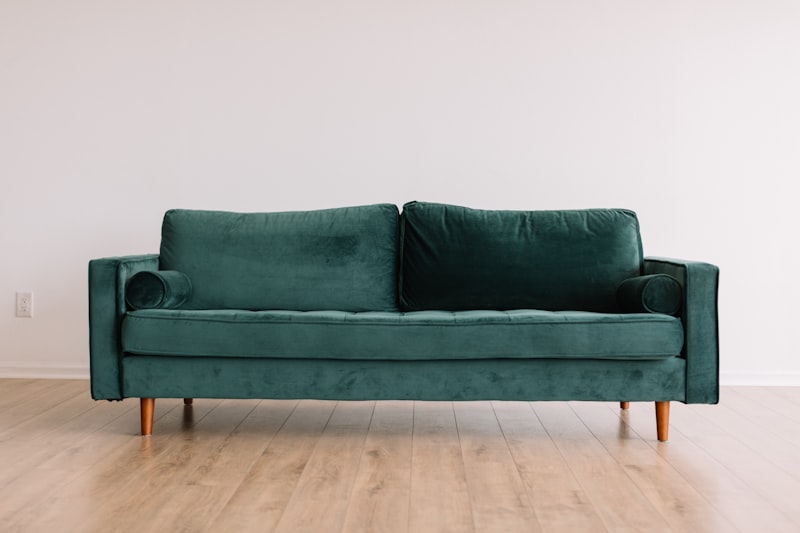
Pick one dominant color that appears in at least 60% of the room. This could be a deep emerald sofa, a rich terracotta wall, or a navy rug. Everything else orbits around this anchor.
## Rule 2: Use the 3-Pattern Rule
Limit yourself to three pattern scales in any visual field: one large (wallpaper or large rug), one medium (throw pillows or curtains), one small (vase pattern or book spines). Mixing more than three scales creates visual noise.
## Rule 3: Repeat Materials
If you use brass in a lamp, repeat it in picture frames, drawer pulls, or a decorative bowl. Material repetition creates visual threads that tie disparate patterns together.
## Rule 4: Gallery Walls with Structure
A maximalist gallery wall looks curated when you use matching frames (all black, all gold, all white). The uniform frames contain the visual energy of diverse artwork.
## Rule 5: One Statement Piece Per Zone
Each seating area or corner gets one hero item — an oversized sculpture, a bold piece of art, an unusual chair. The rest of the zone supports that hero rather than competing with it.
## Rule 6: Layer Textures, Not Just Colors
Maximalism isn't just about color. Layer velvet, leather, wood, metal, glass, and woven textiles. A room with varied textures feels rich even in a limited color palette.
## Rule 7: Edit Ruthlessly
Maximalism is not clutter. After styling, remove 20% of what you've placed. If the room feels slightly bare, add back 10%. The goal is abundance, not excess.
## Rule 8: Use Books as Design Elements
Stack books horizontally and vertically. Use them as risers for objects. Their spines add color and pattern while feeling organic and personal.
## Rule 9: Balance with Breathing Room
Even maximalist rooms need negative space. Leave some wall areas bare, some shelf spaces open, some surfaces clear. These quiet moments make the bold elements pop.
## Common Maximalist Mistakes
- Adding items without a color story
- Using too many competing patterns at the same scale
- Forgetting about lighting (maximalist rooms need layered lighting to show off the details)
- Confusing "more stuff" with "more design"
## Final Thoughts
A well-executed maximalist living room tells a story — your story. Every object, pattern, and color has a reason for being there. Start with your color anchor, build with the 3-pattern rule, and edit with confidence. The result will be a room that feels collected over a lifetime, not assembled in an afternoon.
 How To Start Kitchen Design: A Practical, Step-by-Step Blueprint for Homeowners
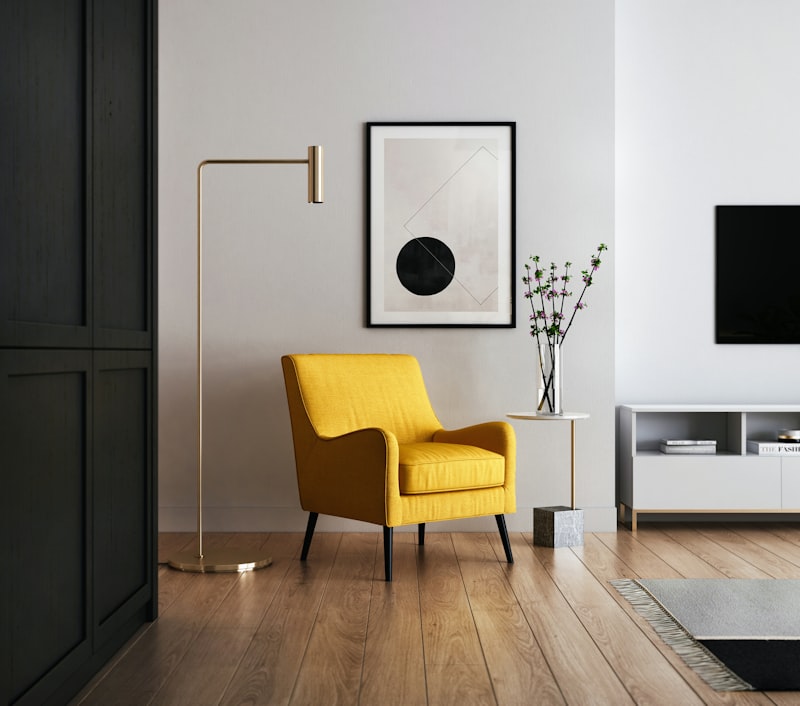 Open-Concept Living Room Furniture Layout: 7 Zones That Actually Work
 Room Bathroom Essentials: Practical, Stylish, and Human-Centered Design for Every Home
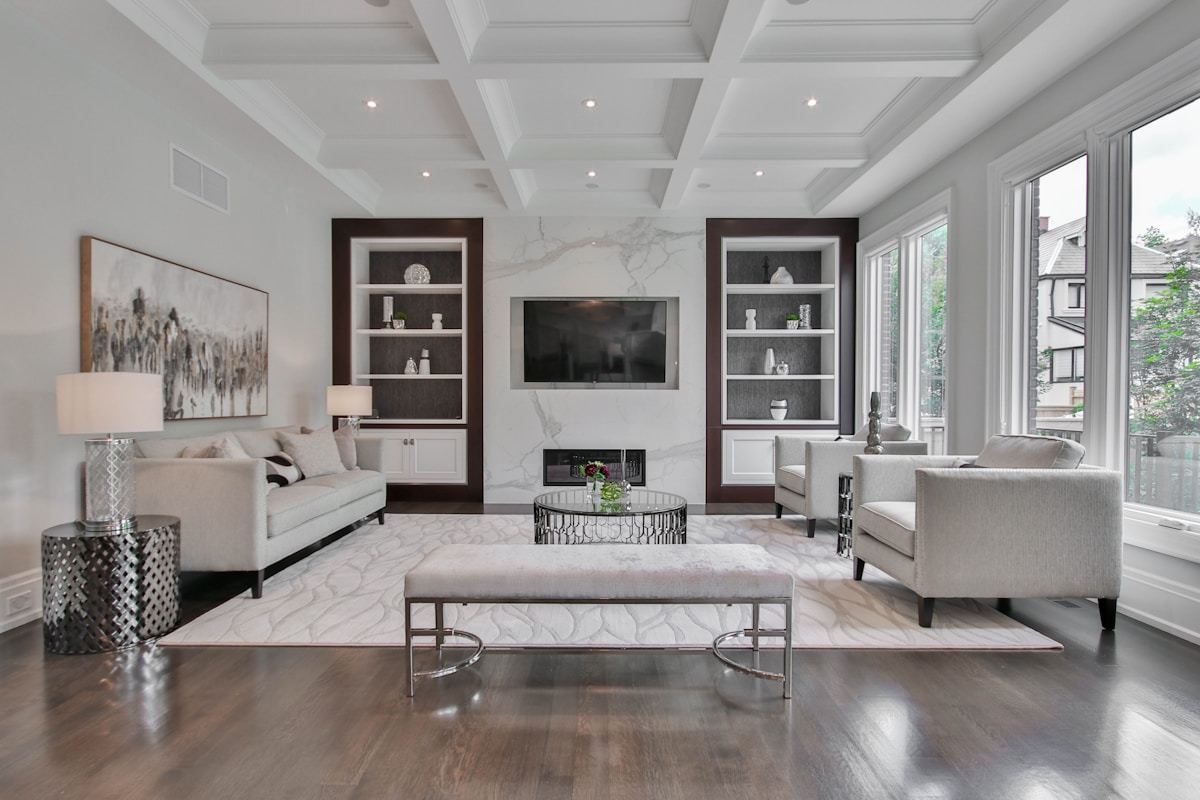 Minimalist Living Room Ideas: 10 Inspiring Spaces (2026)
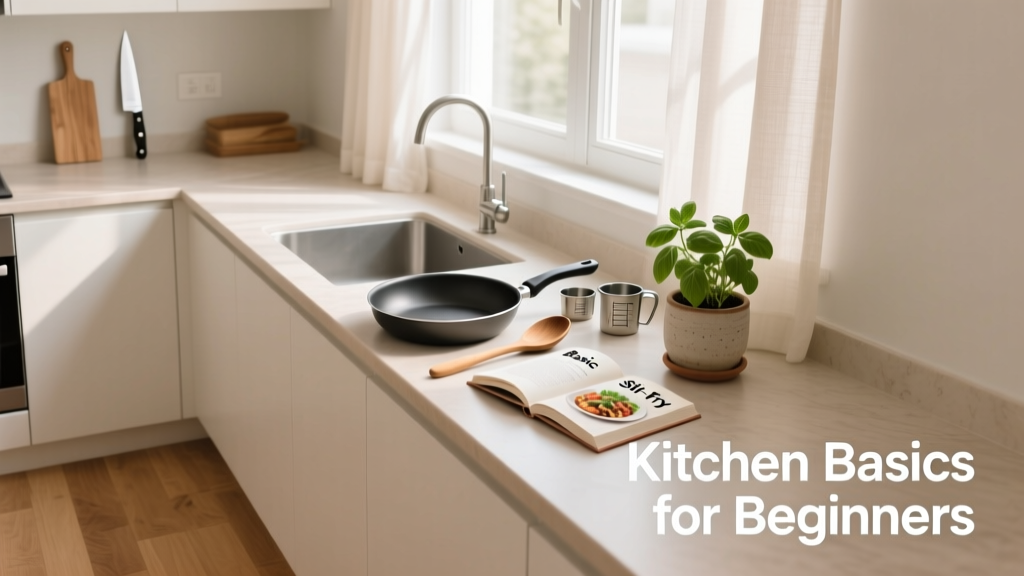 Kitchen For Beginners: Practical Setup, Smart Layouts, and Essential Gear for Your First Real Kitchen
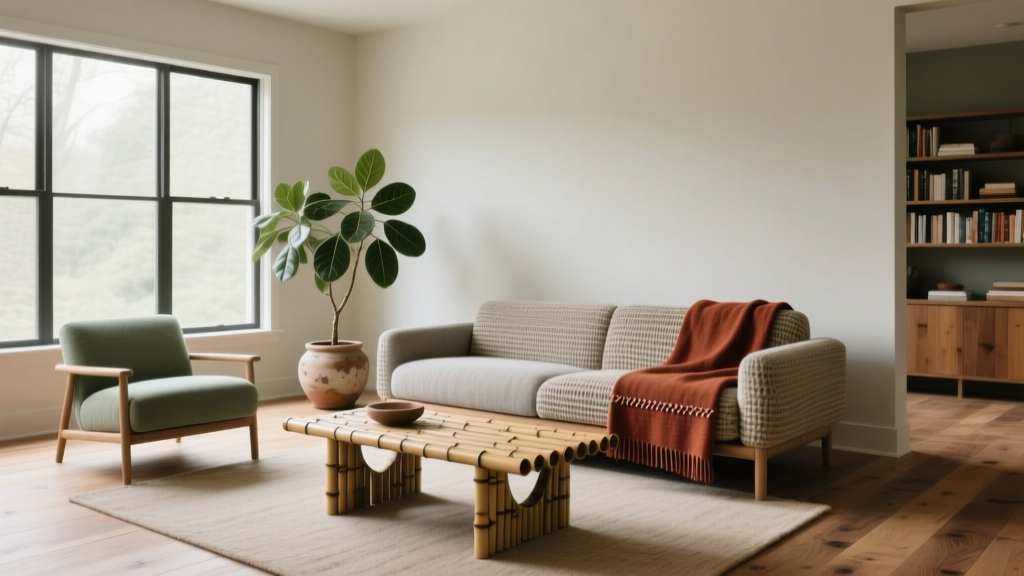 Sustainable Living Room: Eco Materials Without Compromise
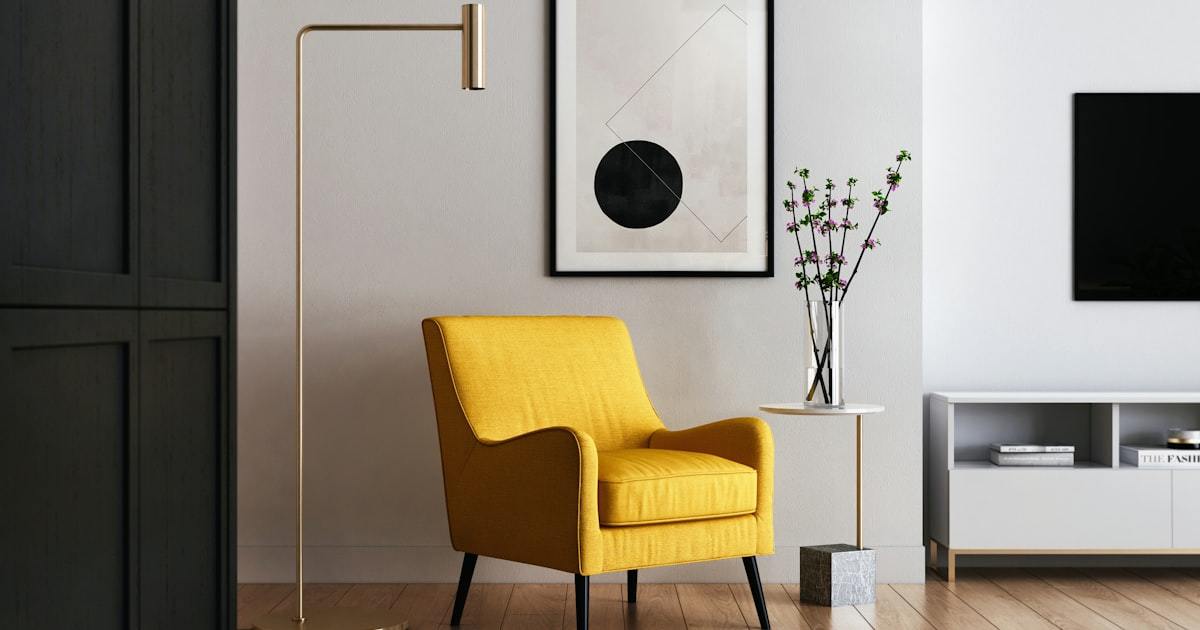 Open-Plan Living with Kids: Zones That Work for Everyone
 Kitchens vs Space: How Square Footage, Layout Efficiency, and Smart Design Shape Real-World Functionality
Cozy Living Room Color Palettes for Fall
Kitchens vs Space: How Square Footage, Layout Efficiency, and Smart Design Shape Real-World Functionality
Cozy Living Room Color Palettes for Fall
 Living Room Rug Sizing Made Simple