Kitchen Color Schemes That Transform Spaces (2026)
Kitchen Color Schemes That Transform Any Space
 James Thornton
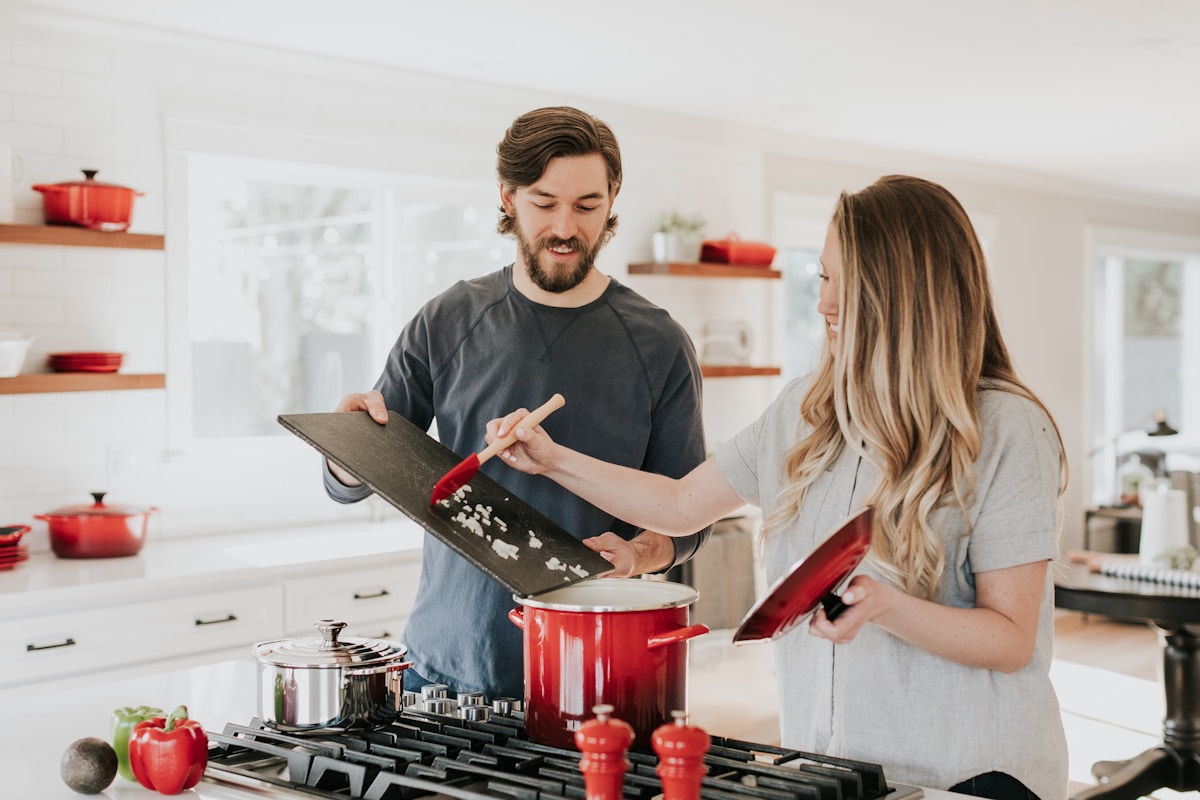
Color is the single most powerful tool in kitchen design. It shapes mood, defines style, and can make a cramped galley feel expansive or a vast open-plan space feel intimate. In 2026, the conversation around kitchen palettes has shifted decisively away from the sterile whites and cool grays that dominated the previous decade. Today's designers are reaching for warmth, personality, and colors that feel lived-in from day one.
According to the National Kitchen & Bath Association's 2026 design forecast, 73% of professional designers now specify warm-toned cabinetry as their first choice for new kitchen projects. The Houzz 2026 Kitchen Trends Report further confirms that searches for "warm kitchen colors" rose 47% year-over-year, while queries for "all white kitchen" dropped 22%. These numbers tell a clear story: homeowners are hungry for kitchens with character.
Why Kitchen Color Matters More Than You Think
The kitchen is no longer just a utilitarian workspace. Over the past fifteen years, it has steadily replaced the living room as the primary gathering space in American homes. A 2025 study by the American Institute of Architects found that 89% of new homebuyers rank the kitchen as the most important room when making a purchase decision. When you spend that much time in a space, the colors surrounding you carry real psychological weight.
Research published in the Journal of Environmental Psychology (2024) demonstrated that warm color environments in food preparation areas increased reported feelings of comfort by 34% compared to cool-toned equivalents. The study, led by Dr. Marina Vasquez at the University of Copenhagen, tracked 1,200 households across four countries over 18 months and found consistent correlations between kitchen color warmth and family meal frequency.
"The kitchen is where color does its most honest work. It's not about following trends -- it's about choosing hues that make people want to gather, stay, and cook together."
-- Sarah Richardson, Color & Space in the Modern Kitchen, 2025
What makes kitchen color particularly complex is the number of surfaces involved. Cabinets alone can account for 60 to 80 percent of visible wall area in a typical kitchen, meaning cabinet color essentially becomes the room's dominant wall color. Countertops, backsplashes, flooring, and appliances each introduce additional color variables that must work in concert.
Terracotta & Warm Earth Tones
Terracotta has emerged as the defining kitchen color of 2026. This sun-baked clay hue bridges the gap between the orange and brown families, offering warmth without the visual heaviness of dark wood or the coldness of pure white. Paint manufacturers have responded aggressively: Sherwin-Williams reported a 62% increase in terracotta-range paint sales for kitchen applications compared to 2024 figures.
What makes terracotta so effective in kitchens is its chameleon-like quality. Under warm morning light, it reads as a rich, inviting amber. By late afternoon, the same surface takes on deeper, more muted tones that feel grounding. This natural shifting quality keeps the space visually alive throughout the day.
The most successful terracotta kitchens pair the color with natural materials that amplify its earthy character:
- Unfinished brass hardware -- develops a patina that deepens the overall warmth over time
- Honed marble or soapstone counters -- their veining and variation add texture without competing
- Open shelving in white oak -- light wood tones prevent the palette from feeling heavy
- Handmade zellige tiles -- surface variation catches light and adds artisanal character
- Linen-textured window treatments -- soften the hard surfaces typical of kitchens
Designer Tip: The 60-30-10 Rule
Apply the classic interior design ratio to your kitchen: 60% dominant color (cabinets or walls), 30% secondary color (counters or island), and 10% accent (hardware, accessories, small appliances). For a terracotta kitchen, this means earth-toned cabinets, neutral counters, and brass accents.
Sage Green & Nature-Inspired Palettes
If terracotta represents the warmth of earth, sage green channels the quiet presence of the natural world. This muted, gray-undertoned green has been gaining traction since 2023, and by 2026 it has firmly established itself as the leading alternative to traditional neutrals in kitchen design.
Benjamin Moore's 2026 Color of the Year, "Quiet Moss," sits squarely in this family, and the company reports that green-toned paints now account for 28% of all kitchen paint sales -- up from just 11% in 2021. The shift reflects a broader cultural movement toward biophilic design, where indoor spaces incorporate elements that connect occupants to the natural environment.
Sage green works beautifully in kitchens because it functions almost as a neutral. Unlike brighter greens that demand attention, sage recedes slightly, creating a calm backdrop that allows other design elements to shine. It pairs naturally with:
- Warm wood tones, especially walnut and cherry
- Cream and off-white surfaces that keep the palette light
- Black or matte dark hardware for contemporary contrast
- Natural stone with green or gold veining
- Living plants as functional decoration -- herb gardens double as ingredients
A notable trend within the sage green movement is the use of tonal layering. Rather than a single flat green, designers are specifying three to four related green tones across different surfaces -- a slightly deeper green on lower cabinets, a lighter version on uppers, and a third tone on the island. This approach adds sophistication without complexity.
Deep Navy & Moody Blues
For kitchens that lean toward the dramatic, navy blue has become the go-to choice. Unlike the bright blues popular in the 1990s and early 2000s, today's navy kitchens use dark, almost-black blues that read as sophisticated rather than playful. Farrow & Ball's "Hague Blue" and "Stiffkey Blue" have become industry shorthand for this aesthetic.
The appeal of navy in kitchen design lies in its ability to create visual depth. Dark colors naturally recede, which paradoxically can make a small kitchen feel larger by blurring the boundaries between surfaces. A 2025 survey by the Kitchen Design Institute found that 41% of designers working in spaces under 120 square feet recommended dark cabinetry to create an illusion of expanded space.
Navy kitchens demand careful attention to lighting and contrast. Without adequate illumination, the darkness can become oppressive rather than enveloping. Successful navy kitchens typically feature:
- Multiple layered light sources -- pendant, under-cabinet, and ambient
- Light countertops that provide a visual break from the darkness
- Reflective surfaces like polished nickel or chrome to bounce light
- At least one light-toned element -- a white ceiling, pale floor, or light backsplash
Two-Tone Cabinet Strategies
Perhaps the most significant development in kitchen color over the past three years is the mainstreaming of two-tone cabinetry. Rather than committing to a single color for all cabinet surfaces, designers now routinely specify different colors for different cabinet groups, creating visual interest and architectural definition within the kitchen.
The most common two-tone configuration pairs a lighter color on upper cabinets with a darker shade on lower cabinets and the island. This arrangement mimics the natural visual weight we expect from built environments -- lighter overhead, heavier at ground level -- creating spaces that feel intuitively balanced.
| Upper Cabinets | Lower Cabinets | Island Color | Style Vibe |
|---|---|---|---|
| Warm White | Sage Green | Natural Wood | Organic Modern |
| Cream | Terracotta | Terracotta | Mediterranean |
| Light Gray | Deep Navy | Deep Navy | Contemporary Classic |
| Off-White | Charcoal | Brass Accent | Industrial Luxe |
| Pale Blue | Forest Green | Natural Oak | Coastal Cottage |
Interior designer Marcus Chen, whose work has been featured in Architectural Digest and Elle Decor, notes that two-tone kitchens have appeared in 64% of his firm's projects over the past two years. "Clients are no longer satisfied with monochromatic kitchens," he wrote in a 2025 industry white paper. "They want spaces that tell a visual story, and color contrast is the most accessible way to achieve that narrative."
Lighting & Color Perception
No discussion of kitchen color is complete without addressing lighting, because light fundamentally changes how color appears. A paint sample that looks perfect in the showroom can shift dramatically once installed in your specific kitchen environment. This is not a minor consideration -- it is the difference between a color that works and one that falls flat.
The color temperature of your light bulbs, measured in Kelvins, plays a decisive role. Bulbs rated at 2700K-3000K produce warm, yellow-toned light that enhances red and orange undertones while muting blues and greens. Bulbs at 4000K-5000K produce neutral to cool light that renders colors more accurately but can make warm tones feel washed out.
For kitchens, the recommendation from lighting designer Rachel O'Connor (2025, Lighting Design Quarterly) is to use a mixed approach: 3000K ambient lighting for general warmth, combined with 4000K task lighting over work surfaces for accurate color rendering during food preparation. Natural daylight, which ranges from 5000K to 6500K, should be factored into any color decision by viewing samples at different times of day.
Testing Your Kitchen Colors
Always test paint samples and material swatches in the actual kitchen space over a minimum of three days. View them in morning light, midday sun, and evening artificial lighting. Colors can shift by an entire shade family depending on the light source. This simple step prevents the most common kitchen color mistake: choosing a beautiful color that only looks beautiful in the store.
Budget-Friendly Color Updates
A full kitchen color transformation does not require a full renovation. Some of the most striking color changes come from targeted updates that cost a fraction of a complete remodel. For homeowners working with limited budgets, the following approaches deliver maximum visual impact for minimum expenditure:
- Cabinet painting or refacing -- Costs 60-70% less than full cabinet replacement. A weekend project with proper preparation can yield professional results.
- Backsplash replacement -- Updating just the backsplash area introduces a new color accent that ripples through the entire kitchen's visual composition.
- Hardware swaps -- Changing pulls, knobs, and faucet finishes from chrome to brass or from black to nickel shifts the color temperature of the entire room for under $200.
- Open shelving -- Removing a few upper cabinet doors (or replacing cabinets with open shelves) introduces wood tones and display opportunities that warm up the palette instantly.
- Textile additions -- Window treatments, bar stools with colored upholstery, and even a well-chosen rug can introduce color layers that feel intentional and designed.
Paint consultant David Moreau, author of The Color-First Kitchen (2025), emphasizes that the most budget-conscious color update is often the most effective: "A single gallon of well-chosen paint, applied to the right surface, can change the entire character of a kitchen. The key is identifying which surface will carry the most visual weight -- usually the cabinets -- and investing your color budget there."
The kitchen color landscape of 2026 rewards boldness tempered with thoughtfulness. Whether you gravitate toward the earthy warmth of terracotta, the quiet confidence of sage green, the drama of deep navy, or the architectural interest of two-tone schemes, the guiding principle remains the same: choose colors that make you want to be in your kitchen. After all, the best-designed kitchen is the one you actually enjoy using.
More Articles
 Built-In Pet Feeding Station: Kitchen Design Integration
 Family Kitchen Zoning: Separate Prep, Cook, and Cleanup Areas
 How To Organize Ideas: A Practical System for Designers, Architects, and Creative Professionals
 Best Kitchen Backsplash Ideas for 2026 Homes
 Best Space Outdoor: Designing High-Functionality, Aesthetic, and Sustainable Outdoor Living Areas
 Summer Kitchen Refresh: The Complete Countertop Makeover Guide for 2026
 The Best Bedroom Built: Precision, Performance, and Human-Centered Design
 Practical Kitchen Design Solutions for First-Time Homeowners and Renovators
 How To Start Outdoor: A Practical, Step-by-Step Guide to Building a Functional and Beautiful Outdoor Kitchen
 Cheap vs Premium Space: How Strategic Square Footage Decisions Shape Kitchen Function, Value, and Daily Life