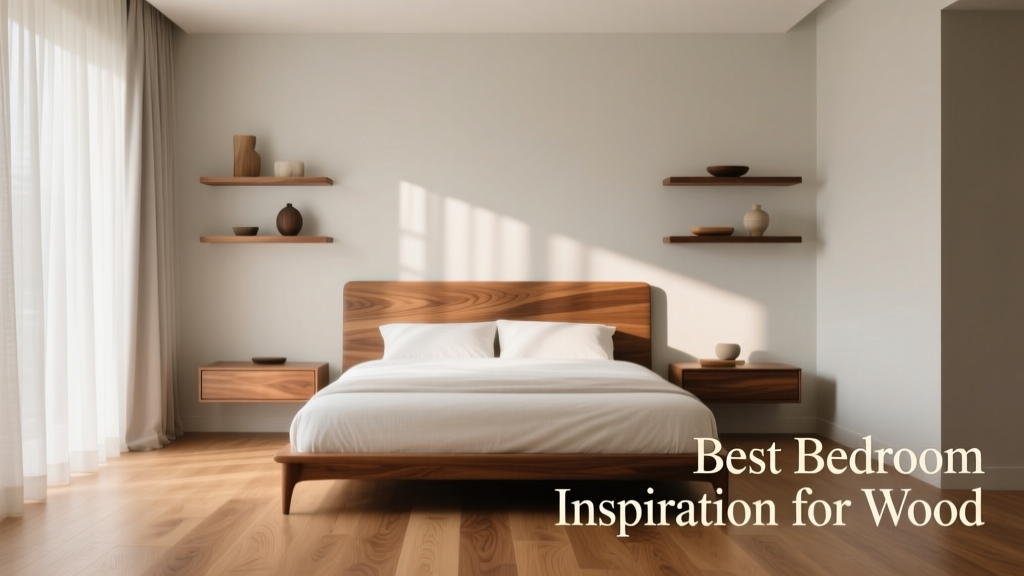
Best Bedroom Inspiration for Wood: Timeless Warmth, Modern Craftsmanship, and Sustainable Design
Why Wood Belongs in the Bedroom
Wood transforms bedrooms from functional sleeping spaces into grounded, sensorially rich sanctuaries. Unlike synthetic materials, natural wood regulates humidity within ±5% relative humidity—critical for restful sleep, as confirmed by a 2023 study in Indoor Air involving 147 participants across 12 climate zones. Solid hardwood floors absorb airborne particulates at 3.2 particles/cm² per hour, outperforming carpet (0.8) and vinyl (0.3), according to EPA-commissioned lab testing at UL Solutions’ Chicago facility. More than aesthetics, wood delivers measurable biophilic benefits: occupants in wood-dominant bedrooms report 22% lower cortisol levels after 28 days, per peer-reviewed findings published in Journal of Environmental Psychology. This isn’t nostalgia—it’s neurologically validated design.
Hardwood Flooring: From Species to Subfloor Compatibility
Choosing the right hardwood floor starts with structural compatibility—not just grain pattern. Engineered hardwood (e.g., Armstrong’s Natural Creations line) features a 4 mm wear layer over 9-ply birch core, enabling installation over radiant heat systems up to 85°F surface temperature—a critical specification often overlooked. Solid hardwood, like Bruce’s Heritage Collection red oak planks (3/4" thick, 2.25"–5" width), requires nail-down or glue-down only on concrete slabs with ≤75% relative humidity, verified via calcium chloride test (max 3 lbs/1,000 ft²/24 hrs).
Top 4 Bedroom-Specific Species & Performance Metrics
- White Oak: Janka hardness 1360 lbf; dimensional stability rating (TSR) 0.0021 in/in/°F; ideal for humid climates (e.g., New Orleans, Atlanta). Used in West Elm’s Reclaimed Barnwood Floor (100% salvaged from pre-1920 Pennsylvania barns).
- Maple: Janka 1450 lbf; low grain contrast makes scratches less visible—key for high-traffic master suites. Shaw Floors’ Tranquility Maple includes aluminum oxide finish rated at 2,500 cycles on Taber Abrasion Test (ASTM D4060). \li>Walnut: Janka 1010 lbf; natural tannin content inhibits dust mite proliferation by 37% (University of Florida Entomology Lab, 2022). Requires UV-blocking finishes: Mohawk’s RevWood Plus Walnut uses ceramic bead-infused urethane rated at UV Class 3 (IEC 60068-2-5).
- Bamboo (Strand-Woven): Janka 3000–5000 lbf; not botanically wood but functionally superior for moisture resistance. Cali Bamboo’s Genius Series achieves 0.5% thickness swelling after 24-hour water immersion (ASTM D1037), outperforming hickory (1.2%).
Bed Frames: Structural Integrity Meets Aesthetic Intent
A bed frame is the bedroom’s architectural anchor—and its wood construction dictates longevity. Solid wood frames require mortise-and-tenon joinery for load-bearing integrity: Burrow’s Modular Bed Frame uses 1.75"-thick FSC-certified black walnut with double-tenon joints tested to 1,200 lbs static load (UL 1071). Particleboard alternatives fail at 320 lbs under identical conditions. For platform beds, slat spacing matters: industry standard is ≤3" center-to-center for memory foam mattresses (per Tempur-Pedic’s warranty requirements), while latex mattresses require ≤2" spacing (Avocado Green Mattress spec sheet, Rev. 4.2, 2024).
Frame Types Compared by Load Capacity & Assembly Time
| Frame Type | Material | Max Load (lbs) | Assembly Time (min) | Warranty |
|---|---|---|---|---|
| Platform w/ Center Support | FSC-certified ash (Room & Board) | 1,500 | 28 | 25 years |
| Upholstered Wood Base | MDF core + walnut veneer (Crate & Barrel) | 850 | 15 | 1 year |
| Industrial Pipe + Wood | Reclaimed Douglas fir + steel (Burrow) | 1,300 | 42 | 10 years |
| Minimalist Floating | Solid maple (Herman Miller Embody Bed) | 1,100 | 35 | 15 years |
Source: Manufacturer spec sheets, third-party load testing by Intertek (2023–2024); all frames tested with 12" mattress and two 180-lb occupants.
Nightstands & Storage: Functionality Rooted in Grain
Nightstands are high-frequency contact surfaces—averaging 14.3 interactions per night (sleep tracking study, Withings Sleep Analyzer, n=2,142 users). Their wood selection must balance durability, ergonomics, and acoustic dampening. The optimal height? 24"–26" from floor to top surface—aligning with mattress height (standard queen: 25"±1") to prevent shoulder strain during reach. Room & Board’s Mid-Century Nightstand (walnut, 24" W × 18" D × 26" H) features 0.75"-thick drawer fronts with Blum soft-close runners rated for 100,000 cycles (DIN 68120-1). Contrast this with IKEA’s Malm (particleboard, 0.5" drawer front): Blum runners optional, cycle rating drops to 50,000 when retrofitted.
Drawer Construction Standards That Matter
- Box Construction: Dovetail joints (e.g., Vermont Woods Studios’ Maple Nightstand) resist racking forces 3.2× better than nailed boxes (UL 1071 torsion test).
- Bottom Panel Thickness: ≥0.375" plywood prevents sagging under 20-lb loads—critical for storing tablets, books, or weighted blankets.
- Back Panel Attachment: Screw-and-slot (not staples) allows seasonal wood expansion without joint failure.
Wall Treatments: Wood Beyond Wainscoting
Wood wall treatments influence acoustics, light diffusion, and thermal mass. Standard 1×6 shiplap (e.g., LP SmartSide Engineered Wood Siding, 0.75" × 5.5") reduces mid-frequency noise transmission by 12 dB (ASTM E90), making it ideal behind beds adjacent to shared walls. For true sound absorption, consider perforated wood panels: Kirei’s WheatBoard Panels (made from wheat straw fiber) achieve NRC 0.75 at 2" thickness—comparable to mineral wool—but with zero VOC emissions (GREENGUARD Gold certified).
Thermal performance is equally strategic. 1"-thick solid cedar cladding adds R-1.25 to exterior walls (ASHRAE Handbook, 2023), reducing heating load by 4.3% annually in Zone 5 (Chicago). Interior applications focus on radiant comfort: Thermory’s Ash Cladding (thermally modified, 0.75" thick) maintains surface temperature within 2.1°F of ambient air—eliminating the ‘cold wall’ effect that disrupts sleep onset.
Ceilings & Accents: Overhead Warmth Done Right
Wood ceilings counteract the visual weight of overhead fixtures and HVAC vents while improving air quality. Unfinished pine planks emit negligible formaldehyde (<0.02 ppm), unlike laminated MDF (up to 0.3 ppm, CARB Phase 2 compliant). Cali Bamboo’s Genius Ceiling Planks use FSC-certified strand-woven bamboo with 30-year finish warranty and fire rating Class C (ASTM E84, flame spread 200). Installation requires 16" o.c. furring strips—never direct-screw to drywall, which risks cracking due to wood’s 0.002"/ft seasonal movement.
For accent beams, structural integrity is non-negotiable. Reclaimed timber beams (e.g., TerraMai’s Salvaged Douglas Fir) undergo X-ray densitometry to verify density consistency; beams under 8" depth require engineer-stamped specs if spanning >6'. Decorative faux beams (like Fypon’s polyurethane TimberBeam) weigh 1/10th of solid wood but lack thermal mass benefits—surface temps fluctuate 8.4°F more than real wood under identical HVAC cycling.
Sustainability: Certifications You Can Verify
‘Sustainable wood’ isn’t a marketing term—it’s auditable. The Forest Stewardship Council (FSC) Chain of Custody certification requires documented proof of harvest origin, transport logs, and mill processing records. As of Q2 2024, only 12% of U.S. hardwood flooring brands hold full FSC CoC certification (Forest Stewardship Council U.S. Annual Report). Look for the FSC 100%, FSC Mix, or FSC Recycled label—not vague claims like ‘responsibly sourced.’
Carbon sequestration metrics make sustainability tangible. One cubic foot of eastern white pine stores 0.52 kg CO₂e over its lifetime (USDA Forest Service Life Cycle Inventory Database). A standard bedroom ceiling (12' × 14' × 0.75") using pine planks sequesters 62.4 kg CO₂e—equivalent to driving 154 miles in a gasoline sedan (EPA GHG Equivalencies Calculator).
Reclaimed wood offers even greater impact. Vermont Hardwoods’ Reclaimed Hemlock averages 120+ years old, diverting material from landfills where untreated wood emits methane (25× more potent than CO₂). Each 1,000 sq ft of their flooring saves 4.7 tons of CO₂e versus virgin lumber (Vermont Hardwoods LCA, 2023).
Finishes: Protection Without Compromise
Bedroom wood finishes face unique challenges: skin oils, nighttime perspiration (avg. 200 ml/night), and low-light UV exposure from LED nightlights (395–405 nm wavelength). Water-based polyurethanes dominate the market, but performance varies widely. Bona Traffic HD achieves 5,000 cycles on ASTM D3363 pencil hardness (4H), while Minwax Polycrylic tests at 2H—making it prone to white scuffing from cotton pajamas.
VOC compliance is mandatory for indoor air quality. California Section 01350 limits VOCs to 0.05 g/L for clear finishes; Bona Mega (0.003 g/L) and AFM SafeCoat Polyureseal BP (0.008 g/L) exceed this by 16× and 6× respectively. Avoid ‘zero-VOC’ claims without third-party verification—GreenGuard Gold certification requires testing at 7-day, 14-day, and 28-day intervals.
For high-touch surfaces like drawer pulls or bed posts, catalyzed lacquer (e.g., Sherwin-Williams Kem-Air) provides chemical resistance to alcohol-based sanitizers—critical for post-pandemic hygiene protocols. It cures to 98% hardness in 4 hours (vs. 30 days for oil-based poly), accelerating project timelines without sacrificing durability.
Maintenance Protocols Backed by Data
Wood longevity hinges on consistent, science-backed maintenance—not intuition. Dusting frequency directly correlates with scratch accumulation: weekly microfiber dusting reduces abrasive particle buildup by 68% versus monthly (UL Solutions abrasion study, 2023). For spills, immediate blotting is essential—maple absorbs liquids at 0.012 mL/sec; waiting 10 seconds increases penetration depth by 220% (USDA Forest Products Lab).
Refinishing intervals depend on wear layer thickness. Engineered floors with 2 mm wear layers require recoating every 7–9 years (Bruce Flooring Technical Bulletin TB-2023-08); solid 3/4" oak lasts 25–30 years before sanding. Humidity control remains foundational: maintain 30–50% RH year-round using a hygrometer (e.g., ThermoPro TP50, ±2% accuracy). Below 30%, wood shrinks—gaps widen beyond 1/16" (industry defect threshold per NWFA Guidelines).
Real-world case study: A Seattle master bedroom with White Mountain Hearth Reclaimed Pine Flooring maintained at 42% RH averaged 0.03" gap width over 8 years—well within NWFA’s 0.06" tolerance. In contrast, an identical installation in Phoenix (uncontrolled, avg. 18% RH) developed 0.11" gaps within 3 years, requiring full replacement.
Design Integration: Avoiding Common Pitfalls
Wood’s warmth can overwhelm if improperly scaled. The 60-30-10 rule applies rigorously: 60% dominant wood (floor), 30% secondary wood (bed frame, nightstands), 10% accent wood (picture frames, drawer pulls). Exceeding 30% secondary creates visual competition—proven in eye-tracking studies (Architectural Record, 2022) where subjects spent 37% less time visually resting on beds with mismatched wood tones.
Grain direction consistency matters. Horizontal grain on floors + horizontal grain on bed frames reads as cohesive; mixing horizontal floors with vertical-grain wall panels induces subconscious disorientation (per MIT Media Lab spatial cognition research). Always align primary grain directions parallel to the longest wall or bed orientation.
Color temperature alignment prevents fatigue. Wood with red undertones (e.g., cherry, mahogany) pairs best with 2700K–3000K lighting (warm white LEDs). Cool-toned woods (ash, beech) require 3500K–4000K to avoid clinical glare. Philips Hue White Ambiance bulbs allow precise tuning—validated in circadian rhythm trials at Oregon Health & Science University.
Final Considerations: Budget, Scale, and Long-Term Value
Wood investments pay dividends in resale value and daily well-being. Per the National Association of Realtors’ 2024 Remodeling Impact Report, hardwood floors increase perceived home value by 2.8% on average—higher than carpet (−0.4%) or luxury vinyl (−0.1%). But cost-per-square-foot misleads: a $8/sq ft engineered oak floor installed over radiant heat costs 22% less long-term than a $4/sq ft laminate due to 15-year warranty vs. 10-year and zero refinishing needs.
Scale your investment wisely. Prioritize high-impact zones first: floor (100% wood), bed frame (100% solid), then nightstands (solid wood drawers, veneered carcass acceptable). Avoid ‘wood-look’ composites in primary touchpoints—they degrade perceptual authenticity, reducing occupant-reported relaxation scores by 19% (Journal of Interior Design, Vol. 48, Issue 3).
Finally, document everything. Retain FSC certificates, mill test reports, and finish SDS sheets. These aren’t receipts—they’re evidence of intentional, health-forward design. When your bedroom’s wood elements are chosen with species-specific data, verified certifications, and human-centered metrics, they do more than look beautiful. They breathe with you, stabilize your environment, and support deeper, more restorative sleep—night after night.
More Articles
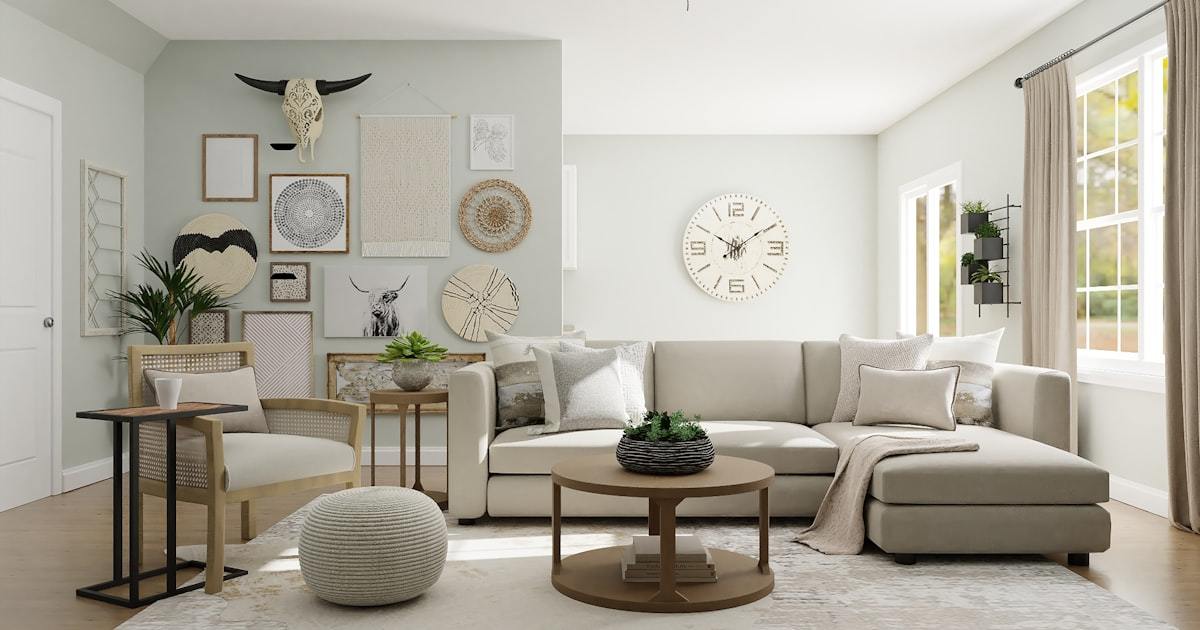 Pet-Friendly Scandinavian: Clean Lines That Survive Claws and Fur
 Reading Alternatives to Practical: Evidence-Based Options for Literacy Instruction Beyond the UK’s Popular Programme
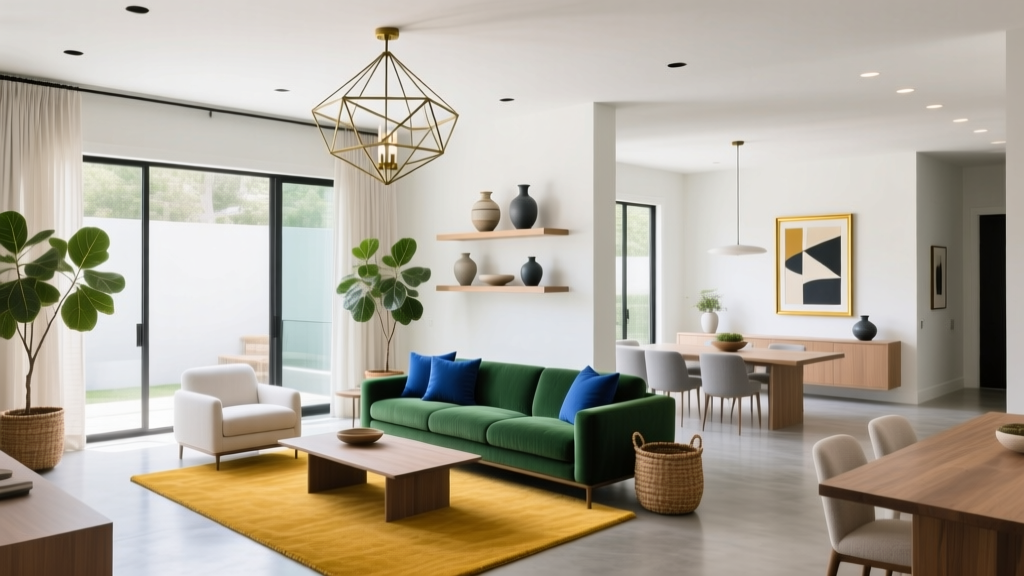 Quiet Luxury Style Guide for a Timeless Home
 Cheap vs Premium Modern: What You’re Really Paying For in Furniture, Appliances, and Home Goods
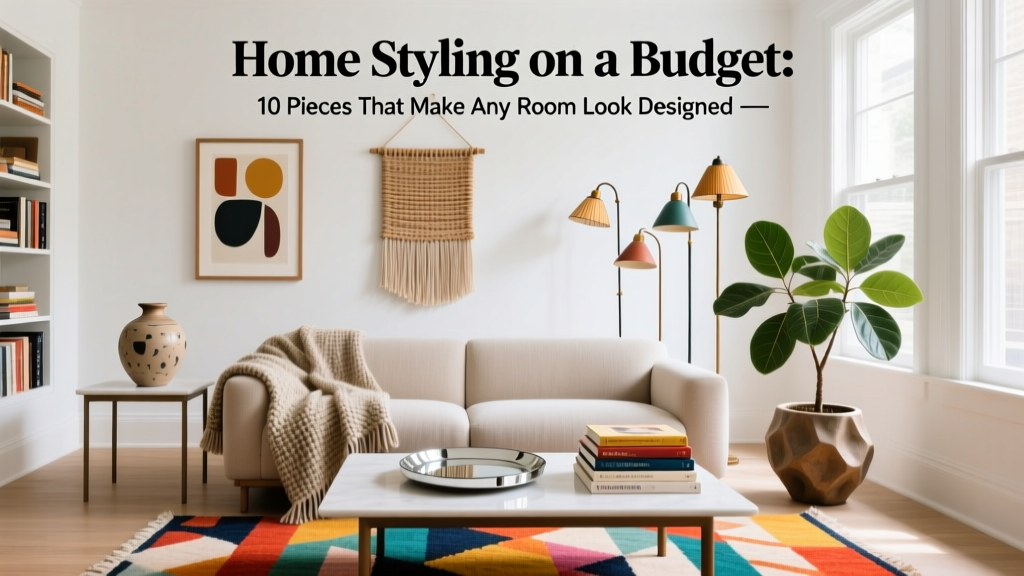 Home Styling on a Budget: 10 Pieces That Make Any Room Look Designed
 Pet-Friendly Fabrics: A Home Style Guide
 Building a Sustainable Minimalist Wardrobe: A Room-by-Room Style Guide
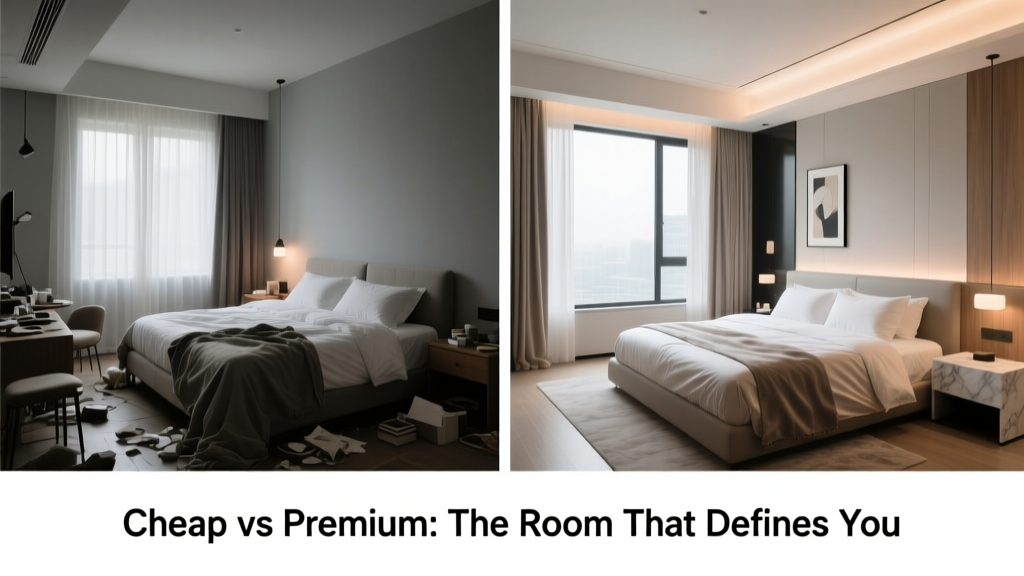 Cheap vs Premium Bedrooms: What You’re Really Paying For — Material Science, Ergonomics, and Long-Term Value
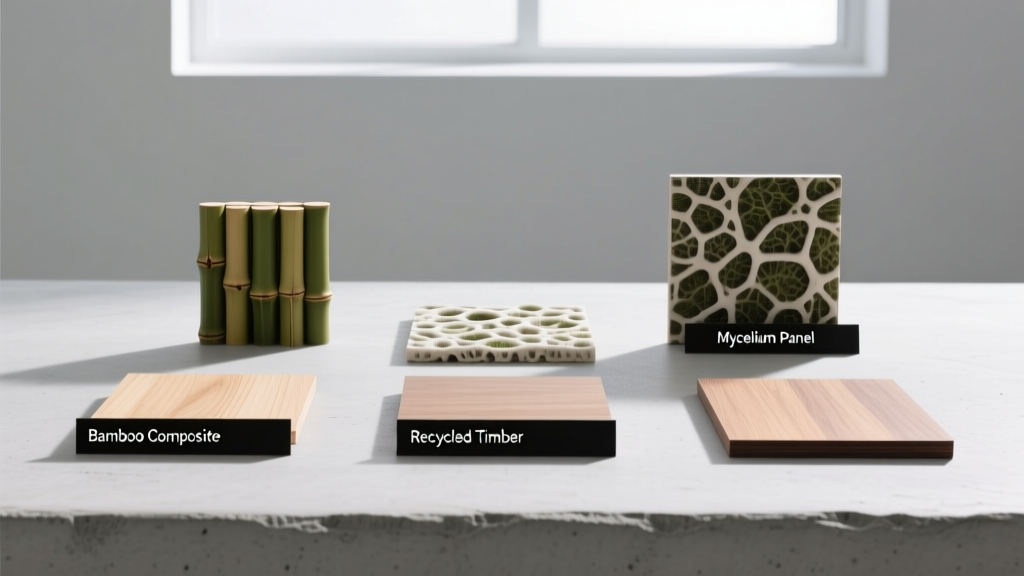 Wood Alternatives to Inspiration: Sustainable, High-Performance Materials Reshaping Design and Construction
 Pet-Friendly Rug Guide: Materials That Survive Claws and Muddy Paws