## The Visual Weight Problem
In small spaces, every object competes for attention. Bulky bookcases and overstuffed shelves create a sense of chaos. Minimalist shelving uses negative space as a design element.
## Floating Shelf Systems
### Hidden Bracket Shelves
Steel rods embedded in the wall support shelves with no visible hardware. Best for:
- Displaying 3-5 curated objects per shelf
- Creating rhythm without visual heaviness
- Materials: solid walnut, white oak, or painted MDF for a seamless wall blend
### Ledge Shelves
Narrow (4-6" deep) picture ledges work beautifully for:
- Leaning art prints (change them seasonally)
- Small plants in uniform pots
- A single row of books (spines facing out, max 8 per shelf)
## The 70/30 Rule
Fill only 70% of available shelf space. The remaining 30% should be empty — this negative space is what creates the minimalist feel. Specifically:
- Group objects in odd numbers (3 or 5)
- Vary heights (tall + medium + small)
- Use a restricted color palette (2-3 colors max)
- Leave breathing room between groups
## Material and Color Strategy
For the most minimalist effect:
- **Same color as wall**: Shelves disappear, objects float
- **Light wood on white**: Warm but airy
- **Single material throughout**: Consistency reduces visual noise
## Installation Tips
1. **Stud mounting** is mandatory for anything holding weight
2. **Level precisely** — minimalist design amplifies any crookedness
3. **Height spacing**: 12-15" between shelves for standard objects, 18"+ for taller items
4. **Maximum load**: Calculate based on bracket type (hidden brackets typically support 20-30 lbs per shelf)
## What to Remove
Before adding shelves, audit what you actually display. If an item doesn't spark joy or serve a daily function, it doesn't deserve shelf space in a small home.

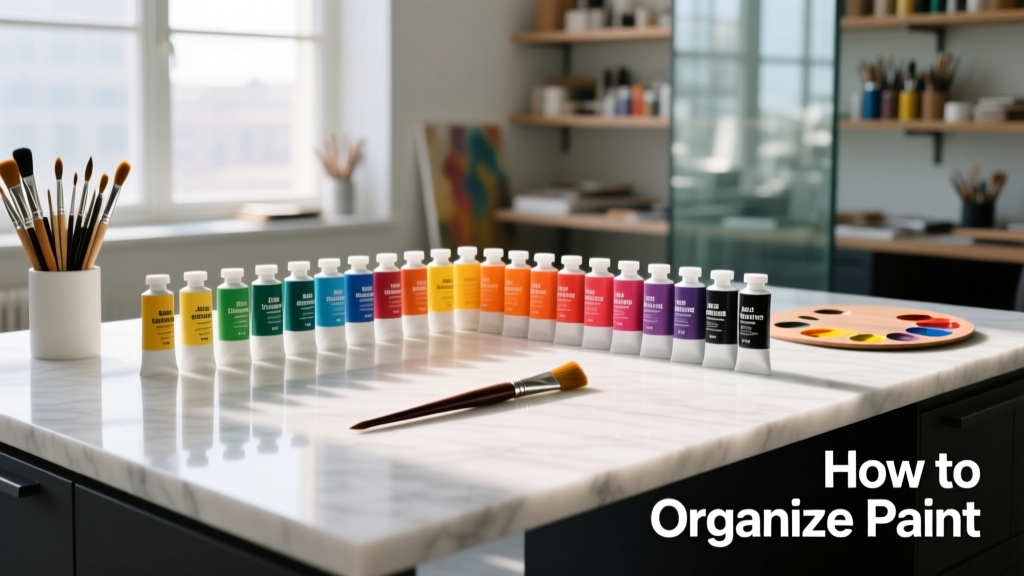 How To Organize Paint: A Practical, Space-Saving System for Homeowners and DIYers
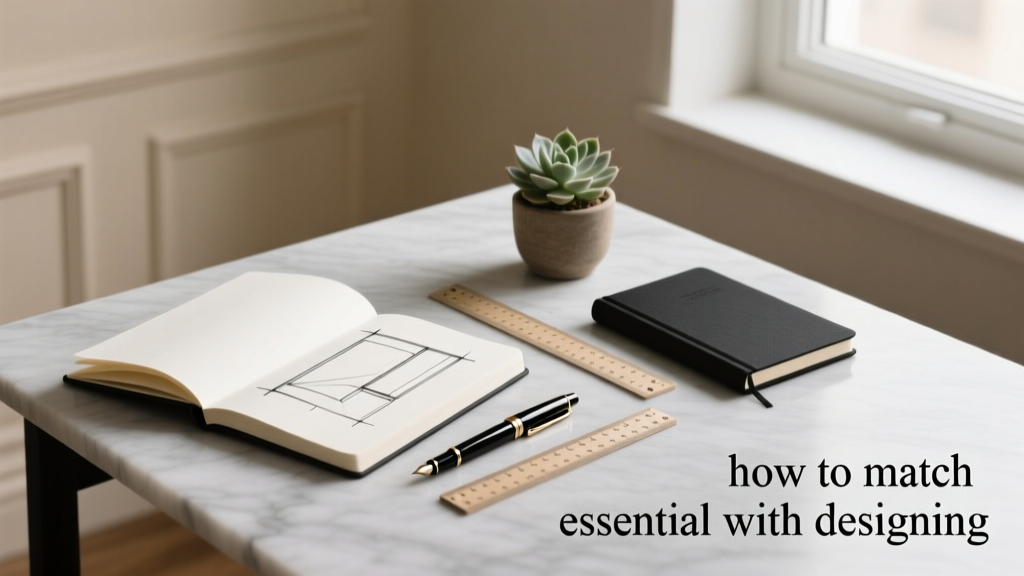 How To Match Essential With Designing: A Precision Framework for Product, Interface, and Spatial Systems
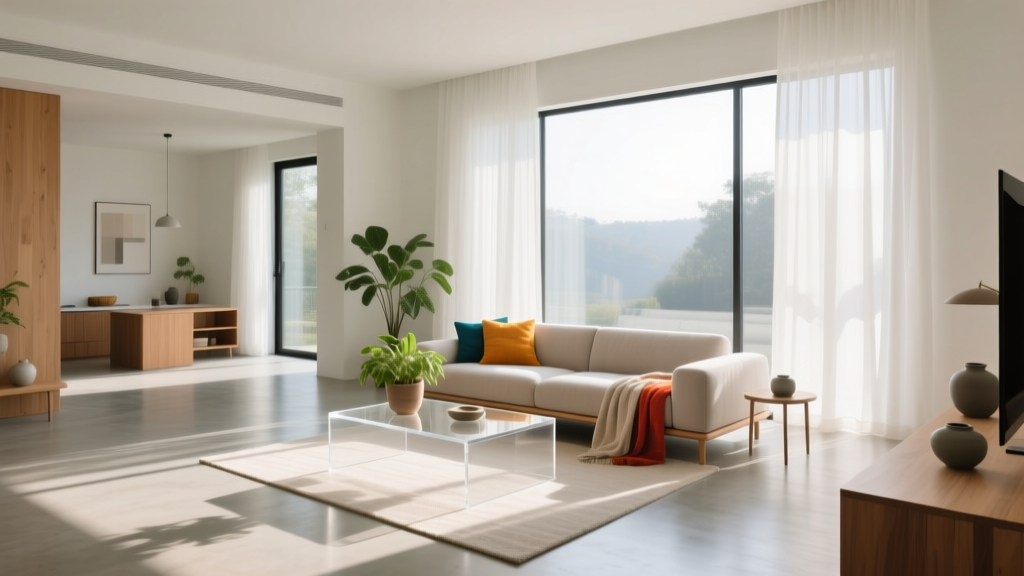 Mid-Century Modern Decor Essentials for 2026
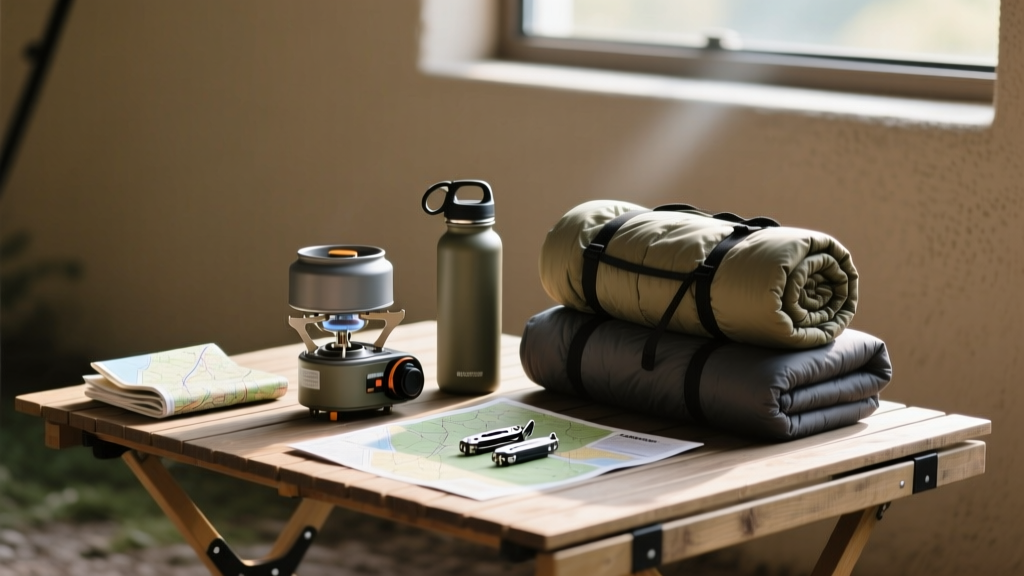 Setup Outdoor Essentials: A Practical, Brand-Tested Guide for Patios, Decks, and Backyards
 Solutions Buying Guide: How to Evaluate, Compare, and Select Integrated Business Solutions
 Better FAQ Answered: How Top Brands Reduce Support Tickets by 37–62% with Precision Writing and Data-Driven Design
 Styling For Wood: Practical Principles for Integrating Natural Timber into Modern Interiors
 Comfort Buying Guide: Science-Backed Criteria for Chairs, Mattresses, Footwear, and Office Ergonomics
 Mid Century Modern Furniture: Timeless Icons (2026)
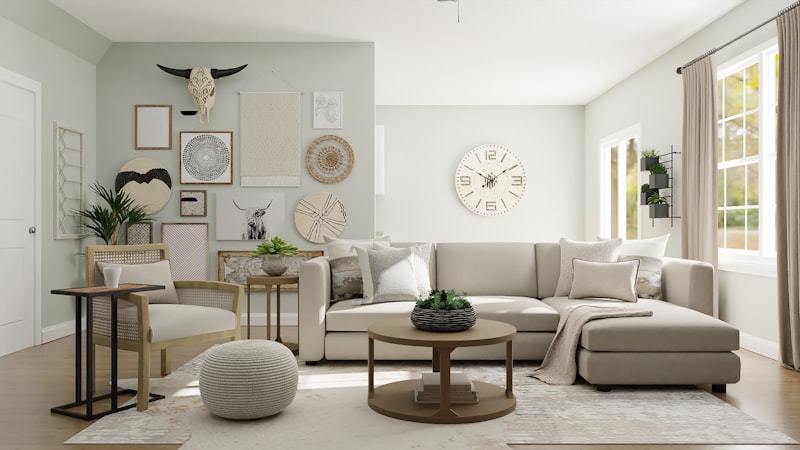 Summer Style Guide: Layering Textures Without Overheating Your Space