
Farmhouse Kitchen Decor: Rustic Meets Modern (2026)
Farmhouse Kitchen Decor: Rustic Meets Modern
 Sarah Chen
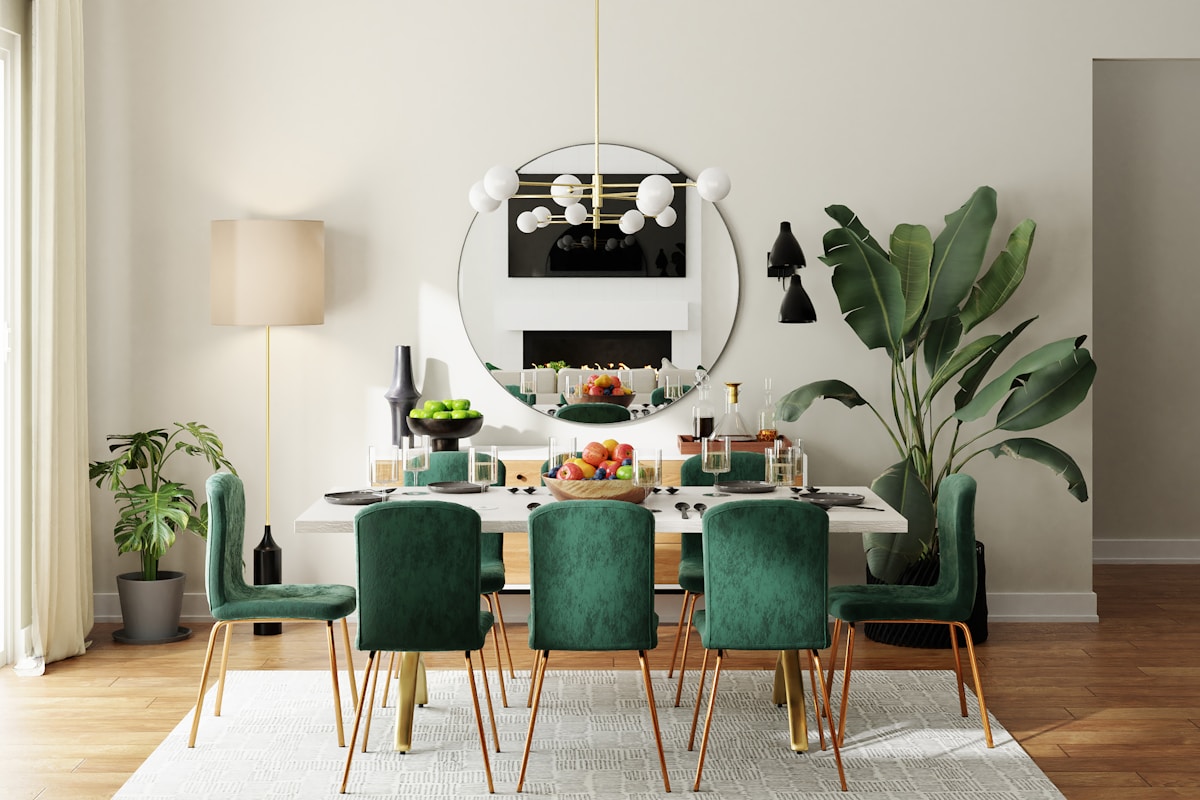
The modern farmhouse kitchen has endured as one of the most popular interior design styles for good reason. It marries the warmth and character of rural living with the clean lines and functional conveniences of contemporary design. The result is a kitchen that feels both lived-in and polished, where a handcrafted wooden cutting board sits comfortably beside a precision-engineered espresso machine.
Getting this balance right requires intention. Too much rustic, and the space tips into costume territory. Too much modern, and you lose the warmth that makes farmhouse style so inviting. The sweet spot lies in the deliberate tension between old and new. A reclaimed wood island paired with matte black hardware. Shiplap walls framing a sleek stainless-steel range. Linen curtains softening the geometry of handleless cabinetry. These pairings create a kitchen with depth and personality.
The Essence of Modern Farmhouse Style
Modern farmhouse style draws from the practical, unpretentious aesthetic of rural American homes. Think wide-plank floors, apron-front sinks, exposed beams, and cabinetry with simple profiles rather than ornate detailing. The modern interpretation strips away the heavy, dark tones that dominated traditional farmhouse design in favor of lighter, airier spaces that feel open and welcoming.
The key is restraint. A farmhouse kitchen should have two or three strong rustic anchor pieces, not a dozen competing ones. Choose your statement: maybe it is a substantial reclaimed wood island, or a dramatic apron-front sink with a bridge faucet, or exposed ceiling beams stained in a warm walnut tone. Once you have identified your anchor, everything else plays a supporting role. The supporting cast should be clean, simple, and modern. This is what prevents the room from feeling like a theme park version of country living.
Architectural elements matter enormously. If your kitchen has original hardwood floors, refinish them rather than covering them. If your ceilings are high enough, consider adding tongue-and-groove paneling or exposed beams. These elements provide the bones of farmhouse character, which is far more authentic than buying distressed decor from a big-box store.
Color Palettes That Ground the Room
Farmhouse kitchens thrive on restrained, natural color palettes. The foundation is almost always white or near-white walls and cabinetry. This does not mean sterile, clinical white. Think warm whites with subtle undertones of cream, oat, or soft gray. These tones reflect light beautifully while providing a neutral backdrop that lets wood tones and metal finishes shine.
From this foundation, layer in accent colors drawn from nature. Sage green cabinetry on a lower island or pantry wall adds depth without overwhelming the space. Navy blue has become a popular choice for lower cabinets, particularly when paired with white uppers and brass hardware. Both colors evoke the outdoors and pair naturally with the wood and stone materials that define farmhouse aesthetics.
| Element | Recommended Colors | Effect |
|---|---|---|
| Walls | Warm white, soft cream, oat | Bright, airy foundation |
| Upper cabinets | White, light gray, pale sage | Keeps room feeling open |
| Lower cabinets / Island | Navy, forest green, charcoal | Grounds the space visually |
| Hardware | Matte black, aged brass, oil-rubbed bronze | Contrast and character |
| Backsplash | White subway, handmade tile, marble | Texture and subtle pattern |
Do not overlook the power of natural wood tones. A butcher block countertop on the island, open shelves in white oak, or a dining table in reclaimed pine introduces warmth that paint alone cannot achieve. The trick is keeping wood tones within the same temperature family. Mix cool and warm woods carelessly, and the room starts to feel scattered rather than layered.
Mixing Materials: Wood, Metal, and Stone
Material variety is what gives farmhouse kitchens their tactile richness. A well-designed space incorporates at least four distinct materials: wood, metal, stone, and textile. The wood provides warmth. Metal adds structure and visual punctuation. Stone brings permanence and natural variation. Textiles soften the overall composition.
For wood, choose species with visible grain character. White oak, walnut, and hickory all have the pronounced grain patterns that read as authentically rustic. Avoid overly uniform woods like maple or birch for prominent pieces, as their smooth grain reads more contemporary than farmhouse.
Metal finishes should be matte rather than polished. Matte black hardware, aged brass fixtures, and oil-rubbed bronze faucets all carry a sense of patina and age that aligns with the farmhouse ethos. Chrome and polished nickel can work, but they lean more traditional or transitional than farmhouse.
Stone surfaces need not be expensive marble or granite. Soapstone, honed quartz, and even well-sealed concrete offer the natural variation and tactile quality that farmhouse design values. The key is a matte or honed finish rather than a high-gloss polish. You want surfaces that feel like stone, not like mirrors.
Material Mixing Rule of Thumb
For every room, pick one dominant material, one supporting material, and two accent materials. In a farmhouse kitchen, wood typically dominates, stone supports, and metal and textile provide accents. This hierarchy prevents visual chaos and ensures each material has room to breathe.
Appliance Integration and Modern Conveniences
A farmhouse kitchen is not a museum exhibit. It needs to function as a working kitchen for a modern household, which means accommodating full-size appliances, smart technology, and the conveniences that make daily cooking and cleanup manageable. The challenge is integrating these modern elements without breaking the rustic aesthetic.
Panel-ready appliances solve part of this puzzle. A refrigerator or dishwasher with a cabinet panel front disappears into your cabinetry, maintaining visual continuity. For appliances that remain visible, choose finishes that complement your material palette. Matte black appliances pair beautifully with black hardware and dark wood tones. Stainless steel works well when balanced with other reflective surfaces like a metallic pendant light or a stainless apron sink.
Smart technology fits into farmhouse kitchens more easily than you might expect. Under-cabinet LED lighting controlled by a simple touch switch, a smart thermostat mounted on a shiplap wall, or a Wi-Fi-connected oven that lets you preheat from your phone all enhance functionality without altering the aesthetic. The technology should be invisible or nearly so. Its presence is felt in convenience, not in visual clutter.
Lighting: Statement Pieces That Set the Mood
Lighting in a farmhouse kitchen operates on three levels. Ambient lighting provides overall illumination. Task lighting ensures your prep areas are well-lit. Accent lighting creates atmosphere and draws attention to architectural or decorative features.
For ambient lighting, a pair of oversized pendant lights over the island serves as both a functional light source and a major design statement. Black metal cage pendants, seeded glass fixtures, and woven rattan shades all fit comfortably within the farmhouse aesthetic. Choose fixtures large enough to feel proportional to your island. Undersized pendants look lost and cheap, while generously proportioned fixtures anchor the space.
Task lighting often gets overlooked in farmhouse designs. Under-cabinet LED strips or puck lights are essential for food prep, and they should be warm-white (2700K to 3000K) rather than cool-white to maintain the warm atmosphere. A swing-arm wall lamp over the sink adds both task lighting and architectural interest.
Accent lighting might include sconces flanking a window, a small chandelier over a breakfast nook, or even strategically placed candles on the counter for evening ambiance. The goal is layers of light that can be adjusted throughout the day, from bright and functional during cooking to warm and intimate during dinner.
The best farmhouse kitchens feel like they grew over time rather than being installed on a single Tuesday. Add pieces gradually. A vintage pitcher found at a flea market. A handmade bowl from a local potter. These objects carry stories that mass-produced decor simply cannot replicate.
Margaret Liu, Interior Designer and Farmhouse Style Author
Finishing Touches: Textiles and Accessories
Textiles are where a farmhouse kitchen truly comes alive. Natural fiber curtains in linen or cotton in neutral tones filter light beautifully and add softness to a room dominated by hard surfaces. A runner rug in a flat-weave pattern or braided jute under the sink area or along the main walkway introduces both comfort and visual interest.
Accessories should be functional first, decorative second. A collection of wooden cutting boards leaning against the backsplash. Ceramic canisters holding flour, sugar, and coffee. A wire basket holding onions and potatoes on the counter. Each of these items serves a purpose while contributing to the overall aesthetic. Avoid purely decorative objects that gather dust and serve no function. Farmhouse style is rooted in utility, and every piece should earn its place.
- Natural fiber window treatments in linen or cotton filter light softly
- Flat-weave or braided jute runners add warmth underfoot
- Ceramic and stoneware canisters store staples while looking beautiful
- Fresh herbs in small pots on the windowsill bring living color to the space
- Vintage or reproduction enamelware adds authentic period character
A farmhouse kitchen that balances rustic warmth with modern functionality creates a space where you actually want to spend time. It is not about recreating a nineteenth-century farmhouse. It is about capturing the spirit of that aesthetic. Honest materials, practical layouts, and a sense of lived-in comfort that makes every meal feel a little more like gathering and a little less like routine.
More Articles
 The Essential Kitchen Tools Checklist: What Every Home Cook Needs (and What You Can Skip)
 Family Kitchen Zoning: Separate Prep, Cook, and Cleanup Areas
 Open Kitchen Command Center: Organizing Family Life Without Closing the Door
 Real Storage Ideas: Practical, Proven Kitchen Organization Solutions That Actually Work
 Built Kitchens Essentials: Precision, Performance, and Timeless Integration
 Tiny Kitchen Meal Prep: Counter Organization for One-Person Cooking
 Kitchen Backsplash Ideas on a Budget
 Kitchen Island Design: Heart of Your Working Kitchen
 Best Bedroom Inspiration for Essential: Functional Elegance, Ergonomic Precision, and Thoughtful Minimalism
 Kitchen Countertop Height: An Ergonomic Guide