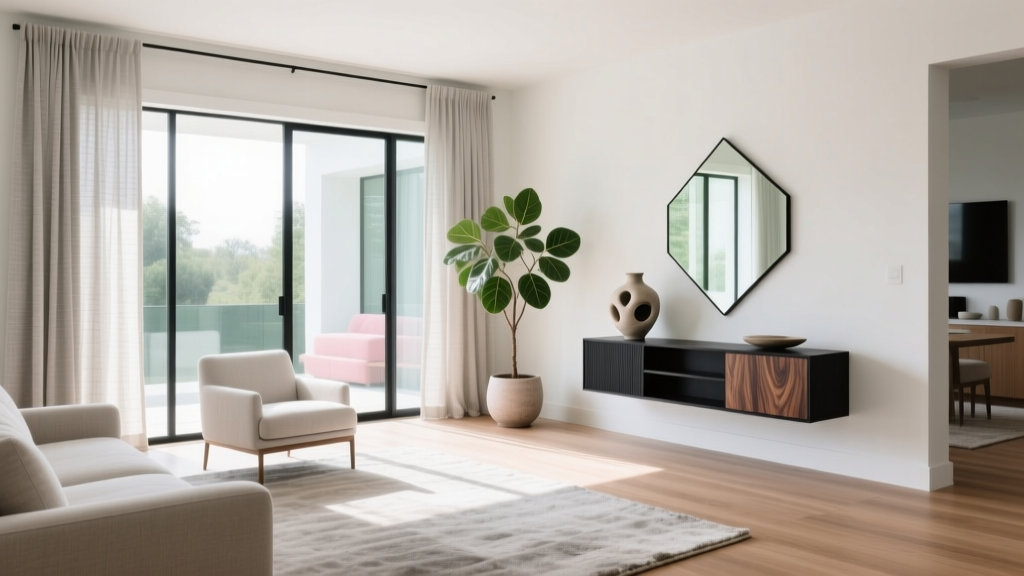
Minimalist Bedroom Style: Less Clutter, More Calm
Why Your Bedroom Should Be the Most Minimal Room
Your bedroom is the first thing you see when you wake up and the last thing you see before sleep. If it's cluttered, chaotic, or overstimulating, it affects your sleep quality, morning mood, and overall stress levels. Minimalism in the bedroom isn't about deprivation — it's about creating a space that actively supports rest.
The Bedroom Inventory Test
Before you start decluttering, stand at the doorway and look at your bedroom with fresh eyes. Count how many items are visible. In a truly restful minimalist bedroom, you should see fewer than 15 distinct items from the doorway:
- The bed (with bedding)
- One or two nightstands
- A lamp or two
- One piece of wall art
- A chair or bench (optional)
- A rug
- Curtains or blinds
Everything else — books, clothes, electronics, knick-knacks — should be stored out of sight or removed entirely.
The Nightstand Rule
Your nightstand should hold exactly three things: a lamp, a book (current read only), and a glass of water. Everything else — phone chargers, lotions, pill bottles, reading glasses — goes in the drawer. The surface should feel calm, not crowded.
Nightstand style tip: Choose a nightstand with at least one closed drawer. Open-shelf nightstands encourage surface clutter because everything is visible.
Closet as the Clutter Container
In minimalist bedroom design, the closet absorbs everything. Invest in a closet system that makes organization effortless:
- Uniform hangers (slim velvet or wood — never a mix)
- Shelving for folded items (visible, not stuffed in drawers)
- A designated spot for every category: shoes, bags, accessories
- Seasonal rotation system (store off-season clothes in bins on high shelves)
The goal: opening your closet should feel like browsing a boutique, not excavating an archaeological site.
Color Palette for Calm
Minimalist bedrooms work best in muted, warm palettes:
- Warm white walls: Not sterile hospital white — warm, slightly creamy tones like Benjamin Moore's White Dove
- Natural wood tones: Light oak, walnut, or ash in furniture adds warmth without visual noise
- One accent color: Choose one and use it sparingly — perhaps in a single throw pillow or piece of art
Furniture: Fewer Pieces, Better Quality
A minimalist bedroom might have only a bed, one nightstand, and a small dresser. That's fine — but each piece should be quality you can feel. A solid wood bed frame that will last decades. A nightstand with smooth-close drawers. A dresser that's genuinely beautiful to look at.
The math: One $800 dresser you love for 20 years is cheaper and more satisfying than three $200 dressers you replace every five years.
Lighting That Transitions
Overhead light for cleaning and getting dressed. Bedside lamp for reading. Dimmer switch for winding down. That's it. Avoid string lights, neon signs, or multiple accent lights — they add visual complexity that works against the minimalist goal.
The Daily Reset
Minimalism requires maintenance. Make the bed every morning (two minutes). Return items to their designated spots every evening (five minutes). Do a quick visual scan before turning off the light — if anything looks out of place, fix it. These tiny habits keep the room perpetually calm.
Final Thought: Space to Think
A minimalist bedroom gives you something increasingly rare: space to think without visual distraction. When your surroundings are simple, your mind can be complex. That's the trade-off — and it's the best one in design.
More Articles
 Aging in Place: Entryways & Hallways for Mobility (2026)
 Space Layout Alternatives: Scalable Approaches
 Minimalist Shelving: Less Visual Clutter in Small Spaces
 Mixing Metal Finishes the Right Way
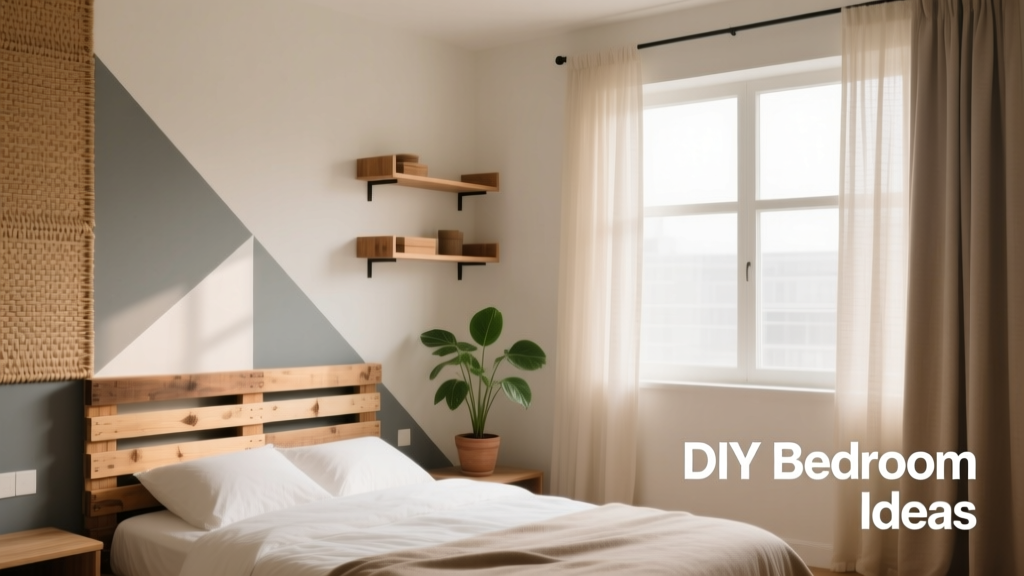 2026 DIY Bedroom Ideas: Save Money & Boost Style
 Maximalist Decor Tips That Actually Work (2026)
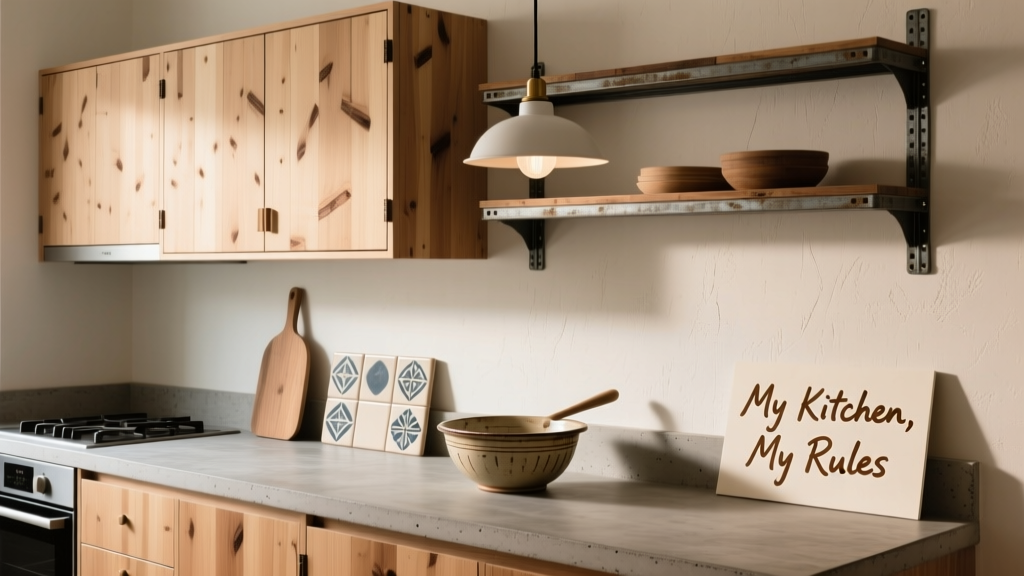 2026 DIY Kitchen Ideas That Save Money & Keep Quality
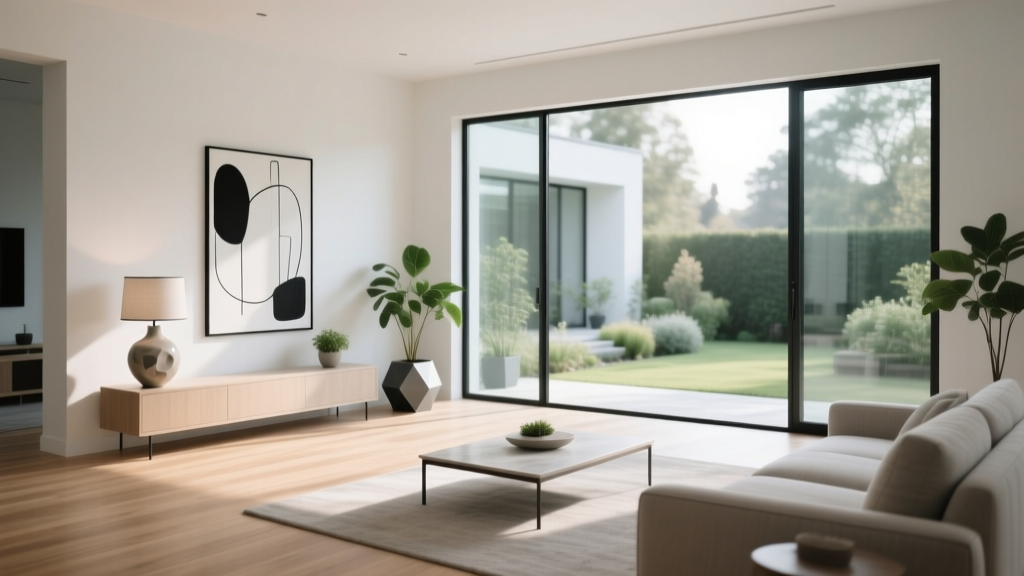 Mid-Century Modern Style: Core Elements Guide
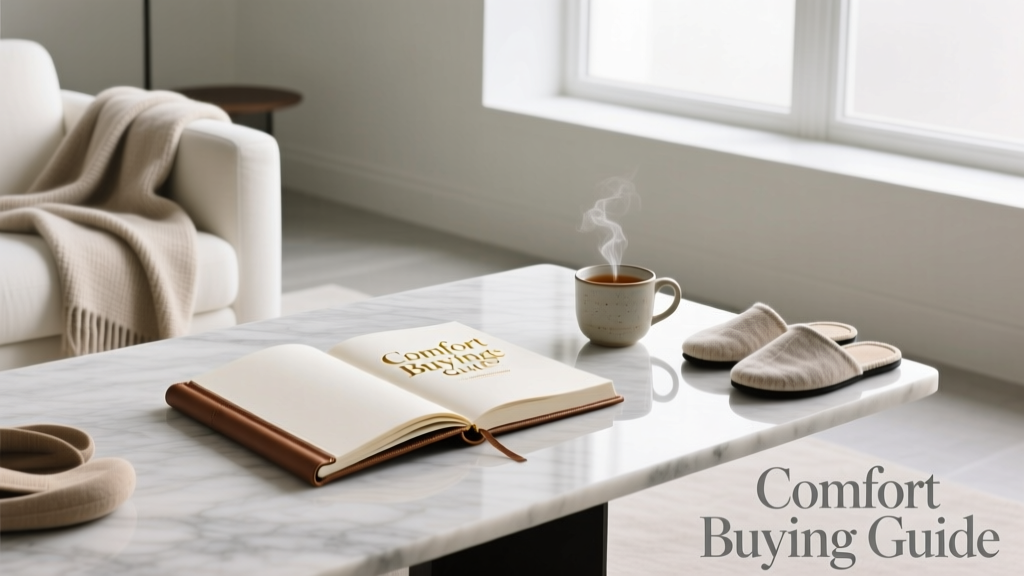 2026 Comfort Buying Guide: Chairs, Mattresses & More
 Elegant Grab Bars: Stylish Safety Hardware for 2026