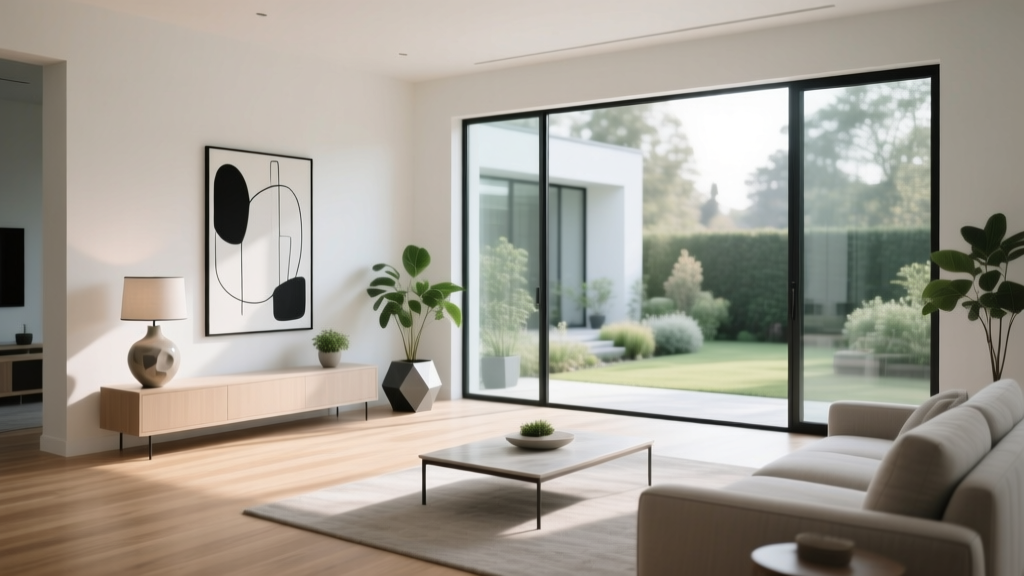
Mid-Century Modern Style: Core Elements Guide
Understanding Mid-Century Modern Design
Mid-century modern (MCM) refers to the design movement that flourished from roughly 1945 to 1969. Its core principles—functional simplicity, organic forms, and honest materials—remain relevant because they prioritize livability over decoration.
1. Furniture Silhouettes
MCM furniture features clean lines, tapered legs, and gentle curves. Look for sofas with low profiles and exposed wood frames, lounge chairs with molded plywood or fiberglass shells, and credenzas with sliding doors and slim hardware. Authentic reproductions from manufacturers like Herman Miller and Knoll command premium prices, but affordable alternatives from West Elm and Article capture the essential shapes.
2. Material Palette
Teak, walnut, and rosewood dominate MCM furniture. Complement these with leather upholstery (cognac or black), woven textiles (wicker, rattan), and glass or marble tabletops. Avoid high-gloss finishes; MCM celebrates the natural grain and warmth of wood.
3. Color Approach
The foundation is warm wood tones and neutrals. Accents come from the era signature colors: burnt orange, avocado green, mustard yellow, and turquoise. Use no more than two accent colors per room. A single mustard throw pillow on a walnut sofa is more effective than a fully color-coordinated scheme.
4. Lighting Fixtures
Sputnik chandeliers, arc floor lamps, and globe pendant lights are MCM icons. Choose one statement fixture per room and supplement with simple table lamps. Brass and matte black finishes are period-appropriate; avoid chrome, which reads more Art Deco.
Common Mistakes to Avoid
- Over-accessorizing: MCM is restraint, not maximalism
- Mixing eras: shiplap walls and farmhouse tables clash with MCM furniture
- Ignoring scale: MCM pieces are lower and wider than traditional furniture
Start with one or two authentic MCM pieces and build outward. A well-chosen walnut credenza or Eames-style chair establishes the style more effectively than dozens of themed accessories.
More Articles
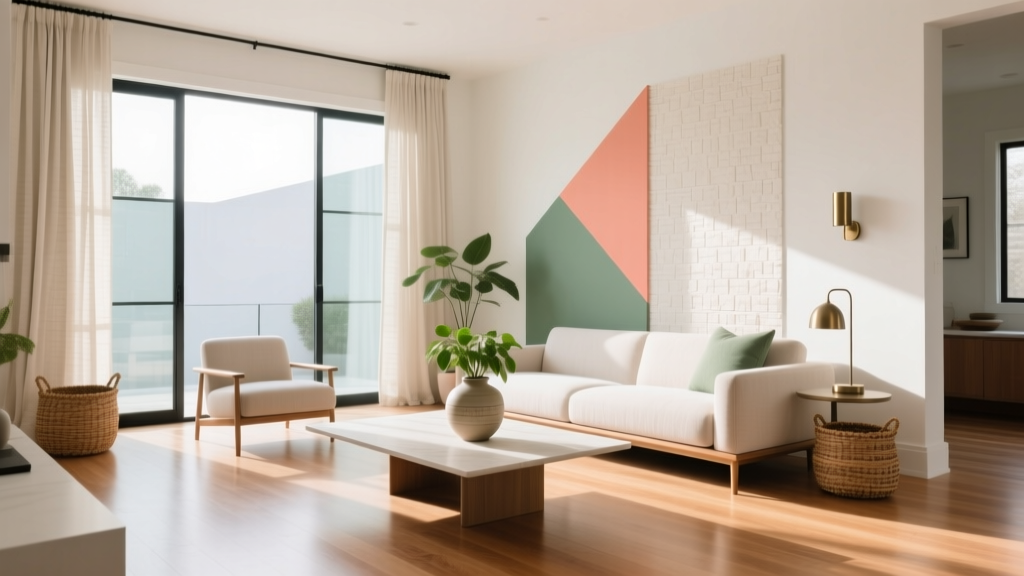 Pet-Friendly Summer Style: Cool Fabrics and Easy-Clean Rugs That Look Expensive
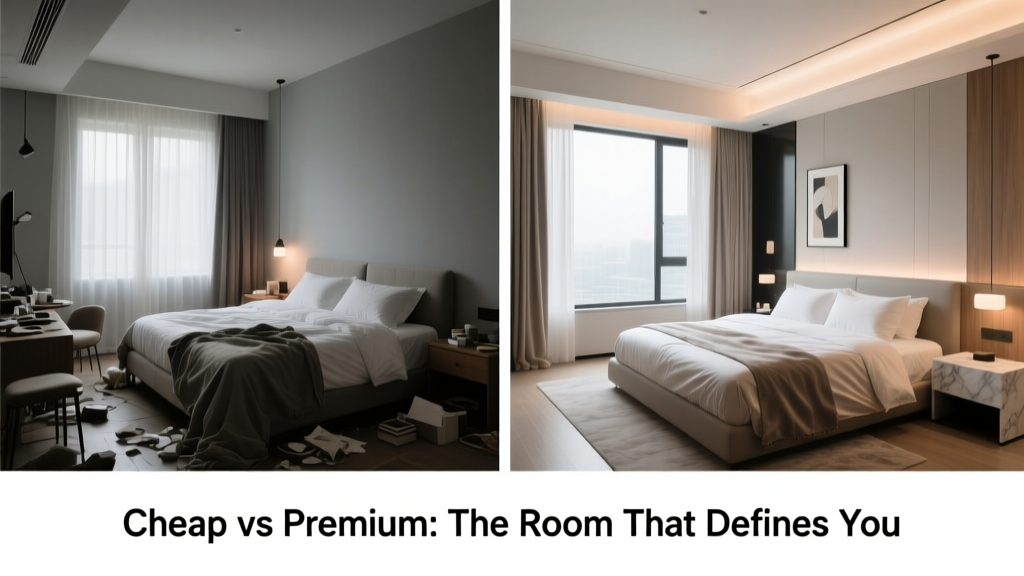 Cheap vs Premium Bedrooms: What You’re Really Paying For — Material Science, Ergonomics, and Long-Term Value
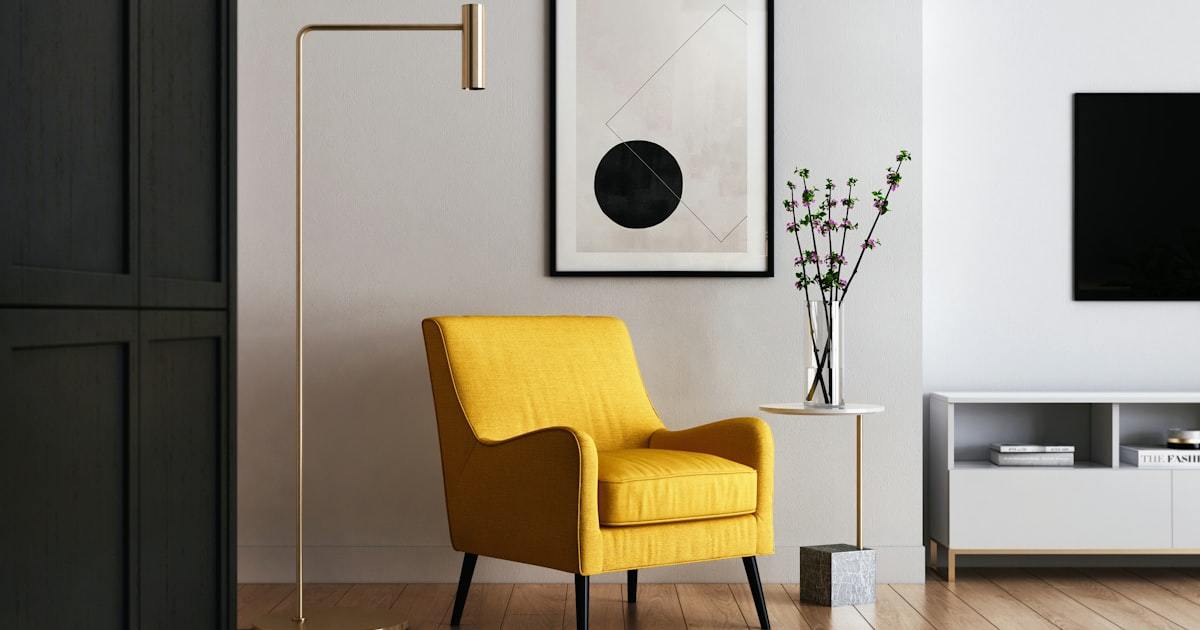 Small Space, Big Impact: The One-Room Studio Styling Guide
 Cheap vs Premium Modern: What You’re Really Paying For in Furniture, Appliances, and Home Goods
 How To Organize Paint: A Practical, Space-Saving System for Homeowners and DIYers
 Backed on a Budget: How Small Businesses Secure Real Funding Without Equity Dilution or Excessive Debt
 Studio Apartment Zoning: Define Spaces Without Walls
 Summer Style Guide: Layering Textures Without Overheating Your Space
 Pet-Friendly Scandinavian: Clean Lines That Survive Claws and Fur
 How To Repair Minimalist: A Practical, Precision-Focused Guide for Designers and Developers