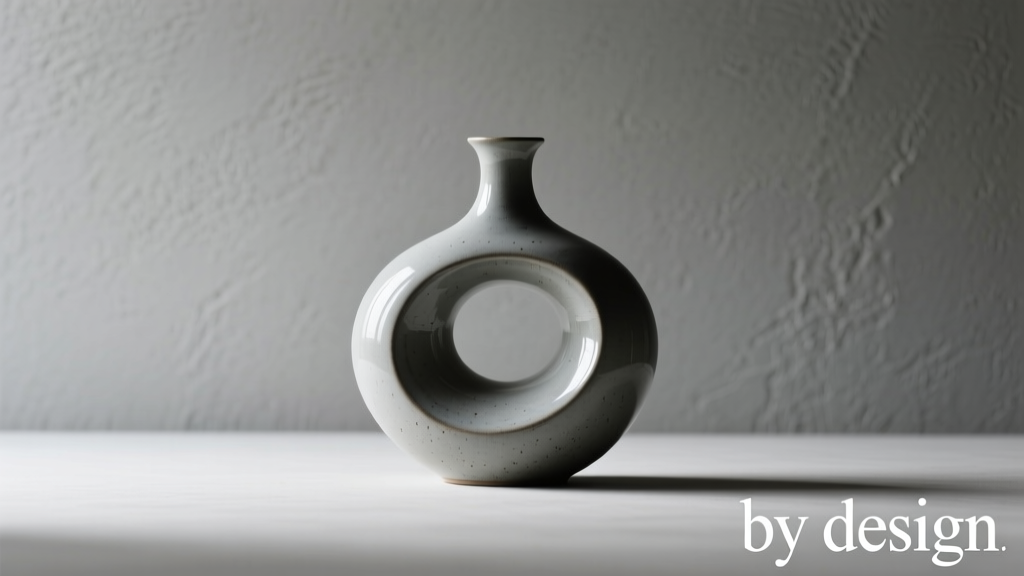
Japandi Style: The Complete Guide for 2026
What Is Japandi?
Japandi merges Japanese wabi-sabi philosophy — finding beauty in imperfection — with Scandinavian hygge comfort. The result is spaces that feel both serene and livable: minimal without being sterile, warm without being cluttered.
Core Principles
- Natural materials as the foundation: wood, linen, stone, ceramic
- Neutral palettes with one or two muted accent tones
- Purposeful objects only — every item earns its place
- Abundant negative space that lets each element breathe
- Handcrafted details that reveal human touch
The Color Palette
Start with a base of warm whites, soft grays, and natural wood tones. Layer in accents of deep indigo, moss green, or charcoal. Avoid pure black — opt for dark brown or navy instead, which feel softer and more organic within the Japandi framework.
Wood Tones Matter
Light oak and ash dominate the Scandinavian side, while darker walnut and hinoki represent the Japanese influence. Mixing both in a single room — light floors with dark accent furniture — creates the depth that prevents Japandi from reading as flat or bland.
Furniture Selection
Choose low-profile pieces with clean lines. Platform beds, floor-level sofas, and dining tables with simple trestle bases anchor rooms without visual heaviness. Look for joinery details — exposed mortise-and-tenon or finger joints — that celebrate craft.
Quantity Over Everything
Fewer pieces, better quality. One exceptional dining table surrounded by mismatched handcrafted chairs tells a richer story than a matched set. Japandi rewards patience and intentional collecting over impulse buying.
Textiles and Softness
Linen curtains that filter light beautifully, chunky woven throws in undyed wool, and nubby cotton cushions in natural tones add the hygge warmth. Avoid synthetic fabrics and bold prints — texture replaces pattern in Japandi interiors.
Floor Coverings
Jute, sisal, and tatami-inspired mats work beautifully. Layer a smaller handwoven rug over a larger natural-fiber base for dimension without color overload.
Decorative Objects
A single branch in a handmade ceramic vase outperforms a shelf of decorative objects. Ikebana principles apply: asymmetry, negative space, and seasonal relevance. Rotate objects with the seasons to keep the space feeling alive and considered.
Lighting
Paper lanterns, woven rattan pendants, and simple turned-wood table lamps provide warm, diffused light. Multiple low-intensity sources always beat one bright overhead fixture in Japandi rooms.
More Articles
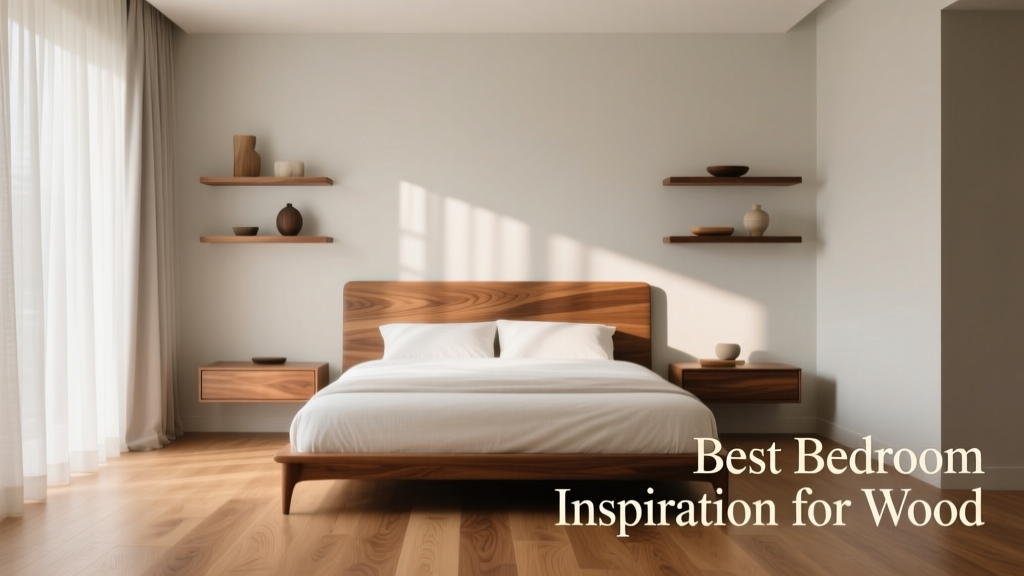 Best Bedroom Inspiration for Wood: Timeless Warmth, Modern Craftsmanship, and Sustainable Design
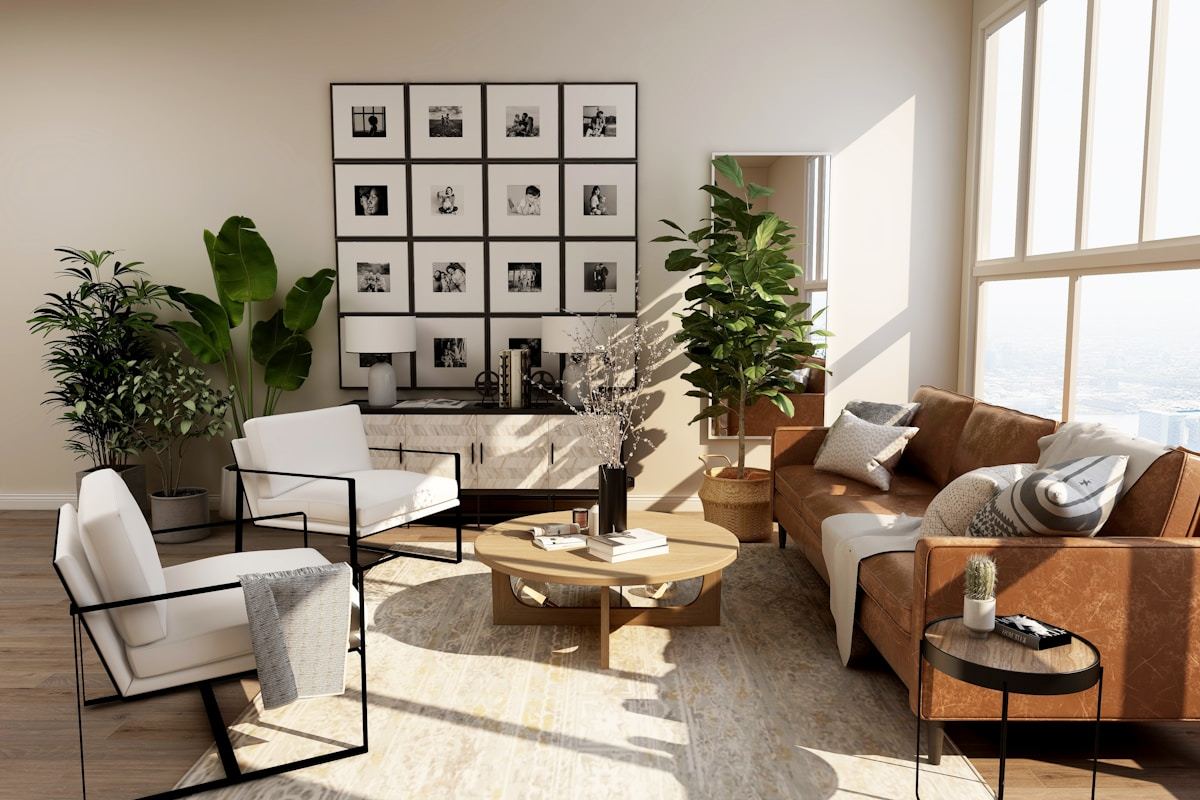 Warm Minimalism Interior: Quiet Luxury (2026)
 Cheap vs Premium Open: What the Data Reveals About Door Hardware Performance, Durability, and Real-World Value
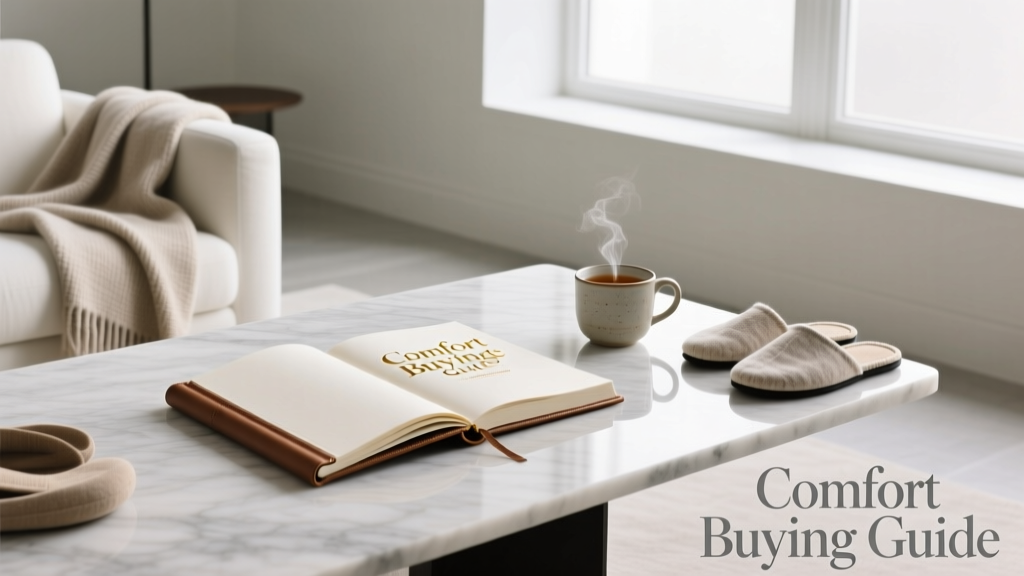 Comfort Buying Guide: Science-Backed Criteria for Chairs, Mattresses, Footwear, and Office Ergonomics
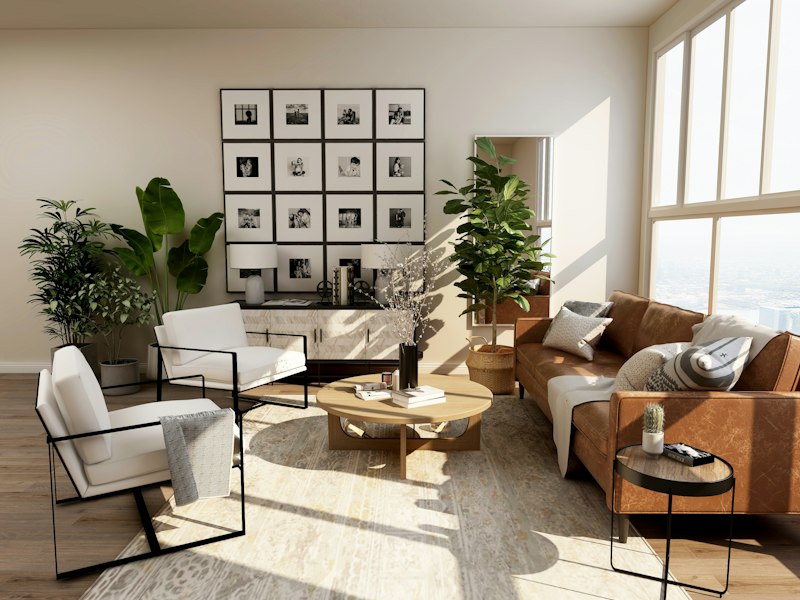 Coastal Grandmother Style: Effortless Elegance at Home
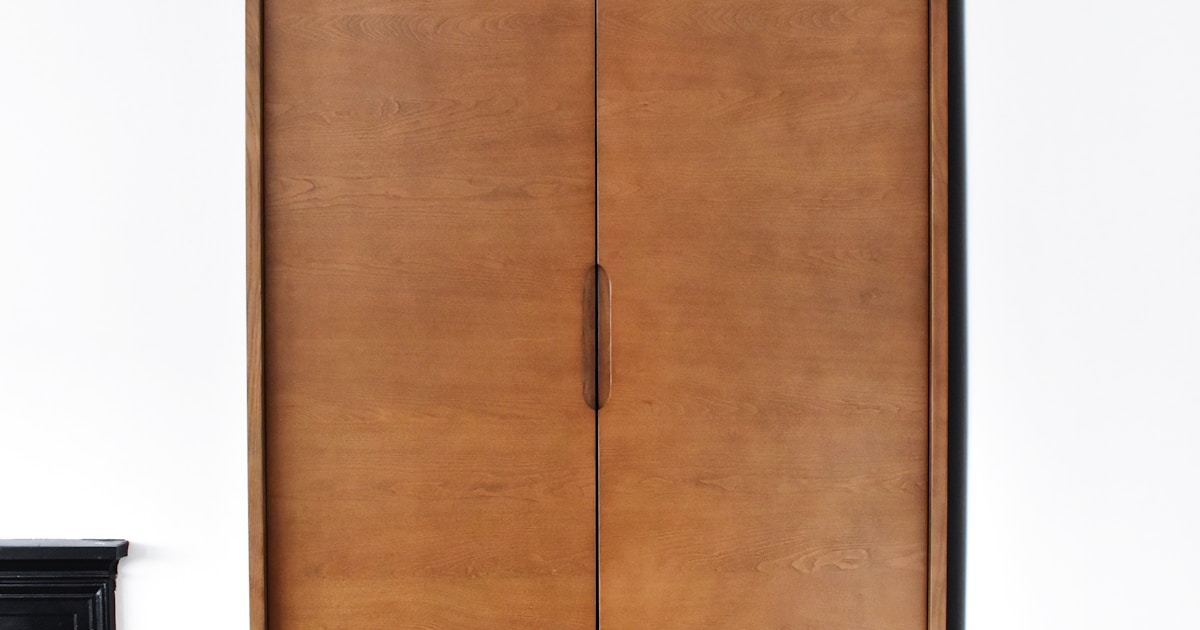 Capsule Closet Organization: Minimalist Wardrobe Storage for Small Apartments
 How To Repair Minimalist: A Practical, Precision-Focused Guide for Designers and Developers
 Setup Outdoor Essentials: A Practical, Brand-Tested Guide for Patios, Decks, and Backyards
 How To Organize Paint: A Practical, Space-Saving System for Homeowners and DIYers
 Pet-Friendly Rug Guide: Materials That Survive Claws and Muddy Paws