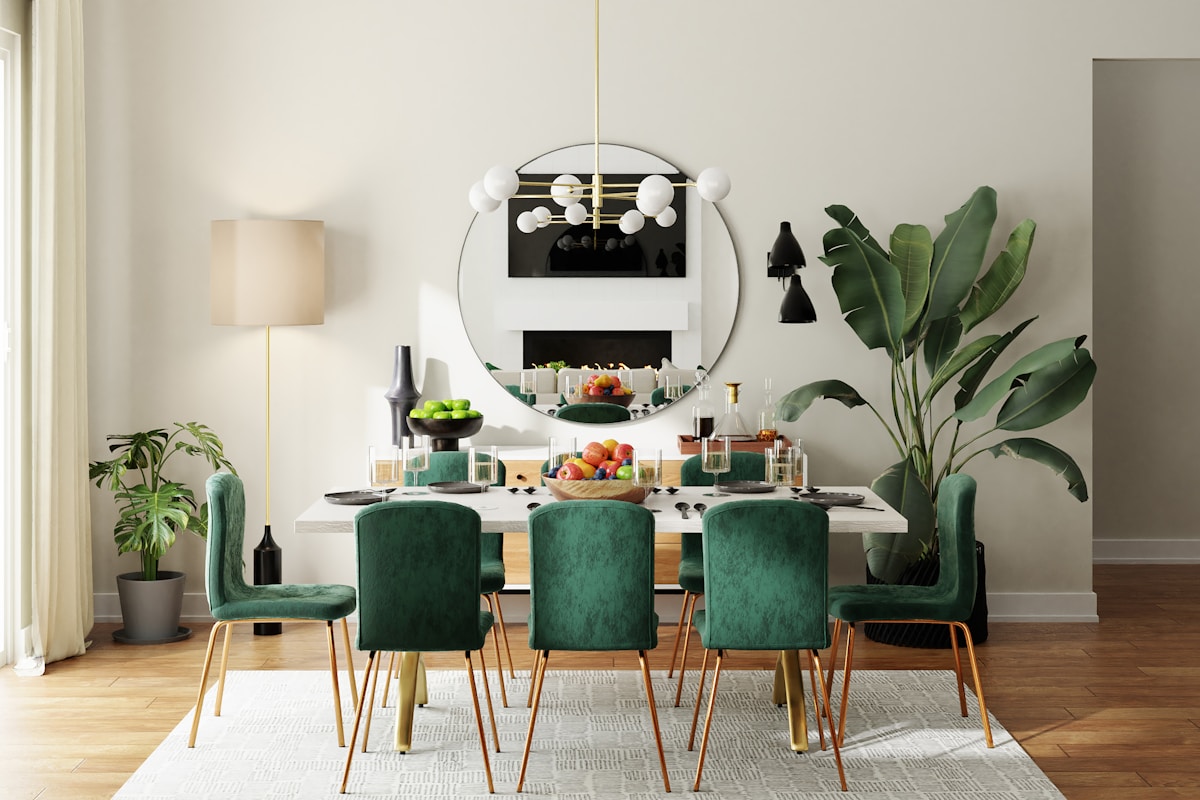
Cozy Bedroom Decor: Layers of Comfort | The Decor Mag
Cozy Bedroom Decor: Layers of Comfort
 Sarah Chen

There is a reason hotels spend enormous amounts on their bedding and room ambiance. They understand something that residential design sometimes forgets: the feeling of a space matters as much as its appearance. A cozy bedroom is not about filling every surface with objects. It is about creating an environment that wraps around you like a favorite sweater -- familiar, warm, and deeply comforting.
The Danish concept of "hygge" captures this perfectly. It is not a style or a product line. It is an atmosphere built on soft light, natural materials, tactile textiles, and the absence of harshness. Translating hygge into bedroom design means paying attention to every sensory detail, not just the visual ones.
The Anatomy of a Cozy Bedroom
Cozy bedrooms share certain characteristics regardless of their specific style. They feel warm rather than cool, soft rather than hard, and personal rather than staged. Achieving this requires attention to multiple layers of design working together.
The foundation of cozy design rests on three pillars:
- Warm color temperatures: Walls, lighting, and textiles that lean toward warm tones rather than cool ones
- Textural variety: Multiple materials that feel different to the touch, creating tactile richness
- Soft edges: Rounded furniture, draped fabrics, and layered bedding that eliminate sharp, institutional angles
Start by identifying what makes your current bedroom feel less cozy than you would like. Is the lighting too harsh? Are surfaces too hard and reflective? Does the room feel impersonal? Pinpointing the gap between your current state and your desired feeling makes the transformation manageable rather than overwhelming.
Bedding Layers: The Foundation of Comfort
The bed is the anchor of bedroom coziness, and bedding is where the magic happens. A well-dressed bed uses multiple layers, each serving a distinct purpose. The base layer -- fitted sheet and flat sheet -- provides cleanliness and a smooth sleeping surface. The middle layer -- duvet or comforter -- provides warmth. The top layer -- throw blankets and decorative pillows -- adds visual depth and extra warmth.
| Layer | Summer | Winter | Material Recommendation |
|---|---|---|---|
| Base sheets | Percale cotton | Flannel cotton | Long-staple cotton, 300-400 thread count |
| Middle warmth | Lightweight cotton quilt | Down or down-alternative duvet | Fill power 600+ for down; microfiber for alternatives |
| Top layers | One linen throw | Wool or cashmere throw | Natural fibers that breathe |
| Pillows | 2 sleeping + 1 accent | 2 sleeping + 2-3 accents | European shams for luxury feel |
The quality of your sheets matters more than the quantity of decorative pillows. Invest in bedding made from natural fibers -- cotton, linen, bamboo, or Tencel -- which breathe better and feel softer against skin. Synthetic fabrics trap heat and moisture, disrupting sleep quality even if they look attractive.
Lighting: Warmth You Can See
Lighting is the single most impactful change you can make to a bedroom's coziness. Harsh, cool-toned overhead lighting transforms even the most carefully designed room into something that feels like a doctor's office. Warm, layered lighting does the opposite -- it wraps the room in a glow that makes everything look softer and more inviting.
A cozy bedroom needs at least three light sources:
- Ambient light: A ceiling fixture or recessed lighting set to a warm temperature (2700K or lower) with a dimmer switch
- Task light: Bedside lamps or wall sconces that provide focused light for reading without illuminating the entire room
- Accent light: A small LED strip behind the headboard, a candle on the nightstand, or a salt lamp that adds a gentle ambient glow
I never design a bedroom without specifying dimmers on every circuit. The ability to lower the lights is the difference between a room that looks good and a room that feels good.
-- Marcus Webb, Residential Lighting Designer, Portland
Avoid daylight bulbs (5000K and above) in the bedroom. These temperatures suppress melatonin production and interfere with your body's natural sleep cycle. Stick to warm white (2700K) or soft white (2200K) for all bedroom fixtures.
Textiles Beyond the Bed: Curtains, Rugs, and Throws
Cozy design extends far beyond the bed. Every textile in the room contributes to the overall feeling of warmth and comfort. Window treatments, floor coverings, and loose throws each play a role in softening the space.
Window curtains should hang from ceiling to floor, even if the window is smaller. This creates a sense of height and luxury that short curtains cannot achieve. Choose heavy fabrics like velvet, linen, or cotton canvas that drape with weight and substance. Sheer layers underneath provide privacy during the day while allowing soft light to filter through.
Area rugs serve two purposes in a cozy bedroom: they soften foot contact with the floor and they absorb sound. A wool or cotton-blend rug placed under the bed or at the foot of the bed adds warmth and visual softness. If wall-to-wall carpeting is not an option, a large area rug that extends beyond the sides of the bed achieves a similar effect.
Throw blankets draped over a chair, ottoman, or the foot of the bed serve as both functional warmth and visual texture. Drape them loosely -- a neatly folded throw looks staged, while a casually draped one looks lived-in and inviting.
Natural Elements That Ground the Space
Natural elements bring life and grounding energy to any bedroom. Plants are the most obvious choice, but wood, stone, and natural fiber accessories also contribute to a cozy, organic atmosphere.
Low-maintenance plants that thrive in bedroom conditions include:
- Snake plant: Thrives in low light, requires minimal watering, and actually purifies air at night
- Pothos: Trailing vine that looks beautiful on a high shelf; forgiving of irregular watering
- Peace lily: Elegant white blooms; signals when it needs water by drooping slightly
- ZZ plant: Nearly indestructible; tolerates extremely low light and infrequent watering
Wooden accessories -- a turned-wood bowl on the dresser, a carved wooden tray on the nightstand, or a branch arranged in a simple vase -- bring the outdoors inside without requiring maintenance. These small natural elements break up the manufactured feel of modern furniture and add a touch of organic irregularity that feels alive.
The Biophilic Connection
Research from the Human Spaces Report found that spaces with natural elements reduce stress by 15% and increase reported well-being by 14%. Even a single plant on a bedroom nightstand measurably improves how you feel in the space.
Sensory Details: Scent, Sound, and Touch
Cozy design engages all the senses, not just sight. A bedroom that looks beautiful but smells like nothing, sounds like a street, and feels cold to the touch will never achieve the level of coziness that makes you want to linger.
For scent, choose natural options over synthetic air fresheners. A reed diffuser with essential oils, a beeswax candle, or a sachet of dried lavender in the linen closet all provide gentle, natural fragrance. Avoid anything overwhelming -- the scent should be noticeable only when you are close enough to experience it.
For sound, consider the acoustic environment. Hard surfaces reflect noise, making a room feel echoey and restless. Soft surfaces -- curtains, rugs, upholstered furniture, and fabric wall hangings -- absorb sound and create a quieter, calmer atmosphere. If outside noise is an issue, a white noise machine or a small tabletop fountain provides consistent, soothing background sound.
For touch, make sure the surfaces you interact with daily feel pleasant. Cold metal drawer pulls can be replaced with ceramic or wood. A rough-textured nightstand top can be softened with a felt pad or a small woven mat. These minor adjustments accumulate into a room that feels consistently comfortable from every angle.
More Articles
 Bedroom Accent Wall Ideas: The Headboard Wall That Wows | The Decor Mag
 Bedroom Window Treatments: Light Control Meets Design | The Decor Mag
 Bedroom Closet Organization: From Chaos to Curated | The Decor Mag
 Master Bedroom Decor: Designing Your Retreat ? The Decor Mag
 Guest Bedroom Ideas: Hosting in Style | The Decor Mag
 Bedroom Color Ideas: Palettes That Promote Rest ? The Decor Mag
 Bedroom Color Ideas: Palettes That Promote Rest | thedecormag.com
 Minimalist Bedroom Style: Calm Through Restraint | The Decor Mag
 Bedroom Plant Decor: Greenery for Better Sleep — The Decor Mag
 Bedroom Storage Solutions: Hide the Clutter, Keep the Style | The Decor Mag