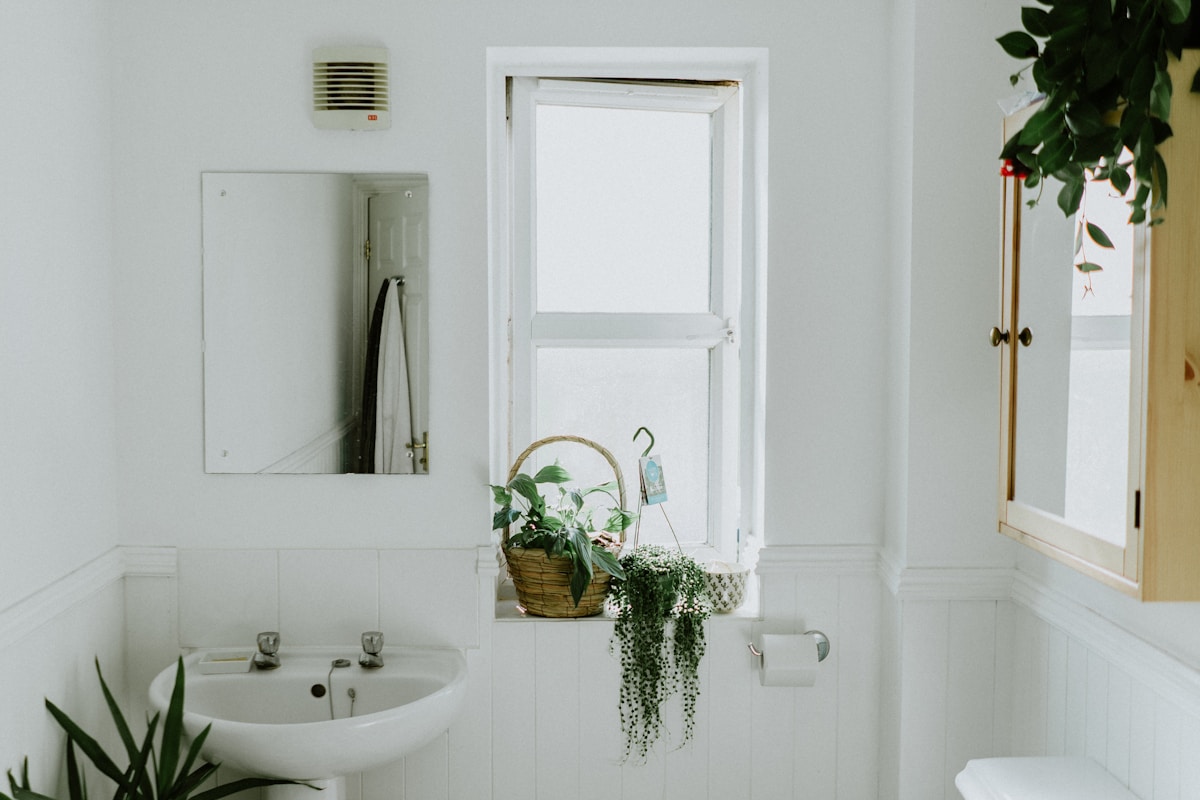
Minimalist Bedroom Style: Calm Through Restraint | The Decor Mag
Minimalist Bedroom Style: Calm Through Restraint
 Elena Marchetti

Minimalism in bedroom design gets misunderstood constantly. People confuse it with stark, hospital-like spaces or assume it requires living with practically nothing. Neither is true. A well-executed minimalist bedroom feels warm, inviting, and deeply peaceful. The restraint comes not from deprivation, but from careful selection -- every piece, every color, every texture earns its place through purpose and beauty.
The Japanese concept of "ma" -- negative space -- captures this perfectly. It is not empty space; it is breathing room that allows each element to speak clearly. When you design with this mindset, the bedroom becomes a place where the mind finally quiets down.
What Minimalist Design Really Means
At its core, minimalist bedroom design follows three principles: function first, visual quiet, and intentional emptiness. Function first means every item serves a practical purpose. Visual quiet means reducing visual noise through coordinated colors, hidden storage, and clean lines. Intentional emptiness means leaving areas deliberately bare to give the eye somewhere to rest.
Research from the Princeton University Neuroscience Institute supports this approach. When visual stimuli compete for attention, the brain struggles to focus and relax. A bedroom with fewer visible objects literally allows your nervous system to decompress more quickly.
Practical application looks like this:
- Clear all surfaces except one or two meaningful objects
- Use closed storage to hide everything that does not need to be visible
- Choose furniture with simple, geometric silhouettes
- Limit decor to pieces you genuinely love, not pieces that simply fill space
The Color Palette of Quiet Confidence
A minimalist bedroom typically works within a restrained palette of two to four colors. The base is almost always a neutral -- white, cream, warm gray, or soft beige. From there, you layer one or two accent tones that complement rather than compete.
| Base Color | Accent 1 | Accent 2 | Mood |
|---|---|---|---|
| Warm white | Soft black | Natural wood | Scandinavian calm |
| Warm gray | Muted sage | Blush | Organic serenity |
| Cream | Charcoal | Camel leather | Refined warmth |
| Off-white | Deep navy | Brass | Modern elegance |
The key is consistency. When the walls, bedding, and major furniture pieces share a tonal family, the room achieves visual harmony without effort. Accent colors appear in small doses -- a throw pillow, a ceramic vase, a single piece of artwork.
Furniture Selection: Fewer Pieces, Better Pieces
Minimalist design demands that each furniture piece justify its presence. A minimalist bedroom typically contains only the essentials: a bed, one or two nightstands, and perhaps a dresser or chair if space allows.
When selecting these pieces, prioritize quality over quantity. A single well-crafted wooden bed frame made from solid oak will age beautifully and anchor the room for decades. Cheap, trend-driven furniture may look acceptable in a showroom photograph but often reveals its compromises within a year or two.
I tell my clients to think of their bedroom like a sentence. Each piece of furniture is a word. Remove every word that does not change the meaning of the sentence.
-- Kenji Watanabe, Architect and Minimalist Design Consultant, Tokyo
Look for these characteristics when choosing minimalist bedroom furniture:
- Clean lines: Avoid ornate carvings, excessive detailing, or decorative hardware. Straight edges and simple curves create visual calm.
- Natural materials: Wood, stone, linen, and leather age gracefully and add warmth without visual noise.
- Low profile: Furniture that sits closer to the floor makes ceilings feel higher and rooms feel larger.
- Hidden storage: Drawers and compartments that disappear into the furniture maintain the clean aesthetic.
Texture Over Color: Adding Warmth Without Clutter
When your color palette stays restrained, texture becomes your primary tool for visual interest. A room with flat surfaces in similar tones can feel cold and unfinished. Layering different textures creates depth and warmth that color alone cannot achieve.
Consider these texture combinations for a minimalist bedroom:
- Matte-painted walls paired with a linen duvet and a chunky knit throw
- Smooth wooden nightstands beside a nubby wool area rug
- Sleek metal lamp bases next to a raw-edged ceramic vase
- Crisp cotton sheets layered with a velvet accent pillow
The Three-Texture Rule
Limit your primary textures to three per zone. If your bedding already combines linen, knit, and cotton, do not add a fourth texture to the bed area. Let the eye process the materials without feeling overwhelmed.
Lighting for a Minimalist Space
Lighting in a minimalist bedroom should be layered but understated. The goal is warm, adjustable illumination that supports the room's calm atmosphere without drawing attention to the fixtures themselves.
Avoid ornate chandeliers or fixtures with multiple arms and decorative elements. Instead, choose simple pendant lights, recessed fixtures, or slim wall sconces. Paper lantern shades, like those from the Akari collection, provide soft, diffused light that enhances the minimalist aesthetic.
Dimmers are essential. The ability to lower light levels in the evening signals to your body that it is time to wind down. A warm, dimmed bulb at 2700K or lower creates the kind of atmosphere that encourages genuine rest.
The Editing Process: What to Remove
Creating a minimalist bedroom requires an honest edit of what is already there. Start by photographing the room from each corner. Then review each photo and ask whether every visible item contributes to the feeling you want the space to evoke.
Items to consider removing:
- Excessive decorative pillows (keep two to four maximum)
- Small decor objects that cluster on surfaces without a clear grouping
- Furniture that duplicates function (two side tables when one suffices)
- Artwork that competes rather than complements -- one strong piece beats five mediocre ones
- Visible cords, electronics, and charging stations
The editing process is ongoing. Minimalism is not a one-time project but a sustained practice of maintaining visual clarity. Every new item that enters the room should be weighed against the simplicity you have worked to create. When in doubt, the answer is almost always to leave it out.
More Articles
 Bedroom Furniture Layout: The Optimal Arrangement | The Decor Mag
 Cozy Bedroom Decor: Layers of Comfort | The Decor Mag
 Bedroom Rug Placement: Size, Position, and Purpose | The Decor Mag
 Bedroom Closet Organization: From Chaos to Curated | The Decor Mag
 Bedroom Plant Decor: Greenery for Better Sleep — The Decor Mag
 Master Bedroom Decor: Designing Your Retreat ? The Decor Mag
 Bedroom Storage Solutions: Hide the Clutter, Keep the Style | The Decor Mag
 Bedroom Color Ideas: Palettes That Promote Rest ? The Decor Mag
 Bedroom Lighting Ideas: Beyond the Bedside Lamp ? The Decor Mag
 Guest Bedroom Ideas: Hosting in Style | The Decor Mag