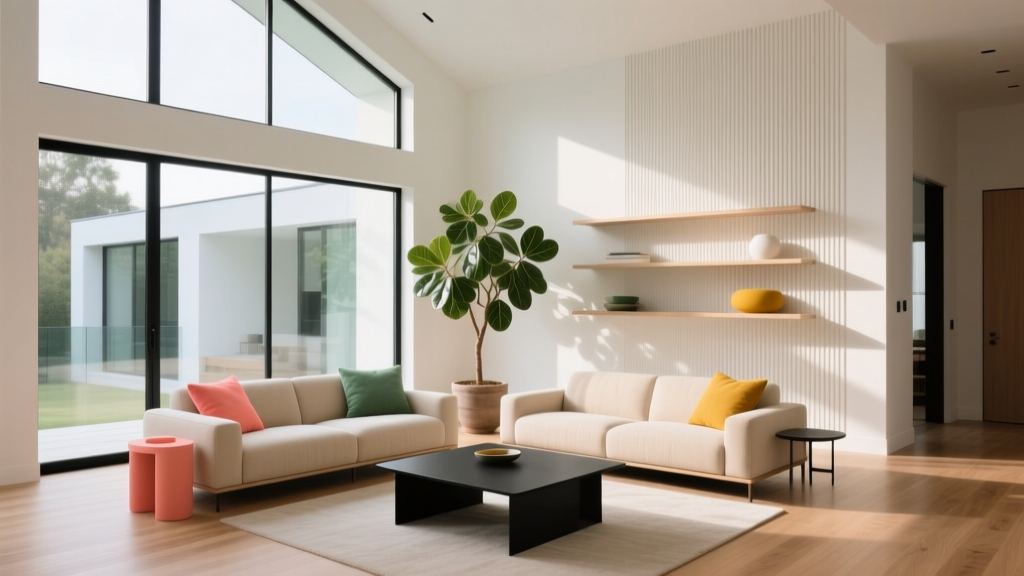
Built-In Pet Beds: Stylish Spaces for Furry Friends
Giving Pets Their Own Room (Almost)
Pet beds strewn across the floor disrupt even the most carefully designed rooms. Built-in pet beds solve this problem by giving your furry friend a dedicated sleeping spot that's integrated into your home's architecture. Here are designs that actually work.
Under-Stair Nook
The space under a staircase is perfect for a cozy pet den. Frame it with custom cabinetry or a simple archway, add a washable cushion, and install a small curtain or barn door for privacy. This works especially well for dogs who naturally seek enclosed spaces.
Include a low-profile LED strip light so you can check on your pet without turning on overhead lights. Ventilation is important — leave gaps in the cabinetry or use a louvered door panel.
Kitchen Cabinet Conversion
Convert a lower kitchen cabinet into a pet bed by removing the doors and adding a cushion. This keeps your pet close while you cook and gives them a warm spot near the household activity. Use a cabinet that's at least 24 inches wide for medium dogs, 18 inches for cats.
Bedroom Alcove
Build a shallow alcove (12-18 inches deep) into a bedroom wall at floor level. Frame it with decorative trim that matches your room's millwork. This approach works beautifully in both modern and traditional bedrooms, giving pets their own space without sacrificing floor area.
Nightstand Integration
Custom nightstands with an open lower compartment create a pet bed that's part of the bedroom furniture set. The top surface holds your lamp and phone while your cat or small dog curls up below. Add a removable, washable cushion cover for easy maintenance.
Mudroom Pet Station
Combine a pet bed with storage in your mudroom. Build a bench with an open cubby underneath for the pet bed, and hooks and shelves above for leashes, treats, and grooming supplies. This creates a dedicated pet zone near the entry where muddy paws get cleaned before entering the house.
Practical Considerations
- Size: Measure your pet stretched out, then add 6 inches in each direction
- Washable bedding: Use zippered covers over foam inserts for easy laundering
- Ventilation: Enclosed spaces need air circulation to prevent odor buildup
- Accessibility: Ensure the opening is large enough for your pet to enter and exit comfortably, especially as they age
- Lighting: A small night light helps pets find their bed in the dark
DIY vs. Custom Built
Simple conversions (removing cabinet doors, adding cushions to existing nooks) are easy DIY projects. Custom built-ins with millwork, electrical, and plumbing integration should be done by a carpenter or contractor. Budget $500-2,000 for professional built-in pet beds depending on complexity.
More Articles
 How To Organize a Studio Apartment: Smart, Space-Saving Strategies That Actually Work
 Bedroom Look, Care & Maintenance: A Practical Guide to Preserving Comfort and Aesthetic Integrity
 Style Kitchens Essentials: Functional Elegance, Ergonomic Precision, and Timeless Material Choices
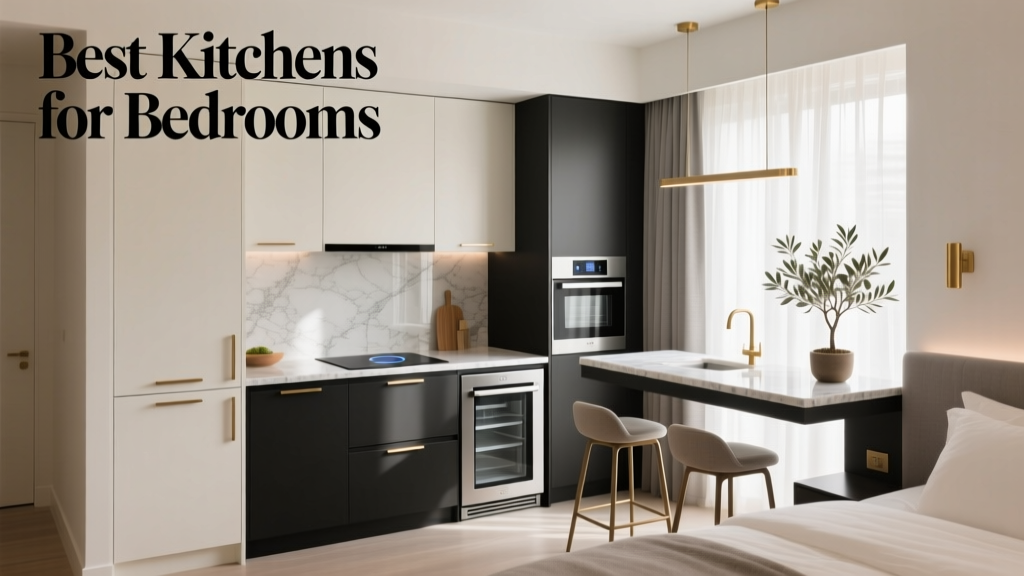 Best Kitchens for Bedroom: Compact, Safe, and Stylish Solutions for Sleep-Space Cooking
 Bedroom Safety Solutions: Practical, Evidence-Based Tips for Every Age and Ability
 Studio Kitchens Essentials: Smart, Space-Smart Design for Compact Living
 Science Safety Tips: Evidence-Based Protocols for Home and Classroom Laboratories
 Small Bedroom Inspiration: 2026 Compact Trends
 Headboard Styles That Transform Bedrooms
 Essential for World: The Global Bedding Standards That Define Sleep Equity and Human Dignity