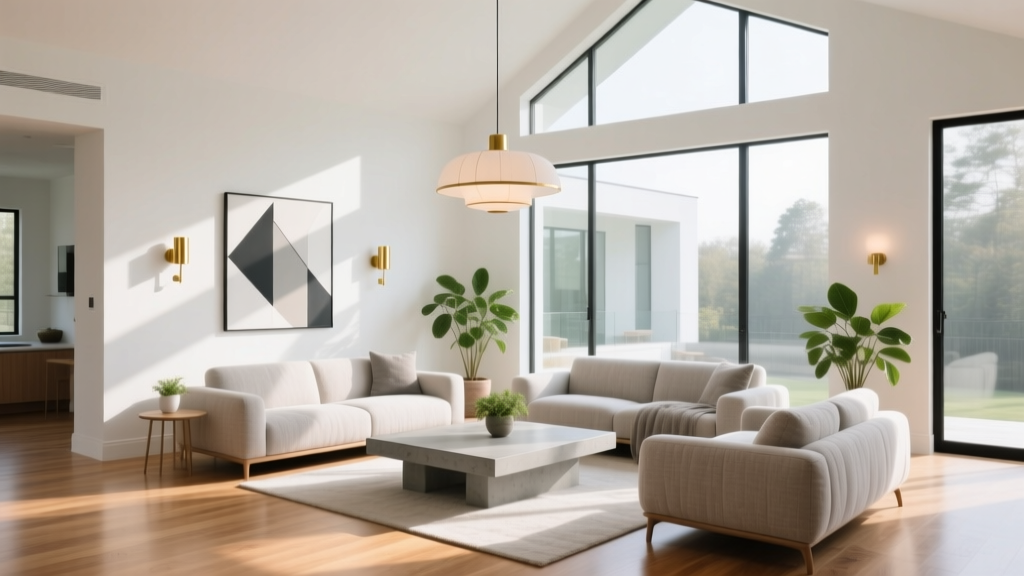
Moody Bedroom Color Schemes That Work
Why Moody Bedrooms Are Gaining Popularity
After years of bright white and airy spaces, bedrooms are swinging toward the dark side — and for good reason. Moody color schemes create an intimate, cocoon-like atmosphere that's perfect for sleep. Dark walls actually recede visually, making rooms feel larger and more enveloping than you'd expect.
Navy Blue: The Approachable Dark Color
Navy is the gateway to moody design. It reads as neutral in most lighting, pairs with virtually any accent color, and works in both traditional and modern bedrooms. Paint all four walls navy for a cocoon effect, or use it on just the headboard wall for a softer introduction.
Pair navy with warm metallics (brass, copper) and creamy whites for a sophisticated look. Add texture through velvet pillows, a chunky knit throw, and natural wood nightstands. The contrast between dark walls and warm accessories creates depth without feeling heavy.
Navy Pairings That Work
- Navy + brass + cream: Classic and timeless
- Navy + terracotta + natural wood: Warm Mediterranean feel
- Navy + blush pink + gold: Soft and romantic
- Navy + forest green + leather: Rich and masculine
Forest Green: Nature-Inspired Drama
Deep green bedrooms evoke forests and botanical gardens. They're calming in a way that blue isn't — green connects us to nature, which research shows reduces stress. Choose a green with warm undertones (olive-leaning) rather than cool (blue-leaning) for a bedroom, as warm greens feel more inviting in evening light.
Layer forest green with natural materials: rattan light fixtures, jute rugs, linen bedding in oatmeal or sage. Plants thrive against dark green walls and create a lush, greenhouse-like atmosphere. A single large plant — monstera, fiddle leaf fig, or bird of paradise — makes a statement.
Charcoal: Modern and Sophisticated
Charcoal walls create a gallery-like backdrop that makes artwork, textiles, and furniture pop. Unlike pure black, charcoal has enough warmth to feel livable. It works especially well in bedrooms with good natural light, where the contrast between dark walls and bright windows creates drama.
The key to charcoal bedrooms is texture. Flat dark paint can feel cave-like, but add velvet curtains, a bouclé chair, woven baskets, and layered textiles, and the room becomes rich and inviting. Use warm white (not cool white) for trim and ceilings to maintain warmth.
Plum and Burgundy: Unexpected Warmth
Deep plum and burgundy are the sleeper picks of moody bedroom colors. They're warmer than navy or charcoal, creating a boudoir-like intimacy. These colors work best in rooms with warm artificial lighting — they glow beautifully under soft lamp light.
Keep furnishings simple to let the color do the work. A platform bed with clean lines, minimal nightstands, and one statement light fixture is all you need. Add gold or brass accents for a luxe touch without overdoing it.
Lighting Strategies for Dark Rooms
Moody rooms need thoughtful lighting more than light rooms do. Plan for three layers:
- Ambient: A central fixture or recessed lights on a dimmer. Never use full brightness in a moody bedroom.
- Task: Bedside lamps or sconces for reading. Warm-toned bulbs (2700K) are essential.
- Accent: LED strips behind the headboard, a picture light over artwork, or candles for atmosphere.
Balancing Dark Walls with Light Elements
The formula for a successful moody bedroom is roughly 70% dark (walls, large furniture) and 30% light (bedding, artwork, accessories). This ratio prevents the room from feeling oppressive while maintaining the dramatic atmosphere you're after.
Light-colored bedding is non-negotiable — it creates the contrast that makes dark walls work visually. White or cream linen sheets, a light duvet, and layered pillows in varying shades of white and cream against dark walls is the foundation of every successful moody bedroom.
Small Rooms and Dark Colors
Counter-intuitively, dark colors can make small bedrooms feel bigger. Dark walls blur the boundaries of the room, making it hard for the eye to judge where walls begin and end. This creates a sense of infinite depth. Add a large mirror to reflect light and amplify this effect.
Just ensure adequate lighting. A small dark room with poor lighting feels like a closet. A small dark room with layered, warm lighting feels like a boutique hotel suite.
More Articles
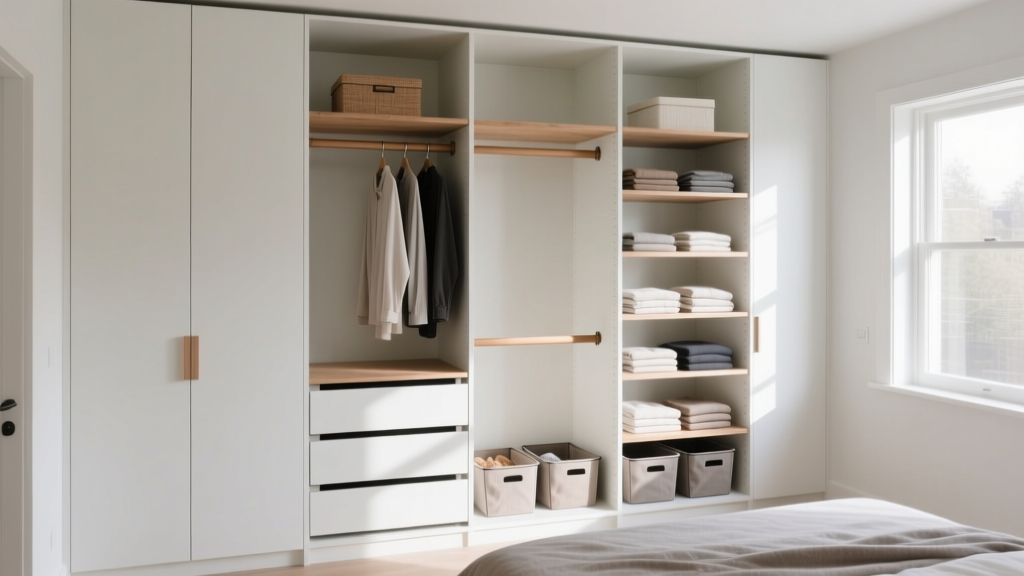 Bedroom Closet Design for Limited Mobility: Pull-Down Rods and Open Shelving
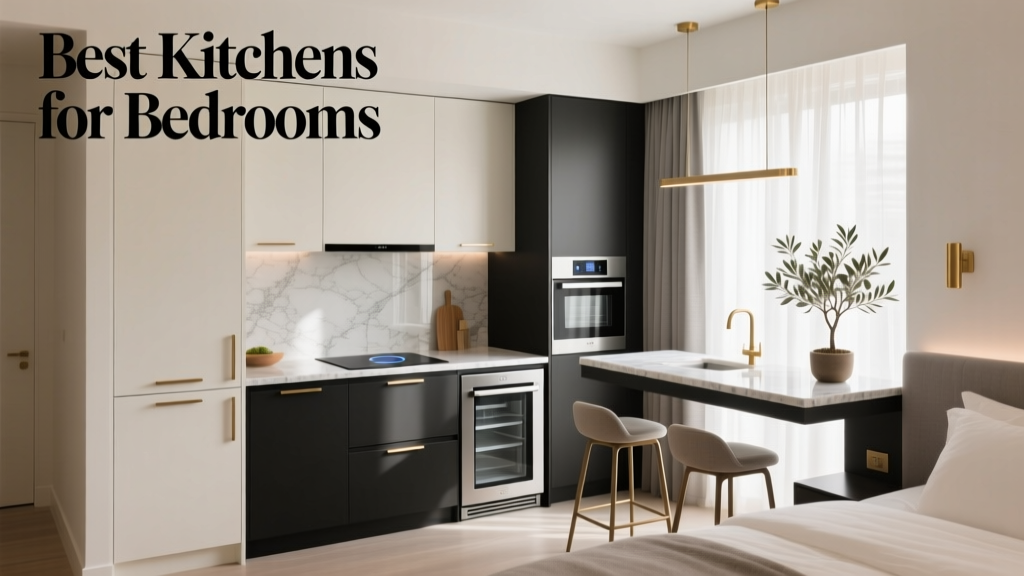 Best Kitchens for Bedroom: Compact, Safe, and Stylish Solutions for Sleep-Space Cooking
 Reading Nook in Bedroom: Corner Designs for Small Spaces
 Ageless Bedroom Design: Comfort and Accessibility at Every Stage
 Placement for Actually: The Science-Backed Bedroom Layout Guide That Optimizes Sleep, Safety, and Daily Function
 Bedroom Safety Solutions: Practical, Evidence-Based Tips for Every Age and Ability
 Adjustable Height Beds: Independent Sleep Solutions for Seniors and Caregivers
 Summer Bedding Swaps: Five Textile Changes for Cooler Sleep Nights
 Guest Bedroom Ideas: Hosting in Style | The Decor Mag
 Bedroom Plants for Better Sleep | The Decor Mag