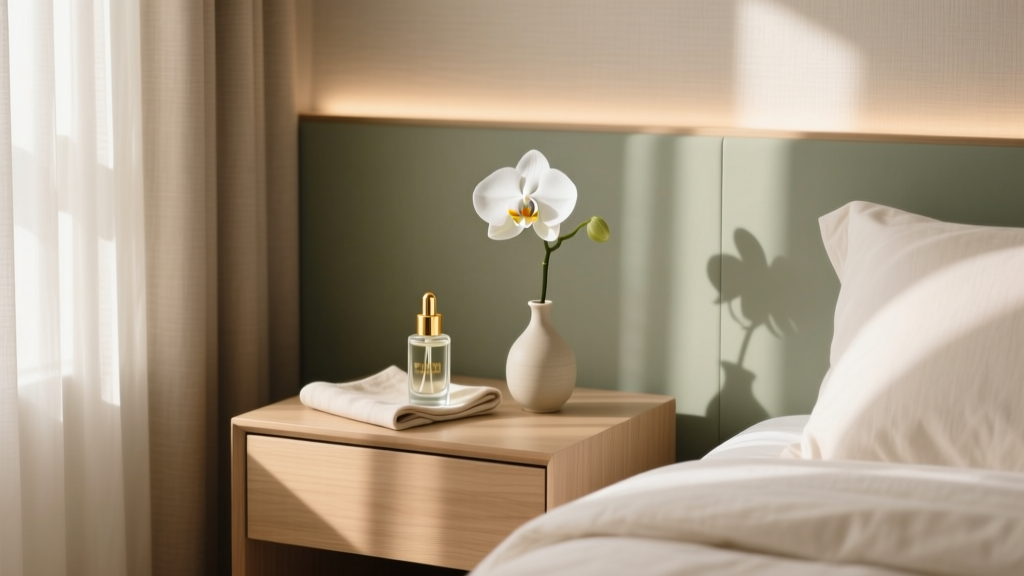
Best Bedroom Bedside Essential Oil Roller - The Decor Mag
Your bedroom is more than a place to sleep—it’s the environment that signals your nervous system to downshift. Lighting, bedding textures, clutter levels, and even what sits on your nightstand all affect how quickly your mind transitions from “day mode” to rest. A bedside essential oil roller is a small, practical tool that can support a soothing nighttime routine while also fitting neatly into a well-designed sleep environment.
Aromatherapy won’t replace healthy sleep habits, but scent can become a powerful cue for relaxation when used consistently. The best bedroom bedside essential oil roller is one you’ll actually reach for nightly: thoughtfully blended for sleep, gentle on skin, packaged for clean, easy use, and paired with a bedroom setup that feels calm—visually and physically.
This guide walks you through what to look for in an essential oil roller for sleep, how to style it on your nightstand, and how to refine your bedroom design so your routine feels effortless, not fussy.
Why a Bedside Essential Oil Roller Belongs in a Sleep-Friendly Bedroom
Sleep quality is tightly linked to your bedroom design. When the room feels orderly, dim, quiet, and comfortable, your brain reads “safe to rest.” A bedside essential oil roller adds one more gentle cue: a familiar scent paired with a repeated action (roll on wrists, breathe slowly, lights out). Over time, that ritual can help your body anticipate sleep.
What makes rollers better than diffusers for the bedside?
- Targeted and controlled: You apply a small amount where you want it, without scent spreading through the whole home.
- Low-mess and renter-friendly: No water tank, no cords, no oil droplets on furniture.
- Travel-proof routine: A roller can come with you, keeping your sleep cues consistent.
- Less sensory overload: If you’re sensitive to strong fragrances, a roller tends to feel softer and more personal.
What to Look for in the Best Bedroom Bedside Essential Oil Roller
Not all rollers are created equal. Prioritize quality, skin comfort, and packaging that works with your nightstand routine.
1) A sleep-supportive blend (not just “lavender”)
Lavender is popular for a reason, but the best bedtime blends usually combine several oils for a rounded effect. Look for these common types:
- Lavender (Lavandula angustifolia): Classic “wind-down” scent; soft floral-herbal.
- Roman chamomile: Gentle, apple-like; often used for bedtime calm.
- Cedarwood: Warm, woody; pairs beautifully with minimalist bedroom decor and grounding routines.
- Bergamot (FCF): Bright but calming; choose “FCF” (furanocoumarin-free) to reduce phototoxicity risks.
- Vetiver: Earthy and deep; great for a “heavy-lids” vibe, especially for restless minds.
- Frankincense: Resinous and slow; complements breathwork and meditation.
2) Skin-friendly dilution and a good carrier oil
For a bedroom bedside essential oil roller, comfort matters—no tingling, no irritation, no lingering greasiness on sheets.
- Ideal dilution: Many bedtime rollers fall around 1–3% essential oils in a carrier oil. If you have sensitive skin, aim lower.
- Carrier oil options:
- Jojoba: Lightweight, stable, less greasy—excellent for daily use.
- Fractionated coconut oil (MCT): Clear, light, long shelf life.
- Sweet almond: Softer feel but can be heavier; avoid if you have nut allergies.
3) Packaging that suits a nightstand
- Amber or cobalt glass: Helps protect oils from light (important if your bedside lamp is used nightly).
- Sturdy cap and smooth roller ball: Prevents leaks in drawers and allows clean application.
- Simple label: You should be able to identify it half-asleep without squinting.
4) Clean ingredient transparency
Look for brands that clearly list essential oils and carrier oils (not vague “fragrance”). If you prefer a low-toxin bedroom, choose:
- 100% essential oils (no synthetic perfume blends)
- Third-party testing or batch transparency when available
- Minimal additives (no unnecessary dyes)
Top Bedside Essential Oil Roller Types (So You Can Choose What Fits Your Sleep Style)
Instead of chasing one “best” product for everyone, choose the type that matches your needs, bedroom mood, and sensitivity level.
The “Classic Calm” roller
Best for: Anyone building a first bedtime routine.
Typical notes: Lavender + chamomile + soft citrus (FCF bergamot).
Bedroom pairing: Light neutrals, breathable bedding, warm bedside lighting.
The “Grounding Woods” roller
Best for: Overthinkers, light sleepers, people who love spa-like, modern bedroom decor.
Typical notes: Cedarwood + vetiver + frankincense.
Bedroom pairing: Walnut or oak nightstand, linen duvet, matte black hardware, low-glare lamp.
The “Gentle Sensitive Skin” roller
Best for: Sensitive skin, scent sensitivity, or those who want a very subtle routine.
Typical notes: Lower dilution lavender + chamomile in jojoba.
Bedroom pairing: Minimal clutter, soft textures, quiet color palette.
The “Tension-Release” roller
Best for: People who carry stress in neck/shoulders (paired with a short massage).
Typical notes: Lavender + marjoram + a hint of eucalyptus (use sparingly if you’re sensitive).
Bedroom pairing: Supportive pillow, calming wall color, layered throw for warmth.
How to Set Up a Nightstand That Supports Sleep (and Makes Your Roller Easy to Use)
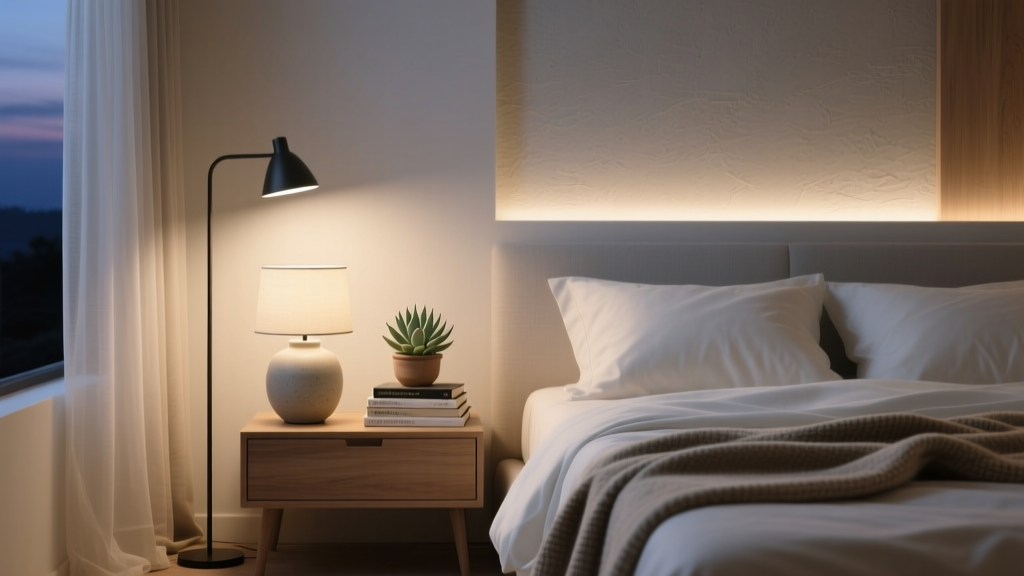
The “best” bedside essential oil roller won’t help much if it’s lost in clutter or squeezed between bright screens and random cords. A sleep-friendly nightstand setup is about access, calm visuals, and minimal stimulation.
Nightstand essentials for a restful bedroom layout
- One small tray: Corral your roller, lip balm, and hand cream. Materials that feel calm: ceramic, wood, travertine, or matte metal.
- Soft, warm lamp: Choose a lamp with a shade that diffuses light (fabric or frosted glass). Aim for 2200K–2700K warm light.
- Book or journal: A low-stimulation alternative to scrolling.
- Carafe or lidded water glass: Hydration without clutter.
- Optional: A small lidded catchall for jewelry to reduce “piles.”
Furniture sizing that prevents visual chaos
- Nightstand height: Ideally level with your mattress top, or within 1–2 inches.
- Surface size: Wide enough for a lamp + tray without crowding (often 18–24 inches wide works well).
- Storage: One drawer is helpful for stashing chargers, meds, or sleep mask—out of sight, out of mind.
Budget ranges for nightstand upgrades
- $40–$120: Compact nightstand, basic table lamp, small tray
- $120–$300: Solid wood veneer nightstand, better drawer hardware, linen shade lamp
- $300–$700+: Solid wood nightstand, integrated cable management, premium lighting and materials
Bedding, Lighting, and Color Choices That Enhance a Bedtime Aromatherapy Routine
Aromatherapy feels most effective in a room that’s already optimized for sleep quality. Think of scent as the finishing touch—not a fix for a bright, noisy, overheated space.
Bedding materials that feel “quiet” and breathable
- Cotton percale: Crisp, cool, great for hot sleepers.
- Washed linen: Textured, airy, relaxed; works beautifully with natural wood tones.
- Cotton sateen: Smoother and slightly warmer, good for cooler rooms.
Budget guide: Quality sheet sets often land around $60–$140 (value), $150–$280 (mid-range), and $300+ (premium).
Lighting that signals “sleep is coming”
- Use layered lighting: Overhead lights for cleaning only; rely on bedside lamps and wall sconces at night.
- Add dimming: A dimmable bulb or plug-in dimmer makes a noticeable difference for melatonin-friendly evenings.
- Avoid harsh blue-white bulbs: Stick to warm temperatures and low glare shades.
Color palettes that support rest
- Soft warm neutrals: Cream, oatmeal, warm gray—pair well with lavender or cedarwood blends.
- Muted greens: Sage, olive-gray—excellent for grounding, spa-like bedroom decor.
- Dusty blues: Calm and classic; keep it muted rather than icy.
How to Use a Bedside Essential Oil Roller for Sleep (Simple, Consistent, Effective)
The goal is to create a repeatable ritual that feels soothing in under two minutes.
A 60–90 second bedtime routine
- Dim the lights (lamp only, overhead off).
- Roll once on each wrist (or inner forearm). If you prefer, roll on the collarbone area—avoid broken skin.
- Breathe slowly for 4 breaths: inhale through the nose, exhale longer than the inhale.
- Optional: Light temple massage using minimal pressure (avoid eyes).
- Place the roller back on the tray—this small reset keeps the nightstand tidy.
Where not to apply
- Right under the nose (too intense for many)
- Near eyes, inside ears, or on mucous membranes
- On irritated skin or fresh shave areas
Sleep-Friendly Wellness Tips That Pair Beautifully with Aromatherapy
- Keep the room cool: Many sleepers do best around 60–67°F (15–19°C). A cooler room makes a calming scent feel even more settling.
- Reduce bedside clutter: Visual noise increases cognitive load. A tray + one drawer can change the entire feel of your sleep environment.
- Make your bed feel “finished”: A simple layered look—fitted sheet, top sheet (optional), duvet, one throw—creates a hotel-like cue for rest.
- Swap scrolling for a low-light activity: Book, gentle stretching, or a quick gratitude note.
- Use sound softness: If your home is noisy, add a small white noise machine or a fabric-upholstered headboard that subtly dampens sound.
Common Mistakes to Avoid
- Choosing a roller with “fragrance” instead of essential oils: Synthetic fragrance can be more irritating and isn’t ideal for a low-toxin bedroom.
- Applying too much: More isn’t better. Over-application can feel stimulating or cause headaches.
- Using peppermint-heavy blends at bedtime: Mint can feel energizing for many people—better for morning routines.
- Letting the nightstand become a charging station: Tangled cords, blinking LEDs, and screen temptation disrupt the sleep environment. Consider a drawer for chargers or a concealed charging setup.
- Ignoring lighting: Bright overhead light cancels the calm you’re trying to build. Warm, dim bedside lighting matters as much as scent.
- Not patch testing: Especially if you have sensitive skin. Try a small amount on the inner forearm first.
FAQ: Bedside Essential Oil Rollers and Bedroom Sleep Environment
Do essential oil rollers actually help with sleep?
They can support relaxation as part of a consistent bedtime routine, especially when paired with a sleep-friendly bedroom setup (dim lighting, cool temperature, comfortable bedding). Results vary, and they work best as a cue for wind-down rather than a standalone solution.
What’s the best essential oil scent for a bedroom?
Lavender is the most commonly loved for bedtime, but many people sleep best with grounding blends like cedarwood + vetiver or gentle florals like chamomile. The best scent is one you personally associate with calm and can use consistently.
Is it safe to use an essential oil roller every night?
For many adults, nightly use is fine when the roller is properly diluted and you’re not experiencing skin irritation. If you have sensitive skin, choose a lower dilution and patch test. If you’re pregnant, nursing, or managing medical conditions, check with a qualified clinician.
Where should I store my roller on the nightstand?
Keep it on a small tray away from direct lamp heat and sunlight. Amber glass helps protect the oils, and a tray prevents it from rolling off or getting lost in clutter.
Roller or diffuser: which is better for a small bedroom?
A roller is often better for small bedrooms because it’s controlled and less likely to overwhelm the room. If you love a diffuser, use it earlier in the evening, keep it clean, and avoid running it all night in a tightly enclosed space.
What should I do if the scent feels too strong at night?
Use a single swipe instead of multiple rolls, switch to a lower-dilution “sensitive” blend, or apply earlier in your routine (15–30 minutes before getting into bed). Also check your lighting—bright light can make everything feel more intense and less restful.
Next Steps: Build a Nightstand Routine That Feels Effortless
Choose a bedside essential oil roller that matches your sleep style—classic floral calm, grounding woods, or a sensitive-skin blend—then give it a proper home on a tidy nightstand tray beside warm, dim lighting. Pair it with breathable bedding, a cool room temperature, and a clutter-minimizing layout. When your bedroom design supports sleep quality, even small rituals become more effective and more enjoyable.
If you’re ready to refine your space further, explore more calming bedroom decor, lighting ideas, and sleep-friendly layout tips on thedecormag.com.
More Articles
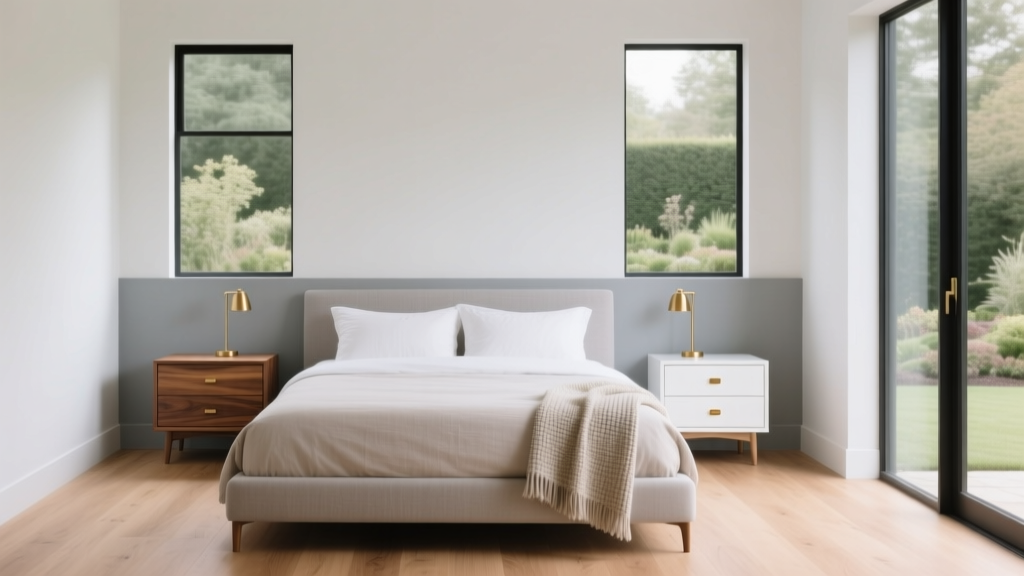 How to Mix Bedroom Furniture Finishes - The Decor Mag
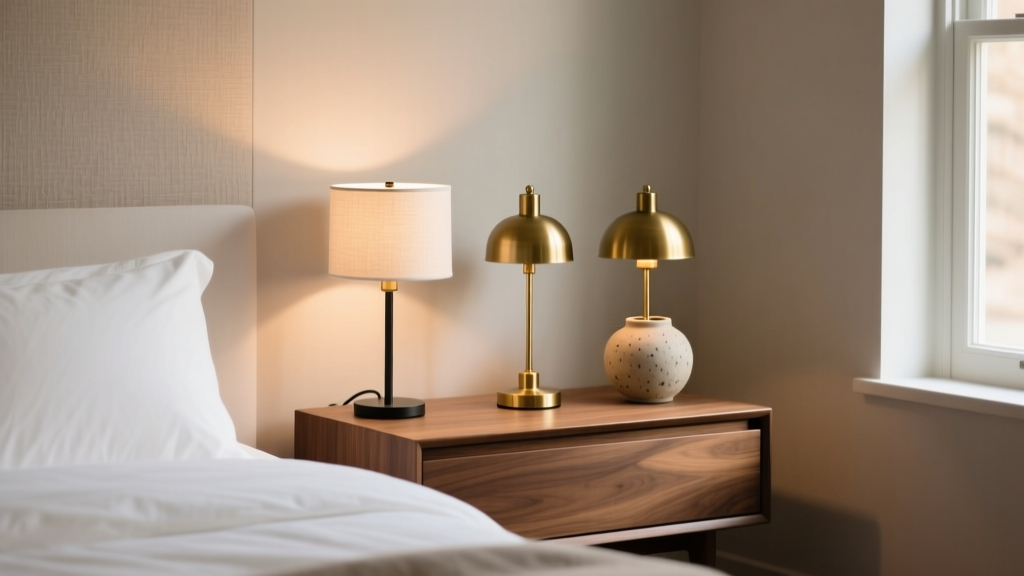 Best Bedroom Lamp Styles for Nightstands - The Decor Mag
 Sustainable Bedroom FAQs Answered: Materials, Certifications, and Real Impact
 Best Bedroom Luggage Storage Solutions - The Decor Mag
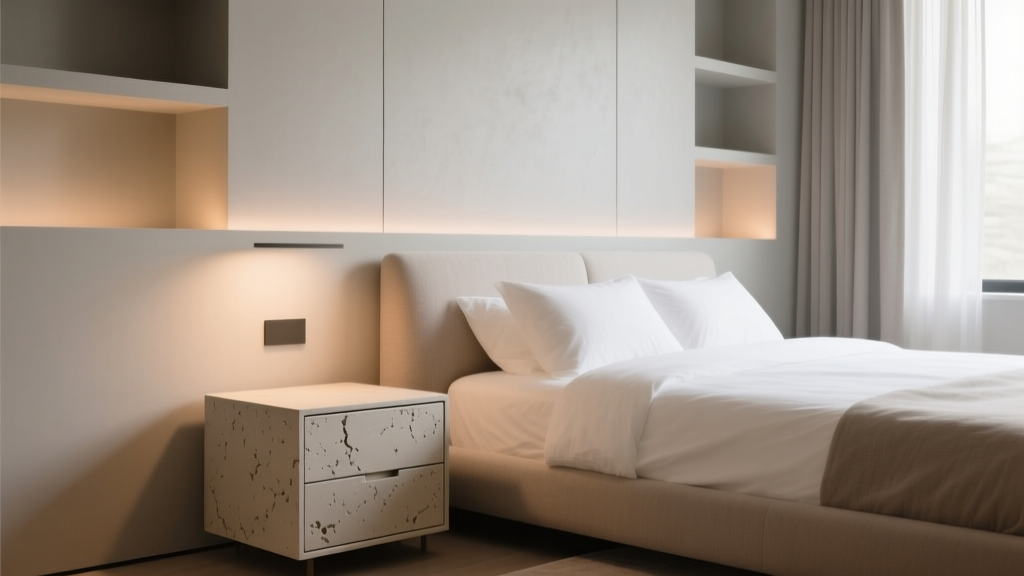 Bedroom Warm Plaster Nightstand Finish - The Decor Mag
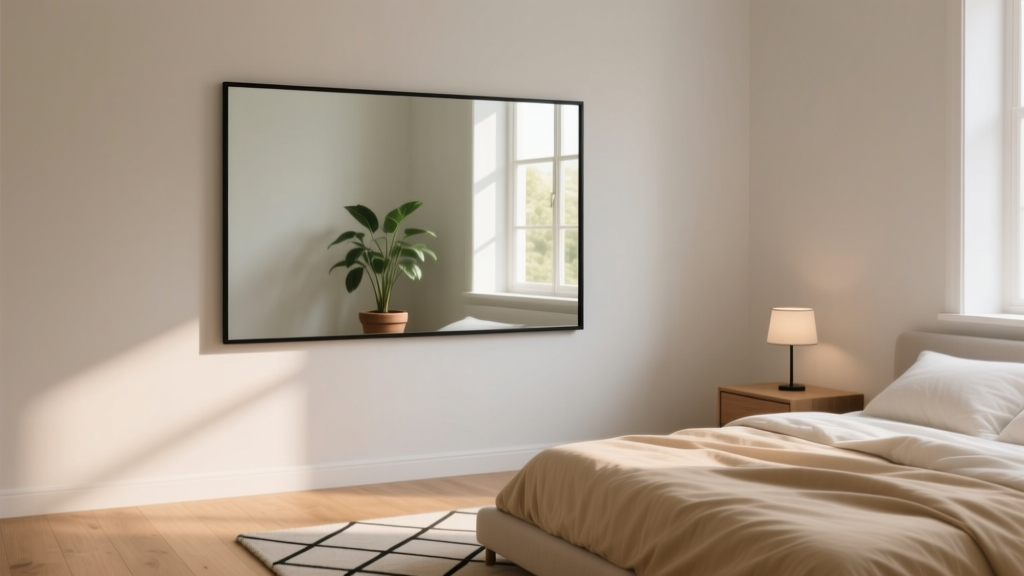 Best Bedroom Mirror Placement Ideas - The Decor Mag
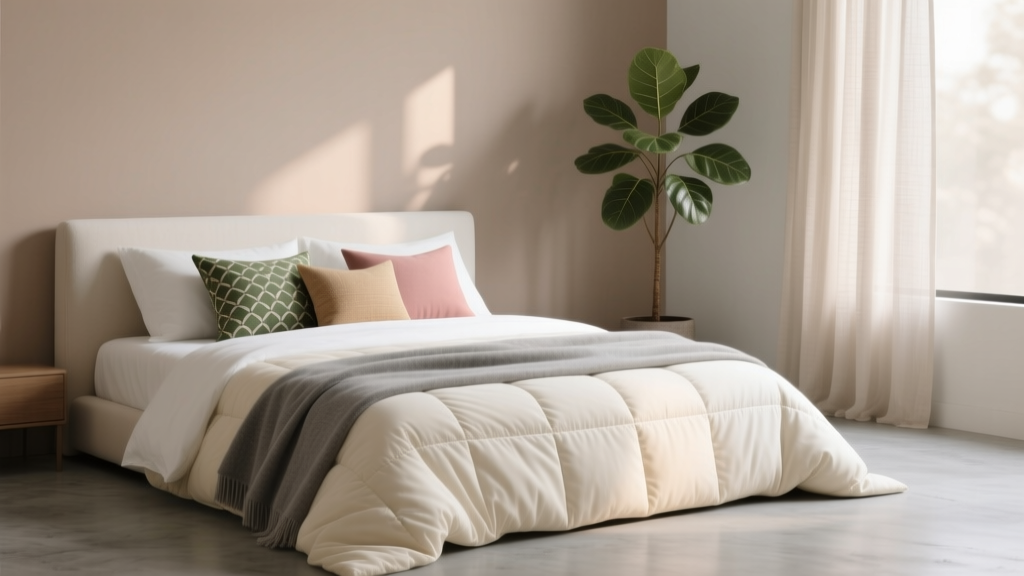 How to Layer Bedding Like a Designer - The Decor Mag
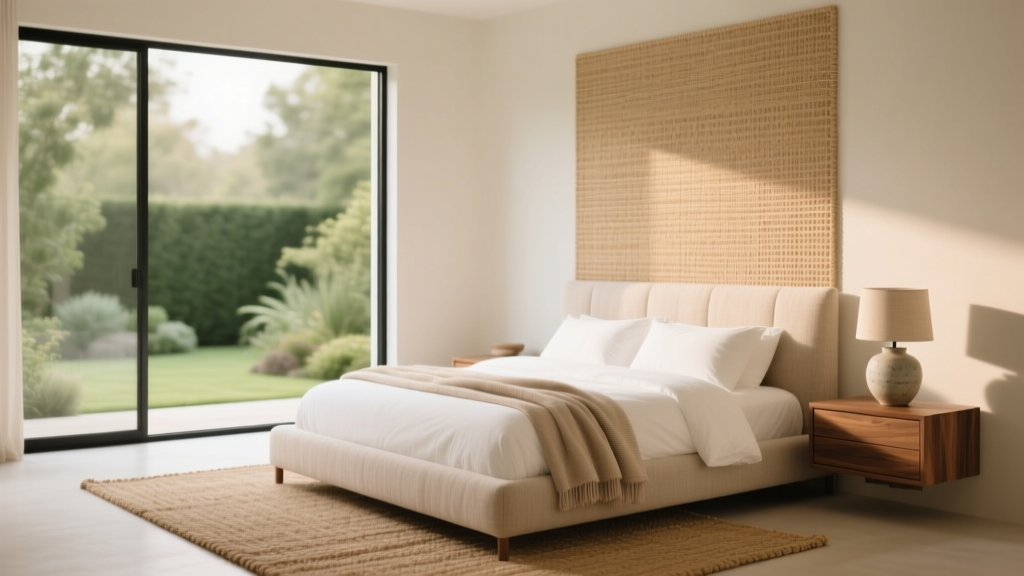 How to Style a Bedroom with Neutral Tones - The Decor Mag
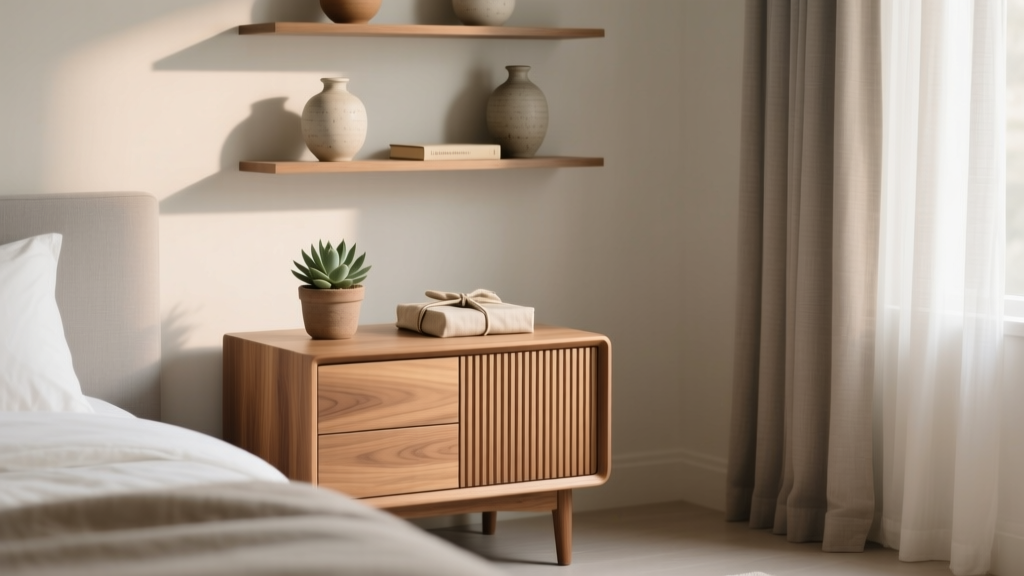 Bedroom Reeded Wood Nightstand Trend - The Decor Mag
 Best Bedroom Nighttime Routine Essentials - The Decor Mag