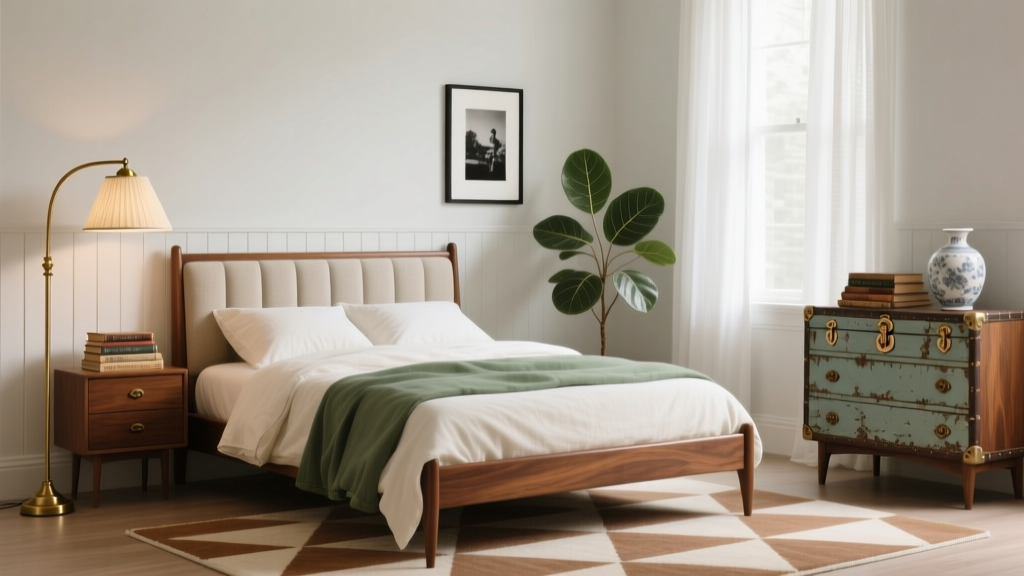
How to Style a Bedroom with Vintage Pieces - The Decor Mag
A bedroom isn’t just a place to store furniture—it’s the room that quietly sets your nervous system’s tone each night. The textures you touch, the light you fall asleep under, the visual “noise” in your line of sight, and even the air flow around the bed all shape how easily you unwind. When the bedroom design supports calm, your body gets the signal that it’s safe to rest, making it easier to fall asleep and stay asleep.
Vintage pieces have a special advantage in a sleep space: they bring warmth, patina, and a sense of story without needing busy patterns or trendy accents. A well-chosen vintage dresser, a pair of aged brass sconces, or a simple iron bed frame can make a bedroom feel grounded and comforting—exactly the mood you want for a sleep-friendly environment. The key is styling vintage in a way that looks curated rather than cluttered, and cozy rather than heavy.
This guide walks you through practical, calming ways to blend vintage bedroom decor with modern comfort. You’ll find furniture and layout suggestions, bedding and color recommendations, lighting choices for better sleep quality, realistic budget ranges, and the most common mistakes that disrupt both style and rest.
Start with a Sleep-First Foundation
Before hunting for the perfect antique nightstand, set your bedroom up to support sleep. A beautiful room that’s too bright, too noisy, or too crowded will never feel truly restful.
Prioritize the “sleep triangle”: bed, light, air
- Bed: Invest in a supportive mattress and breathable bedding. Vintage style shines when the bed feels inviting, not stiff or overly formal.
- Light: Aim for layered lighting with warm bulbs and minimal glare—especially near the bed.
- Air: Keep airflow unobstructed around the bed; avoid pushing bulky pieces tight against sleep zones.
Quick wellness checklist before you style
- Blackout or room-darkening curtains for deeper sleep (especially in city apartments)
- Warm lighting (2700K or lower) to support melatonin production
- A clutter plan: one closed storage piece (dresser/wardrobe) plus one catchall tray
- Quiet comfort: rug or runner to absorb sound if you have hard floors
Choose a Vintage Direction That Fits Your Space
“Vintage” is a wide umbrella. Picking a lane makes your bedroom design feel intentional and prevents the mismatched, flea-market-everything look.
Popular vintage bedroom styles (and what works best for sleep)
- Mid-century modern: Clean lines, warm woods, minimal ornamentation. Great for small bedrooms and low visual clutter.
- French or European cottage: Curved silhouettes, linen, soft whites, antique brass. Naturally soothing when kept light and airy.
- Traditional/colonial: Sturdy wood furniture, classic shapes, deeper tones. Cozy, but needs careful lighting to avoid feeling heavy.
- Art Deco touches: Glam details like scalloped mirrors or ribbed glass lamps. Best as accents rather than the whole room for a calm sleep environment.
A simple rule: match era OR match materials
If your pieces come from different decades, unify them through material and finish. For example: walnut + aged brass + creamy textiles can tie together 1950s, 1970s, and contemporary pieces seamlessly.
Vintage Furniture That Works Hard (Without Crowding the Room)
In a bedroom, fewer pieces done well beats a room full of “interesting” finds. Choose vintage furniture that improves function—storage, bedside convenience, and a stable focal point.
1) The bed: your anchor piece
A vintage-inspired bed frame sets the tone instantly. Look for strong structure, quiet hardware (no rattling), and a shape that complements your ceiling height.
- Vintage metal bed frames: Iron or brass finishes add charm without visual bulk. Budget: $150–$800 depending on condition and size.
- Wood bed frames (spindle or simple panel): Warm and timeless. Budget: $250–$1,200.
- Upholstered vintage-style headboards: Consider performance fabric for easy cleaning and a softer feel for reading in bed. Budget: $200–$900.
Sleep-friendly tip: If you buy a true vintage bed frame, test it for squeaks and stability. Loose joints and noisy movement can disrupt sleep quality.
2) Nightstands: mismatched can look curated
Vintage nightstands are one of the easiest upgrades for a more elevated bedroom decor look.
- Best vintage nightstand types: small commodes, side tables with a drawer, campaign-style tables, or a compact chest.
- Ideal height: top surface within 2–4 inches of your mattress height for easy reach.
- Budget range: $60–$350 each at thrift/marketplace; $300–$900 each for refinished or specialty pieces.
3) Dressers and wardrobes: calm comes from closed storage
Open shelving often turns into visual clutter, which can subtly raise stress at bedtime. A vintage dresser gives you storage and character in one step.
- Materials to look for: solid wood (oak, walnut, maple), dovetail joints, smooth drawer glide.
- Hardware: original brass pulls are a bonus; replacements should match the era’s scale.
- Budget range: $150–$600 for solid finds; $600–$1,500 for restored statement pieces.
4) Seating: only if it supports your routine
A vintage chair or bench is beautiful, but in a sleep-focused room it should serve a purpose: reading, dressing, or setting out tomorrow’s outfit.
- Best picks: a small slipper chair, a rattan chair with a cushion, or an end-of-bed bench with hidden storage.
- Skip: extra seating that becomes a “clothes chair.” If you add a chair, pair it with a lidded basket nearby.
Bedding and Textiles: Make Vintage Feel Soft, Not Stuffy
Vintage styling can lean formal if you aren’t careful. Bedding is where you introduce modern comfort and a breathable sleep environment.
Best fabric choices for sleep quality
- Washed linen: airy, temperature-regulating, relaxed look that pairs well with antiques. Duvet set: $180–$450.
- Long-staple cotton percale: crisp and cool for warm sleepers. Sheet set: $90–$250.
- Cotton sateen (lightweight): smooth and cozy for cooler climates. Sheet set: $100–$300.
- Wool or wool-blend throw: breathable warmth without overheating. Throw: $80–$250.
Vintage patterns: use them in small doses
Florals, ticking stripes, and toile can be charming, but too much pattern near the bed can feel visually busy. A restful bedroom design usually benefits from quieter bedding with one accent.
- Choose solid or subtle bedding and add one vintage-patterned pillow or quilt.
- Repeat pattern once more in the room (a lampshade or curtain trim) to look intentional.
Rugs and curtains for quiet comfort
- Vintage-style wool rug: soft underfoot, helps absorb sound. 5x8: $150–$700; 8x10: $300–$1,200.
- Curtains: layer sheers + blackout panels for daytime softness and nighttime darkness. Panels: $50–$250 per window depending on fabric and length.
Lighting: Vintage Glow, Better Sleep
Lighting is one of the most overlooked parts of bedroom design for sleep. Vintage lighting can be especially flattering because it often uses warmer materials (brass, glass, pleated shades) that naturally soften a room.
Build a 3-layer lighting plan
- Ambient: a ceiling fixture or semi-flush mount with a dimmer.
- Task: bedside lamps or wall sconces for reading.
- Low light: a small, warm night light or lamp on a low surface for nighttime navigation.
What to look for in vintage-style lighting
- Bulbs: 2200K–2700K warm white; choose dimmable LEDs for flexibility.
- Shades: fabric, parchment, or frosted glass reduce glare and harsh shadows.
- Placement: bedside light should land around shoulder height when seated in bed.
Sleep-friendly tip: Avoid bright, uncovered bulbs in the bedroom. Glare can keep your brain alert, even if the room looks stylish.
Color Palettes That Let Vintage Pieces Shine
Color affects mood and relaxation. A calm color palette supports a smoother wind-down routine and can make vintage furniture feel cohesive instead of random.
Easy, restful vintage-friendly palettes
- Warm neutrals: creamy white, oatmeal, camel, aged brass. Great for renters because it works with many wall colors.
- Soft heritage tones: dusty sage, muted navy, clay, and warm wood tones for a grounded feel.
- Powdery pastels (done quietly): pale blush, mist blue, or lavender-gray paired with natural linen.
Paint and finish tips
- Choose matte or eggshell wall paint to reduce glare and create a softer look.
- If refinishing furniture, avoid super glossy polyurethane; a satin or matte finish looks more authentic and calming.
Layout Tips: Make Vintage Feel Airy
Vintage pieces can be visually dense. A thoughtful bedroom layout keeps the room breathable—helpful for both relaxation and movement.
Bedroom layout guidelines that support rest
- Keep pathways clear: aim for 24–30 inches of walking space where possible.
- Let the bed breathe: avoid wedging the bed between tall furniture pieces; it can feel boxed in.
- Use symmetry at the bed: matching lamps (even on mismatched nightstands) creates a calm, balanced look.
- Anchor with a rug: place at least the front two-thirds of the bed on the rug for comfort and sound absorption.
Small bedroom or rental? Try these vintage-forward swaps
- Replace a bulky nightstand with a vintage wall shelf or small pedestal table.
- Use a tall vintage dresser to reduce the furniture footprint.
- Choose plug-in sconces for a vintage look without hardwiring.
Accessories and Styling: Curated, Not Cluttered
Accessories are where personality comes in, but too many objects can make it harder to mentally “switch off.” Keep surfaces calm and meaningful.
Vintage accents that add charm without chaos
- Mirror: an ornate or simple vintage mirror helps bounce soft light (avoid reflecting the bed if it feels distracting).
- Art: one large piece or a tight pair of prints feels calmer than a scattered gallery wall.
- Textiles: a single quilt, kantha throw, or embroidered pillow adds vintage texture fast.
- Storage baskets: lidded natural-fiber baskets for blankets or reading items.
A simple styling formula for surfaces
- One functional item: lamp, tray, or small dish for essentials.
- One natural element: plant, branch in a vase, or a bowl in wood/stone.
- One personal piece: framed photo or a book you truly love.
Sleep-Friendly Considerations When Buying Vintage
True vintage pieces can come with hidden issues. A few checks protect your sleep environment and indoor air quality.
- Inspect for odors and moisture: musty smells can linger; avoid pieces with obvious water damage.
- Check drawers and interiors: look for signs of pests; vacuum and wipe down thoroughly before bringing into the bedroom.
- Be mindful with refinishing: allow painted or sealed furniture to off-gas in a ventilated area before placing near the bed.
- Choose low-VOC products: when painting or sealing, opt for low-VOC or zero-VOC finishes where possible.
Common Mistakes to Avoid
- Overfurnishing: too many vintage pieces can make the bedroom feel crowded and reduce the calming effect of the space.
- All dark, all heavy: dark wood + heavy drapes + low light can feel gloomy. Balance with lighter bedding and warmer bulbs.
- Using harsh overhead lighting only: a single bright ceiling light can sabotage a relaxing bedtime routine.
- Ignoring comfort for aesthetics: scratchy bedding, squeaky bed frames, and inadequate pillows will undo even the best bedroom decor.
- Too many small accessories: clustered knickknacks read as clutter and can raise stress at night.
- Buying without measuring: vintage furniture can run larger or taller than modern pieces—measure doorways, stairwells, and wall space.
FAQ: Styling a Bedroom with Vintage Pieces
How do I mix vintage and modern without it looking mismatched?
Repeat two or three elements across the room—like warm wood tones, brass accents, or a consistent color palette. Keep modern items simple (clean-lined bed frame, minimal bedding) so vintage pieces become the character moments.
What are the best vintage pieces to start with on a budget?
Start with one of these high-impact, easy-to-find items:
- A vintage nightstand ($60–$200)
- A dresser with solid wood construction ($150–$500)
- Vintage-style lamps with warm shades ($40–$150 each)
Are vintage rugs okay for bedrooms if I have allergies?
They can be, but choose a wool rug that’s been cleaned professionally, and vacuum with a HEPA filter regularly. If allergies are severe, consider a new vintage-inspired rug (low-pile wool or washable options) for better control of dust.
What lighting is best for a sleep-friendly bedroom with vintage decor?
Use warm, dimmable lighting (2200K–2700K) with shaded lamps or sconces. Keep brighter task lighting away from the bed, and avoid cool white bulbs that feel energizing at night.
How can renters add vintage charm without painting walls?
Bring in vintage through removable layers: plug-in sconces, a vintage mirror, a patterned rug, linen curtains, and a wood dresser. These add depth and warmth while keeping the space landlord-friendly.
Should I worry about lead paint on vintage furniture?
If a piece is very old and has chipping paint—especially on children’s furniture—use caution. For bedroom use, choose pieces in stable condition, seal appropriately with a safe finish if refinishing, and avoid sanding unknown paint without testing.
Next Steps: A Calm Plan for a Vintage-Style Bedroom
For a bedroom that feels both vintage and deeply restful, build the room in layers:
- Set the sleep foundation: blackout curtains, warm lighting, breathable bedding.
- Choose one anchor vintage piece: bed frame or dresser.
- Add supportive companions: nightstands, a rug, and soft window treatments.
- Edit accessories: fewer, larger accents for a calmer sleep environment.
If you’d like more calming bedroom design ideas, vintage decor inspiration, and sleep-friendly styling tips, explore more guides on thedecormag.com.
More Articles
 Best Bedroom Storage Solutions Under Bed - The Decor Mag
 Best Bedroom Lingerie Drawer Organizers - The Decor Mag
 Plaster Range Hood Headboard for Bedrooms
 Best Bedroom Bedside Notebook and Pen - The Decor Mag
 Bedroom Rattan Furniture Trends - The Decor Mag
 Best Bedroom Hat Storage Display - The Decor Mag
 Modern Bedroom Design on a Budget: Smart, Stylish, and Sustainable Solutions
 Best Bedroom Ceiling Fan Options - The Decor Mag
 Handmade Ceramics in Bedrooms (2026)
 How to Create a Bedroom That Feels Timeless - The Decor Mag