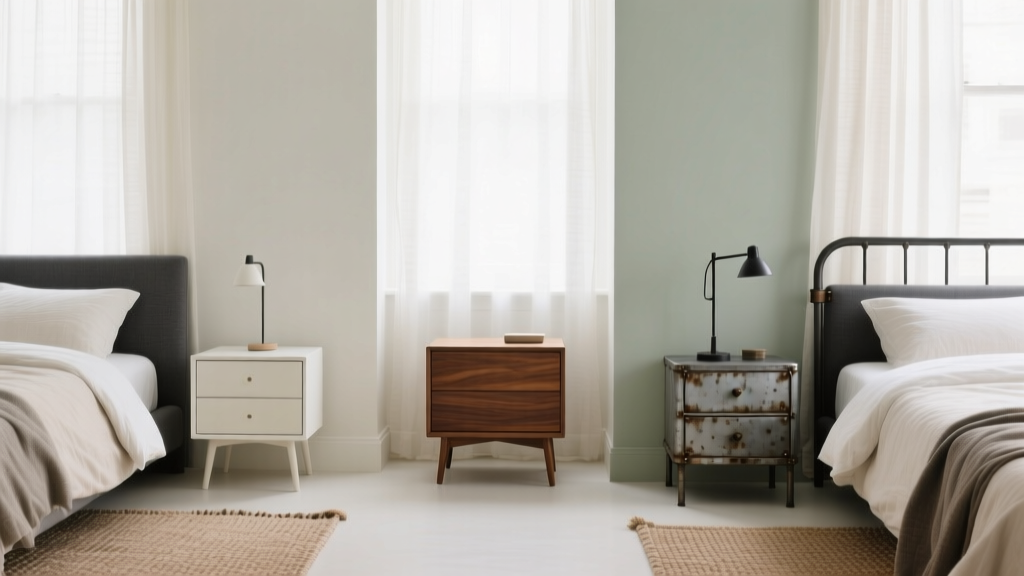
The Best Nightstands for Every Bedroom Style - The Decor Mag
A nightstand is one of those quiet bedroom essentials that shapes your sleep more than you’d expect. It holds the last things you touch at night and the first things you reach for in the morning—your book, water, lamp, lip balm, or phone (ideally charging away from your pillow). When your bedside setup is calm and functional, your mind gets a subtle signal: this space is for rest.
In a well-designed sleep environment, the nightstand acts like a “landing zone” that reduces clutter and decision fatigue. A stable surface, the right height, and thoughtful storage can prevent nightly micro-annoyances—knocking over a glass, hunting for tissues in the dark, or letting cords tangle into a stressful mess. The result is a bedroom that supports relaxation, healthier sleep habits, and a more soothing bedtime routine.
This guide breaks down the best nightstands for every bedroom style, plus practical sizing, material, and layout tips—so you can choose a piece that looks right, works hard, and helps your bedroom feel more restful.
How to Choose the Right Nightstand (Before You Pick a Style)
Get the Height Right for Better Sleep Comfort
The best nightstand height keeps everything within easy reach while you’re lying down. Too low and you’ll strain; too high and it feels awkward and top-heavy.
- Ideal height: The nightstand top should be level with your mattress top or within about 1–3 inches higher.
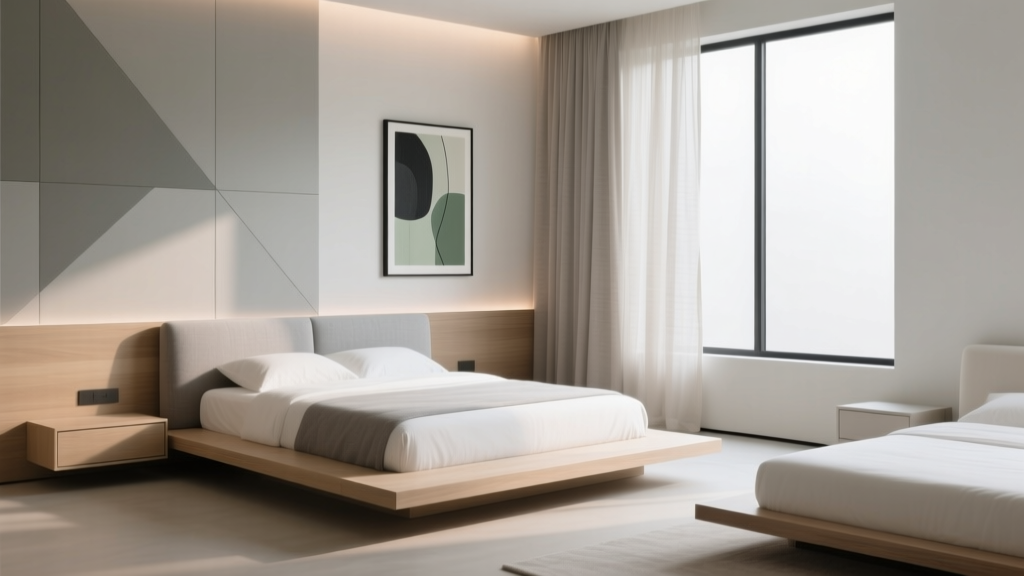
- Low platform beds: Consider a 18–22 inch nightstand or a low-profile cabinet.
- Taller beds: Look for 24–30 inch nightstands (and measure your mattress height, not the bed frame).
Choose Storage Based on Your Bedtime Routine
Think in terms of what you want visible (calm, minimal) versus what you want tucked away (clutter). A sleep-friendly bedroom design usually benefits from at least one drawer.
- Open shelf: Great for books, a basket, or a diffuser (if you use one).
- One drawer: Ideal for chargers, hand cream, sleep mask, earplugs, or meds (safely stored).
- Two+ drawers: Best for small bedrooms where bedside storage replaces a dresser.
- Cabinet door: Helps hide bulkier items and keeps the visual field calmer.
Size and Clearance: Keep the Bedroom Feeling Airy
- Width: Aim for 16–24 inches wide for most bedrooms. Larger beds (queen/king) can handle 24–30 inches.
- Depth: 14–18 inches is practical without crowding walkways.
- Walkway clearance: Try to keep 24–30 inches of clear space beside the bed for easy movement and less nighttime bumping.
Budget Ranges (What to Expect)
- Budget: $50–$150 (flat-pack, laminate, simple metal frames)
- Mid-range: $150–$400 (solid wood veneers, soft-close drawers, better hardware)
- Investment: $400–$1,000+ (solid hardwood, artisan finishes, heirloom quality)
Best Nightstands for Every Bedroom Style
Modern Minimalist: Clean Lines, Calm Surfaces
For a modern minimalist bedroom, choose a nightstand that looks visually quiet—flat fronts, hidden pulls, and a matte finish. Minimalism supports sleep by reducing visual noise and making the room feel less “busy.”
Best nightstand types:
- Floating wall-mounted nightstand (great for small bedrooms)
- Handleless one-drawer box nightstand
- Slim metal-and-wood table with a lower shelf
Materials and finishes: matte lacquer, light oak veneer, walnut, powder-coated steel.
Sleep-friendly styling:
- Use a single warm bedside lamp (2700K) and keep the top surface 60–70% clear.
- Add a small tray to corral essentials (glasses, lip balm, ring dish) and prevent nighttime clutter.
Scandi & Japandi: Warm Wood + Soft Simplicity
Scandinavian and Japandi bedroom decor tends to feel naturally restful: light wood, gentle curves, and functional storage. These styles pair beautifully with breathable bedding and a neutral color palette.
Best nightstand types:
- Solid or veneered wood nightstand with tapered legs
- One drawer + open shelf combo
- Compact bedside cabinet in ash, oak, or birch
Materials and finishes: oak, ash, birch; matte clear coat; woven cane detail (use sparingly for texture).
Color suggestions: warm whites, oatmeal, pale greige, soft clay, muted sage.
Wellness tip: Pair with a linen or cotton percale duvet cover for a cool, crisp sleep environment, especially if you run warm at night.
Traditional & Classic: Timeless Pieces That Feel Grounding
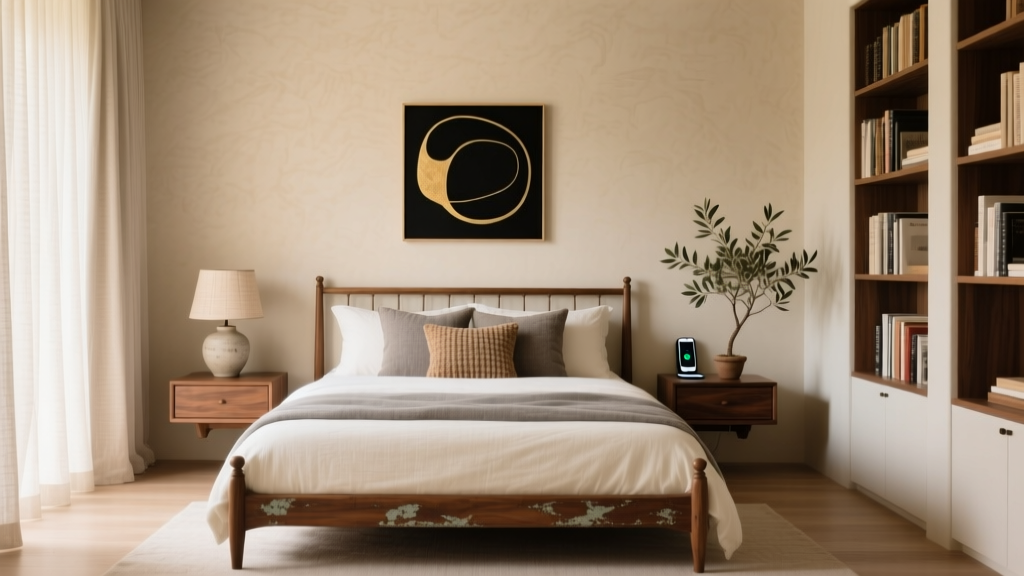
Traditional bedroom design thrives on symmetry and a sense of order—both helpful for winding down. A classic nightstand with drawers keeps bedside clutter contained and creates a stable, settled feel.
Best nightstand types:
- Two-drawer nightstand with furniture-style hardware
- Small bedside chest for extra storage
- Nightstand with a lower shelf for books or a basket
Materials and finishes: cherry, mahogany stain, painted wood (cream, navy, soft black), brass or antique bronze pulls.
Lighting recommendation: A fabric-shade table lamp softens the room. Choose a shade that hides the bulb and prevents glare when you’re in bed.
Boho & Eclectic: Texture-Rich, Relaxed, and Personal
A boho bedroom can still be sleep-friendly when you keep the nightstand surface edited. The key is texture without chaos: woven materials, rounded edges, and warm tones that feel calming at night.
Best nightstand types:
- Rattan or cane-front nightstand (with at least one closed compartment)
- Wood stool or drum table for very small spaces
- Vintage bedside cabinet with unique hardware
Materials and finishes: rattan, mango wood, reclaimed wood, ceramic accents.
Sleep-friendly styling:
- Use a lidded box or small basket inside the shelf to hide chargers and small items.
- Choose a warm-toned bulb and avoid bright, cool lighting that can feel energizing before bed.
Coastal & Airy: Light Finishes That Brighten Without Overstimulating
Coastal bedroom decor can feel fresh and soothing when the palette is soft rather than stark. Look for nightstands that keep the room light but still offer practical storage.
Best nightstand types:
- White or sand-toned nightstand with beadboard or subtle paneling
- Light oak nightstand with simple hardware
- Nightstand with a drawer + shelf (for baskets and bedtime books)
Materials and finishes: painted wood, bleached oak, matte nickel hardware.
Color suggestions: warm white, misty blue, sea glass green, sandy beige.
Wellness tip: Keep nighttime hydration close. A stable nightstand paired with a covered carafe or spill-resistant bottle helps prevent sleep disruptions.
Industrial & Urban: Metal, Wood, and Smart Function
Industrial style can work beautifully in a bedroom when you soften it with warm lighting and textiles. The best industrial nightstands have strong lines, sturdy frames, and storage that prevents clutter from taking over.
Best nightstand types:
- Metal-frame nightstand with a wood top + drawer
- Locker-style bedside cabinet (surprisingly practical)
- Compact filing-cabinet style piece for tight spaces
Materials and finishes: blackened steel, distressed wood, matte hardware.
Sleep-friendly pairing: Add a soft rug beside the bed to reduce noise and create a warmer landing for your feet in the morning.
Farmhouse & Rustic: Cozy, Practical, and Bedroom-Friendly
Rustic and farmhouse bedrooms feel inherently comforting—ideal for rest—when the finishes are warm and the silhouette isn’t too bulky for the room.
Best nightstand types:
- Chunky wood nightstand with a roomy drawer
- Nightstand with barn-door-style cabinet front (use if you need hidden storage)
- Vintage side table with a lower shelf
Materials and finishes: solid pine, oak, reclaimed wood; warm stains; aged iron pulls.
Practical tip: Rustic nightstands can be heavy visually—balance with lighter bedding (white or oatmeal) and a simple lamp silhouette.
Small Bedroom or Studio: Space-Saving Nightstands That Still Feel Calm
In a small bedroom, the “best nightstand” might be a narrow ledge, a wall-mounted shelf, or a compact cabinet. The goal is a functional sleep setup without crowding your circulation space.
Best nightstand types:
- Floating nightstand (creates floor space and makes cleaning easier)
- Narrow pedestal with one drawer
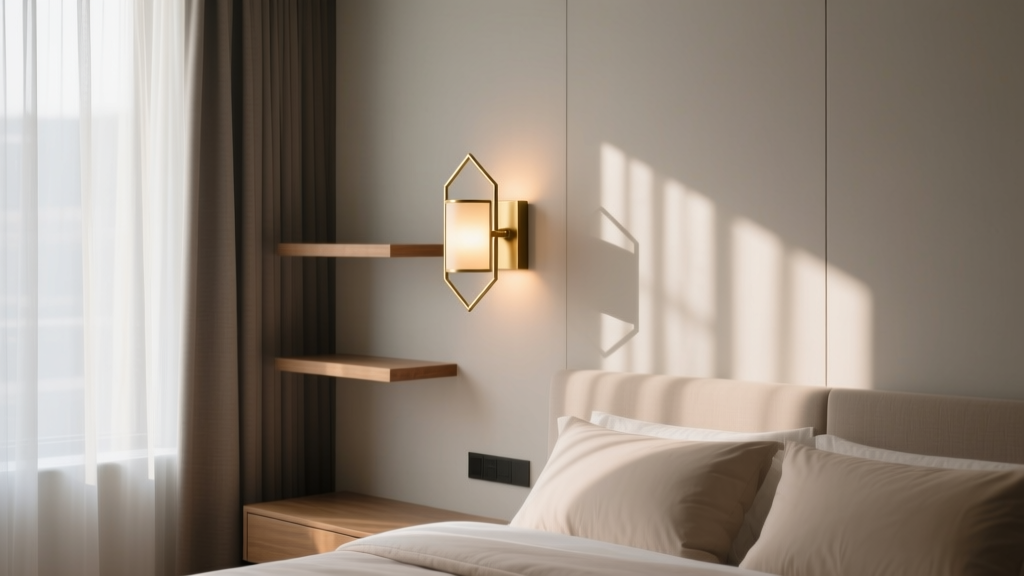
- Bedside shelf paired with a wall sconce to free up surface area
- Rolling cart (only if it feels stable and doesn’t rattle)
Layout tip: If your bed is tight to a wall on one side, use one full nightstand on the open side and a slim shelf on the wall side for visual balance.
Sleep-Friendly Nightstand Setup: Lighting, Layout, and Bedside Essentials
Choose Bedroom Lighting That Supports Melatonin
- Use warm light bulbs (2200K–2700K) in bedside lamps for a softer glow.
- Consider dimmable lamps or a dimmer switch to transition into sleep.
- If possible, add a wall sconce for reading so the nightstand stays uncluttered.
Create a Calm Bedside “Menu” (What Belongs on Top)
A restful bedroom decor approach is less about having nothing, and more about keeping only what supports sleep.
- A lamp or sconce switch within easy reach
- Water (covered cup or bottle)
- Book or e-reader (avoid doom-scrolling triggers)
- Small tray for essentials (glasses, lip balm, hand cream)
- Optional: analog clock (dimmable or no glow)
Keep Charging Under Control
- Use a nightstand with a drawer or cable cutout to hide cords.
- Try a charging station placed inside the drawer (with ventilation and safe cable routing).
- If your goal is better sleep quality, consider charging your phone across the room and using a simple alarm clock.
Common Nightstand Mistakes to Avoid
- Choosing the wrong height: A nightstand that’s far below mattress height leads to awkward reaching and nighttime spills.
- Oversizing in a small bedroom: Bulky nightstands steal walking space and make the room feel cramped—often increasing stress.
- All open storage: Open shelves can look cluttered quickly, creating visual noise that undermines a calm sleep environment.
- Harsh lighting: Bright, cool bulbs (4000K+) can feel clinical and disrupt wind-down routines.
- Clutter creep: Piles of mail, skincare overflow, and random cords turn the bedside into a to-do list.
- Ignoring stability: Wobbly tables or lightweight stands are a recipe for nighttime frustration.
FAQ: Nightstands and Bedroom Design for Better Sleep
What is the best nightstand height for my bed?
Aim for the nightstand top to be level with your mattress top or within about 1–3 inches higher. Measure from the floor to the top of your mattress (not the frame) to choose the most comfortable height.
Do I need two nightstands?
Not always. Two nightstands create symmetry that many people find calming, but one nightstand can work well in small bedrooms or if only one side of the bed is accessible. For visual balance, pair a single nightstand with a floor lamp or wall sconce on the other side.
What materials are best for a sleep-friendly bedroom?
Materials that feel warm and stable tend to support a restful mood: solid wood or wood veneer, matte finishes, and soft-edged silhouettes. If you choose metal or glass, offset it with warm lighting and cozy textiles to keep the bedroom from feeling too stark.
Are floating nightstands sturdy enough?
Yes—when installed properly into studs (or using appropriate wall anchors rated for the load). Floating nightstands are excellent for small bedrooms because they free floor space and make the room feel lighter.
How do I keep my nightstand from looking cluttered?
Use a simple system: a small tray for daily essentials, one drawer for cords and extras, and a “one-in, one-out” rule for books and miscellaneous items. Keeping 60–70% of the surface clear helps the bedroom feel calmer at night.
Should I keep my phone on my nightstand?
If you’re working on better sleep quality, consider charging your phone farther from the bed and using a gentle alarm clock. If you do keep it bedside, hide the charger in a drawer, silence notifications, and avoid placing the screen face-up where it’s tempting to check.
Next Steps: Choose a Nightstand That Makes Bedtime Easier
Start by measuring your mattress height and the available space beside your bed. Then choose the nightstand style that matches your bedroom decor while supporting your routine—closed storage for clutter, warm lighting for winding down, and a surface that stays mostly clear. A calm bedside setup is one of the simplest upgrades you can make to improve your sleep environment.
For more soothing bedroom design ideas, storage solutions, and sleep-friendly decor inspiration, explore the latest guides on thedecormag.com.
More Articles
 Best Bedroom Scarf and Accessory Storage - The Decor Mag
 Beyond the Accent Lamp: 7 Thoughtful, Functional Bedside Alternatives for Modern Bedrooms
 Best Bedroom Bench Options for Foot of Bed - The Decor Mag
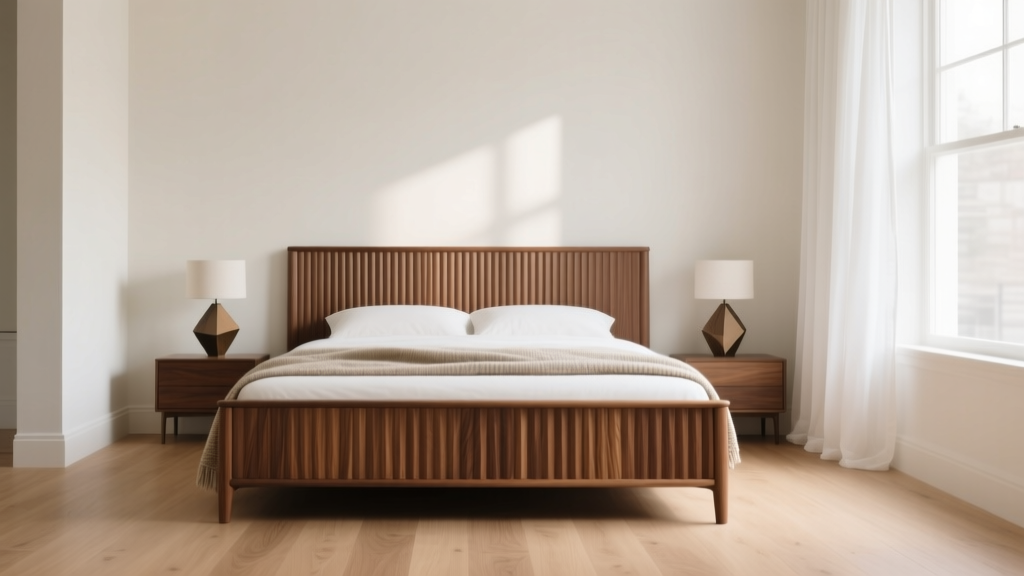 Bedroom Fluted Wood Bed Frame Trend - The Decor Mag
 How to Choose Bedroom Art for Relaxation - The Decor Mag
 Bedroom Curtains for Better Sleep (2026)
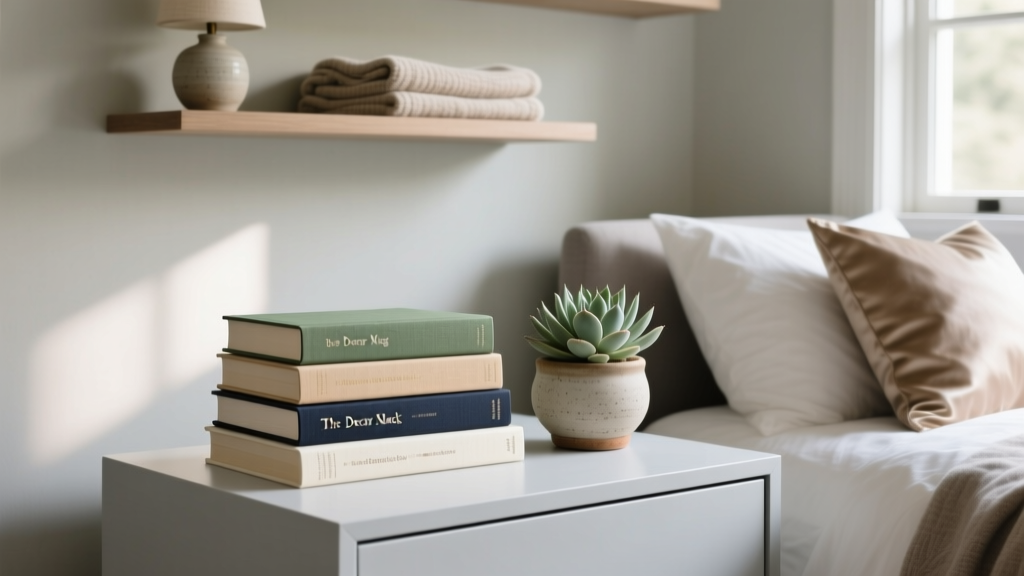 Best Bedroom Bedside Reading Stack - The Decor Mag
 Best Bedroom Sconce Lighting Options - The Decor Mag
 Bedroom Low Profile Bed Frame Styles - The Decor Mag
 How to Create a Bedroom That Feels Timeless - The Decor Mag