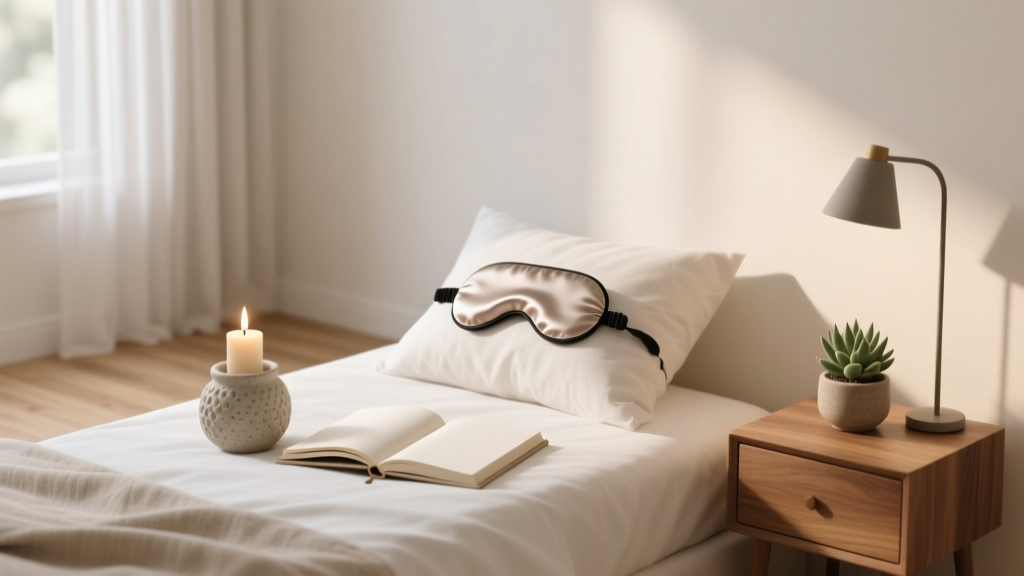
Best Bedroom Wind Down Ritual Items - The Decor Mag
The way your bedroom looks, feels, and functions has a direct relationship with how easily you fall asleep and how deeply you rest. A calming sleep environment reduces the “friction” between a busy day and bedtime—less visual clutter, gentler lighting, fewer interruptions, and more comfort cues for your nervous system. When your space supports a consistent wind down routine, your brain begins to associate the bedroom with safety and sleep rather than screens, stress, and unfinished tasks.
A wind down ritual doesn’t need to be elaborate. It’s a small sequence of soothing actions supported by a few well-chosen bedroom decor and wellness items: soft light, tactile comfort, a place to set your phone down, a scent that signals “night,” and a layout that feels easy to move through. Think of these items as sleep-friendly tools—designed to make bedtime simple, predictable, and calming.
Below are the best bedroom wind down ritual items to consider, along with practical design tips, material recommendations, and realistic budget ranges for homeowners and renters creating a better bedroom space for rest and relaxation.
Start with the Bedroom Basics: The Sleep-Friendly Foundation
1) A supportive mattress and breathable bedding (the non-negotiables)
If your mattress and bedding aren’t comfortable, no candle or playlist will make up for it. Comfort is also a design choice: the right materials regulate temperature, reduce tossing, and make the bed feel inviting—helping bedtime feel like a reward.
- Mattress type: Look for medium to medium-firm support for most sleepers, with pressure relief at shoulders and hips.
- Cooling materials: Natural latex, pocketed coils, and breathable foams tend to sleep cooler than dense memory foam.
- Budget range: $500–$2,000+ (queen). A noticeable jump in quality often appears around $900–$1,500.
Bedding for a calmer sleep environment:
- Sheets: Long-staple cotton percale (crisp, cool), cotton sateen (smooth, slightly warmer), or linen (highly breathable, relaxed look).
- Duvet insert: Choose weight by season—lightweight for warm sleepers, all-season for most rooms.
- Comfort layer: A quilt or coverlet adds texture and a hotel-like “finished” feel without extra heat.
- Budget range: $60–$180 (sheets), $80–$250 (duvet insert), $50–$200 (coverlet/quilt).
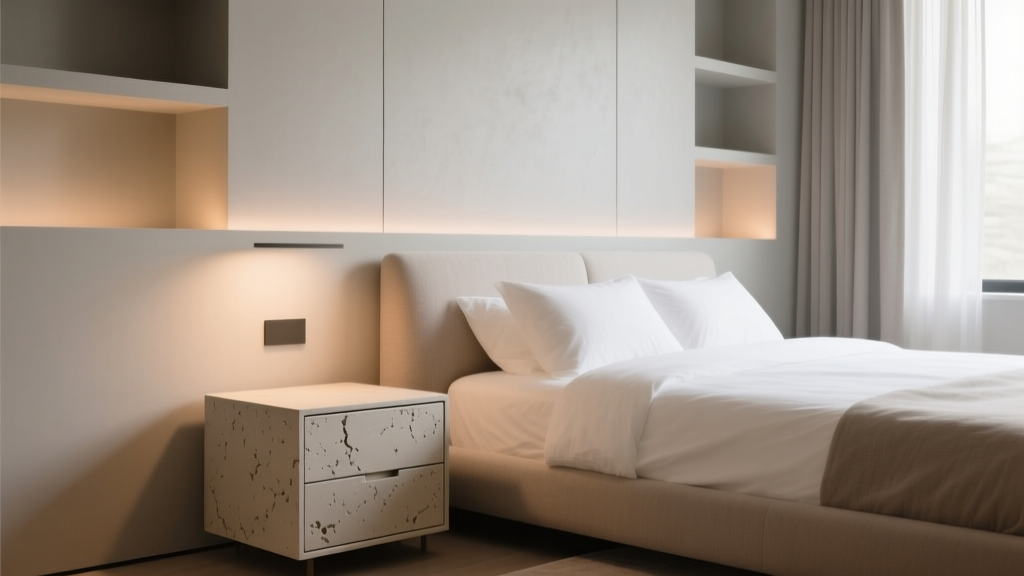
2) A tidy, reachable nightstand that supports your nightly ritual
A bedside table is a functional ritual station. The goal is to reduce bedtime decisions and keep essentials within arm’s reach—so you’re not getting up, turning on harsh lights, or scrolling to find what you need.
- Best nightstand features: One drawer for visual calm, one open shelf for a book or basket, and a surface large enough for a lamp plus water.
- Materials: Solid wood, wood veneer, or powder-coated metal. Avoid strong off-gassing finishes if you’re sensitive—look for low-VOC options when possible.
- Budget range: $80–$350 (renters often do well with compact nightstands or wall-mounted shelves).
Wind Down Ritual Lighting: The Fastest Way to Change the Mood
3) A warm bedside lamp with a soft shade
Lighting is one of the most effective sleep environment upgrades because it affects melatonin and cues relaxation. Overhead lights can feel energizing; a bedside lamp with a fabric shade softens shadows and makes the room feel quieter.
- Bulb recommendation: Warm white (around 2200K–2700K). Dimmable is ideal.
- Shade material: Linen, cotton, or paper for a gentle glow.
- Size tip: The bottom of the lampshade should be around eye level when sitting up in bed.
- Budget range: $30–$150 (lamp), $8–$25 (warm bulb).
4) Dimmer switches, smart bulbs, or plug-in dimmers (renter-friendly)
Consistent low light in the last hour before bed makes a noticeable difference. If you rent or don’t want to rewire, plug-in dimmers and smart bulbs are easy wins.
- Smart bulb benefits: Schedule a nightly “sunset” routine; shift to warmer tones automatically.
- Plug-in dimmer: Great for table lamps without dimming switches.
- Budget range: $10–$25 (plug-in dimmer), $12–$50 per smart bulb.
5) Low-level pathway lighting (for middle-of-the-night wakeups)
If you wake up to use the bathroom, bright lights can fully wake your brain. A soft, low-level night light preserves sleepiness and prevents stumbles.
- Best options: Motion-sensor night lights, under-bed LED strips on a warm setting, or a small amber plug-in light.
- Placement: Along the bed-to-door route, not directly facing the bed.
- Budget range: $12–$60.
Comfort and Calm: Texture, Temperature, and Sound
6) A weighted blanket (optional, but powerful for many)
For some people, gentle pressure helps the body settle. A weighted blanket can become a ritual item—something you pull on as a cue that the day is done.
- How to choose weight: Often 8–12% of body weight, but comfort matters more than rules.
- Cover material: Cotton or bamboo blends for breathability; avoid overly warm fabrics if you run hot.
- Budget range: $60–$250.
7) Breathable throw + lumbar pillow for reading in bed
If your wind down routine includes reading, make it physically comfortable so you’re not tempted to switch to a phone. A supportive pillow setup also reduces neck strain that can disrupt sleep.
- Best pillow fill: Down alternative, wool, or adjustable shredded memory foam for customizable support.
- Throw material: Cotton waffle, linen blend, or lightweight wool for temperature regulation.
- Budget range: $25–$120 (throw), $30–$120 (pillow).
8) A white noise machine or soft speaker for sleep-friendly audio
Sound is part of bedroom design. If your home has street noise, neighbors, or a snoring partner, gentle sound masking can protect sleep continuity.
- Best options: Dedicated white noise machine (consistent, no phone needed), or a small speaker with a timer.
- Sound settings: White noise, pink noise, rainfall, or fan sounds—choose what feels neutral to you.
- Budget range: $25–$120.
Scent and Air Quality: Ritual Cues That Feel Like a Spa
9) Essential oil diffuser or candle (with smart safety rules)
Scent can anchor a wind down ritual: lavender, cedarwood, bergamot, or chamomile often feel calming. Keep it subtle—your bedroom should smell clean, not overpowering.
- Diffuser: Use for 15–30 minutes before sleep, then turn off.
- Candles: Choose clean-burning wax (soy or coconut blends) with cotton or wood wicks. Extinguish well before getting into bed.
- Budget range: $20–$60 (diffuser), $18–$45 (candle).
10) A small air purifier (especially in urban homes or allergy seasons)
Air quality affects congestion, temperature comfort, and overall sleep quality. A quiet air purifier can be a behind-the-scenes ritual item: you switch it on as you dim the lights.
- What to look for: True HEPA filtration, quiet mode, and a size matched to your room.
- Placement: A few feet from the bed, not blocked by curtains or furniture.
- Budget range: $80–$250 (plus replacement filters).
Ritual-Friendly Bedroom Furniture and Layout Upgrades
11) A bedroom bench or soft landing spot (the “transition piece”)
A bench at the foot of the bed or a small lounge chair gives you a place to fold down your day—literally. It supports a wind down routine by creating a clear transition zone for changing, stretching, or reading.
- Best materials: Upholstered bench in performance fabric, or a wood bench with a cushion.
- Space-saving idea: Storage bench to hide throws, extra pillows, or yoga props.
- Budget range: $90–$400.
12) A closed-lid hamper and a lidded catchall basket
Visual clutter keeps the brain in “task mode.” Two simple containers can dramatically calm the space: one for laundry, one for the small stuff that tends to pile up.
- Hamper: Choose a closed lid to reduce visual noise.
- Catchall basket: For chargers, skincare, books, or extra remotes—anything that otherwise lands on the floor or nightstand.
- Budget range: $20–$80 each.
13) Blackout curtains or layered window treatments
Light control is central to a sleep-friendly bedroom. Even small amounts of outdoor light can reduce sleep quality for sensitive sleepers. Layering also adds softness and improves the room’s acoustic feel.
- Best setup: Blackout curtains + simple sheers for daytime privacy and nighttime darkness.
- Color tip: Choose a curtain color close to your wall color to reduce contrast and create a calmer look.
- Budget range: $40–$200 per window, depending on fabric and size.
Bedroom Colors and Decor That Support Better Sleep
14) Calming paint colors and low-contrast palettes
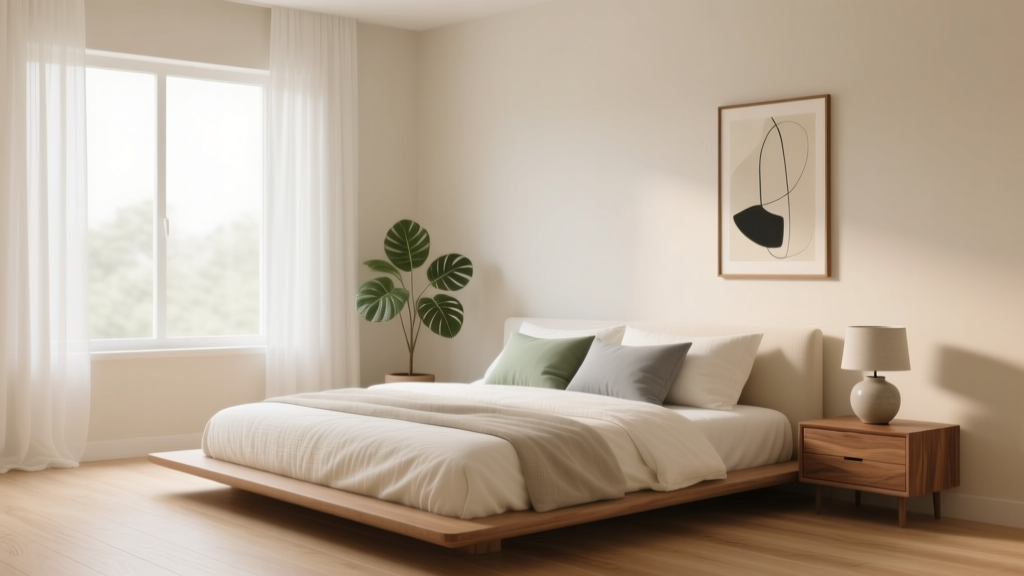
For bedroom design that supports relaxation, aim for lower contrast and softer hues. The goal is a space that feels visually quiet, especially in the evening when your nervous system is shifting toward rest.
- Sleep-friendly color families: Warm off-whites, soft greiges, muted sage, dusty blue, and clay-leaning neutrals.
- Avoid: Highly saturated reds/oranges as the dominant wall color if you’re prone to restlessness (they can feel energizing).
- Budget range: $35–$80 per gallon (plus tools).
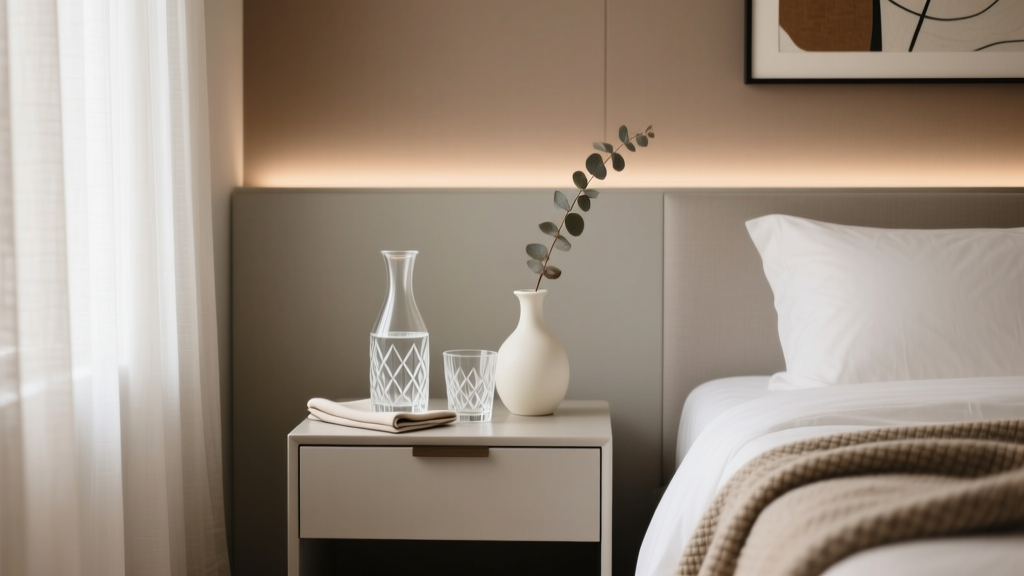
15) A simple bedside “ritual tray” to keep items contained
A small tray turns bedside essentials into an intentional vignette and prevents clutter creep. It also makes nightly reset quick—one of the best habits for long-term bedroom calm.
- What to place on it: Hand cream, lip balm, a sleep mask, a small journal, or a glass of water.
- Materials: Wood, ceramic, or woven rattan for warmth; avoid mirrored trays if reflections bother you at night.
- Budget range: $12–$60.
Wellness Tips to Pair With Your Wind Down Ritual Items
- Set a “digital sunset”: Place your phone on a charger across the room or inside a drawer 30–60 minutes before bed.
- Try a two-light rule: Overhead lights off; use only lamps or dim lighting in the last hour.
- Keep the room cool: Many sleepers rest best around 60–67°F (15.5–19.5°C). Use breathable bedding to avoid overheating.
- Use a consistent scent or sound: A repeated cue (same candle scent or white noise) trains your brain to shift into sleep mode.
- Create a five-minute reset: Put laundry in the hamper, return items to baskets, wipe the nightstand—then stop.
Common Mistakes to Avoid
- Keeping overhead lighting as the primary nighttime light: It’s often too bright and visually activating for bedtime.
- Overdecorating the nightstand: Too many objects create visual clutter and reduce functional space for essentials.
- Choosing bedding based only on looks: Synthetic fabrics may trap heat; prioritize breathable, skin-friendly materials.
- Using strong fragrance all night: Continuous diffusing or heavily scented candles can irritate sensitive sleepers. Keep scent subtle and time-limited.
- Letting the bedroom become a storage room: Piles of paperwork, gym equipment, or random bins can keep your mind in productivity mode.
- Putting the phone within reach: Even “just checking” messages can derail a wind down routine.
FAQ: Bedroom Wind Down Ritual Items
What are the best first purchases for a calmer bedroom on a budget?
Start with warm, dimmable lighting and bedding that feels good against your skin. A plug-in dimmer ($10–$25), warm bulbs ($8–$25), and a cotton percale sheet set ($60–$120) can shift the entire sleep environment without changing furniture.
Do blackout curtains really help sleep quality?
For many people, yes—especially if streetlights, early sunrise, or neighbor lighting enters the room. Blackout curtains can reduce nighttime awakenings and help you fall asleep faster by keeping the room darker and more consistent.
What materials are best for sleep-friendly bedding?
Long-staple cotton, linen, and wool are popular for breathability and temperature regulation. If you sweat at night or run warm, prioritize percale cotton or linen over heavy microfiber.
Is a diffuser or candle better for bedtime?
A diffuser is typically easier to control and safer if used briefly before sleep. Candles can be part of a wind down ritual, but they should be extinguished before you get into bed. If you love candlelight, consider a warm LED candle for the same glow without the flame.
How can renters improve bedroom design for better sleep without painting or renovations?
Focus on reversible upgrades: blackout curtains, a bedside lamp with warm bulbs, a soft rug, peel-and-stick dimmable lighting solutions, and decluttering tools like lidded baskets. These changes can make a bedroom feel calmer and more cohesive without permanent modifications.
What’s a simple wind down ritual using these items?
Try this 15–20 minute routine: dim lights → turn on white noise → wash up and apply hand cream → light a candle for 5 minutes (then blow it out) or run a diffuser briefly → read a few pages under a warm lamp → put the book on your bedside tray → lights off.
Actionable Next Steps for a Better Wind Down Routine
Choose two items to start—one that improves comfort (like breathable sheets or a supportive pillow) and one that improves ambiance (like a warm lamp or dimmer). Set up a small bedside ritual tray, remove visual clutter, and make the lighting in your bedroom gentle enough that you naturally slow down. Over time, add upgrades like blackout curtains, an air purifier, or a bench that supports a calm evening routine.
For more sleep-friendly bedroom design, relaxing decor ideas, and practical guides for renters and homeowners, explore the latest bedroom inspiration on thedecormag.com.
More Articles
 Best Bedroom Essential Oil Blend for Sleep - The Decor Mag
 Best Bedroom Rugs for Underfoot Comfort (2026)
 Industrial Bedroom Design Inspiration - The Decor Mag
 Minimalist Bedroom Styling: Simple Ideas (2026)
 Best Bedroom Valet Stand Options - The Decor Mag
 How to Choose Bedroom Art for Relaxation - The Decor Mag
 How to Create a Bedroom That Feels Timeless - The Decor Mag
 Bedroom Warm Plaster Nightstand Finish - The Decor Mag
 How to Create a Bedroom That Promotes Rest - The Decor Mag
 Best Bedroom Bedside Carafe and Glass - The Decor Mag