
Kitchen Organization Tips: A Place for Everything (2026)
Kitchen Organization Tips: A Place for Everything
 Rachel Kim
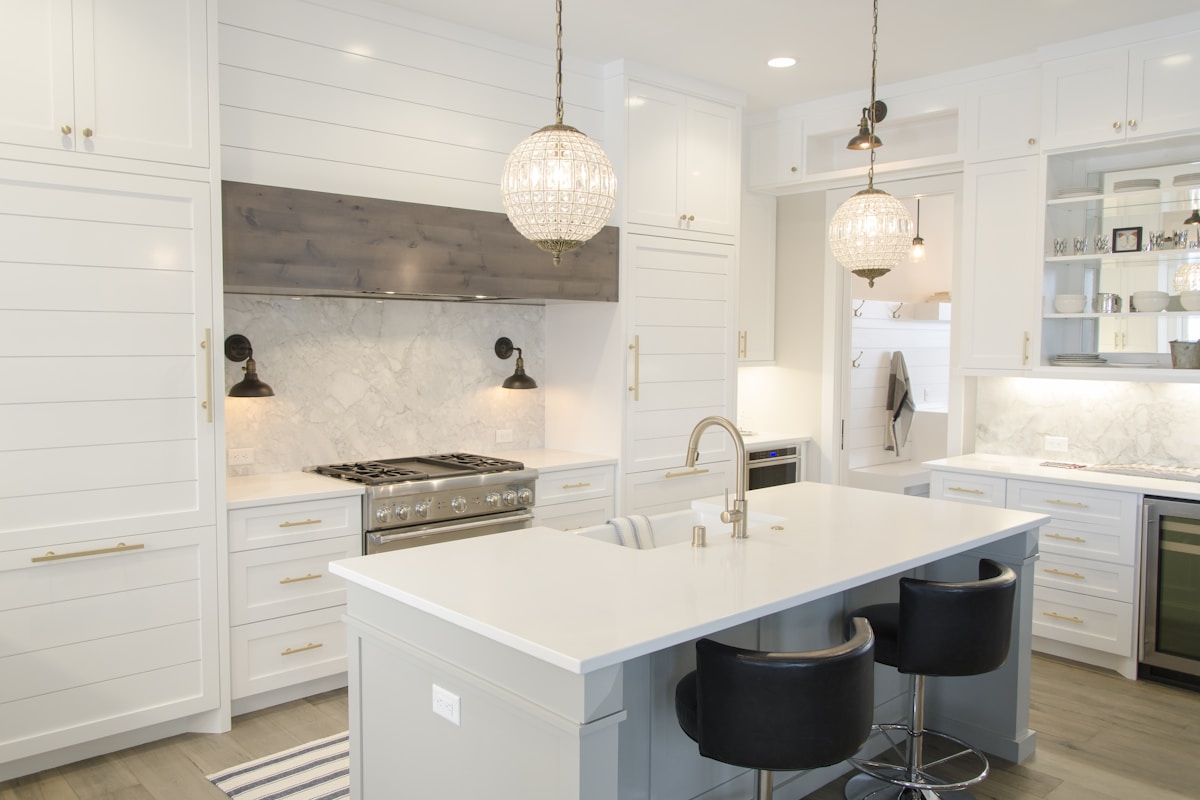
An organized kitchen is not a matter of buying the right containers or labeling everything in matching fonts. It is a matter of designing systems that align with how you actually cook, clean, and store food. The gap between a beautifully organized kitchen on social media and one that stays organized through real daily use is bridged by practical habits and thoughtful placement.
The most common mistake people make is organizing by category alone. All spices together, all baking supplies together, all food storage containers together. This sounds logical until you realize that when you are cooking, you need spices, oils, and utensils all within reach simultaneously. Category-based organization works for the pantry shelf. It fails at the point of use. The better approach organizes by workflow, placing items where they are needed rather than where they logically belong.
The Three Principles of Kitchen Organization
Every effective kitchen organization system rests on three foundational principles. First, proximity to point of use. Items should live as close as possible to where they are used. Coffee supplies near the coffee maker. Pots near the stove. Cutting boards near the prep area. This principle seems obvious, yet most kitchens violate it repeatedly because items end up wherever there was space during the last reorganization.
Second, frequency-based placement. The items you reach for daily belong at waist-to-eye level in the most accessible cabinets. Items you use weekly go on higher or lower shelves. Seasonal items, specialty equipment, and backup supplies can live in the hardest-to-reach spots. This hierarchy ensures that your most-used items require zero bending, stretching, or searching.
Third, containment and visibility. Every category of item should have a designated container or zone, and you should be able to see what you have at a glance. Opaque containers require labels. Clear containers speak for themselves. A drawer full of loose utensils is not organized. A drawer with dividers separating spatulas, whisks, measuring spoons, and serving utensils is. The difference is not aesthetic. It is functional.
| Frequency of Use | Storage Location | Examples |
|---|---|---|
| Daily | Waist-to-eye level, closest to use point | Everyday plates, primary knives, cooking oils |
| Weekly | Upper or lower cabinets, within one step | Mixing bowls, baking sheets, serving platters |
| Monthly | High shelves, deep cabinets | Slow cooker, specialty bakeware, party serving sets |
| Seasonal | Top of cabinets, storage room, garage | Holiday dishes, outdoor entertaining gear |
Zone Mapping: Workflows That Save Time
Professional kitchen designers think in zones. A kitchen typically contains five distinct work zones: consumables (food storage), non-consumables (dishes and flatware), cleaning (sink and dishwasher), prep (countertop cutting area), and cooking (stove and oven). Each zone should contain everything needed for its function, with minimal crossover required between zones.
The consumables zone centers on your refrigerator and pantry. Store everyday ingredients here, along with the containers and wraps you use for food storage. The non-consumables zone surrounds your dishwasher or drying rack. Plates, bowls, glasses, and silverware should be stored within a step or two of where they are cleaned. The cleaning zone includes your sink area, dishwasher, trash and recycling bins, and cleaning supplies. The prep zone is your primary countertop workspace, with cutting boards, knives, and mixing bowls nearby. The cooking zone houses pots, pans, cooking utensils, and spices.
Mapping your kitchen into these zones reveals inefficiencies you may have accepted for years. If your plates are stored on the opposite side of the kitchen from your dishwasher, that is a workflow problem. If your spices live in a cabinet across the room from your stove, that is a workflow problem. Addressing these issues means relocating items, not buying more organizers.
Try This: The One-Week Audit
For one week, pay attention to every time you walk across the kitchen to retrieve something you need while cooking. Note the item and where it is stored. At the end of the week, you will have a clear list of items that need to be relocated to their proper zones. This single exercise will improve your kitchen workflow more than any organizer you can buy.
Building a Pantry System That Actually Lasts
The pantry is where most kitchen organization efforts begin and often where they stall. A beautiful pantry photo shows uniform glass jars with chalkboard labels, perfectly spaced on floating shelves. Real life involves irregularly shaped packages, bulk items that do not fit standard containers, and the constant turnover of ingredients as you cook.
Start by decanting only the items that benefit from it. Flour, sugar, rice, pasta, and cereals store better in airtight containers and are easier to pour from uniform vessels. Leave items in their original packaging when the package is already functional: boxes of tea bags, bags of chips, snack packs. The goal is not visual uniformity. It is functional efficiency.
Use shelf risers to double your vertical storage. Lazy Susans on deep shelves bring items from the back to the front. Bin containers on shelves group related items together and pull out as a unit. Label the front edge of each shelf so anyone in your household knows what belongs where. The labeling step is not optional. It is the difference between a system that one person maintains and a system the whole household supports.
Drawer Mastery: Every Utensil in Its Lane
Kitchen drawers are where organization goes to die if you let them. Without intentional structure, a drawer becomes a jumbled mass of everything that did not fit somewhere else. The fix is straightforward but requires commitment to a specific approach.
First, empty every drawer completely. Second, sort items by function: cooking utensils, baking tools, food storage, cutlery, gadgets, and miscellaneous. Third, assign each category to a specific drawer based on proximity to its zone of use. Cooking utensils belong in a drawer adjacent to the stove. Cutlery and everyday dishes belong near the dining area. Food storage containers belong near the prep zone or refrigerator.
Within each drawer, use adjustable dividers or modular inserts to create dedicated lanes for each item type. A cooking utensil drawer should have separate sections for spatulas, spoons, whisks, tongs, and ladles. Not a mixed pile. Separate sections. The dividers can be purchased as modular systems or made from tension rods cut to size. The material does not matter. The separation does.
- Empty and sort every drawer by function before installing any dividers
- Assign drawers based on proximity to point of use, not arbitrary logic
- Use adjustable dividers to create dedicated lanes for each item type
- Keep only the utensils you actually use. Donate or discard duplicates and single-use gadgets
- Install a drawer organizer specifically for food storage containers and lids
Refrigerator Organization: Fresh and Accessible
The refrigerator deserves the same organizational attention as your pantry. A disorganized fridge leads to forgotten leftovers, expired condiments, and the dreaded discovery of produce that liquefied in the crisper drawer three weeks ago.
Use clear bins to group categories: dairy, meats, produce, snacks, and condiments. Bins pull out like drawers, bringing items in the back within reach. Place ready-to-eat foods at eye level so family members can grab snacks without rummaging. Store raw meats on the bottom shelf to prevent cross-contamination. Keep condiments in a designated door bin or shelf for easy access.
Label shelves with what belongs where. A simple label on the inside of the fridge reading "Leftovers" or "Dairy" takes seconds to create and prevents items from drifting into the wrong zones. Rotate groceries using the first-in-first-out method. When you unpack new groceries, move older items to the front and place new items behind them. This simple habit dramatically reduces food waste.
The Weekly Maintenance Routine
Organization is not a one-time event. It is an ongoing practice. The kitchens that stay organized share one common trait: their owners perform regular maintenance. This does not mean a deep clean every day. It means a focused fifteen-minute routine that keeps systems from degrading.
Choose one day per week for your kitchen reset. Wipe down pantry shelves and check for expired items. Clear the refrigerator of leftovers that have passed their prime. Return any items that have migrated to the wrong zone. Wipe counter surfaces and reset the space so Monday morning starts with a clean slate. This routine takes fifteen to twenty minutes and prevents the slow creep of chaos that turns an organized kitchen into a disorganized one over the course of a month.
Organization is not about perfection. It is about creating a system that reduces the daily friction of finding what you need, putting things away, and keeping your kitchen ready for the next meal. A system you actually maintain is infinitely better than a system that looks perfect for a week and then collapses.
Jennifer Park, Professional Organizer and Author of "The Organized Home"
A well-organized kitchen changes how you experience cooking. It reduces the small frustrations that accumulate over hundreds of meals a year. You stop wasting time searching for items. You stop buying duplicates of things you already own but cannot find. You stop throwing away food that expired in the back of the fridge. These are not trivial benefits. They are the daily dividends of intentional design.
More Articles
 Small Kitchen Peninsula Ideas: Counter Space Without the Island
 Pet Feeding Nook: Built-In Bowl Stations That Match Your Kitchen
 Practical Kitchen Design Solutions for First-Time Homeowners and Renovators
 Kitchen Backsplash Ideas on a Budget
 Family Kitchen Zoning: Separate Prep, Cook, and Cleanup Areas
 Kitchen Backsplash Height: What Works Best
 Kid-Proof Kitchen Island: Designing a Central Hub That Handles Family Chaos
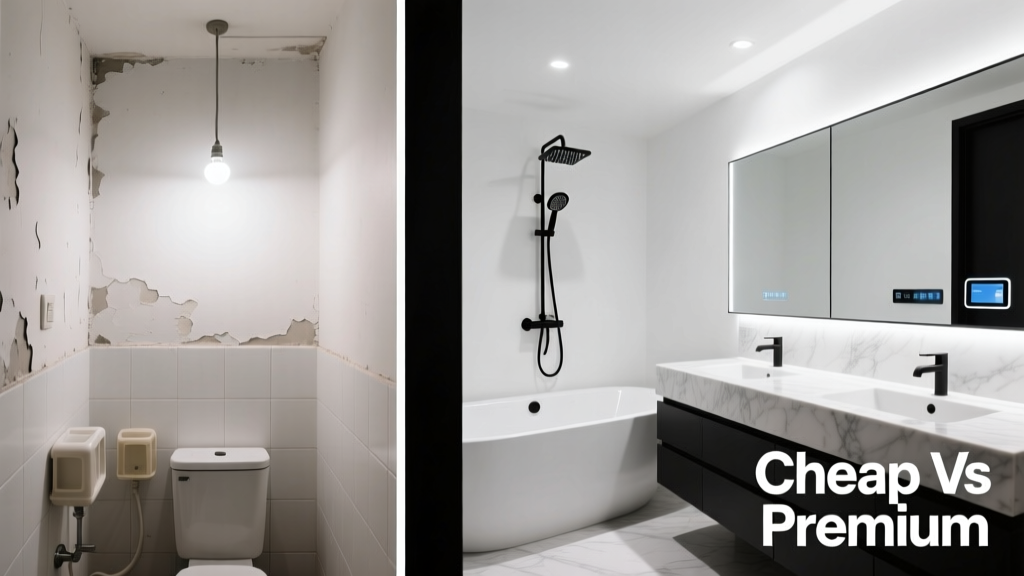 Cheap vs Premium Bathroom: What You’re Really Paying For — And Where It Matters Most
 Warm Color Guides Essentials: Science, Psychology, and Precision in Kitchen Design
 Kitchen Backsplash Trends for 2026 Homes