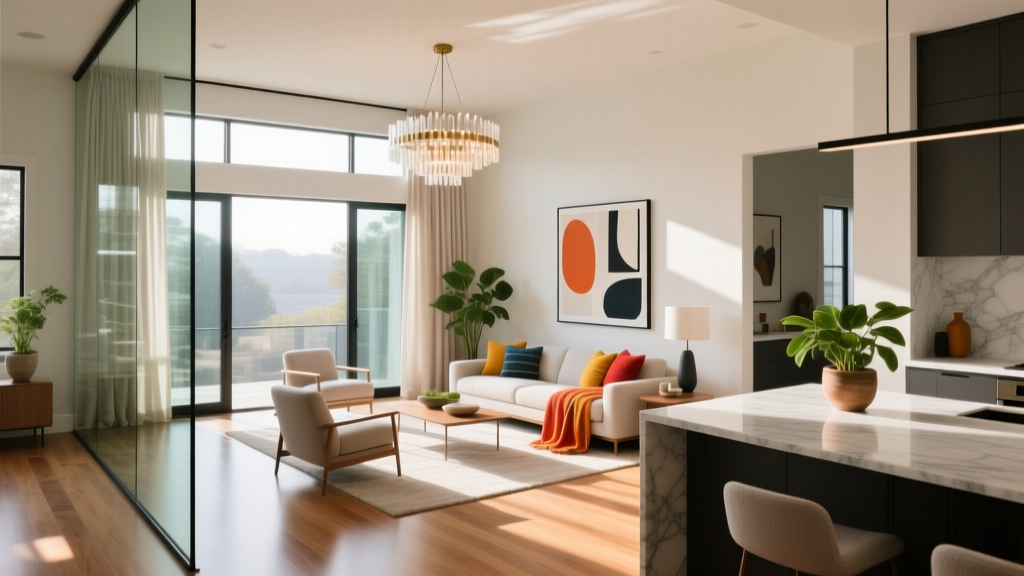
Living Room Rug Placement: A Sizing Guide
The Foundation of a Well-Designed Living Room
A correctly sized and placed rug anchors your furniture arrangement and defines the conversation area. Get it wrong and the room feels disjointed; get it right and everything clicks into place.
1. All Four Legs On
The ideal placement has all furniture legs resting on the rug. This requires a large rug—typically 8 by 10 feet or 9 by 12 feet for standard living rooms. The rug should extend at least 6 inches beyond the outer edges of your sofa on each side. This approach works best in rooms over 200 square feet.
2. Front Legs Only
When a full-coverage rug is not feasible, place only the front legs of sofas and chairs on the rug. The rug should extend under the front third of each piece. This creates visual connection while allowing more flooring to show. Use this method with 5 by 8 or 6 by 9 rugs.
3. Floating Arrangement
In open-plan spaces, use the rug to define a specific zone. Place all seating furniture on the rug and let it float in the middle of the room, with bare floor surrounding it. This clearly delineates the living area from adjacent dining or entry spaces.
4. Layering Rugs
Layer a smaller patterned rug on top of a larger natural-fiber base (sisal or jute). The base rug should extend 12 to 18 inches beyond the top rug on all sides. This technique adds texture and allows you to change the patterned rug seasonally without replacing the entire floor covering.
Common Rug Size Mistakes
- Too small: a rug that sits only under the coffee table looks like an afterthought
- Wrong shape: rectangular rooms need rectangular rugs, not round ones
- Ignoring door swing: ensure the rug does not interfere with door clearance
Before purchasing, use painter tape to outline the rug dimensions on your floor. Live with the taped outline for a day to confirm the scale feels right in the actual space.
More Articles
 Sleep & Choose Compared: A Data-Driven Analysis of Two Leading Mattress Brands for Optimal Rest
 Studio Apartment Zones: One Room, Three Functions
 Best Living Rooms for Storage: Smart, Stylish, and Space-Savvy Solutions
Cozy Living Room Color Palettes for Fall
Best Living Rooms for Storage: Smart, Stylish, and Space-Savvy Solutions
Cozy Living Room Color Palettes for Fall
 Cat-Friendly Living Room Shelves: Style + Function
 Best Style Guides for Kitchens: Practical, Brand-Backed Design Standards You Can Apply Today
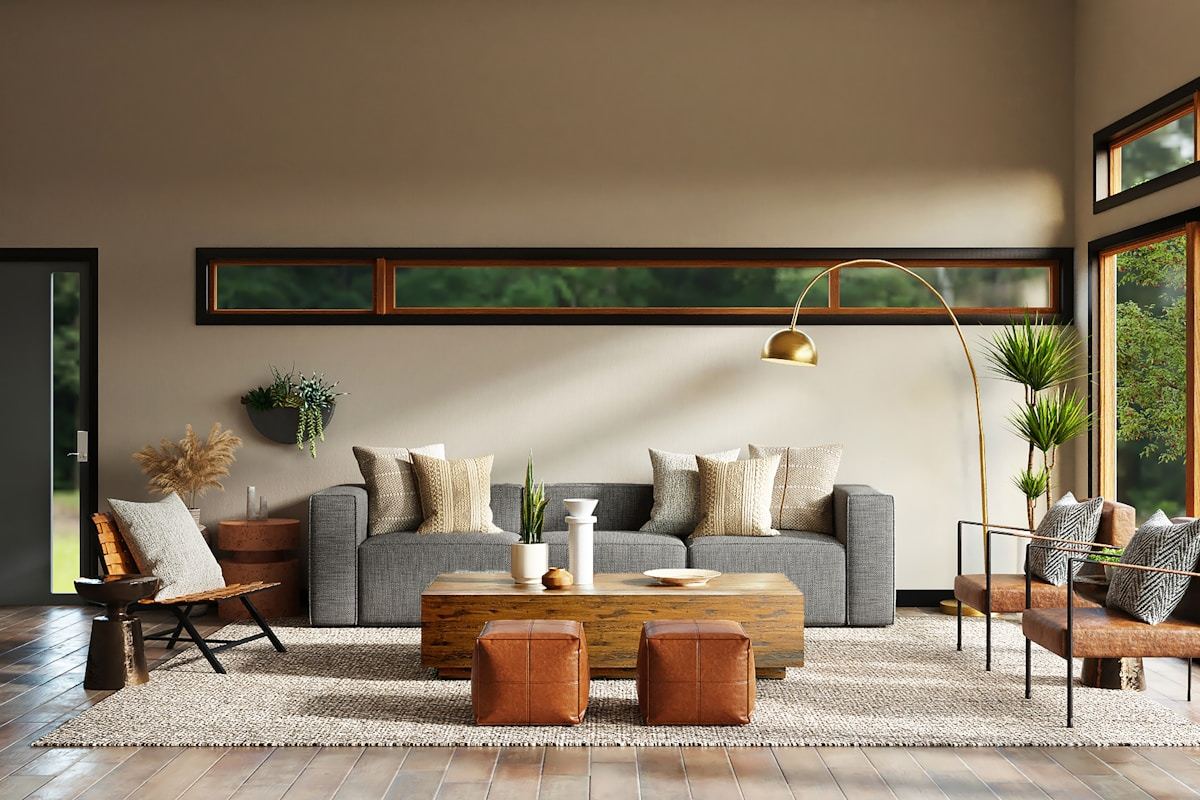 Contemporary Living Room Design Principles (2026)
 Room Bathroom Essentials: Practical, Stylish, and Human-Centered Design for Every Home
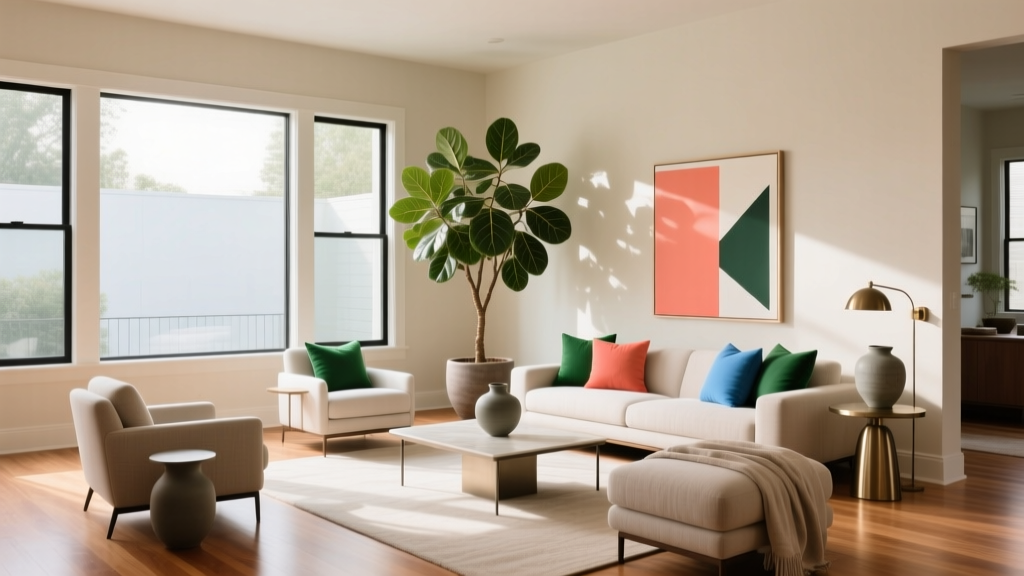 Living Room Gallery Wall Layout Tips
 Best Outdoor Furniture for Palette: Color, Material, and Design Harmony