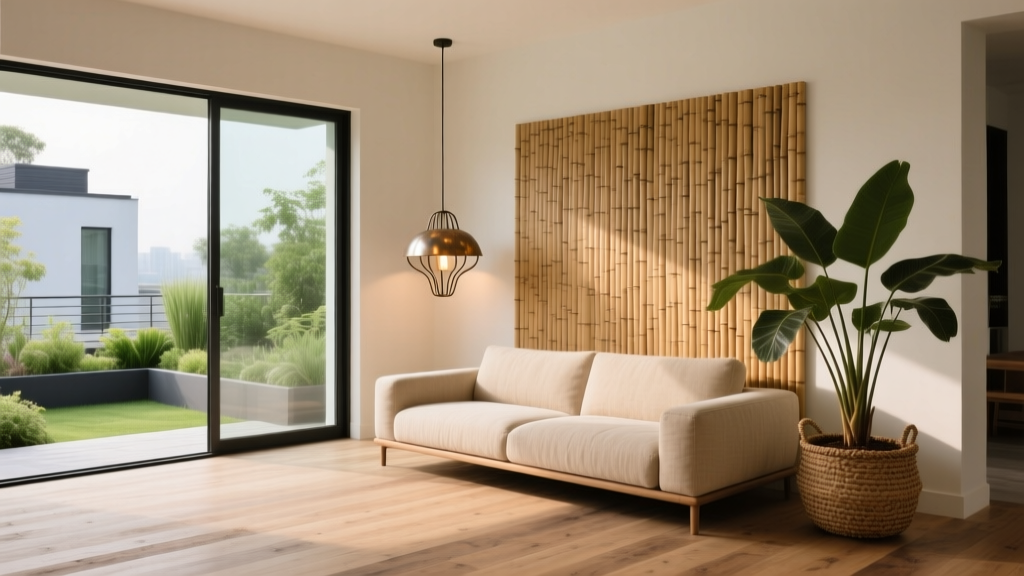
Eco-Friendly Living Room Design: Stylish & Sustainable
Where Ethics Meet Elegance
Today’s eco-conscious homeowners no longer have to choose between sustainability and style. A thoughtfully curated living room can reflect personal taste while honoring environmental values—without resorting to minimalist austerity or ‘eco-chic’ clichés. The key lies in intentionality: selecting materials with low embodied energy, supporting transparent supply chains, and embracing timeless design over trends. This isn’t about sacrifice—it’s about upgrading your standards.
Sustainable Furniture: Solid Materials, Stronger Stories
Furniture forms the backbone of your living room—and its environmental footprint is significant. Opt for pieces made from reclaimed wood, salvaged from barns, warehouses, or decommissioned buildings. Each grain tells a story, and the carbon impact is near-zero compared to virgin hardwood. Bamboo, often overlooked as ‘just a grass,’ matures in 3–5 years (versus decades for oak), sequesters 35% more CO₂ than equivalent timber stands, and yields durable, warm-toned seating and shelving when processed without formaldehyde-based adhesives. For structural accents or sculptural side tables, recycled aluminum or steel offers industrial polish with up to 95% less energy use than primary metal production. Look for certifications like FSC Recycled or Cradle to Cradle Silver+ to verify integrity.

Textiles & Rugs: Weaving Responsibility Into Every Thread
Your sofa fabric, throw pillows, and area rug contribute heavily to indoor air quality—and global textile waste. Choose GOTS-certified organic cotton, OEKO-TEX® Standard 100 linen, or Tencel™ (made from sustainably harvested eucalyptus pulp) for softness without synthetic runoff. For rugs, prioritize handwoven wool from pasture-raised, non-mulesed sheep—or explore innovative options like banana fiber or recycled ocean plastic (brands like Bureo and Mohawk’s Revive line). Always ask: Was dyeing done with low-impact, water-recycled processes? Was weaving done in fair-wage cooperatives? Brands like Armadillo & Co. and Earth Weave provide full traceability—from farm to loom.
Lighting, Plants & Secondhand Soul
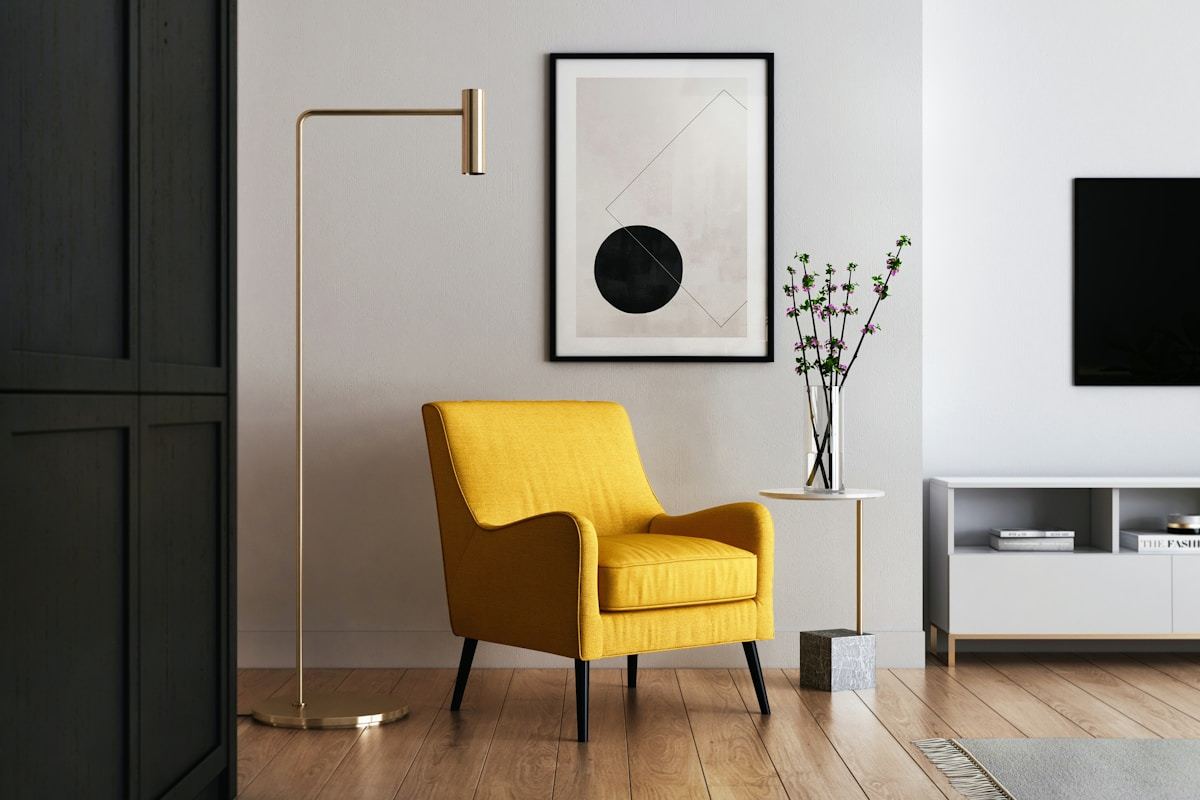
Energy-efficient lighting goes beyond LED bulbs: integrate dimmable, warm-white (2700K–3000K) fixtures with motion sensors or timers—especially for ambient and task lighting. Vintage brass sconces or mid-century pendants rewired with integrated LEDs merge heritage charm with modern efficiency. Meanwhile, vintage and secondhand furniture adds character and cuts landfill demand; platforms like Chairish and local salvage yards offer vetted, restored credenzas, sectionals, and media units—often at lower cost and higher craftsmanship than new mass-market alternatives. Complement with air-purifying indoor plants: snake plants (removes formaldehyde, thrives on neglect), peace lilies (filters benzene and trichloroethylene), and pothos (effective against carbon monoxide). Group them in ceramic planters made from recycled clay or upcycled glass for layered sustainability.
Style Without Compromise: The Balancing Act
Balance isn’t about neutrality—it’s about cohesion. Anchor your space with one hero sustainable piece (e.g., a live-edge reclaimed walnut console), then layer in complementary textures: undyed wool throws, cork coasters, rattan baskets. Stick to a refined, earth-rooted palette—terracotta, olive, oat, slate—to unify disparate eco-materials. Remember: sustainability enhances aesthetic depth. That weathered oak grain? It adds warmth no laminate can replicate. That hand-knotted wool rug? Its subtle irregularities signal authenticity—not imperfection. When every object carries purpose *and* provenance, your living room doesn’t just look good—it feels meaningful.
More Articles
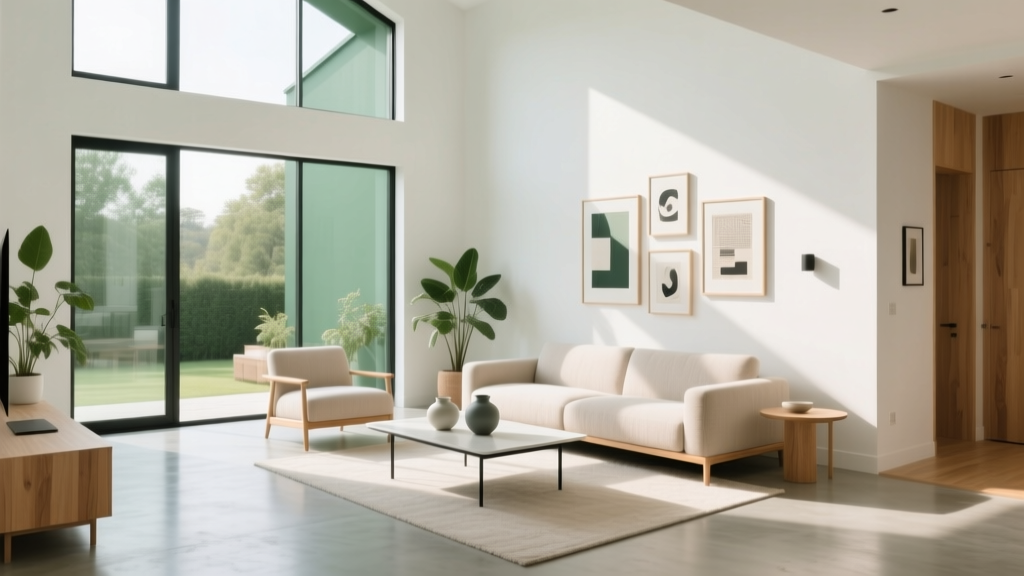 Kid-Proof Living Rooms That Still Look Chic
 Science FAQ Answered: Clear, Evidence-Based Answers to 27 Common Questions About Health, Home, and Everyday Life
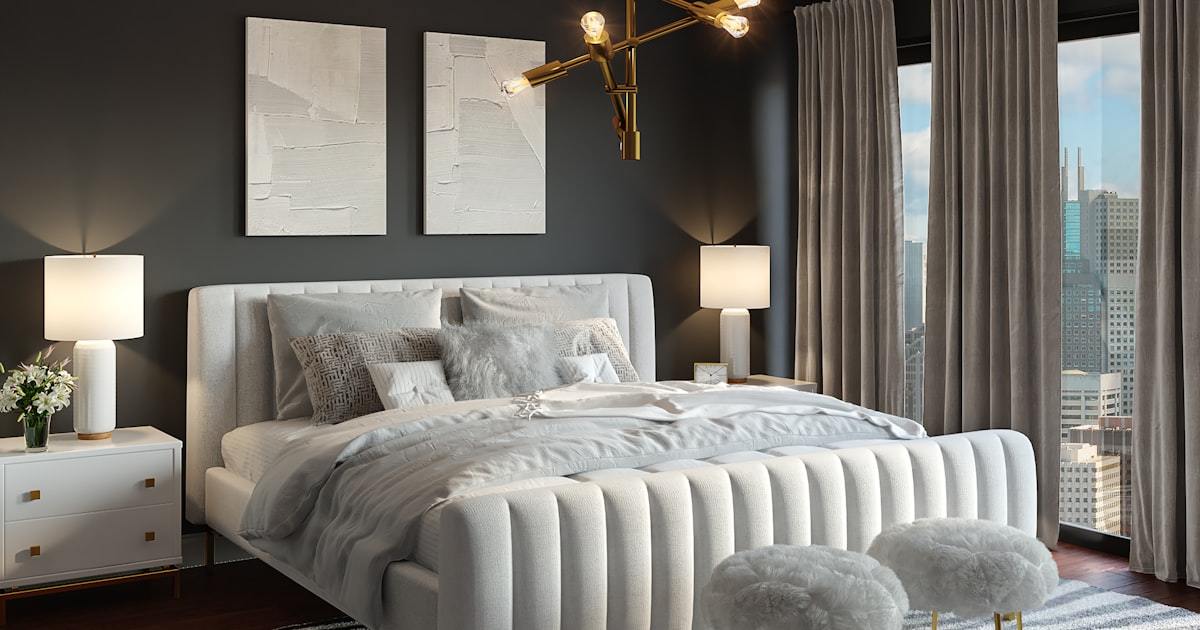 The Minimalist Living Room That Actually Feels Lived-In
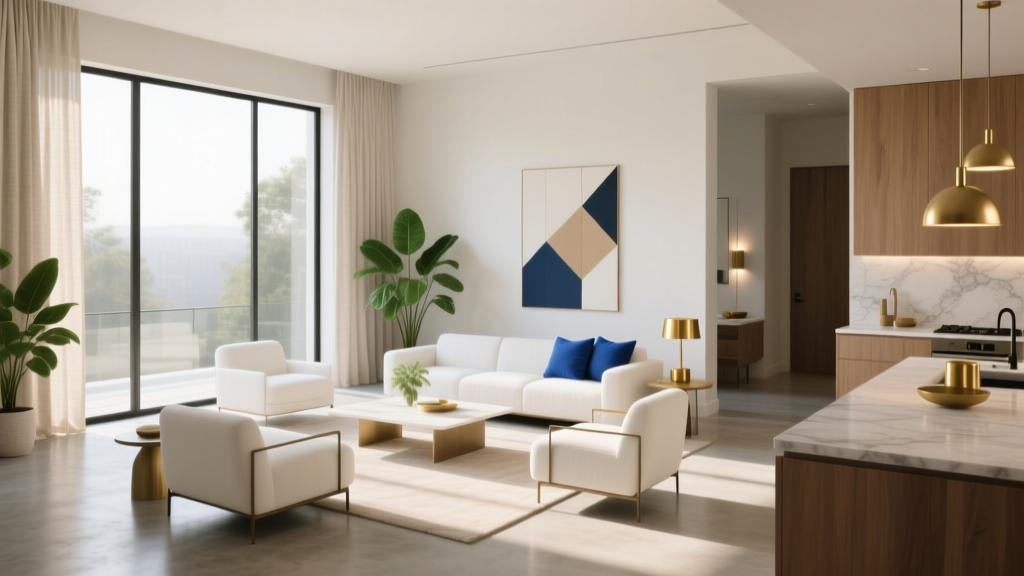 Living Room Rug Size Guide for Every Layout
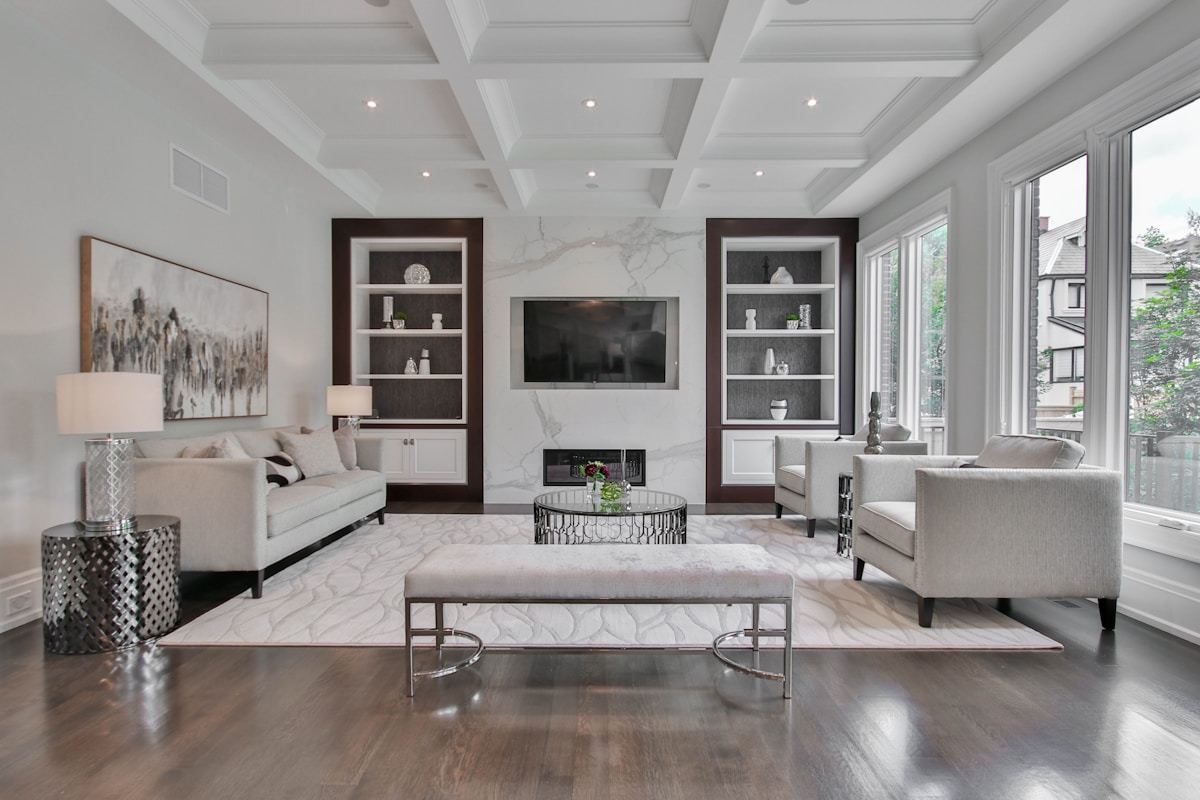 Minimalist Living Room Ideas: 10 Inspiring Spaces (2026)
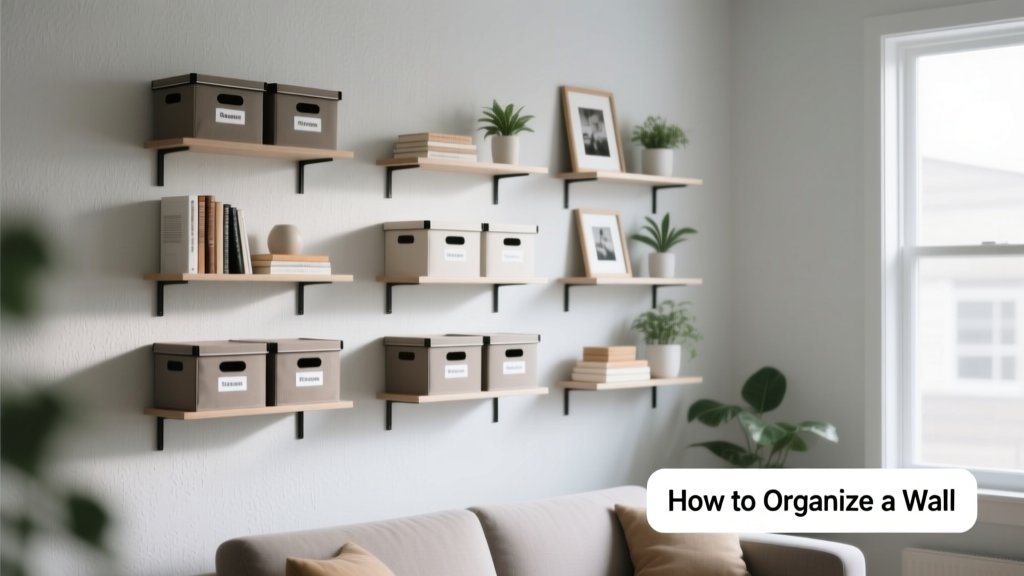 How To Organize Wall Space: Smart, Stylish, and Functional Solutions for Every Room
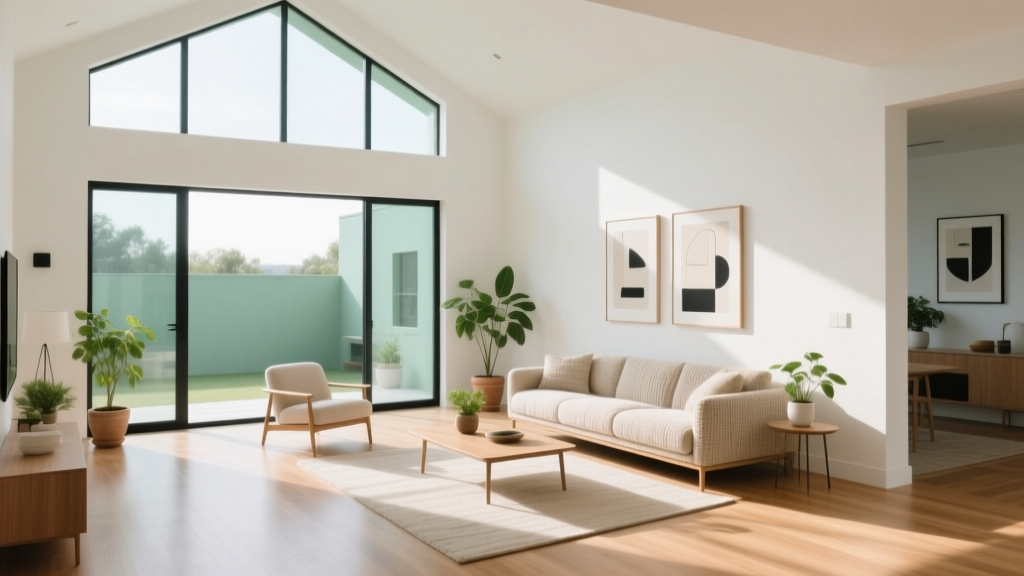 Reading Nook Ideas: 7 Cozy Corners You Can Create for Summer Afternoons
Living Room Plant Styling: From Basic to Botanical
Reading Nook Ideas: 7 Cozy Corners You Can Create for Summer Afternoons
Living Room Plant Styling: From Basic to Botanical
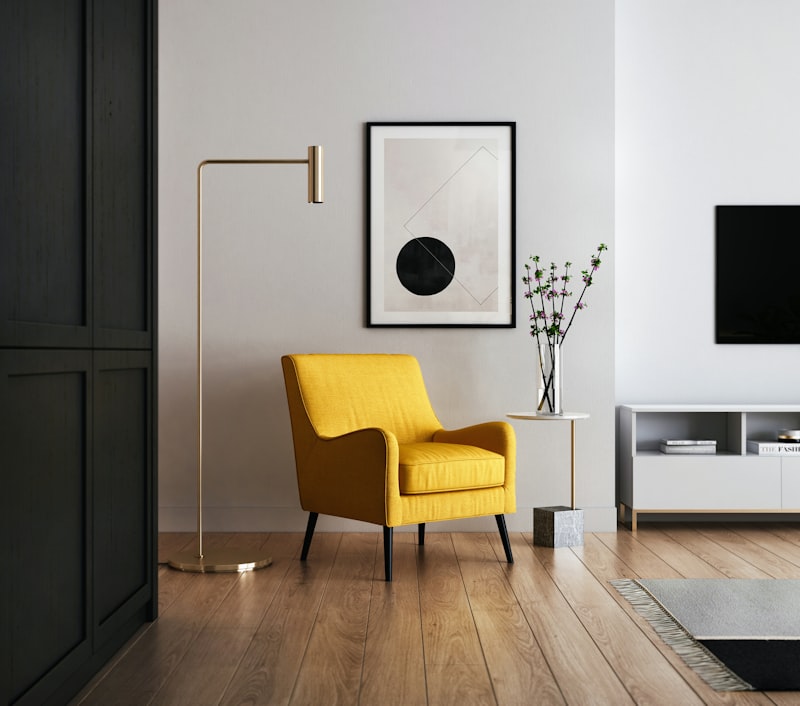 Kid-Proof Living Room Layouts: Furniture Placement for Families With Active Children
 Scandinavian Living Room Style: Hygge & Design (2026)