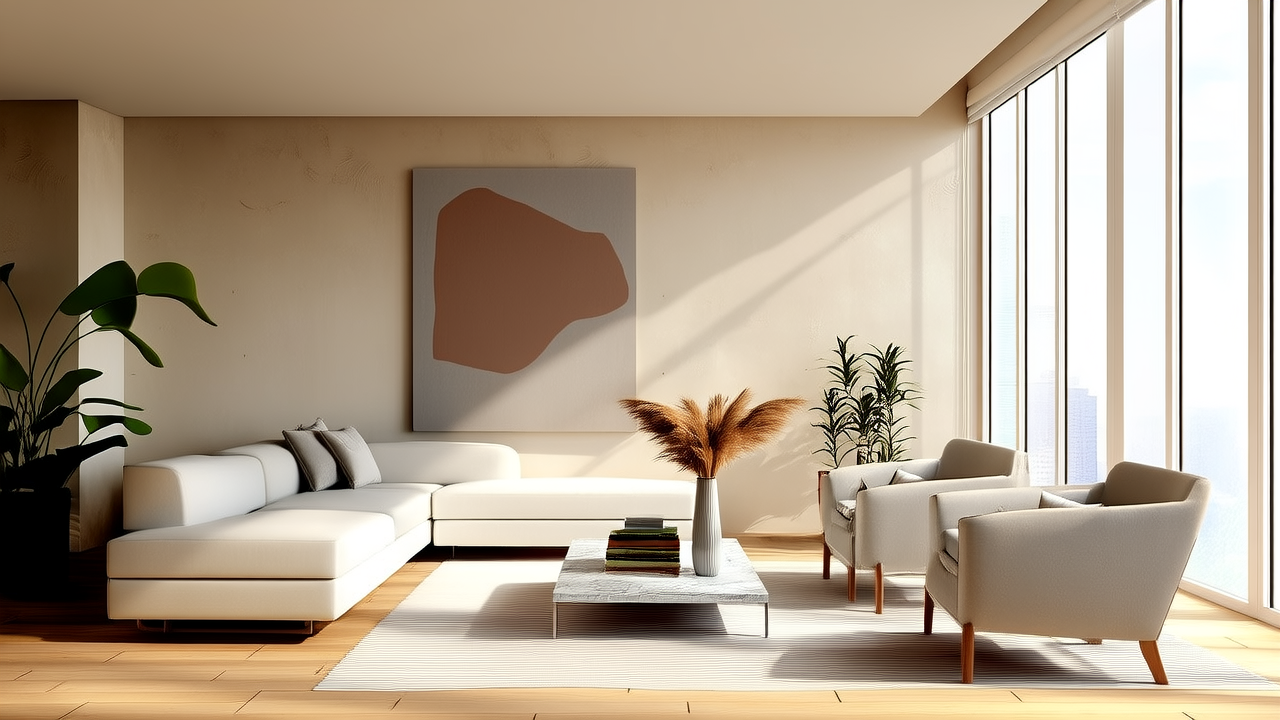
Japandi Style: Where East Meets North
The Japandi Philosophy
Japandi merges two design traditions that share a reverence for simplicity and natural materials. Japanese wabi-sabi celebrates imperfection and transience, while Scandinavian hygge prioritizes comfort and warmth. Together they create spaces that feel both serene and livable.
Color Palette
Japandi rooms use muted earth tones as their foundation. Warm whites, soft grays, and pale woods form the backdrop. Accent colors come from nature: sage green, clay terracotta, deep indigo, and charcoal. The palette never includes bright or saturated hues. Every color should feel like it was found rather than chosen.
The Role of Black
Unlike pure Scandinavian design, which rarely uses black, Japandi incorporates black as an anchoring element. A single black ceramic vase, a dark-framed mirror, or charcoal linen cushions provide contrast that prevents the room from feeling washed out. Use black sparingly, as punctuation rather than as a primary color.
Natural Materials in Combination
Light woods like ash, birch, and white oak represent the Scandinavian side. Bamboo, rattan, and hinoki cypress represent the Japanese influence. Combine them freely: a birch dining table with bamboo chairs, an oak shelf displaying ceramic bowls. The unifying factor is the untreated or lightly oiled finish that lets the wood grain show.
Textile Choices
Linen and cotton in natural or lightly dyed tones cover upholstery and windows. Wool throws in heathered grays add Scandinavian comfort. Japanese-inspired textiles appear as accents: indigo-dyed cotton napkins, noren-style room dividers, or futon-style floor cushions in muted tones.
Furniture Selection
Low-profile furniture honors both traditions. Platform beds, floor-level sofas, and low dining tables feel Japanese, while their clean lines and functional design feel Scandinavian. Choose pieces with visible joinery rather than hidden hardware. Every piece should serve a clear purpose, and pieces that serve no purpose should be removed.
Decorative Restraint
Japandi rooms display few objects, and each one earns its place. A single branch in a ceramic vase, a hand-thrown bowl on a shelf, a woven basket beside the sofa. Avoid gallery walls and clustered displays. Negative space is not emptiness to be filled but a deliberate design choice that lets the eye rest.
Lighting Approach
Paper lanterns and washi-shaded pendants provide soft diffused light from Japanese tradition. Scandinavian influence brings slim-profile floor lamps and adjustable task lighting. Avoid harsh overhead fixtures. Layer light sources at different heights to create the warm, even glow both traditions value.
More Articles
 Bedroom Design Guide: Functional Sleep Spaces for 2026
 Minimalist Style Guide for Studio Apartments
 Wood Mistakes to Avoid in Construction & Millwork (2026)
 Cheap vs Premium Materials: Cost & Performance 2026
 Thrift Furniture Flipping: Transform Pieces for Under $20
 Paint Organization System for Homeowners & DIYers (2026)
 Evidence-Based Cleaning Protocols for Home Hygiene
 How Top Brands Cut Support Tickets 37–62% in 2026
 Pet-Safe Houseplants for Cats & Dogs in 2026
 2026 DIY Bedroom Ideas: Save Money & Boost Style