Best Bedroom Essential Oil Diffuser Spot - The Decor Mag
A bedroom can look beautiful and still feel “off” at night—too bright, too cluttered, too dry, or simply not calming enough for deep sleep. Scent is one of the fastest ways to shift the atmosphere. When used thoughtfully, an essential oil diffuser can support a softer bedtime transition, help mask everyday odors, and reinforce a relaxing nighttime routine. The key is placement: the best bedroom essential oil diffuser spot balances safety, airflow, scent reach, and design harmony.
Where you position a diffuser also affects how you breathe at night. A diffuser too close to your pillow can feel overpowering, while one tucked behind curtains or crowded on a messy surface may not disperse properly. Done well, diffuser placement becomes part of smart bedroom design—supporting sleep quality through a calmer sensory environment, better layout flow, and fewer nighttime disruptions.
This guide walks through the best places to put a diffuser in your bedroom, what to avoid, and how to pair scent with bedroom decor choices like lighting, bedding materials, and color palettes for a sleep-friendly space.
What Makes a Diffuser Spot “Best” for Sleep?
Before choosing a corner or nightstand, look for a placement that meets four goals: comfort, coverage, safety, and style.
1) Comfortable scent level (not overpowering)
- Ideal: a gentle “background” scent you notice briefly, then it fades into the room.
- Too strong: can trigger headaches, irritation, or restless sleep—especially in small bedrooms.
2) Good airflow for even diffusion
- Diffusers work best where air can circulate (not wedged between books, baskets, or heavy drapes).
- Keep a little breathing room around the device—at least 6–12 inches on all sides when possible.
3) Safe distance from fabrics, electronics, and water-sensitive surfaces
- Ultrasonic diffusers release mist that can lightly dampen nearby items over time.
- Avoid direct mist onto wood furniture without protection, framed art, wallpaper, and plugged-in electronics.
4) Aligns with your nightly routine
- If you refill your diffuser at bedtime, it should be easy to access without turning on bright overhead lights.
- Placement should support a calm bedroom layout—no tripping hazards, tangled cords, or awkward reaches.
The Best Bedroom Essential Oil Diffuser Spots (Ranked by Practicality)
1) The dresser or chest across from the bed (best overall)
If you want even scent distribution without sleeping directly beside the diffuser, the dresser is often the sweet spot. It’s typically at mid-height, out of foot traffic, and far enough away that the aroma stays gentle.
- Why it works: Balanced distance from your face, good airflow, easy to see/adjust.
- Design bonus: A diffuser looks intentional on a styled tray with a small plant and a book stack.
- Pro tip: Place it on a water-resistant tray (ceramic, lacquer, sealed stone) to protect wood finishes.
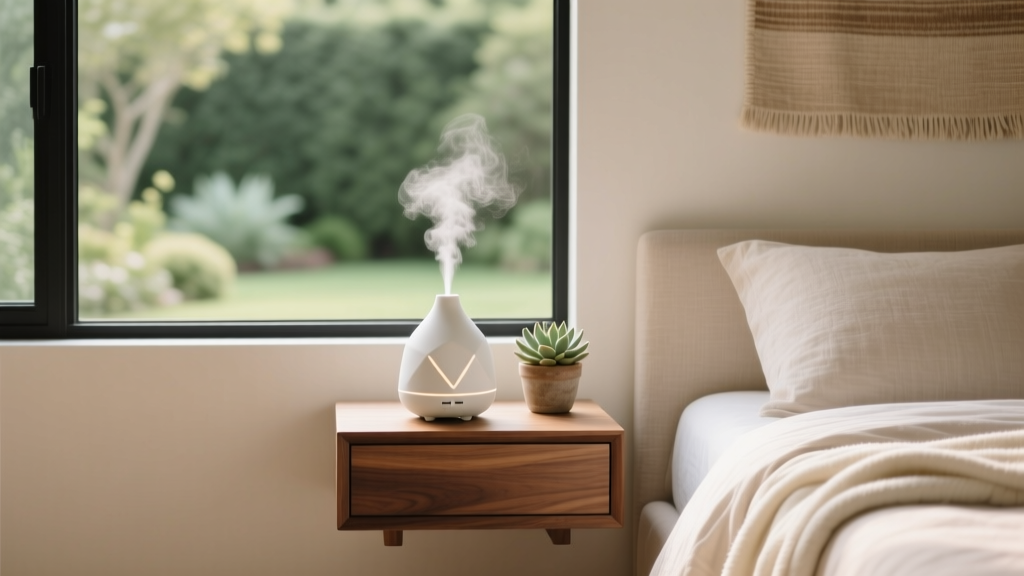
2) A nightstand—on the far side, not right by your pillow
A nightstand can work well when you’re careful about distance and moisture. Aim for the side of the nightstand farthest from your pillow, and point the mist away from bedding.
- Why it works: Convenient for bedtime routines; easy to turn on/off.
- Best for: Smaller bedrooms without a dresser, or people who prefer a subtle scent while reading.
- Avoid: Placing it between your head and the edge of the nightstand—this can concentrate scent too strongly.
3) A small wall shelf or floating shelf (great for renters)
A shallow shelf keeps the diffuser out of reach of kids/pets and clears your nightstand. Choose a shelf that’s level, securely anchored (or renter-friendly with proper adhesive weight ratings), and not directly above pillows.
- Why it works: Good dispersion, minimal clutter, visually clean.
- Best shelf materials: Sealed wood, powder-coated metal, or laminate with a protective tray.
- Placement tip: Install about shoulder height when standing—high enough for safety, low enough to refill comfortably.
4) A bedside cart or slim console table (best for tight layouts)
If your bedroom is short on surfaces, a narrow console behind the bed or a small cart beside it creates a dedicated “sleep station” for diffuser, lamp, and book.
- Why it works: Flexible, stylish, and keeps items organized.
- Best cart features: A stable top, a lip edge to prevent knocks, and space to store oils in a closed bin.
5) Near (but not under) an air pathway—like a doorway corner
Placing the diffuser in a corner near the bedroom door can help scent travel evenly, especially if you keep the door slightly ajar for airflow. Avoid putting it where it’s likely to be bumped.
- Why it works: Helps distribute scent through natural air movement.
- Watch out for: High-traffic pathways and cords across walking areas.
Spots to Avoid in a Sleep-Friendly Bedroom
Some placements create safety issues, mess, or a sleep-disruptive scent cloud.
- Right next to your pillow: Concentrated aroma can feel intense and may irritate airways overnight.
- Directly under shelves or art: Mist can accumulate on frames, paper, and drywall over time.
- On upholstered headboards or near curtains: Fabric can hold scent and moisture; oils can stain.
- On unsealed wood or antique furniture without protection: Water + oils can mark finishes.
- Beside electronics (chargers, alarm clocks, speakers): Moisture and electronics aren’t a good mix.
- On the floor: Easy to kick, spill, or tip—especially during nighttime trips.
Bedroom Design Tips That Make Diffusers Look and Work Better
The best diffuser spot isn’t only about function. It should feel like part of the room’s decor, supporting a calm sleep environment.
Create a “sleep ritual” vignette
Group your diffuser with a few soothing essentials so bedtime feels consistent.
- A small tray (ceramic, stone, or sealed wood)
- A warm bedside lamp (2700K or 2200K for extra coziness)
- A hardcover book or journal
- A lidded container for oils (keeps visual clutter down)
Choose calming colors that pair well with scent
Color influences how a room feels at night. Soft, low-contrast palettes make scent feel more “integrated” and less stimulating.
- Best bedroom colors: warm whites, oatmeal, muted sage, dusty blue, clay, soft greige
- Avoid for sleep zones: overly bright neons or high-contrast patterns near the bed
Layer lighting for a gentle nighttime atmosphere
Diffuser placement improves when lighting is soft and functional. Harsh overhead light can make bedtime feel alert, even if the room smells relaxing.
- Bedside lamps: fabric or frosted shades reduce glare
- Wall sconces: free up nightstand space for a diffuser
- Dimmer switches or smart bulbs: set a “wind-down” scene
Upgrade bedding materials for a cleaner sleep environment
Scent is only one layer. If bedding traps heat or irritates skin, sleep quality can suffer even in a beautifully styled bedroom.
- Sheets: cotton percale (crisp, cool), linen (breathable), bamboo lyocell (soft and smooth)
- Comforter/duvet fill: washable down-alternative for allergy-friendly care
- Pillow protectors: help reduce allergens and keep fabrics fresher
Diffuser Types and How Placement Changes
Different diffuser styles behave differently in a bedroom. Match placement to the device you own (or plan to buy).
Ultrasonic diffusers (most common)
- What they do: Use water + vibration to create a cool mist.
- Best placement: dresser, shelf, or nightstand on a tray.
- Tip: Keep 12–24 inches away from walls to reduce moisture buildup.
Nebulizing diffusers (waterless, stronger scent)
- What they do: Atomize pure essential oils; potency is higher.
- Best placement: across the room rather than by the bed.
- Tip: Use short intervals (15–30 minutes) to avoid overpowering the room.
Evaporative diffusers (fan-based or passive)
- What they do: Evaporate oils from a pad or filter; gentler scent.
- Best placement: near airflow (doorway corner) or on a desk.
- Tip: Good for very small bedrooms or scent-sensitive sleepers.
Reed diffusers (no power, continuous)
- What they do: Slowly release fragrance via reeds.
- Best placement: dresser or shelf away from fabrics and pets.
- Tip: Choose a stable spot—spills can stain wood and textiles.
Practical Wellness Tips: Scent Choices and Timing for Better Sleep
A sleep-friendly bedroom supports your nervous system, not just your style. With essential oils, less is usually more.
Timing: run it before bed, then taper off
- Best routine: diffuse for 20–45 minutes during your wind-down routine.
- Overnight use: choose a diffuser with an auto-off or intermittent mode.
- If you wake easily: avoid bright indicator lights—look for “sleep mode” or cover LEDs safely if the manual allows it.
Sleep-friendly essential oil profiles
- Lavender: classic bedtime scent; keep it light to avoid “perfume” intensity.
- Chamomile: soft, comforting; blends well with lavender.
- Cedarwood: warm and grounding, especially in cozy bedroom decor schemes.
- Bergamot: calming but slightly uplifting; best earlier in the evening.
- Vetiver: earthy and strong; use sparingly and place diffuser farther away.
Simple dilution guidance (for ultrasonic diffusers)
- Small bedroom: start with 2–4 drops per full tank.
- Medium bedroom: 4–6 drops.
- Large bedroom: 6–8 drops (or use a larger-capacity diffuser).
If you share a bedroom, pick a scent both people enjoy. A calming sleep environment is as much about preferences as it is about design rules.
Furniture and Layout Recommendations for the Ideal Diffuser Setup
Diffuser placement becomes easier when your bedroom layout supports clear surfaces and easy circulation.
Best furniture pieces for diffuser-friendly bedrooms
- Nightstands with drawers: hide clutter; keep only lamp + diffuser on top.
- A dresser with a wide top: creates a stable scent “anchor” across from the bed.
- Floating shelves: great for renters who need surface space.
- Upholstered bench at the foot of the bed: not for the diffuser, but reduces “stuff pile” clutter that competes with calm.
Layout: a simple rule for distance
As a starting point, place the diffuser:
- 3–6 feet from the bed (far enough for gentle diffusion, close enough to enjoy)
- At waist-to-chest height (better dispersion than floor level)
- Out of direct line with your face when sleeping
Budget Ranges: What to Spend for a Bedroom Diffuser Setup
- $15–$35: small ultrasonic diffuser + basic essential oil (good for small bedrooms, dorm-like spaces)
- $40–$80: quiet ultrasonic diffuser with timer, low light options, and better build quality (best value for most homes)
- $80–$200+: premium ultrasonic or nebulizing diffuser, often quieter with stronger materials (glass, metal) and refined design
Also budget for the “supporting cast” that keeps your bedroom decor polished:
- Water-resistant tray: $10–$30
- Warm bedside bulb(s): $5–$25 each
- Small lidded storage box for oils: $10–$40
Common Mistakes to Avoid
- Over-scenting the room: more drops don’t equal better sleep—start low and adjust slowly.
- Ignoring moisture: ultrasonic mist can mark wood; always use a tray and wipe surfaces weekly.
- Placing it where it can tip: narrow nightstands, crowded shelves, or unstable stacks increase spill risk.
- Using stimulating blends at bedtime: peppermint and some eucalyptus-heavy blends can feel too energizing for sensitive sleepers.
- Forgetting ventilation and cleanliness: clean the diffuser regularly (per manufacturer instructions) to prevent buildup and off smells.
- Bright LEDs at night: tiny lights can still disrupt sleep in a dark room—choose dimmable or “lights off” models.
FAQ: Bedroom Essential Oil Diffuser Placement
Where should I place an essential oil diffuser in a small bedroom?
Use a dresser top if you have one, or a wall shelf 3–6 feet from the bed. In a small bedroom, keep drops low (often 2–4) and avoid placing it right beside your pillow to prevent an overpowering scent cloud.
Is it safe to sleep with a diffuser on all night?
Many people do, but it’s usually better for sleep to run it on a timer or intermittent mode. Continuous diffusion can become too strong and may irritate airways. Choose a diffuser with auto-off and keep it a few feet from the bed.
Can diffuser mist damage wood furniture or paint?
Yes, over time. Ultrasonic diffusers release water mist that can leave marks on unsealed wood and may affect nearby walls. Protect surfaces with a water-resistant tray and keep the diffuser 12–24 inches away from walls.
Should I put a diffuser near a fan or air purifier?
A little airflow helps disperse scent, but placing a diffuser right next to a fan or air purifier can reduce its effectiveness (or push scent too intensely in one direction). Keep them a few feet apart and avoid directing airflow straight at the diffuser.
What’s the best essential oil scent for a relaxing bedroom?
Lavender and chamomile are popular for a calming bedroom atmosphere. Cedarwood is a great option if you prefer warm, cozy notes. Start with fewer drops and see how your sleep responds.
How do I make a diffuser look stylish in my bedroom decor?
Place it on a small tray with one or two simple items (a book, a small vase, or a lidded box). Choose a diffuser finish that matches your bedroom design—matte white for minimal spaces, wood grain for warm neutrals, or glass for a more elevated look.
Next Steps: Set Up Your Best Diffuser Spot Tonight
Pick one stable surface—ideally a dresser across from the bed or the far side of your nightstand—then add a protective tray and test a gentle amount of oil for 20–45 minutes as you wind down. Pair that with warm lighting, breathable bedding, and a clutter-minimizing layout, and your bedroom starts to feel like a true sleep space rather than a storage zone.
For more calming bedroom design ideas, sleep-friendly decor tips, and practical room layouts, explore the latest guides on thedecormag.com.
More Articles
 Bedroom Boucle Fabric Furniture Trend - The Decor Mag
 Best Bedroom Sound Machine Placement - The Decor Mag
 Best Bedroom Bedside Notebook and Pen - The Decor Mag
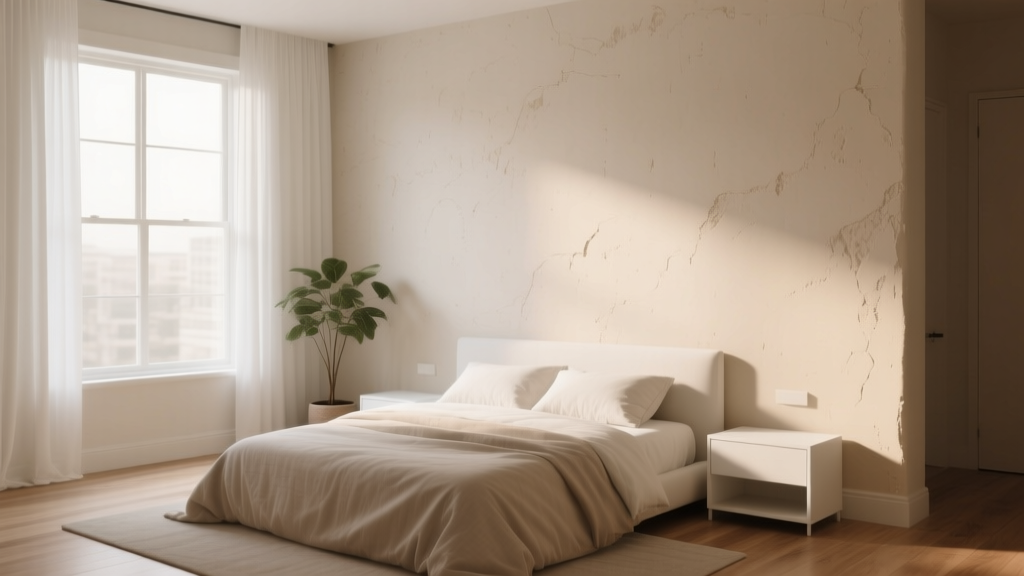 Bedroom Limewash Paint Wall Trend - The Decor Mag
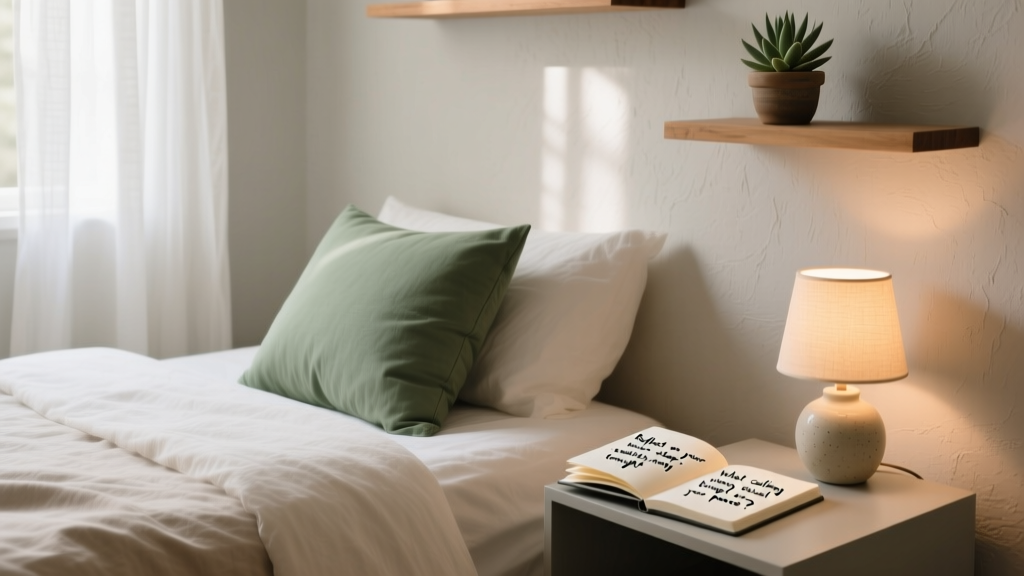 Best Bedroom Sleep Journal Prompts - The Decor Mag
 Beyond the Accent Lamp: 7 Thoughtful, Functional Bedside Alternatives for Modern Bedrooms
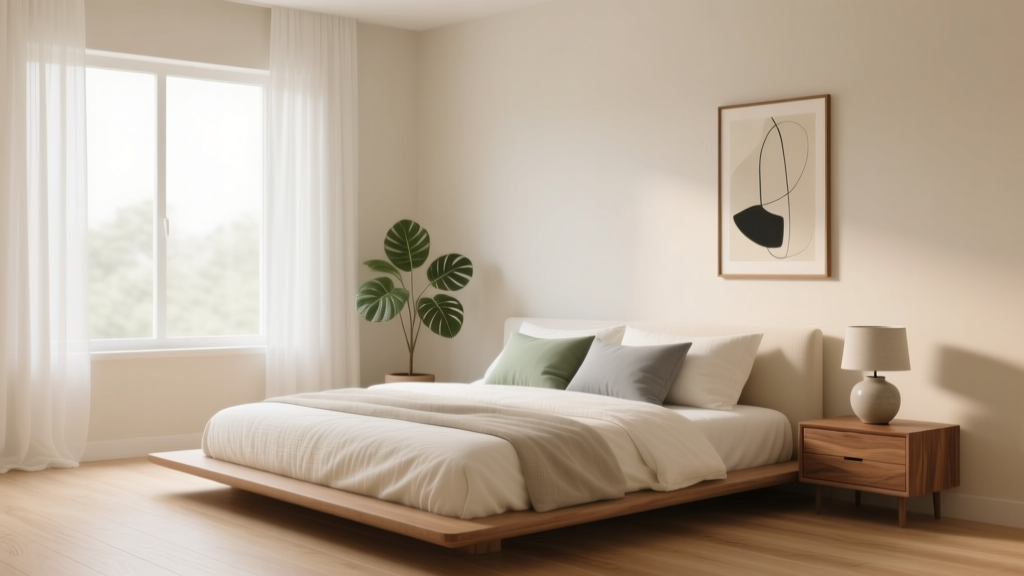 How to Create a Bedroom That Promotes Rest - The Decor Mag
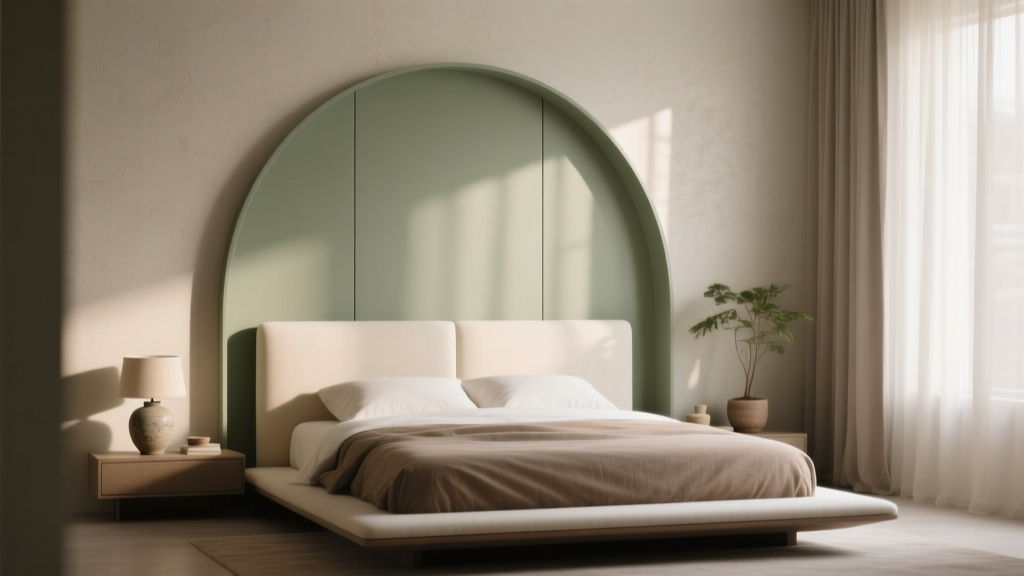 Bedroom Arched Headboard Design Trend - The Decor Mag
 Bedroom Plaster Wall Treatment Ideas - The Decor Mag
 Best Bedroom Sleep Weighted Blanket Guide - The Decor Mag