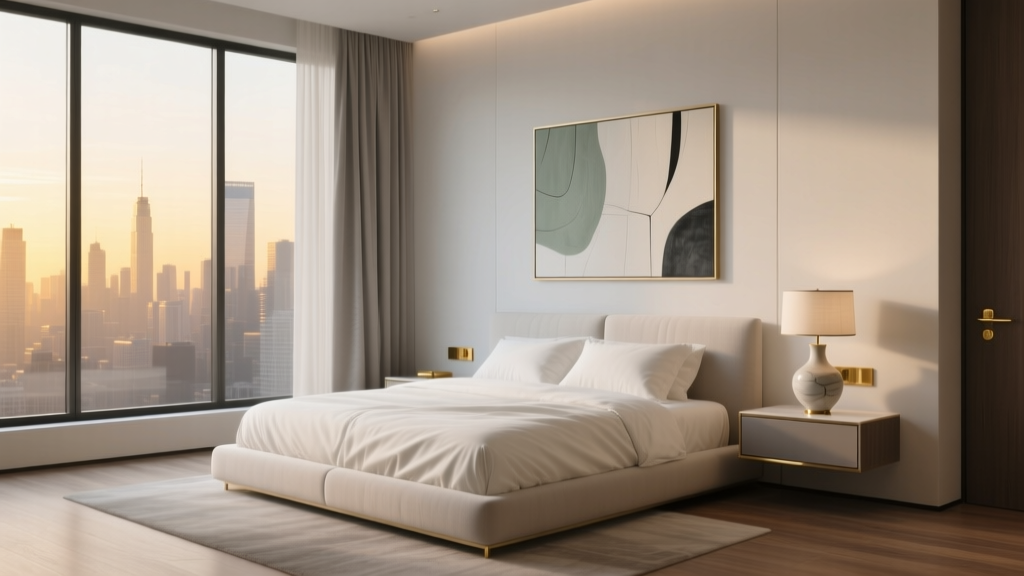
Luxury Bedroom Design Trends - The Decor Mag
Luxury bedroom design has shifted from “showpiece” styling to something far more personal: creating a sleep environment that genuinely restores you. When the bedroom looks calm, feels comfortable, and supports healthy sleep habits, you’re more likely to fall asleep faster, stay asleep longer, and wake up with steadier energy. That’s not just decor—it's daily wellbeing.
Homeowners and renters alike are also rethinking what “luxury” means. It’s less about buying the most expensive item in the store and more about choosing fewer, better pieces: a supportive mattress, breathable bedding, layered lighting, quieting textiles, and a layout that makes the room feel protected and easy to navigate. The best luxury bedroom ideas are practical, sensory, and sleep-friendly—so your space looks elevated and works hard behind the scenes.
What “Luxury” Means Now: Comfort, Quiet, and Quality
Current luxury bedroom trends prioritize tactile comfort, low-clutter design, and wellness-forward materials. Think of it as “high-end hotel” meets “sanctuary at home”—with fewer visual distractions and more intention.
- Comfort-first investments: mattress, pillows, duvet insert, window treatments.
- Calm visual rhythm: fewer colors, more texture; fewer items, more scale.
- Quiet features: thick rugs, upholstered headboards, drapery that softens sound.
- Healthier materials: low-VOC finishes, natural fibers, washable layers.
Trend 1: Elevated Minimalism (That Still Feels Warm)
Minimalism has softened. The goal isn’t a sparse room—it’s a bedroom design that reduces overstimulation. A “quiet luxury” look often uses a simple palette, hidden storage, and a few large, beautiful pieces rather than many small ones.
How to get the look
- Choose a bed with presence: an upholstered headboard or a substantial wood frame.
- Use matching or closely related nightstands to keep the layout calm.
- Limit decor to 3–5 meaningful items (art, a sculptural vase, a book stack, a tray).
- Keep surfaces clear with closed storage (drawers, lidded baskets, storage bench).
Budget ranges
- Nightstands (pair): $200–$800 (budget), $900–$2,500 (mid), $2,500+ (premium)
- Upholstered headboard/bed: $400–$1,200 (budget), $1,200–$3,500 (mid), $3,500+ (premium)
Trend 2: Layered Lighting for Mood and Better Sleep
Lighting is one of the most overlooked parts of bedroom decor—and one of the most important for sleep quality. Luxury bedrooms use layered lighting: gentle ambient light, practical task lighting, and warm accent light. This reduces harsh glare and supports a wind-down routine.
Sleep-friendly lighting plan (simple and effective)
- Ambient: a semi-flush mount, chandelier, or ceiling fixture on a dimmer.
- Task: bedside reading lamps or adjustable wall sconces.
- Accent: a soft-glow table lamp across the room or LED strip behind a headboard (warm tone only).
What to look for
- Warm color temperature: 2200K–2700K for evening calm (avoid cool 4000K+ in bedrooms).
- Dimmers: ideally on all main lights, especially overhead.
- Shaded bulbs or fabric shades: to soften brightness and reduce glare.
- Smart lighting: set a nightly “sunset” scene to cue sleep.
Budget ranges
- Plug-in bedside lamps (pair): $60–$250 (budget), $250–$800 (mid), $800+ (premium)
- Wall sconces (pair): $100–$400 (budget), $400–$1,200 (mid), $1,200+ (premium)
- Dimmer switch: $20–$80 plus installation (if needed)
Trend 3: Statement Headboards and Softer Architecture
One dramatic headboard is a classic luxury move: it anchors the room, adds comfort for reading, and visually elevates even modest bedding. Current trends include curved silhouettes, channel tufting, and natural textures.
Materials that feel luxe (and practical)
- Performance velvet or performance linen: plush but more stain-resistant.
- Bouclé: cozy texture; best for low-shedding, low-pet households.
- Solid wood: white oak, walnut, ash; choose sealed, low-VOC finishes.
- Leather or vegan leather: easy wipe-down; can feel cooler to the touch.
Sleep comfort tip
If you read in bed, an upholstered headboard reduces pressure points and makes your bedroom layout more inviting—supporting a calmer, more consistent bedtime routine.
Trend 4: High-Quality Bedding as the New Luxury Status Symbol
Bedding is where luxury becomes tangible. The right sheets and duvet can improve temperature regulation, reduce night sweats, and make it easier to relax. A beautiful bed is also visual therapy: a neatly layered, breathable setup cues the brain that this room is for rest.
Best luxury bedding materials (and what they’re good for)
- Long-staple cotton percale: crisp, cool, ideal for hot sleepers.
- Cotton sateen: smoother and slightly warmer, great for cooler climates.
- European flax linen: breathable, relaxed texture, softens over time.
- Silk pillowcase (mulberry silk): gentle on hair and skin; choose a washable option if possible.
How to layer a luxury bed (simple formula)
- Base: fitted sheet + flat sheet (optional if you prefer a duvet-only setup).
- Temperature layer: lightweight blanket or coverlet.
- Main layer: duvet insert + duvet cover.
- Finishing: 2 sleeping pillows + 2 shams (optional) + one accent lumbar pillow.
Product-type recommendations
- Duvet insert: look for “all-season” down alternative (easy care) or ethically sourced down (excellent loft).
- Pillows: one supportive pillow matched to your sleep position plus a softer “hug” pillow for comfort.
- Mattress protector: breathable, noiseless, and waterproof (protects the investment without crunching sounds).
Budget ranges
- Sheet set: $60–$150 (budget), $150–$350 (mid), $350+ (premium)
- Duvet cover: $50–$140 (budget), $140–$300 (mid), $300+ (premium)
- Duvet insert: $80–$200 (budget), $200–$450 (mid), $450+ (premium)
Trend 5: Calming Color Palettes and “Tone-on-Tone” Rooms
Color affects arousal levels—bright, high-contrast rooms can feel energizing when you want to wind down. Luxury bedroom color trends lean toward soothing neutrals and nature-inspired hues, often layered in similar tones for a cohesive, restful look.
Sleep-friendly luxury palettes
- Warm neutrals: ivory, oatmeal, sand, taupe (soft and inviting).
- Earthy greens: sage, olive, eucalyptus (grounding and calm).
- Muted blues: dusty blue, slate, soft navy (cooling, serene).
- Moody cocoons: deep charcoal, chocolate, ink (best with layered lighting).
Practical paint guidance
- Choose low-VOC or zero-VOC paint to reduce odors and off-gassing.
- Use matte or eggshell for walls to minimize glare and hide imperfections.
- If renting, try removable wallpaper in a linen-look texture or a subtle organic pattern behind the bed.
Trend 6: Texture-Rich Materials That Quiet the Room
Luxury is often felt more than seen. Texture adds depth without visual clutter, and soft surfaces help absorb sound—both beneficial for a restful sleep environment.
Materials to mix for a plush, high-end feel
- Wool rug or wool blend (natural resilience, cozy underfoot)
- Velvet, linen, and brushed cotton for varied softness
- Natural wood in warm tones to reduce “cold” visual feeling
- Stone or ceramic accents (lamps, trays) for a grounding, spa-like touch
Budget tip
If you can only upgrade one texture, choose a large rug. It makes the bedroom feel finished, reduces echo, and makes mornings noticeably more comfortable.
Trend 7: Thoughtful Layouts That Support Rest
A luxury bedroom layout feels easy: clear paths, balanced proportions, and no visual pile-ups. When movement is smooth and the room feels organized, your nervous system tends to settle faster.
Layout recommendations
- Prioritize the bed wall: place the bed on the most solid wall, ideally not directly in line with the door.
- Create breathing room: aim for 24–30 inches of clearance on each side of the bed when possible.
- Float a bench: a storage bench at the foot of the bed adds function and a hotel-like finish.
- Separate “sleep” and “work” zones: if you must have a desk, keep it across the room and use a closing laptop station (tray or drawer).
Renter-friendly upgrades
- Use plug-in wall sconces to free nightstand space without hardwiring.
- Add a room-darkening curtain rod (wraparound style helps block light leaks).
- Choose furniture with legs to keep the room visually lighter in smaller spaces.
Wellness Upgrades That Make Luxury Feel Real
Design trends matter, but sleep wellness details change how you feel. These additions blend seamlessly into a luxury bedroom decor plan.
- Blackout or room-darkening curtains: supports melatonin production; ideal for streetlights or early sunrises.
- White noise machine or quiet fan: masks disruptive sounds for more continuous sleep.
- Air quality support: a HEPA air purifier can reduce allergens; choose a low-noise model for bedrooms.
- Humidity balance: humidifier in dry climates to reduce congestion and dry skin (clean frequently).
- Cooling tools: breathable sheets, ventilated mattress pad, or a cooling pillow for hot sleepers.
Common Mistakes That Undercut a Luxury Bedroom
- Too-bright bulbs or cool-toned lighting: can make the room feel clinical and disrupt evening wind-down.
- Skipping window treatments: even stunning decor won’t feel restful if light and privacy aren’t managed.
- Buying decor before the basics: prioritize mattress comfort, bedding breathability, and lighting first.
- Overcrowding with small items: lots of little frames and accessories read as clutter, not luxury.
- Ignoring scale: tiny nightstands next to a large bed (or vice versa) throws off balance.
- Not planning storage: laundry baskets, cords, and piles quickly erase the “suite” feeling.
FAQ: Luxury Bedroom Design and Sleep Environment
What is the best color for a luxury bedroom that also helps sleep?
Soft, muted tones tend to be the most sleep-friendly: warm neutrals, sage green, dusty blue, and gentle taupe. If you prefer darker walls, charcoal or deep olive can feel cocooning as long as you add layered warm lighting.
Which bedding feels the most luxurious for everyday use?
Long-staple cotton percale (cool and crisp) and European flax linen (breathable with a relaxed drape) are top choices. Pair either with a lofty duvet insert and a smooth, supportive pillow to get that high-end hotel feel.
How can renters create a luxury bedroom without renovating?
Focus on removable, high-impact upgrades: plug-in sconces, upgraded curtains, a large area rug, better bedding, and a statement headboard (or a wall-mounted fabric panel). These changes transform the sleep environment without permanent work.
What’s the most cost-effective luxury upgrade?
Lighting and textiles offer the biggest return. A warm dimmable bulb setup plus a larger rug and upgraded sheets can make a room feel dramatically more expensive—while also supporting a calmer bedtime routine.
How do I make a small bedroom feel more luxurious?
Use fewer, larger pieces; keep pathways clear; choose wall-mounted or floating nightstands if space is tight; and stick to a tone-on-tone palette. Add one statement element—like a tall upholstered headboard—to create height and presence.
Can bedroom design really affect sleep quality?
Yes. Light exposure, noise, temperature, and visual clutter all influence how easily your brain shifts into rest. A well-planned bedroom design supports consistent sleep by making the space darker, quieter, cooler, and more soothing to spend time in.
Next Steps: Build Your Luxury Bedroom One Layer at a Time
Start with the essentials that directly improve sleep quality: a comfortable mattress setup, breathable bedding, and layered warm lighting. Next, refine the room’s feel with calming paint or removable wallpaper, a large rug, and window treatments that manage light and privacy. Finally, edit surfaces, add storage where clutter collects, and choose one standout piece—like a sculptural lamp or statement headboard—to make the space feel intentionally luxurious.
- This week: swap bulbs to 2700K (or warmer) and add a dimmer or smart routine.
- This month: upgrade sheets or duvet insert based on your temperature needs.
- Over the season: add a larger rug, improved curtains, and a headboard for comfort and polish.
For more soothing bedroom ideas, sleep-friendly decor guides, and practical styling tips, explore the latest inspiration on thedecormag.com.
More Articles
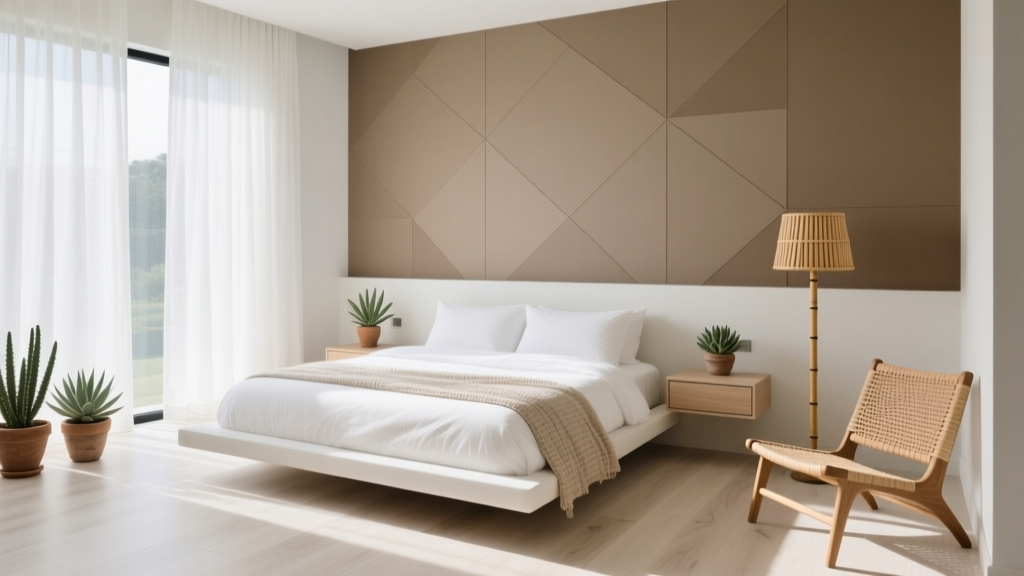 Summer Bedroom Design: Stay Cool & Stylish
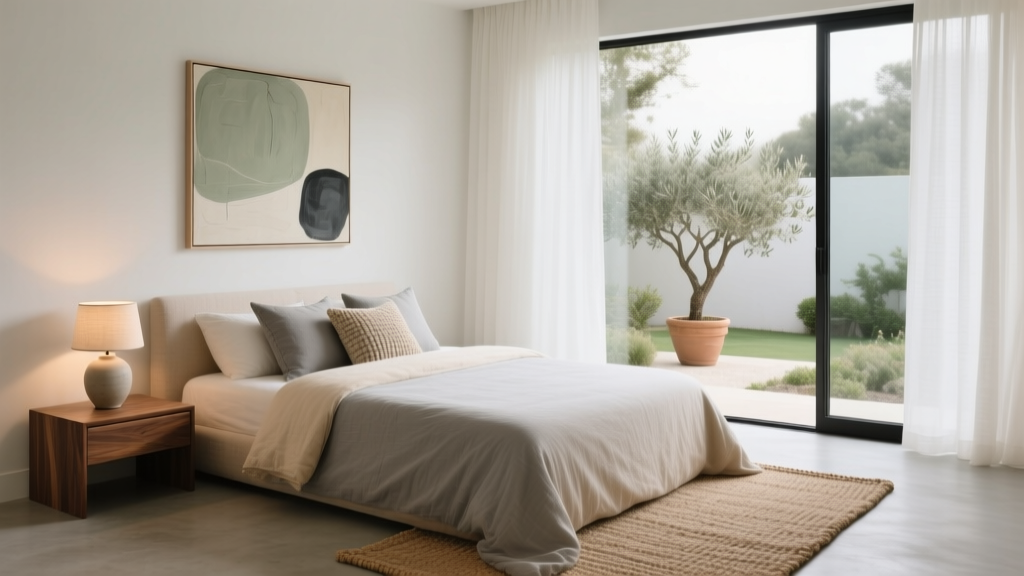 How to Create a Calming Bedroom Retreat - The Decor Mag
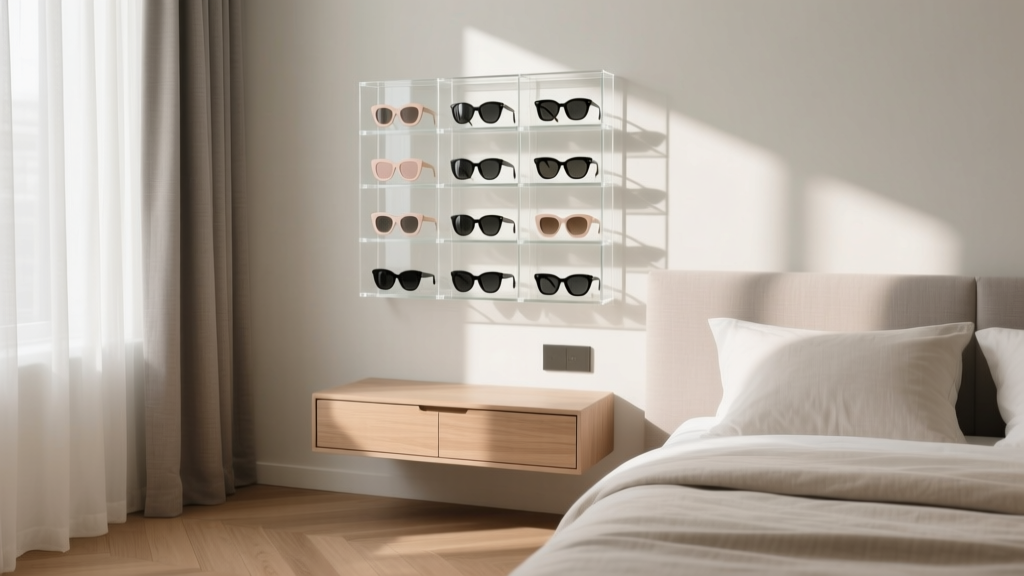 Best Bedroom Sunglasses Organization - The Decor Mag
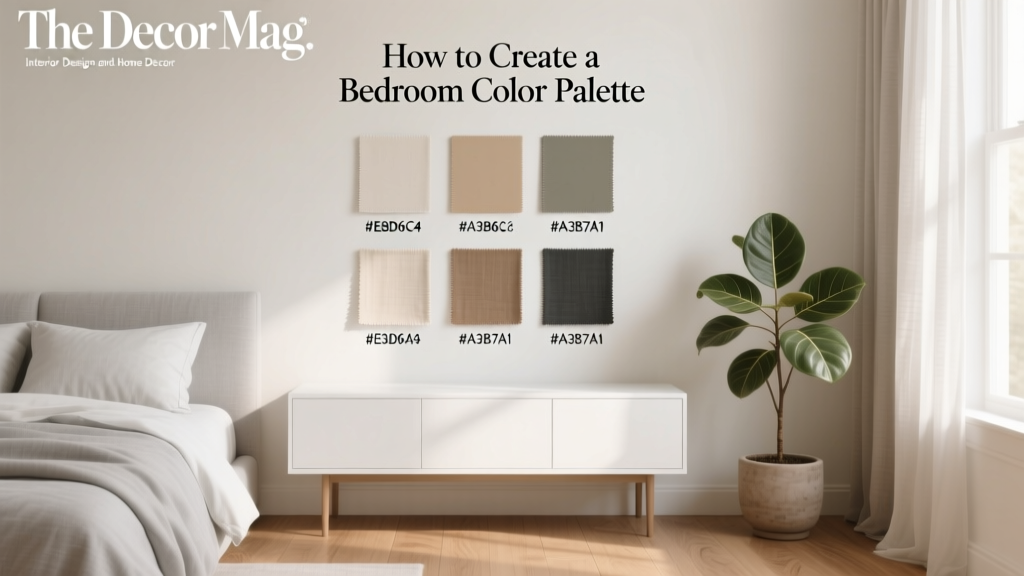 How to Create a Bedroom Color Palette - The Decor Mag
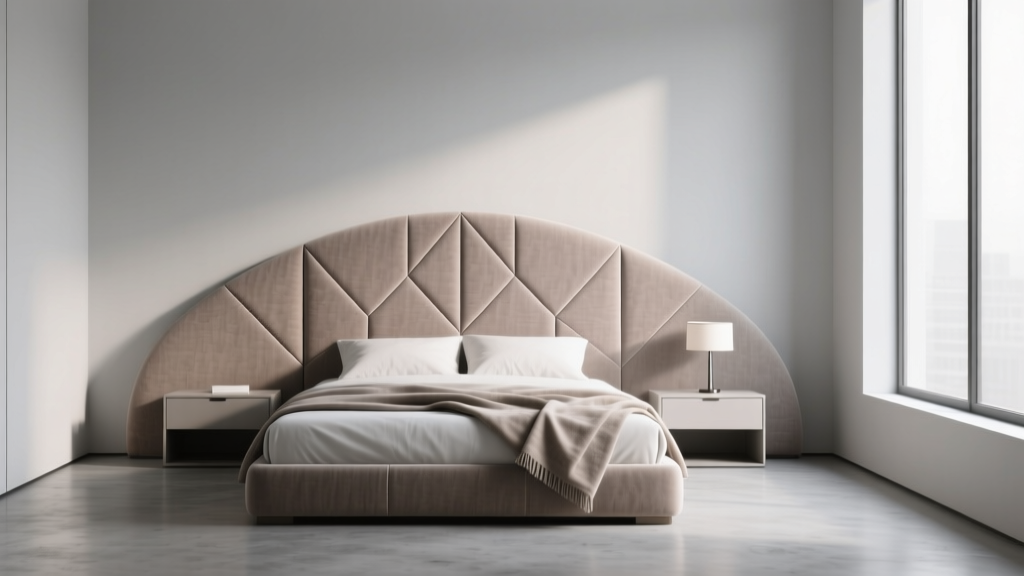 Bedroom Curved Headboard Upholstery Trend - The Decor Mag
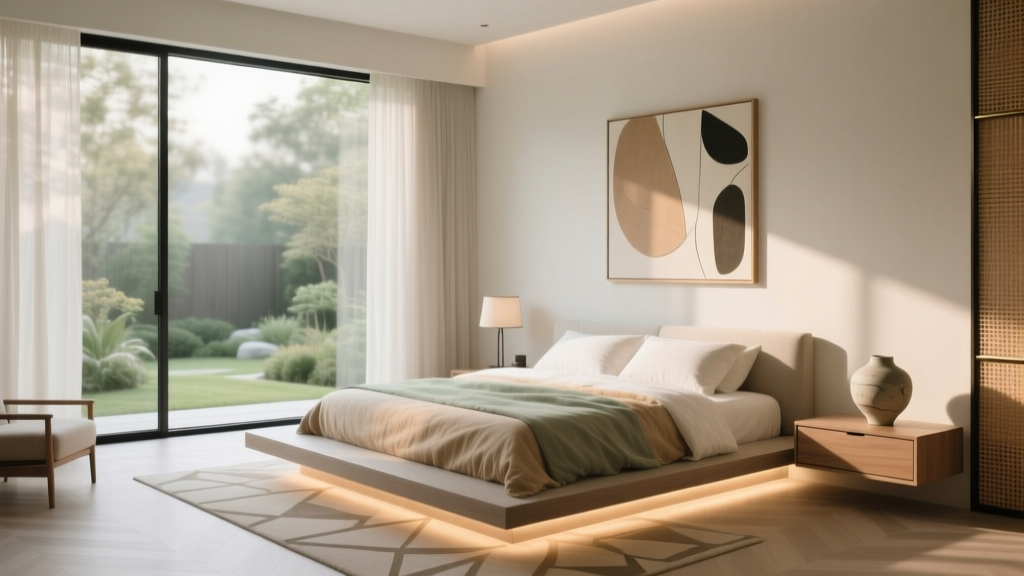 Modern Bedroom Design Ideas for 2026 - The Decor Mag
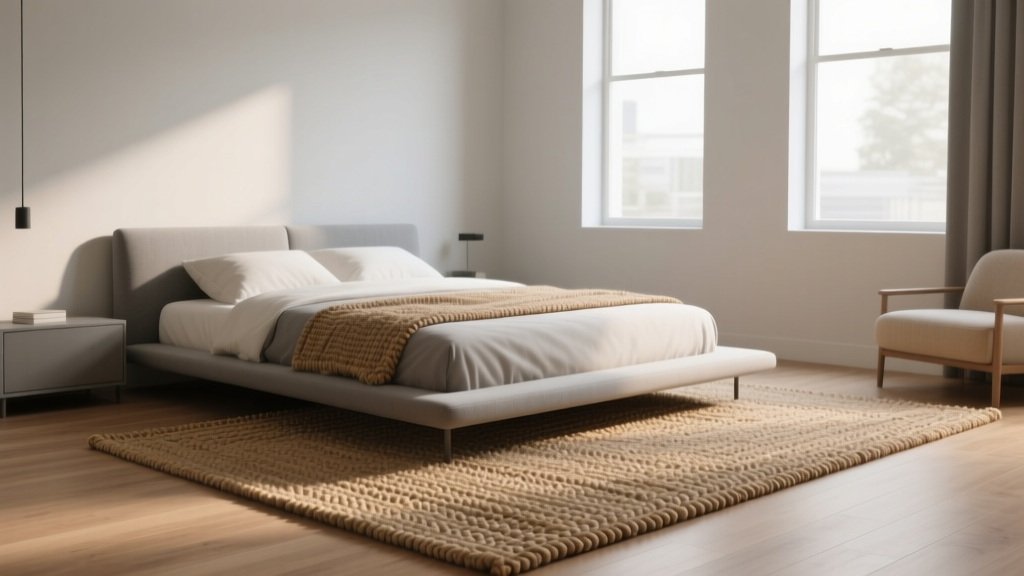 Bedroom Natural Jute Rug Under Bed - The Decor Mag
 How to Create a Bedroom That Feels Collected - The Decor Mag
 Perfect Mattress for Bedrooms: 2026 Picks
 Best Bedroom Ceiling Fan Options - The Decor Mag