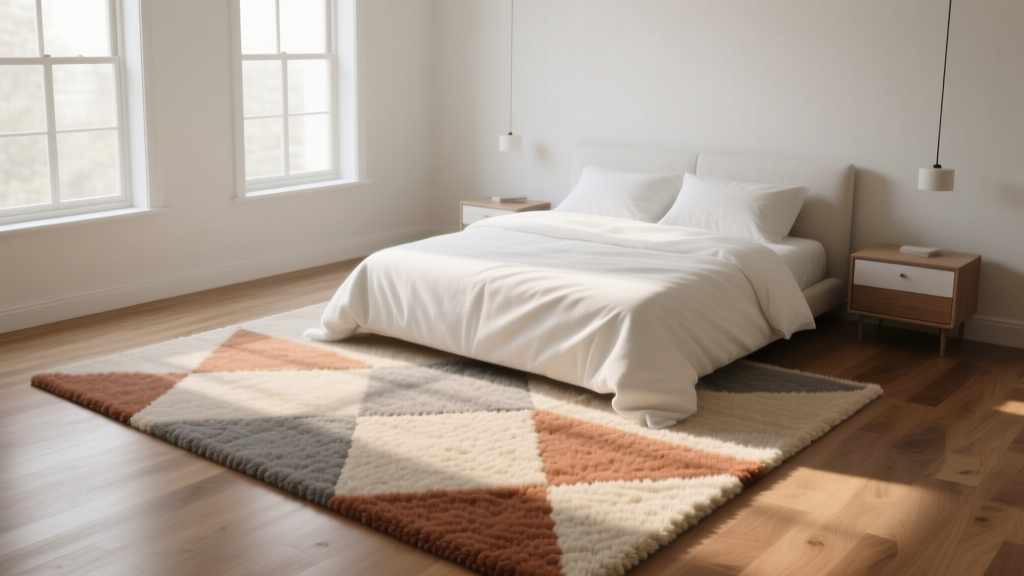
Best Bedroom Rugs for Underfoot Comfort (2026)
That first step out of bed sets the tone for your morning—and, subtly, your night. A bedroom rug isn’t just a decor choice; it’s a tactile cue that tells your body it’s safe, warm, and at ease. When your feet land on something soft instead of a cold floor, you reduce that tiny jolt of stress that can spike alertness. Over time, these small comforts add up, supporting a calmer sleep environment and a more restful bedroom design.
Rugs also shape how a space feels acoustically and visually. They absorb sound (helpful for light sleepers), soften harsh echoes, and create a cozy “landing zone” around the bed. In a room built for rest and relaxation, the right rug can anchor your layout, warm up the palette, and even reduce nighttime slips—without adding clutter.
Below, you’ll find practical bedroom rug options for underfoot comfort, plus material recommendations, budget ranges, and sleep-friendly styling tips that work for homeowners and renters alike.
How a Bedroom Rug Supports Sleep Quality
A thoughtful rug choice can improve your sleep environment in a few meaningful ways:
- Warmth and comfort: Especially on hardwood, tile, or concrete, a rug reduces the shock of a cold floor, helping your body stay relaxed.
- Noise reduction: A plush rug dampens footsteps and vibrations—useful if you wake easily or share walls with neighbors.
- Visual calm: A rug can unify the room’s colors and textures, creating a more soothing bedroom decor scheme.
- Safety at night: A secure rug with a proper pad lowers the risk of slipping during nighttime bathroom trips.
Choosing the Right Rug Size and Placement (So It Feels Good Every Day)
Best rug sizes for common bedroom layouts
Comfort comes from coverage. If you only have a small rug that your feet miss half the time, it won’t deliver the cozy effect you’re after.
- Queen bed: 8' x 10' is the most versatile; 9' x 12' for a more luxe, wall-to-wall feel.
- King bed: 9' x 12' is ideal; 10' x 14' if the room is large and you want generous softness around the bed.
- Full bed: 6' x 9' or 8' x 10' depending on room size.
- Twin bed: 5' x 8' works well; consider runners if space is tight.
Placement options that maximize underfoot comfort
- Rug under the bed (most popular): Pull the rug forward so it extends 18–24 inches past the sides and foot of the bed for a soft step.
- Two runners on each side: Great for renters or narrow rooms; easier to clean and replace.
- Rug at the foot of the bed: Adds texture and warmth if you can’t fit a large rug under furniture.
Quick comfort rule: Your rug should cover the area where your feet naturally land when you get out of bed and when you walk to the closet or door.
Best Bedroom Rug Materials for Softness, Durability, and Clean Air
Wool: The gold standard for cozy bedroom design
Wool rugs are naturally resilient, warm, and soft underfoot. They’re also excellent for sound absorption—helpful for a more restful bedroom.
- Feel: Plush and insulating
- Best for: Cooler climates, high-comfort bedrooms, noise reduction
- Consider: Some shedding at first; higher upfront cost
- Budget range: $300–$1,500+ depending on size and weave
Cotton: Lightweight, breathable, renter-friendly
Cotton is a practical option when you want softness without a heavy pile. Many cotton rugs are easier to wash or spot-clean.
- Feel: Soft, flatter weave
- Best for: Warm sleepers, casual bedroom decor, layering
- Consider: Less cushion; can wrinkle without a rug pad
- Budget range: $80–$400
Jute and sisal: Natural texture with a firmer feel
These plant-fiber rugs bring warmth and earthy style, but they’re not the coziest barefoot option on their own.
- Feel: Firm, textured
- Best for: Layering under a softer rug, boho or coastal bedroom design
- Consider: Scratchy for sensitive feet; moisture can stain
- Budget range: $120–$700
Silk or viscose: Beautiful sheen, not always bedtime-practical
These can look luxurious, but they’re more delicate and may show footprints or water marks.
- Feel: Smooth and soft
- Best for: Low-traffic bedrooms, design-forward spaces
- Consider: Higher maintenance; not ideal for kids/pets
- Budget range: $250–$2,000+
Synthetic (polypropylene, polyester): Budget-friendly and easy-care
If allergies, pets, or spills are a concern, modern synthetics can be surprisingly soft and very practical.
- Feel: Varies from flat to plush
- Best for: First apartments, kid/pet homes, high-traffic rooms
- Consider: Can trap odors if not cleaned regularly; look for low-VOC options
- Budget range: $60–$500
Top Bedroom Rug Styles That Feel Amazing Underfoot
1) Plush shag or high-pile rugs (maximum softness)
If your priority is sinking your toes into something cloud-like, high-pile is hard to beat.
- Best for: Cold floors, cozy bedroom decor, lounging areas
- Sleep-friendly tip: Keep the pile dense but not too long; extremely long shag can trap dust and be harder to vacuum.
- Budget range: $120–$900
2) Tufted wool rugs (soft, structured, timeless)
Tufted wool offers cushion without the “fluffy trap” of shag. It pairs beautifully with classic or modern bedroom design.
- Best for: Balanced comfort and easy upkeep
- Sleep-friendly tip: Choose calming patterns (subtle geometrics, tonal textures) to reduce visual stimulation.
- Budget range: $250–$1,200
3) Flatweave rugs (clean lines, easy movement)
Flatweaves make it easy to slide chairs, open drawers, and roll a suitcase—great for smaller bedrooms.
- Best for: Minimalist bedrooms, warm climates, layering
- Underfoot upgrade: Add a thick rug pad for a softer feel.
- Budget range: $90–$700
4) Runners for each side of the bed (small-space comfort)
Two runners can be more practical than one large rug, especially in rentals where furniture placement may change.
- Best for: Narrow bedrooms, shared rooms, tight budgets
- Sizing tip: Aim for 2'6" x 7' to 2'6" x 10' depending on bed length and nightstand placement.
- Budget range: $40–$250 per runner
5) Layered rugs (designer look with customizable comfort)
Layer a natural-fiber base (jute) with a smaller plush wool or cotton rug where your feet land. It’s visually rich and lets you place softness exactly where you want it.
- Best for: Boho bedrooms, eclectic decor, renters
- Comfort tip: Put the thicker pad under the top rug, not just the base layer.
- Budget range: $200–$1,200 total depending on materials
Sleep-Friendly Bedroom Design Pairings: Furniture, Bedding, Lighting, and Color
A rug works best when the rest of the bedroom decor supports relaxation. Here are pairings that amplify comfort and sleep quality.
Furniture and layout recommendations
- Keep pathways clear: Leave a clean walkway from bed to door and bed to bathroom. A rug should support movement, not create obstacles.
- Anchor the bed: Center the rug under the bed to visually “ground” the room—this reduces that floating, unsettled feel.
- Choose nightstands with closed storage: Less visual clutter near the bed helps your brain associate the space with rest.
- If you have a bench: Place it at the foot of the bed on top of the rug (only if the rug is large enough) to create a cohesive zone.
Bedding that complements underfoot comfort
- For a cozy, warm bedroom: Pair a wool or high-pile rug with flannel sheets or a brushed cotton duvet cover.
- For hot sleepers: Use a flatweave or low-pile rug with breathable percale sheets and a lightweight quilt.
- Texture balance: If your rug is very plush, keep bedding visually calm (solid colors, minimal patterns) for a soothing sleep environment.
Lighting choices that make the room feel softer
- Use warm bulbs: Aim for 2700K–3000K for a restful bedroom mood.
- Layer lighting: Overhead light + bedside lamps + a dimmable accent light creates gentle transitions into sleep.
- Reduce glare: A soft rug plus softer lighting reduces harsh reflections from wood or tile floors.
Color palettes that feel calm (and look great with rugs)
- Sleep-forward neutrals: Oatmeal, warm ivory, greige, sand, soft taupe
- Muted hues: Dusty blue, sage green, clay rose, smoky lavender
- Best rug approach: Choose a rug that’s either tonal (same family as walls/bedding) or gently patterned with 2–3 related colors to reduce visual “buzz.”
Wellness Tips: Allergies, Air Quality, and Nighttime Safety
- Use a rug pad: It adds cushion, prevents slipping, and protects floors—especially important in a sleep space where you move around in low light.
- Pick low-VOC options when possible: If you’re sensitive to smells, let a new rug off-gas in a ventilated room before placing it in your bedroom.
- Vacuum strategically: For allergy-prone sleepers, vacuum 1–2 times weekly (more if pets sleep in the room). A HEPA vacuum can help reduce dust buildup.
- Keep humidity balanced: Around 40–50% helps discourage dust mites and keeps fibers comfortable.
- Nighttime traction: Avoid slick-backed rugs without a pad; consider a lower pile if you wear socks to bed and tend to slip.
Common Bedroom Rug Mistakes to Avoid
- Buying too small: A tiny rug can look awkward and fail at comfort. Prioritize coverage where your feet land.
- Skipping the rug pad: Without it, rugs slide, curl, and feel thinner—less cozy and more hazardous.
- Choosing high-pile in a drawer-heavy layout: Thick rugs can block dresser drawers or snag door swings. Measure clearances first.
- Overly busy patterns near the bed: High-contrast prints can feel energizing rather than restful. In a sleep environment, calmer tends to work better.
- Ignoring maintenance realities: Shag in a pet-heavy home may become frustrating fast. Choose a style you can care for consistently.
- Not testing texture: If possible, feel the rug or order swatches. “Soft” online can mean very different things in real life.
Budget Guide: What to Expect at Different Price Points
- Under $150: Small synthetics, runners, some cotton flatweaves. Best for renters, first apartments, or temporary updates.
- $150–$500: Larger synthetics, better tufted options, some wool blends. A strong value range for bedroom rugs.
- $500–$1,200: Quality wool rugs (tufted or woven), larger sizes, better density and longevity.
- $1,200+: Premium wool, hand-knotted pieces, silk blends, custom sizing. Best for long-term homes and design investment.
FAQ: Bedroom Rugs and Underfoot Comfort
What’s the softest rug type for a bedroom?
High-pile rugs and dense tufted wool rugs tend to feel the softest underfoot. If you want “sink-in” comfort, choose a plush pile plus a quality rug pad for extra cushioning.
Should a bedroom rug go under the nightstands?
If you’re using a large area rug (like 8' x 10' or bigger), placing the nightstands on the rug can look more cohesive and feel more stable. If you prefer flexibility, position the rug so it starts just in front of the nightstands and still extends past the sides of the bed.
Are rugs bad for allergies in the bedroom?
Rugs can hold dust, but they can also trap particles that would otherwise circulate. Choose a low- to medium-pile rug, vacuum regularly (ideally with HEPA filtration), and consider wool, which is naturally resilient. If allergies are severe, a flatweave plus frequent cleaning is often the easiest setup.
What rug color is best for a calming sleep environment?
Soft neutrals and muted tones usually feel most restful—think oatmeal, warm gray, sand, sage, or dusty blue. Low-contrast patterns also help keep the bedroom decor visually quiet.
Do I really need a rug pad in the bedroom?
Yes. A rug pad improves underfoot comfort, reduces slipping, and extends the life of your rug and flooring. It’s one of the simplest upgrades you can make for a safer, more comfortable bedroom.
What’s the easiest bedroom rug to clean?
Low-pile synthetic rugs and flatweaves are typically the easiest to maintain. They’re less likely to trap debris and are often more stain-resistant, making them practical for homes with pets or kids.
Next Steps: A Simple Plan to Choose the Right Bedroom Rug
- Map your comfort zones: Identify where your feet land most—both sides of the bed, foot of the bed, and the path to the door.
- Pick your feel: Plush (maximum softness), tufted wool (balanced comfort), or flatweave (easy-care with a pad).
- Choose a calming palette: Match the rug to your bedroom colors for a cohesive, sleep-friendly look.
- Add a rug pad: Treat it as part of the purchase, not an optional extra.
- Support the full sleep environment: Pair your rug with breathable bedding, warm layered lighting, and a clutter-minimizing layout.
A bedroom rug is one of the most immediate comfort upgrades you can make—quietly improving the way your space looks, sounds, and feels as you wind down and wake up. For more calming bedroom ideas, sleep-friendly decor tips, and room-by-room inspiration, explore the latest on thedecormag.com.
More Articles
 Best Bedroom Perfume Collection Display - The Decor Mag
 Best Bedroom Bedside Carafe and Glass - The Decor Mag
 Bedroom Tufted Headboard Trends - The Decor Mag
 Transitional Bedroom Design Guide - The Decor Mag
 Best Bedroom Aromatherapy Diffuser Blend - The Decor Mag
 Best Bedroom Luggage Storage Solutions - The Decor Mag
 How to Choose Bedroom Pillow Insert Fill - The Decor Mag
 Bedroom Plaster Sconce Wall Application - The Decor Mag
 Best Bedroom Mirror Placement Ideas - The Decor Mag
 Best Bedroom Crystal Collection Display - The Decor Mag