Heirloom Textiles in Bedrooms: Styling Ideas (2026)
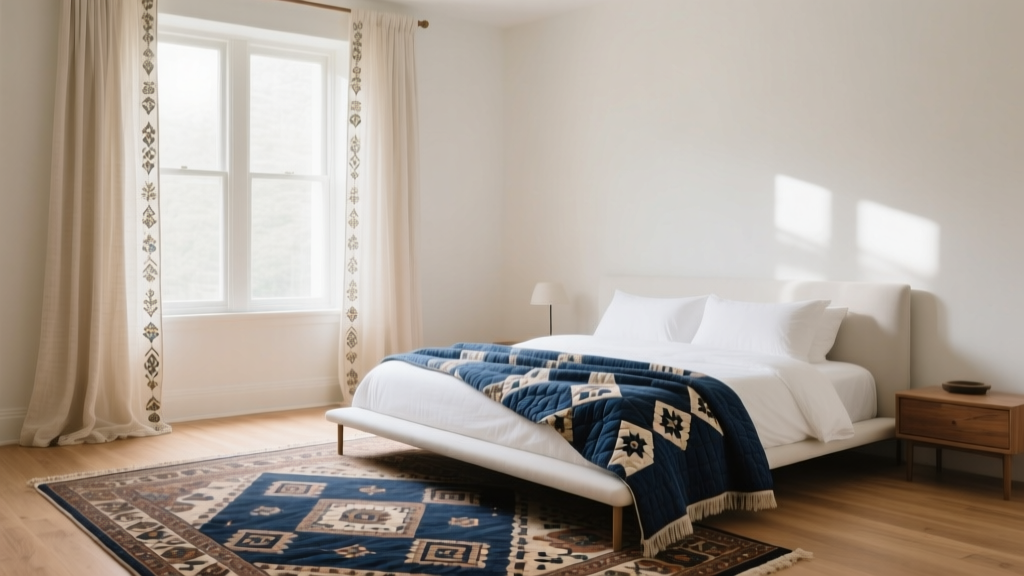
There’s a reason heirloom textiles feel different the moment you touch them. A hand-stitched quilt, a woven coverlet, or embroidered pillowcases carry history in their fibers—often made with higher-quality materials and a level of craft that’s hard to replicate. Bringing these pieces into your bedroom design can create a sense of grounded comfort, which supports a calmer mind at bedtime and a more restorative sleep environment.
Bedrooms are uniquely emotional spaces: they’re where we recover, reset, and start again. When your bedroom decor includes meaningful items, the room can feel safer and more personal—two qualities that encourage relaxation. The goal isn’t to turn the bedroom into a museum; it’s to use heirloom textiles intentionally so they add warmth, softness, and visual ease without creating clutter or allergens.
This guide walks you through practical ways to decorate with heirloom textiles—whether you own a few precious pieces or a whole trunk of family linens—while keeping the bedroom comfortable, functional, and sleep-friendly.
What Counts as an Heirloom Textile?
Heirloom textiles are fabric items passed down or collected for their craftsmanship, age, or sentimental value. Many are made from natural fibers that breathe well—great news for sleep quality.
- Quilts and coverlets: patchwork quilts, whole-cloth quilts, woven bedspreads
- Handmade linens: embroidered pillowcases, monogrammed sheets, crocheted throws
- Woven textiles: wool blankets, vintage kantha, kilim fragments, handloomed cotton
- Decor accents: lace runners, tapestry panels, framed textile art
Sleep-friendly note: Older textiles can be wonderfully breathable, but they may trap dust if stored improperly. A quick refresh and smart placement makes them both beautiful and comfortable to live with.
Start With One Anchor Piece (So the Room Stays Restful)
The easiest way to incorporate heirloom textiles in a bedroom without visual chaos is to choose a single “anchor” piece and build around it. This keeps your bedroom design calm, cohesive, and supportive of sleep.
Best anchor pieces for the bed
- Quilt at the foot of the bed: less wear than using it as the top layer nightly, still visually impactful
- Heirloom throw on a lounge chair or bench: adds texture without over-layering the bed
- Two matching embroidered shams: a simple way to introduce heritage detail
A simple formula for a serene look
- Choose one heirloom textile with the most meaning or strongest pattern.
- Pull 2–3 colors from it for the rest of the room (walls, bedding, rug, curtains).
- Keep the remaining surfaces quiet: solids, gentle textures, minimal contrast.
Wellness tip: A bedroom that’s visually “busy” can keep your brain subtly alert. Let heirloom pieces shine against calmer backdrops so your space reads as restful at night.
Where Heirloom Textiles Work Best in Bedroom Design
1) Bedding: Layer for comfort, not clutter
Heirloom textiles and bedding go together naturally, but comfort comes first. Many antique quilts are heavy or delicate; use them in ways that protect the textile and support temperature regulation.
- Best placement: fold a quilt across the lower third of the bed for a polished look and easy warmth
- Use a protective layer: place a breathable cotton cover (like a percale or voile) between your body and a delicate heirloom piece
- Mix eras thoughtfully: pair a vintage quilt with modern organic cotton percale sheets for crisp breathability
Material recommendations for sleep:
- Cotton percale (200–400 thread count): cool, crisp, ideal for warm sleepers
- Cotton sateen (300–600): smoother, slightly warmer, good for cooler climates
- Linen sheets: breathable and moisture-wicking, softens over time
- Wool blanket (as a mid-layer): excellent temperature regulation; avoid scratchy weaves near bare skin
Budget ranges (bedding to pair with heirlooms):
- $40–$100: cotton percale sheet set (basic), cotton blanket
- $120–$250: higher-quality percale or linen blend sheets; down-alternative insert
- $250–$500+: premium linen sheets; all-wool blanket; quality duvet insert with cotton shell
2) Upholstery and seating: Add softness away from the sleep zone
If you have a fragile textile (or one you don’t want on the bed), use it on a chair, bench, or ottoman. This adds character without affecting sleep comfort.
- Bedroom bench: drape a woven throw or folded coverlet on top
- Reading chair: add a lumbar pillow made from a small textile fragment
- Headboard panel insert: frame a sturdy textile behind glass or acrylic, or use it as a padded insert (only if you can do so without damaging it)
Furniture picks that complement heirloom textiles:
- Wood tones: warm oak, walnut, or painted matte finishes to soften pattern-heavy textiles
- Simple silhouettes: Shaker-style nightstands, streamlined upholstered beds, minimal brass hardware
- Storage benches: great for keeping extra layers tidy (a calmer bedroom supports sleep)
3) Wall decor: Preserve special pieces as art
Some heirloom textiles are better displayed than used. Hanging them can protect them from constant friction and laundering.
- Frame small textiles: handkerchiefs, lace, embroidery, or a quilt square in a deep frame
- Textile rail hang: use a wooden quilt rack or wall-mounted rail to drape a sturdy piece
- Shadow box display: ideal for delicate beading or items you don’t want exposed
Sleep-friendly note: If you’re sensitive to dust, avoid open-weave antique textiles directly above the bed. Consider framing behind glass to reduce dust accumulation.
4) Rugs and floor layers: Use vintage looks without sacrificing hygiene
Vintage rugs can be beautiful, but bedrooms need cleanable surfaces for a healthy sleep environment. If you want the heirloom vibe underfoot, consider:
- Low-pile wool rug: classic look, easier to vacuum than high-pile
- Washable rug system: a practical choice for allergy-prone sleepers
- Layering: place a smaller vintage-style rug over a larger neutral, low-pile base for softness and stability
Budget ranges (rugs):
- $80–$200: washable accent rug (runner or 5x7)
- $200–$600: quality low-pile wool blend rug
- $700–$2,000+: authentic vintage wool rug (consider professional cleaning costs)
Color and Pattern: Make Heirloom Pieces Feel Cohesive
Heirloom textiles often feature complex patterns. To keep your bedroom decor sleep-friendly, aim for gentle contrast and repetition rather than competing prints.
Calming color palettes that pair well with heirlooms
- Warm neutrals: ivory, oatmeal, camel, soft terracotta
- Quiet earth tones: sage, clay, dusty blue, muted olive
- Heritage-inspired but calm: faded indigo, soft burgundy, antique rose (use sparingly)
Pattern rules that keep the room peaceful
- One hero pattern: let the heirloom textile be the most detailed print in the room
- One supporting pattern: subtle stripe or small check in a similar color family
- Two texture layers: solid linen, matelassé, or waffle weave adds depth without noise
Quick checklist: If you squint and the room looks “mottled” or chaotic, simplify with more solids and fewer competing patterns.
Lighting That Flatters Textiles (and Helps Your Brain Wind Down)
Lighting affects both mood and melatonin. Heirloom textiles look best under warm, layered light—and so does your sleep environment.
Use a three-layer lighting plan
- Ambient: ceiling fixture or semi-flush mount on a dimmer
- Task: bedside lamps or adjustable reading sconces
- Accent: picture light over framed textiles or a soft floor lamp near a chair
Bulb recommendations for sleep-friendly bedroom lighting
- Color temperature: 2200K–2700K (warm white)
- Brightness: 400–800 lumens per bedside lamp (use dimmers for flexibility)
- Shades: linen or parchment shades diffuse light and highlight textile texture
Wellness tip: Keep bright, cool lighting out of the bedroom at night. A warm bedside lamp makes it easier to transition into sleep, especially if you’re reading or journaling.
Layout and Styling: Keep It Functional for Real Life
Heirloom textiles should support comfort, not complicate routines. A well-planned bedroom layout makes daily reset easier, which reduces stress at bedtime.
Practical placement ideas
- Quilt ladder or wall rack: stores heirloom blankets neatly and keeps them ventilated
- Closed storage nearby: a dresser or lidded basket for off-season textiles (less dust exposure)
- Bedside surface control: use a tray to prevent clutter competing with detailed fabrics
A 10-minute nightly reset that protects textiles
- Fold throws and quilts consistently (reduces fiber stress).
- Keep skincare/hair products capped (prevents oil stains on pillowcases and shams).
- Open a window for 5 minutes if outdoor air quality allows (reduces stale odors in fabric-heavy rooms).
How to Care for Heirloom Textiles Without Ruining Them
Proper care protects both the textile and your sleep environment. When in doubt, choose gentler methods and less frequent washing.
- Skip harsh detergents and brighteners: use a fragrance-free, dye-free gentle detergent
- Avoid high heat: heat can weaken fibers and set stains
- Spot clean first: test in an inconspicuous area
- Consider professional cleaning: especially for wool, silk, or unstable dyes
- Storage: breathable cotton bags or acid-free tissue; avoid plastic bins for long-term storage
Allergy-aware tip: If you’re dust-sensitive, vacuum rugs regularly with a HEPA filter vacuum and choose framed display options for older textiles that may shed fibers.
Common Mistakes to Avoid
- Over-layering the bed: too many throws and pillows can trap heat and create bedtime friction (and clutter)
- Mixing too many heirloom patterns at once: the room loses its restful focal point
- Using delicate pieces as everyday top bedding: friction and frequent laundering shorten their life
- Ignoring odor and dust: musty textiles can disrupt sleep comfort—air them out and store properly
- Hanging textiles in direct sunlight: UV fades dyes and weakens fibers over time
- Choosing scratchy fibers near skin: keep coarse wool or embellished fabrics away from where you sleep
FAQ: Heirloom Textiles in Bedroom
How can I use an heirloom quilt if it’s too fragile?
Use it as a folded accent at the foot of the bed, display it on a quilt ladder, or frame a section if it’s small enough. These options reduce wear while still letting it shape your bedroom decor.
Do heirloom textiles make a bedroom feel dated?
Not if you balance them with modern, simple elements: solid bedding, streamlined nightstands, and warm, minimal lighting. Treat the textile as art and keep the rest of the room calm.
What if my heirloom colors don’t match my current bedroom design?
Pull one subtle shade from the textile (cream, tan, dusty blue, soft green) and repeat it in small ways—lamp shades, a solid throw, or curtains. You don’t need an exact match for cohesion.
Are vintage textiles safe for people with allergies?
They can be, but cleanliness and storage matter. Air out textiles, consider professional cleaning, store in breathable cotton, and avoid placing dusty items directly above the bed. A HEPA vacuum and framed textile art can help.
What’s the most renter-friendly way to decorate with heirloom textiles?
Drape a quilt over a bench, use a quilt ladder, swap pillow covers, or frame small pieces with removable hanging strips. These approaches add character without permanent changes.
Can I mix heirloom textiles with a minimalist bedroom style?
Yes—minimalist bedrooms often benefit from one meaningful, tactile layer. Choose one heirloom piece, keep bedding solid and breathable, and limit accessories so the room stays visually quiet for better sleep.
Next Steps: A Bedroom That Feels Personal and Restful
Choose one heirloom textile to feature this week—either on the bed, over a chair, or as framed wall decor. Build a calming color palette around it, simplify the rest of the room with solid, sleep-friendly bedding, and add warm layered lighting for evenings. With a few thoughtful adjustments, heirloom textiles can make your bedroom feel more comforting, more grounded, and better aligned with deep rest.
For more bedroom design ideas, sleep environment upgrades, and cozy decor inspiration, explore the latest guides on thedecormag.com.
More Articles
 Bedroom Wingback Headboard Design - The Decor Mag
 Best Bedroom White Noise Setup - The Decor Mag
 How to Create a Bedroom Color Palette - The Decor Mag
 Bedroom Boucle Fabric Furniture Trend - The Decor Mag
 How to Incorporate Texture in Bedroom Decor - The Decor Mag
 Best Bedroom Meditation Corner Setup - The Decor Mag
 Bedroom Curved Mirror Above Bed Idea - The Decor Mag
 Best Bedroom Eye Mask Storage - The Decor Mag
 Modern Bedroom Design Ideas for 2026 - The Decor Mag
 Wellness Bedroom Decor: Design Tips for 2026