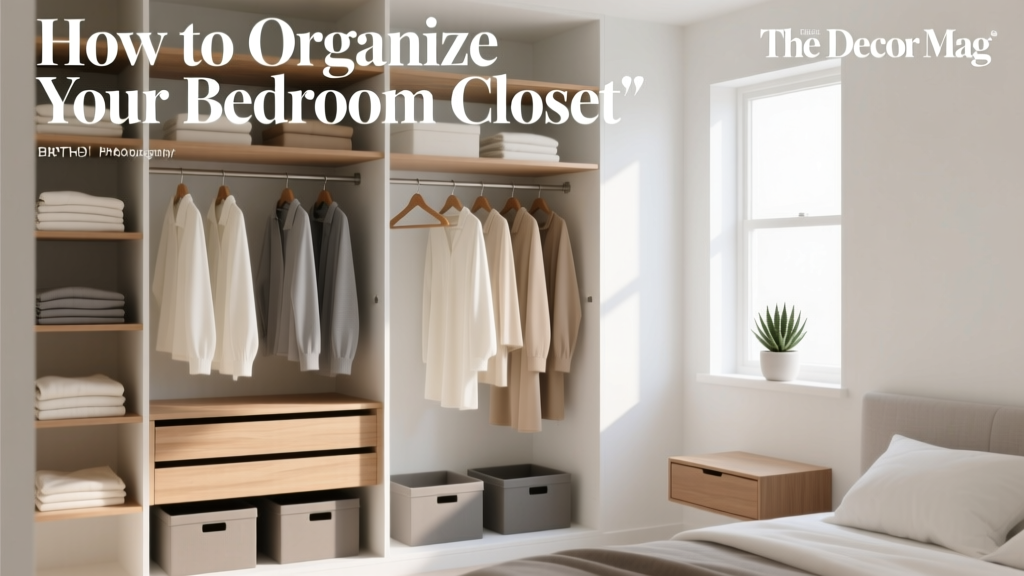
How to Organize Your Bedroom Closet - The Decor Mag
A bedroom should feel like an exhale. When your closet is cluttered, that visual noise doesn’t stay behind closed doors—it tends to spill into your mornings, your evenings, and the quiet moments meant for rest. Piles on the floor, overstuffed rods, and “temporary” baskets can create low-grade stress that makes it harder to wind down at night and easier to wake up feeling behind.
Closet organization is also bedroom design. A tidy closet supports a calmer sleep environment by reducing decision fatigue, minimizing dust-trapping clutter, and creating space for the pieces that help you relax—soft bedding, breathable sleepwear, and a layout that makes your room feel open. Whether you’re in a small apartment or a spacious home, a well-planned closet can make your entire bedroom feel more serene.
Start With a Sleep-Friendly Closet Reset (Before You Buy Anything)
Step 1: Empty, Clean, and Reset the Energy
Pull everything out. Yes, everything. A clean slate helps you see what your closet can hold and what it’s actually holding.
- Vacuum the closet floor and baseboards; dust shelves and corners (closets collect lint quickly).
- Wipe hard surfaces with a gentle cleaner; let it fully dry before restocking.
- If odors linger, place a small open container of baking soda or activated charcoal for 24–48 hours.
Step 2: Sort by Lifestyle, Not Fantasy
Organizing works best when it reflects how you live now. Create quick categories:
- Daily wear: work basics, casual staples, go-to layers
- Sleep and lounge: pajamas, robes, slippers
- Occasion: formalwear, special-event pieces
- Seasonal: heavy knits, swim, outerwear
- Accessories: belts, scarves, bags, jewelry
Step 3: Edit With a “Better Sleep” Filter
If your closet feels crammed, your bedroom often does too. Aim for breathing room. Consider letting go of items that:
- Don’t fit comfortably (tight clothes can trigger stress and body discomfort)
- Require repairs you haven’t done in a year
- Scratch, itch, or overheat (especially sleepwear)
- Duplicate favorites you already reach for
Wellness tip: Keep sleepwear and tomorrow’s outfit easy to access. A smooth morning routine reduces rushing, and a calmer evening routine supports better sleep hygiene.
Plan Your Closet Like a Bedroom Designer
Measure and Map (5 Minutes That Save Hours)
Before choosing organizers, take simple measurements:
- Closet width, depth, and height
- Hanging rod height(s)
- Shelf spacing
- Door clearance (sliding vs. hinged)
Then assign “zones” so everything has a home. A practical closet layout often looks like:
- Eye-level zone: daily essentials
- Upper shelves: seasonal storage, extra bedding, luggage
- Lower zone: shoes, hampers, drawers, bins
Choose Storage That Feels Calm (Materials Matter)
Because closets sit inside your sleep environment, opt for storage that feels visually quiet and low-toxin when possible.
- Solid wood or bamboo: warm, durable, and bedroom-friendly
- Metal wire shelving: budget-friendly and breathable (great for airflow)
- Fabric bins (cotton/linen): soft-looking, easy to label
- Avoid strong odors: some plastics or adhesives can off-gas—air them out before use
Budget guide:
- $15–$60: slim velvet hangers, fabric bins, shelf dividers, over-the-door racks
- $75–$250: modular cube units, basic drawer towers, shoe cabinets
- $300–$1,200+: closet systems (wall-mounted or freestanding), custom inserts
The Core Closet Systems That Actually Work
1) Hangers: The Fastest Upgrade for a More Serene Closet
Matching hangers reduce visual clutter immediately—one of the simplest bedroom decor wins.
- Velvet slim hangers: maximize rod space; best for tops and dresses
- Wood hangers: ideal for coats and structured pieces; look elevated
- Clip hangers: skirts and tailored pants
Tip: Use one hanger style per category (e.g., velvet for shirts, wood for jackets) to keep it consistent.
2) A Double-Hang Section for Everyday Clothing
If your closet has a single rod and lots of short items (shirts, skirts, folded pants), consider a double-hang configuration:
- Top rod: shirts, blouses, light jackets
- Bottom rod: pants, skirts
This simple layout change often creates 30–50% more functional hanging space.
3) Drawer Towers for Small Items (Less Visual Noise, Better Sleep)
Open shelves invite piles. Drawers hide the clutter and make the room feel calmer.
- Best for: underwear, socks, workout gear, sleepwear
- Material pick: wood veneer or powder-coated metal for durability
Sleep-friendly recommendation: Keep sleepwear in the top drawer for an easy wind-down routine.
4) Shelf Dividers and Bins for Linens and Sweaters
Stacked sweaters and extra bedding can topple quickly. Shelf dividers create structure.
- Acrylic or metal dividers: sturdy and space-efficient
- Linen bins with handles: soften the look; easy to pull down
Bedroom design tip: Choose bins in calming neutrals (warm white, oatmeal, soft gray) to keep your sleep environment visually cohesive.
5) Shoe Storage That Keeps the Floor Clear
Closet floors collect dust, and shoes add visual clutter fast. Aim to lift shoes off the floor or contain them neatly.
- Slim shoe rack: best for daily shoes
- Stackable clear shoe boxes: protect shoes and reduce mess (great for renters)
- Shoe cabinet: hides visual clutter; ideal if your closet opens into the bedroom
Design Details: Lighting, Color, and Layout for a Restful Bedroom
Closet Lighting That Supports a Calmer Bedroom Mood
Bright, harsh lighting can feel jarring—especially in the evening. Closet lighting should be functional without disrupting the bedroom’s relaxing atmosphere.
- Warm white LEDs (2700K–3000K): flattering, soothing, and sleep-friendly
- Motion-sensor puck lights: easy install; great for renters
- LED strip lights under shelves: even illumination, minimal glare
Budget range: $15–$80 for battery puck lights; $25–$120 for plug-in LED strips; $100–$300 for hardwired upgrades (plus installation).
Colors That Calm (Even Inside the Closet)
Closets are part of the bedroom decor experience. If you see your closet from bed, soft tones help the room feel more cohesive.
- Best calming palette: warm white, greige, soft taupe, muted sage, dusty blue
- High-contrast bins and neon labels: can feel visually loud—use sparingly
Create a “Landing Zone” to Reduce Bedroom Clutter
Many bedroom messes start with a lack of transition space. Add a small landing zone inside the closet if possible:
- A hook or two for “worn-but-not-dirty” items
- A small tray for watch/jewelry
- A dedicated spot for tomorrow’s outfit
Furniture recommendation: If space allows, a slim closet bench or ottoman (18–36 inches wide) supports dressing without creating a pile chair. Look for upholstered tops in easy-clean performance fabric or vegan leather. Budget: $60–$250.
Bedroom-Adjacent Organization: How Closets Support Better Sleep
A closet isn’t just storage—it’s part of your sleep environment. When your bedroom feels organized, it’s easier to relax.
Keep Allergens Down
- Store off-season clothing in zippered fabric bags or sealed bins to reduce dust.
- Avoid overstuffing—tight packing traps lint and reduces airflow.
- If you’re sensitive, choose cedar blocks or unscented sachets rather than heavy fragrances.
Make Your Evening Routine Effortless
- Place sleepwear, robe, and slippers together.
- Keep linens (extra pillowcases, duvet cover) in a labeled bin so bed refreshes are easy.
- Store workout clothes separately to prevent “laundry drift” into the bedroom.
Small Closet Strategies (Big Results in Apartments and Rentals)
Use Vertical Space Without Making It Feel Crowded
- Add a second rod with a tension bar (renter-friendly, $15–$40).
- Use hanging shelf organizers for sweaters or handbags ($15–$35).
- Add stackable drawers under hanging clothes ($35–$150).
Make Doors Work Harder
- Over-the-door hooks for bags and belts ($10–$30).
- Over-the-door mirror with hidden jewelry storage ($80–$250).
Curate a Capsule Zone
If space is tight, keep 10–20 favorite, mix-and-match outfits front and center. This reduces morning decision fatigue and supports a calmer start—an underrated contributor to sleep quality later that night.
Common Closet Organization Mistakes to Avoid
- Buying bins before editing: organizers won’t fix overflow; they just hide it.
- Keeping “maybe” clothes in prime space: daily items should live at eye level.
- Using mismatched hangers: it wastes space and looks chaotic.
- Overloading shelves: stacks topple, creating constant micro-mess.
- Ignoring lighting: poor visibility leads to rummaging and disarray.
- Storing strong scents in the bedroom closet: heavy fragrance can be irritating at night; choose mild or unscented options.
FAQ: Bedroom Closet Organization
How do I organize my bedroom closet if I don’t have built-in shelves?
Use freestanding, modular pieces: a slim drawer tower, a hanging shelf organizer, and stackable bins. These are renter-friendly and can move with you. Prioritize matching hangers and one consistent bin style for a calmer look.
What’s the best way to store bedding in a closet?
Fold bedding into labeled linen bins or use breathable cotton storage bags. Store extra pillowcases and sheets together. If you have limited space, reserve one upper shelf for off-season blankets and comforters in zippered bags.
How can I make my closet feel less stressful visually?
Choose a neutral color scheme (warm white, oatmeal, soft gray), use matching hangers, and contain small items in drawers or lidded bins. Leaving 10–20% empty space makes the closet feel calmer and easier to maintain.
Which closet lighting is best for a sleep-friendly bedroom?
Warm LEDs in the 2700K–3000K range keep light gentle. Motion-sensor puck lights or under-shelf LED strips provide visibility without harsh overhead glare—helpful if you’re choosing outfits in the evening.
How often should I reorganize my closet?
A quick monthly reset (10 minutes) prevents drift: rehanging, refolding, and returning items to their zones. Do a deeper seasonal switch twice a year to rotate clothing and reassess what you actually wear.
Actionable Next Steps for a Closet That Supports Rest
- Tonight: Set a 20-minute timer and clear the closet floor—shoes, bags, laundry, anything that interrupts calm.
- This weekend: Edit your wardrobe and group by category (daily, sleepwear, seasonal).
- Then: Upgrade the basics—matching slim hangers, a drawer solution for small items, and 2–4 bins for categories that tend to pile up.
- Finally: Add warm closet lighting and a simple landing zone to prevent future clutter.
A well-organized bedroom closet isn’t about perfection. It’s about creating a bedroom design that supports a calmer mind, smoother routines, and a more restful sleep environment—night after night.
For more soothing bedroom decor, sleep-friendly layout tips, and storage ideas, explore the latest inspiration on thedecormag.com.
More Articles
 How to Match Your Family’s Needs With the Right Bedroom Options: A Practical, Evidence-Based Guide
 Best Bedroom Keepsake Box Storage - The Decor Mag
 Best Bedroom Sleep Temperature Guide - The Decor Mag
 Best Bedroom Scarf and Accessory Storage - The Decor Mag
 Best Bedroom Reading Light Options - The Decor Mag
 Bedroom Warm Limewash Bedroom Walls - The Decor Mag
 Best Bedroom White Noise Setup - The Decor Mag
 How to Choose Bedroom Bedding Weight - The Decor Mag
 Best Bedroom Dresser Organization Tips - The Decor Mag
 Bedroom Fluted Detail Bedside Table - The Decor Mag