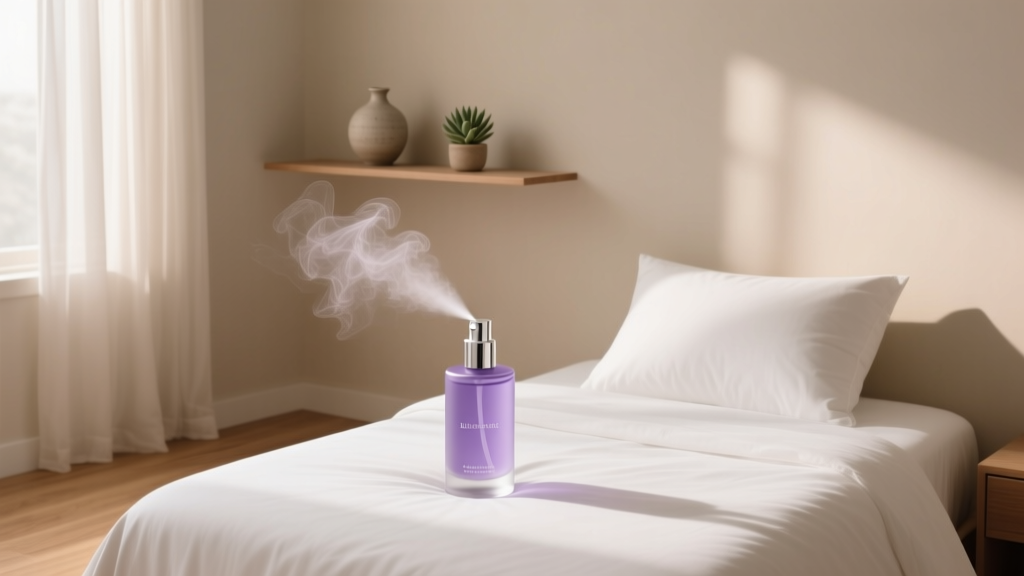
Best Bedroom Lavender Pillow Spray - The Decor Mag
A bedroom that supports deep rest is rarely about one “magic” item—it’s a chain of small, supportive choices that work together: softer light, less visual clutter, breathable bedding, and a scent that tells your nervous system it’s safe to power down. Lavender pillow spray has become a favorite because it’s simple, low-commitment, and instantly changes how a room feels at bedtime.
Scent is closely tied to relaxation cues. When the same calming aroma shows up night after night—especially one associated with bedtime rituals—it can help your brain shift from alert mode to wind-down mode. Pair that sensory cue with smart bedroom design (the right layout, cozy textures, and sleep-friendly lighting), and you create a stronger sleep environment than any single upgrade can provide.
This guide covers what makes a truly great lavender pillow spray, how to use it effectively, and how to build a bedroom setup that supports better sleep quality—whether you’re a homeowner refining a primary suite or a renter making a small space feel more serene.
Why Lavender Pillow Spray Works (When Your Bedroom Supports It)
Lavender is widely used in relaxation routines because many people find it soothing and familiar. A pillow spray can become part of a consistent pre-sleep pattern—spritz, dim the lights, climb into cool, breathable sheets—training your body to associate the sequence with rest.
Bedroom design and sleep quality: the real connection
Your sleep environment sends constant signals to your brain: brightness, temperature, noise, even visual “busyness.” A lavender mist can enhance calm, but it works best when the room is designed for sleep. Focus on:
- Light: warm, low-level lighting in the evening supports melatonin production.
- Air and temperature: a slightly cool room helps many sleepers drift off more easily.
- Texture and comfort: bedding that feels good against your skin reduces micro-irritations that can keep you awake.
- Order and simplicity: less clutter lowers “mental noise,” especially in small bedrooms.
What to Look for in the Best Lavender Pillow Spray
Not all pillow sprays are created equal. The best bedroom lavender pillow spray should smell natural (not overly perfumed), dry quickly, and be gentle on fabrics and skin.
1) Ingredients: essential oil vs. fragrance
- Prefer: essential oil-based formulas (lavender essential oil, sometimes blended with chamomile, bergamot, or vetiver).
- Be cautious with: “fragrance” or “parfum” listed high on the ingredient list—these can smell harsher and may irritate sensitive sleepers.
- Look for: simple, transparent ingredient lists (water + solubilizer + essential oils).
2) Fabric safety and residue
A good spray should mist finely and dry without leaving an oily ring on pillowcases. Check for:
- Fine mist sprayer (not a stream)
- Alcohol-free or low-alcohol if you have sensitive skin (some alcohol helps drying, but can be drying/irritating for some)
- Stain testing guidance from the brand
3) Scent profile: soft, herbal, and not overpowering
The “best” scent is the one you’ll want nightly. If you’ve ever felt headaches from strong room sprays, choose a lavender pillow mist described as:
- herbal
- fresh
- spa-like
- lightly floral (not “sweet” or “powdery”)
4) Packaging that suits your bedroom routine
- Travel size (1–2 oz): great for renters, dorms, or trying scents before committing.
- Standard size (3–5 oz): ideal for bedside use.
- Amber or opaque bottles: help protect essential oils from light exposure.
Budget ranges (what to expect)
- Budget: $8–$15 (often simpler blends; sometimes more fragrance-forward)
- Mid-range: $16–$28 (better misting, more natural-smelling blends)
- Premium: $29–$45+ (spa-grade blends, beautiful packaging, higher-quality essential oils)
Best Types of Lavender Pillow Sprays (So You Can Choose the Right One)
Instead of chasing a single “best” bottle for everyone, match the spray type to your sleep style and bedroom setup.
For sensitive sleepers: minimal-ingredient lavender mist
Choose a straightforward formula with lavender essential oil, distilled water, and a gentle solubilizer. This is often the best option if you:
- get headaches from perfume
- have eczema-prone skin
- sleep on high-thread-count cotton or linen and want to avoid residue
For a spa-like bedroom: lavender + chamomile or bergamot
These blends feel softer and more layered, especially in bedrooms designed with warm neutrals, candles (used safely), and plush textiles.
For hot sleepers: lavender + eucalyptus (lightly)
A small amount of eucalyptus can feel “cooler” and cleaner. Keep it subtle—too much can read as medicinal.
For couples: balanced, not-too-floral lavender blend
If you share a bed, pick a lavender spray with a more herbal profile (lavender + cedarwood is often a crowd-pleaser). It complements many bedroom decor styles, from modern to farmhouse.
How to Use Lavender Pillow Spray for the Best Results
Technique matters. Over-spraying can make sheets feel damp or the scent feel heavy.
- Spritz from 8–12 inches away for a fine, even mist.
- Use 2–4 sprays total: one or two on the pillowcase, one over the top sheet, optional one into the air near the bed.
- Wait 30–60 seconds before lying down so it can dry.
- Pair it with a consistent wind-down cue: dim lights, phone away, calm music, or a short stretch.
Pro tip for a longer-lasting effect: lightly mist a fabric headboard, a throw at the foot of the bed, or blackout curtain edges (spot test first). These textiles can hold scent gently without being right against your face.
Designing a Sleep-Friendly Bedroom That Makes Lavender Spray Even Better
A lavender pillow spray shines in a bedroom that’s set up for rest. These upgrades are renter-friendly and practical.
Furniture and layout recommendations (calmer flow, fewer wake-ups)
- Anchor the bed on the most solid wall (usually opposite the door) for a grounded feeling.
- Keep pathways clear (at least 24 inches where possible) to reduce stress and nighttime stumbles.
- Choose a closed nightstand or one with a drawer to hide visual clutter (chargers, lotions, loose items).
- Add a soft bench or ottoman at the foot of the bed if space allows—perfect for folding throws and keeping the bed visually tidy.
Budget ranges:
- Nightstands: $60–$150 (budget), $150–$350 (mid-range), $350+ (solid wood/designer)
- Upholstered bench: $90–$200 (budget), $200–$500 (mid-range), $500+ (premium)
Bedding that supports comfort (and holds scent nicely)
The best bedding materials feel breathable and soothing. Lavender spray tends to perform best on natural fibers.
- Cotton percale: crisp, cool, great for hot sleepers; dries quickly after misting.
- Cotton sateen: smoother, slightly warmer feel; choose if you prefer a softer drape.
- Linen: airy, textured, relaxed look; holds scent gently and suits natural bedroom decor.
Comfort tip: Use two pillowcases per pillow (a “double case” setup). The inner one protects the pillow, and the outer one can be refreshed often—especially helpful if you use pillow spray nightly.
Lighting for deeper sleep: warm, layered, dimmable
Lighting is one of the most powerful sleep environment tools. Lavender scent plus harsh overhead light sends mixed signals. Aim for:
- Warm bulbs: 2200K–2700K for evening calm
- Two bedside lamps (or plug-in sconces for renters) to avoid bright ceiling lighting at night
- Dimmers or smart bulbs for a gentle fade as bedtime approaches
Budget ranges:
- Bedside lamps: $25–$80 each (budget), $80–$200 (mid-range)
- Smart bulbs: $12–$25 per bulb; smart dimmer plug: $15–$35
Colors and decor that complement lavender’s calming effect
A cohesive color palette makes the room feel quieter. Lavender spray pairs beautifully with:
- Warm whites and creamy neutrals (calm, timeless)
- Soft grays and greiges (modern, soothing)
- Muted sage or dusty blue accents (spa-like, sleep-forward)
- Natural wood tones (grounding, cozy)
Keep wall art minimal near the bed—one larger piece reads calmer than many small frames.
Air, sound, and temperature: the “quiet comfort” trio
- Temperature: many sleepers do best around 60–67°F; adjust to your comfort.
- Air quality: ventilate daily; consider a quiet air purifier if allergies disrupt sleep.
- Sound: soft white noise can mask street noise and apartment sounds.
Wellness Tips: Make Lavender Spray Part of a Wind-Down Ritual
The best sleep routines are simple and repeatable. Try this 10-minute pattern:
- Lower lights (lamps only)
- Spritz lavender pillow spray (2–4 sprays total)
- Wash face, brush teeth, and keep bathroom lighting warm if possible
- Two minutes of slow breathing (inhale 4 counts, exhale 6 counts)
- Read a paper book or listen to a calm audio track
If you’re redesigning your bedroom for better sleep, place your pillow spray where you’ll actually use it—on the nightstand, next to a carafe of water, with a small catchall tray for essentials.
Common Mistakes to Avoid
- Over-spraying: too much can feel damp or overpowering and may trigger headaches.
- Spraying directly onto memory foam pillows: moisture can get trapped; stick to the pillowcase.
- Ignoring lighting: a calming scent won’t help much if you’re under bright, cool-toned bulbs at 10 p.m.
- Choosing synthetic-heavy fragrance: can smell sharp and disrupt relaxation for sensitive sleepers.
- Using lavender spray as a “fix” for a cluttered room: clear surfaces and calm storage do more than people expect for mental ease.
- Not spot testing: especially on silk pillowcases, delicate linens, or dyed fabrics.
FAQ: Lavender Pillow Spray and Bedroom Sleep Design
How often should I use lavender pillow spray?
Most people do well with nightly use as part of a routine. If you notice sensitivity or headaches, reduce to 1–2 sprays or use it only on the top sheet or a throw at the foot of the bed.
Can I use lavender pillow spray on silk pillowcases?
Use caution. Silk can watermark or stain more easily. If you love silk for hair and skin benefits, spray the top sheet lightly instead, or mist the air near the bed and let it settle.
Will lavender spray help insomnia?
It can support relaxation, but it’s not a standalone treatment. If sleep issues are persistent, combine a calming bedroom setup (dark, cool, quiet) with consistent sleep/wake times and consider professional guidance if needed.
What’s better: pillow spray, diffuser, or candle?
Pillow spray is targeted, quick, and renter-friendly. Diffusers offer longer scent time but can be too strong in small bedrooms. Candles can be cozy for pre-bed ambiance, but should be extinguished well before sleep for safety.
How do I make a small bedroom feel more relaxing at night?
Focus on: warm bedside lighting, a calm color palette, closed storage (or baskets), one or two soft textures (throw + rug), and a consistent scent cue like lavender spray. Keep the nightstand surface clear except for essentials.
Can lavender spray bother pets?
Some pets are sensitive to essential oils. Use minimal amounts, keep the room ventilated, and don’t spray where pets sleep. If you’re unsure, consult a vet—especially for cats, birds, and small animals.
Next Steps: A Better Sleep Environment Starts Tonight
If you want the best bedroom lavender pillow spray experience, start with the basics: choose a gentle, essential oil-forward mist, use a light hand, and pair it with warm lighting and breathable bedding. Then tighten up your bedroom layout—clear pathways, calm surfaces, and a nightstand setup that makes your wind-down routine effortless.
For more calming bedroom design tips, sleep-friendly decor ideas, and practical room upgrades that help you rest better, explore more guides on thedecormag.com.
More Articles
 Best Bedroom Bench Options for Foot of Bed - The Decor Mag
 How to Choose Bedroom Comforter Fill - The Decor Mag
 How to Match Your Family’s Needs With the Right Bedroom Options: A Practical, Evidence-Based Guide
 How to Incorporate Vintage Linens in Bedroom - The Decor Mag
 How to Choose Bedroom Blanket Ladder Style - The Decor Mag
 Sustainable Bedroom FAQs Answered: Materials, Certifications, and Real Impact
 Best Bedroom Hat Storage Display - The Decor Mag
 How to Create a Bedroom That Feels Serene - The Decor Mag
 How to Organize Your Bedroom Closet - The Decor Mag
 Minimalist Bedroom Styling: Simple Ideas (2026)