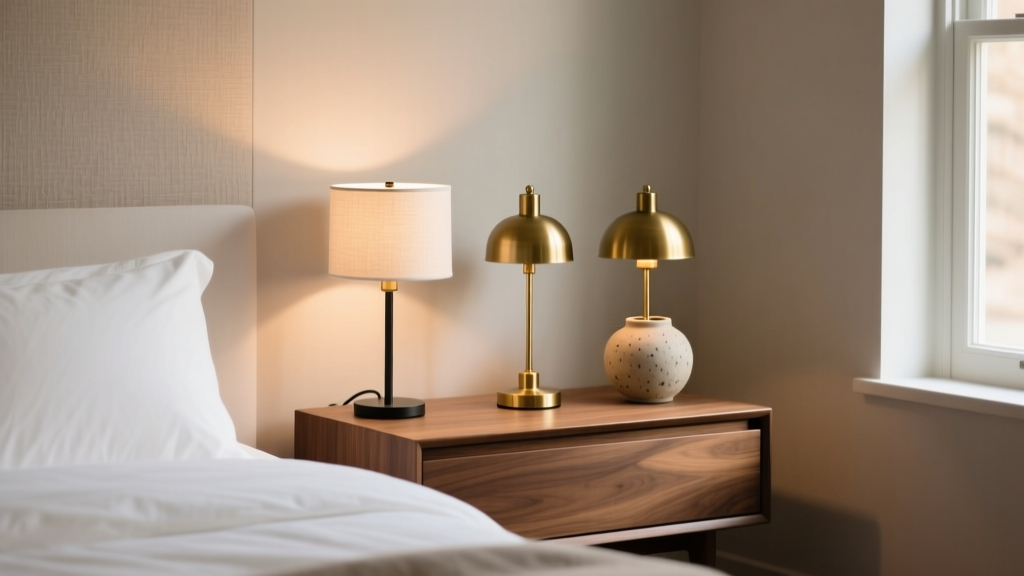
Best Bedroom Lamp Styles for Nightstands - The Decor Mag
Your nightstand lamp is more than a pretty finishing touch—it’s one of the most-used pieces of bedroom lighting. It sets the tone for how you begin and end the day, supports bedtime routines, and shapes the overall sleep environment. When the light is too harsh, too dim, or aimed the wrong way, the bedroom can feel subtly “off,” even if the rest of the decor looks perfect.
From a sleep wellness perspective, lighting influences your circadian rhythm, melatonin production, and your ability to wind down. A well-chosen bedside lamp helps you read without eye strain, navigate safely at night, and create a calm, cozy bedroom design that signals rest. The goal is simple: the right lamp style for your nightstand should feel soothing, functional, and proportionate—without cluttering your bedside surface.
This guide breaks down the best bedroom lamp styles for nightstands, plus practical tips for size, bulb choice, colors, layout, and common mistakes that can undermine both comfort and sleep quality.
What Makes a Great Nightstand Lamp?
Comfortable light for winding down
For a sleep-friendly bedroom, you want soft, warm light in the evening. Look for:
- Warm color temperature: 2200K–2700K for bedtime calm (avoid cool 4000K+ lighting at night)
- Dimmability: a dimmer switch, 3-way bulb, or smart bulb with a gentle “night” setting
- Glare control: shades that diffuse light instead of exposing bare bulbs
Proportions that fit your nightstand and bed
A lamp that’s too tall can feel overpowering; too short can cause glare and uneven lighting. A reliable rule of thumb:
- Ideal lamp height: 24–30 inches for most beds and nightstands
- Shade height: roughly 1/3 of the lamp’s overall height
- Shade width: about the width of your nightstand (or slightly smaller) to prevent crowding
Practical features you’ll use every day
- Easy switch access: a base switch, socket switch, or touch control you can reach from bed
- USB/USB-C charging: great for renters or small bedrooms with limited outlets
- Cord management: a cord channel, shorter cord, or ability to route behind the nightstand
Best Bedroom Lamp Styles for Nightstands
These are the most versatile lamp styles for bedroom decor, along with who they’re best for and how to make each one sleep-friendly.
1) Classic Table Lamps (The All-Around Best Choice)
A classic table lamp with a fabric shade is the easiest way to create soft, ambient bedroom lighting. It works for nearly every bedroom design style: traditional, transitional, modern, farmhouse, coastal, and eclectic.
Best for: reading in bed, balanced lighting, cozy bedrooms
Material recommendations:
- Ceramic bases for timeless style and easy cleaning
- Wood bases (oak, walnut) for warmth and a grounded, calming look
- Linen or cotton shades for gentle diffusion
Budget range:
- $30–$80: simple ceramic or metal bases, basic fabric shades
- $80–$200: better shade quality, heavier base, designer-inspired silhouettes
- $200–$500+: artisan ceramic, solid wood, elevated hardware
Sleep-friendly tip: Choose an opaque linen shade rather than a clear or glossy shade to reduce glare and create an even glow.
2) Touch Lamps (Effortless Bedtime Control)
Touch lamps are ideal if you want quick control without fumbling for a switch. Most include 3 brightness levels—perfect for evening wind-down, nighttime water breaks, and morning light.
Best for: light sleepers, anyone who wakes at night, minimal bedside fuss
Material recommendations:
- Frosted glass or ceramic bases for a softer look
- Brushed brass or matte black finishes for modern bedrooms
Budget range: $25–$120 (higher end models often have better dimming and less flicker)
Sleep-friendly tip: Pair with a warm, flicker-free LED bulb. If you’re sensitive to light, keep the lowest setting as your nighttime default.
3) Swing-Arm Lamps (Best for Reading in Bed)
Swing-arm lamps bring function-first flexibility. You can direct the beam toward your book and away from your partner, which helps protect the overall sleep environment.
Best for: readers, shared beds, smaller nightstands
Where it works best:
- On the nightstand (if the base is stable)
- Wall-mounted above the nightstand to save surface space
Material recommendations:
- Matte metal finishes (black, white, aged brass) for a clean, modern look
- Shaded heads or cone shades that reduce direct glare
Budget range: $60–$250 (wall-mounted versions often cost more due to hardware)
Sleep-friendly tip: Use a warm bulb and aim the light downward toward your lap, not outward toward your eyes.
4) Bedside Sconces (The Best Small-Bedroom Solution)
If your nightstand is narrow—or you simply want a calmer, less cluttered bedside—sconces are a smart upgrade. Plug-in sconces are renter-friendly and often look nearly identical to hardwired versions.
Best for: tiny bedrooms, minimalist decor, couples who want symmetry
Style ideas:
- Soft brass sconces with white shades for warm, classic bedrooms
- Matte black sconces for modern or industrial bedroom design
- Rattan or woven sconces for relaxed, boho bedrooms
Budget range:
- $40–$120: plug-in sconces, basic finishes
- $120–$350+: higher-quality shades, dimming, premium metalwork
Sleep-friendly tip: Position the sconce so the bulb is not directly visible from bed. A shade or globe makes the light feel calmer.
5) Pendant Lights Over Nightstands (Airy and Hotel-Like)
Pendant lights offer a designer look and keep the nightstand surface clear. They also create a serene, “boutique hotel” vibe when hung at the right height.
Best for: modern bedrooms, styled spaces, narrow nightstands
Material recommendations:
- Opal glass for soft diffusion
- Paper or linen for a gentle, calming glow
- Avoid clear glass if you’re sensitive to glare
Budget range: $80–$400+ (installation may add cost)
Sleep-friendly tip: Put pendants on a dimmer. Keep evening brightness low so your bedroom lighting supports melatonin production.
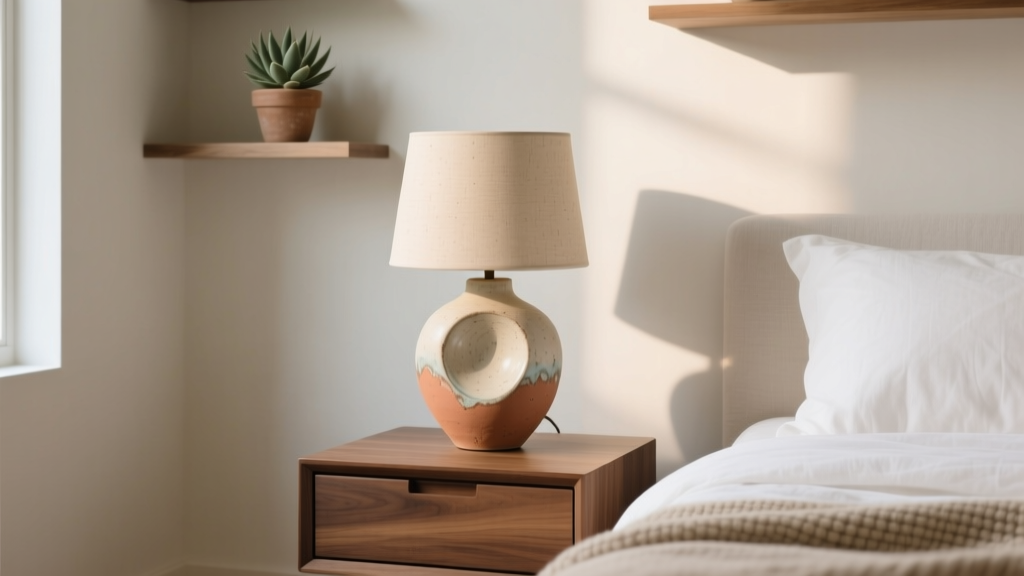
6) Ceramic or Stone Lamps (Grounding and Calm)
Natural-feeling materials—ceramic, travertine, marble-look resin—add a quiet, spa-like stability to bedroom decor. These styles pair beautifully with layered bedding and warm neutral color palettes.
Best for: serene bedrooms, neutral decor lovers, “quiet luxury” style
Colors that work well:
- Ivory, sand, warm white, and taupe for a restful feel
- Muted sage or dusty blue for a soft, sleep-friendly accent
Budget range: $50–$300+ (stone and artisan ceramics can be higher)
Sleep-friendly tip: Choose a lamp with a wider, stable base to prevent nighttime tipping—especially if your nightstand is narrow.
7) Rattan, Woven, or Linen-Wrapped Lamps (Soft Texture, Gentle Mood)
Texture is one of the fastest ways to make a bedroom feel cozy. Woven lamps add warmth and pair naturally with wood furniture, neutral bedding, and layered curtains.
Best for: cozy bedrooms, boho decor, coastal style
Things to watch:
- Some woven shades cast patterned light—beautiful, but can feel “busy” if you’re a light-sensitive sleeper
- Look for a lining or inner diffuser if you prefer a smoother glow
Budget range: $40–$180
Sleep-friendly tip: If you wake easily, avoid overly perforated shades that project sharp patterns on walls and ceiling.
How to Choose the Right Lamp Size for Your Nightstand
Good proportions support a calmer bedroom layout. Use these guidelines as a starting point:
- Match scale to the nightstand: The lamp base shouldn’t take up more than about one-third to one-half of the usable surface.
- Align with your headboard: A taller headboard can handle a taller lamp; low-profile beds often look better with slightly shorter lamps.
- Check shade height at eye level: When you’re seated in bed, the bottom of the shade should roughly align around chin to shoulder height to reduce glare.
Bulbs, Color Temperature, and Dimmers: The Sleep-Friendly Lighting Formula
Your lamp style matters, but your bulb choice often makes the biggest difference in sleep quality.
- Choose warm LEDs: 2200K–2700K for bedtime; 3000K if you prefer a slightly brighter, still-warm light.
- Use lower lumens at night: 400–800 lumens per bedside lamp is plenty for most bedrooms, especially with a shade.
- Prioritize dimming: A dimmable bulb plus a dimmer switch or smart control helps you gradually step down light before sleep.
- Consider smart bulbs: Schedule warm, low light in the evening and brighter light in the morning to support your circadian rhythm.
Bedroom Design Pairings: Lamps, Nightstands, Bedding, and Color
To create a cohesive, relaxing bedroom, let your lamp guide a few nearby choices.
Nightstand and lamp combinations that work
- Wood nightstand + ceramic lamp: warm, timeless, calming
- Upholstered bed + brass lamp: soft + refined, great for a cozy-luxe look
- White nightstand + woven lamp: airy, relaxed, coastal-friendly
- Black nightstand + opal glass lamp: modern contrast without harshness
Sleep-friendly bedroom color ideas
- Warm neutrals: creamy white, oatmeal, mushroom, soft taupe
- Restful cools (muted): dusty blue, soft sage, gray-green
- Accent colors: terracotta, muted clay, deep olive (best used in small doses)
Bedding recommendations to complement soft lighting
- Matte, natural textures: cotton percale, linen blends, washed cotton
- Layer for comfort: breathable duvet + throw + an extra pillow for reading support
- Avoid overly shiny finishes near the lamp—glossy fabrics can bounce light and feel visually stimulating
Common Nightstand Lamp Mistakes to Avoid
- Choosing a lamp that’s too bright: Overly intense bulbs can make bedtime feel like a task-lighting zone rather than a restful retreat.
- Using cool white LEDs (4000K–6500K) at night: This can feel energizing and work against your wind-down routine.
- Exposed bulbs or clear glass with no diffuser: Glare is one of the quickest ways to make a bedroom lighting plan uncomfortable.
- Oversized shades that eat the nightstand: You still need space for a water glass, book, or phone.
- Mismatched lamp heights for couples: Small differences can look accidental. If you want variety, keep the heights similar and coordinate finishes or shade color.
- Forgetting outlet access: Plan for charging needs. A lamp with USB ports can reduce cord clutter and keep the nightstand calmer.
Quick Shopping Checklist (So You Buy the Right Lamp the First Time)
- Measure nightstand width and bed height.
- Pick a lamp style that matches your routine (reading, minimal clutter, charging needs).
- Choose a shade that hides the bulb from bed view.
- Select a warm bulb (2200K–2700K) and confirm dimming compatibility.
- Decide on finish/material: ceramic, wood, metal, woven, or opal glass.
- Set a budget:
- Under $60: simple, functional, best with a high-quality warm bulb upgrade
- $60–$200: best value range for style + stability + shade quality
- $200+: investment pieces, artisan materials, premium finishes
FAQ: Nightstand Lamps and Bedroom Lighting
What is the best lamp height for a bedside table?
Most bedrooms look and function best with lamps around 24–30 inches tall. The bottom of the shade should sit near your seated eye level so the bulb isn’t glaring when you’re in bed.
What bulb color is best for sleep?
Choose warm light—typically 2200K to 2700K. Warm lighting feels calmer and is better aligned with a bedtime routine than cool, bluish light.
Are touch lamps good for the bedroom?
Yes, especially if you want easy control at night. Look for a model with multiple brightness levels and pair it with a warm, dimmable LED to keep your sleep environment gentle.
Should bedside lamps match?
Matching lamps create a soothing sense of symmetry, which many people find relaxing. If you prefer a more collected look, keep them similar in height and shade tone so the bedroom still feels visually calm.
Are wall sconces better than table lamps?
Sconces are excellent for small bedrooms and for reducing nightstand clutter. Table lamps are easier to move and swap. If you rent, look for plug-in sconces for a low-commitment upgrade.
How bright should a bedside lamp be for reading?
Aim for about 400–800 lumens with a shade, ideally on a dimmer so you can brighten for reading and lower the light for winding down.
Next Steps: Build a Calmer Bedroom, One Lamp at a Time
Start by choosing the lamp style that supports your real life—reading, winding down, minimizing clutter, or maximizing softness. Then refine the details that most affect sleep quality: a warm bulb, dimming control, a glare-reducing shade, and a layout that keeps your nightstand functional and serene.
If you’re ready to keep upgrading your sleep-friendly bedroom design, explore more lighting ideas, nightstand styling tips, and cozy bedroom decor guides on thedecormag.com.
More Articles
 Best Bedroom Sleep Hygiene Essentials - The Decor Mag
 Best Bedroom Mirror Placement Ideas - The Decor Mag
 How to Create a Calming Bedroom Retreat - The Decor Mag
 Bedroom Handmade Ceramic Nightstand Lamp - The Decor Mag
 Best Bedroom Ceiling Fan Options - The Decor Mag
 How to Layer Bedding Like a Designer - The Decor Mag
 How to Layer Bedroom Lighting - The Decor Mag
 Best Bedroom Keepsake Box Storage - The Decor Mag
 How to Organize Your Bedroom Closet - The Decor Mag
 Best Bedroom Luggage Storage Solutions - The Decor Mag