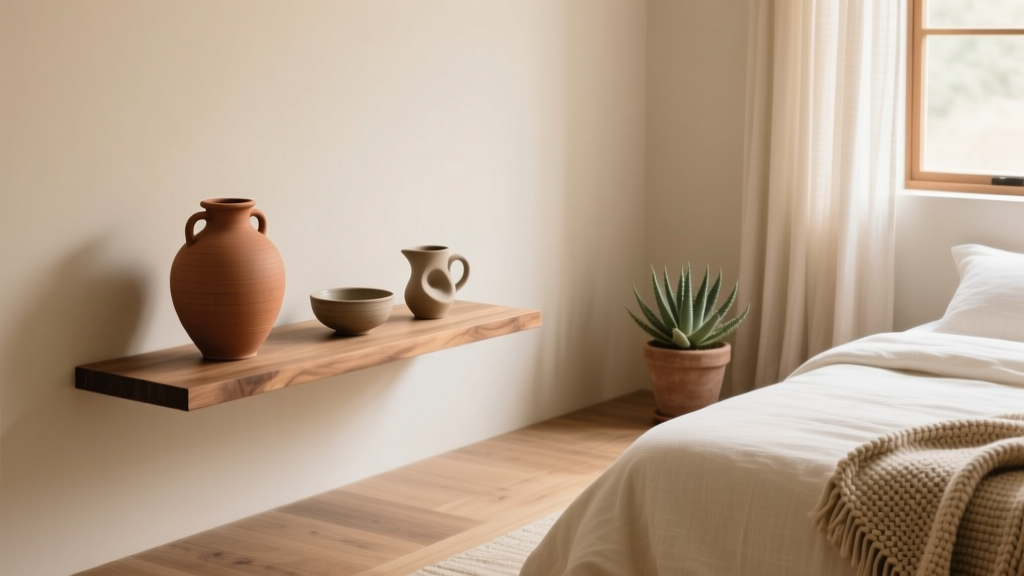
Handmade Ceramics in Bedrooms (2026)
A bedroom that supports deep rest isn’t only about the mattress or blackout curtains. The details your eyes land on before sleep—and the textures your hands touch when you wind down—shape how quickly your nervous system downshifts. Handmade ceramics bring a quiet, grounding presence that many mass-produced decor items can’t replicate. Their subtle imperfections, earthy glazes, and tactile surfaces create visual softness, helping your bedroom feel more like a sanctuary and less like a showroom.
There’s also a practical reason this matters for sleep quality. A calm sleep environment reduces mental “noise”: clutter, harsh lighting, and overstimulating patterns can keep the brain alert when it should be settling. Thoughtfully chosen ceramic pieces can replace plastic organizers, overly shiny decor, and mismatched knickknacks with a cohesive set of functional objects—making the room feel intentional, organized, and soothing.
Below are sleep-friendly, design-forward ways to style handmade ceramics in a bedroom, along with materials to look for, budget ranges, layout ideas, and common mistakes to avoid.
Why Handmade Ceramics Work So Well in a Sleep-Friendly Bedroom
Handmade ceramics naturally support the kind of bedroom design that encourages relaxation: warmer visual tones, stable forms, and a sense of craft. They also pair beautifully with other calming materials like linen, cotton, wood, wool, and rattan.
Wellness and sensory benefits
- Visual calm: Matte finishes, muted glazes, and rounded silhouettes soften a space—helpful for easing into bedtime.
- Tactile grounding: The cool, smooth weight of ceramic can feel steadying during a nighttime routine.
- Less clutter by design: A few purposeful ceramic objects (catchall dish, carafe, planter) can replace several smaller items.
- Low-VOC decorating choice: Compared with some synthetic decor, well-made ceramics are typically inert once fired.
Where ceramics fit in bedroom decor
Handmade ceramics are best used where you’ll appreciate them daily: nightstands, dressers, shelving, and window ledges. They shine when they’re functional—holding jewelry, diffusing light, organizing essentials—rather than acting as random filler.
Start With a Bedroom Plan: Placement That Supports Better Sleep
Before buying new pieces, take a quick inventory of your bedroom layout and sleep habits. The goal is to enhance your routine, not add more objects to manage.
A simple placement checklist
- Nightstand zone: Keep it calm and minimal. Aim for 3–5 items max.
- Soft lighting zone: Place ceramics where they’ll interact with warm light (near a lamp, sconce, or candle alternative).
- “Landing strip” zone: Add a ceramic tray or bowl where you naturally drop keys, a watch, or hair clips—ideally not on the bed.
- Breathing room: Leave at least 30–40% of surfaces visually clear for a more restful sleep environment.
Sleep-friendly layout tip
If your bedroom feels busy, consolidate. One larger handmade bowl on the dresser often looks calmer than five small decor items competing for attention.
Handmade Ceramics for the Nightstand: Beautiful and Practical
The nightstand is prime real estate for bedroom decor that supports sleep. Choose ceramics that streamline your evening and morning routines.
1) Ceramic catchall dish for sleep essentials
Use a shallow dish to corral items that otherwise create visual clutter.
- Best for: rings, earrings, lip balm, hair ties, earplugs, a sleep mask
- Shape tip: a wide, low bowl (6–8 inches) prevents “piles” from forming
- Material recommendation: stoneware with a satin or matte glaze for a calm look
- Budget range: $18–$60 for small studio pieces; $8–$25 for artisan-style retail options
2) Bedside water carafe and cup set
A handmade ceramic carafe is one of the most functional upgrades you can add to a bedroom. It reduces nighttime trips to the kitchen and looks far more serene than a plastic bottle.
- Look for: a narrow footprint (so it doesn’t crowd your lamp), a cup that nests on top, and a glazed interior for easy cleaning
- Sleep-friendly bonus: staying hydrated can help with dry mouth from mouth breathing or heated rooms
- Budget range: $45–$140 depending on size, glaze complexity, and maker reputation
3) Ceramic lidded jar for sensory calm
A small lidded vessel keeps the nightstand tidy while supporting relaxing rituals.
- Use it for: magnesium lotion, cotton rounds, sleep earplugs, a small rollerball oil
- Why it’s calming: hiding visual clutter helps cue the brain that the day is “closed”
- Budget range: $25–$85
Bring Ceramics Into Bedroom Lighting (Without Disrupting Sleep)
Lighting is one of the biggest drivers of sleep quality. Handmade ceramics can warm up your lighting scheme—just keep brightness and color temperature sleep-friendly.
Ceramic lamps: what to choose
- Best base colors: cream, warm white, sand, greige, soft terracotta, muted olive
- Best shade style: linen or cotton in an off-white for diffused, low-glare light
- Bulb recommendation: 2200K–2700K warm LED, ideally dimmable
- Bedroom placement: on nightstands for symmetry, or one lamp plus a wall sconce to free surface space
Budget range: $90–$350 for a ceramic table lamp (more for handmade sculptural bases). If you’re watching costs, consider a simpler ceramic base with a high-quality shade—shades make a bigger difference than many people realize.
Nightlight alternative: ceramic tealight holders (with care)
If you love the glow of candles, choose safety-first options.
- Safer choices: ceramic candle holders paired with flameless LED tealights
- Avoid before bed: strongly scented candles (they can trigger headaches or sensitivity and create a more stimulating environment)
- Budget range: $12–$45
Color, Glaze, and Texture: Choosing Ceramics That Feel Restful
For bedroom design that supports relaxation, choose ceramics that blend rather than shout. The glaze, finish, and undertone matter as much as the object itself.
Sleep-supportive ceramic color palette
- Warm neutrals: ivory, oat, sand, putty, warm gray
- Earth tones: clay, rust, tobacco, muted terracotta
- Soft greens: sage, olive-gray, eucalyptus
- Deep calming accents: ink blue, forest green, charcoal (best in small doses)
Finish guide
- Matte/satin: reduces glare, feels quieter visually, great for nightstands and dressers
- Glossy: reflects light and can feel “busier”; use sparingly or in darker shades
- Speckled glazes: hide dust and fingerprints better than solid, high-gloss finishes
Pairing ceramics with bedding and furniture
To keep the sleep environment cohesive, echo ceramic tones elsewhere in the room:
- Bedding: linen or percale cotton in warm white, oatmeal, or pale sage pairs beautifully with stoneware
- Furniture: light oak and walnut complement earthy ceramics; black metal works best with matte neutrals
- Rugs: wool or cotton in subtle patterns; avoid high-contrast designs near the bed if you’re sensitive to visual stimulation
Decorating With Ceramic Planters (Without Compromising Sleep)
Plants can improve a bedroom’s mood and perceived air freshness, but the setup matters. Ceramic planters look elevated and timeless—just keep maintenance simple so your bedroom stays restful, not demanding.
Best bedroom plant + planter pairings
- Snake plant + tall stoneware planter: strong vertical line, low maintenance
- Pothos + hanging ceramic planter: soft trailing effect, great for small rooms
- ZZ plant + wide ceramic pot: sculptural leaves, tolerates low light
Sleep-friendly plant styling tips
- Use a saucer: choose a matching ceramic saucer to protect wood furniture from moisture rings
- Keep soil tidy: top with pebbles to reduce mess and fungus gnats
- Avoid overly fragrant blooms: strong floral scents can be overstimulating at night
Budget range: $25–$120 for a handmade ceramic planter depending on size; $12–$40 for a quality ceramic saucer/plate.
Styling Handmade Ceramics on Dressers, Shelves, and Walls
Ceramics add warmth to bedroom decor when they’re arranged with breathing room and thoughtful repetition.
A simple styling formula (works every time)
- One anchor piece: a larger vase or sculptural vessel (10–14 inches tall)
- One functional piece: a trinket dish, jewelry stand, or lidded jar
- One soft element: a small framed print, a linen runner, or a low plant
What to put in a ceramic vase for a calming look
- Dried stems: bunny tails, pampas (minimal), eucalyptus (dried), palm spears
- Fresh but low-fragrance: greenery branches or simple white tulips
- Avoid near bed: heavily scented lilies or strongly perfumed bouquets
Ceramic wall pieces (for renters too)
Handmade ceramic tiles or small wall sculptures can replace busy gallery walls with something quieter.
- Placement: above a dresser, not directly above the pillow zone if they’re heavy
- Renter-friendly hanging: use picture ledges, plate stands on shelves, or properly rated removable hooks for lightweight pieces
- Budget range: $30–$200+ depending on maker and size
Budget-Smart Ways to Add Handmade Ceramics
You don’t need a full room makeover. A few well-chosen pieces can shift the entire feel of the bedroom design.
Best “high impact” ceramic buys by budget
- Under $30: trinket dish, small bud vase, incense holder (if you use incense sparingly), ceramic soap dish for an ensuite vanity
- $30–$80: lidded jar, medium vase, small planter with saucer
- $80–$180: bedside carafe set, ceramic lamp base (add a quality linen shade)
- $180–$400+: statement lamp, large sculptural vessel, custom pieces in a glaze that matches your bedroom palette
Where to shop and what to ask makers
- Shop options: local pottery studios, craft fairs, maker marketplaces, gallery shops, home boutiques with artisan collections
- Ask about: glaze safety (especially for water carafes), care instructions, whether the piece is dishwasher-safe, and if the base is sanded or has protective pads
Sleep-Friendly Considerations: Keep the Bedroom Calm, Clean, and Low-Stimulation
Even beautiful decor can undermine sleep if it adds stress to upkeep or overstimulates the senses.
Wellness-minded tips for ceramic decor
- Choose easy-clean finishes: glazed interiors for vessels that hold water; speckled or satin glazes to disguise dust
- Reduce noise: add felt pads under ceramic pieces on nightstands to prevent clinks and scratches
- Limit scent triggers: if you use essential oils, store them in a lidded ceramic jar and use lightly—strong scents can disrupt sleep for sensitive sleepers
- Keep pathways clear: avoid placing floor ceramics where they could be bumped during nighttime bathroom trips
Common Mistakes to Avoid When Decorating With Handmade Ceramics
- Overcrowding surfaces: too many small pieces reads as clutter and can raise bedtime stress.
- Using glossy, reflective glazes everywhere: it can create visual “sparkle” that feels energizing, especially under lamps.
- Skipping protection for furniture: unpadded bases can scratch wood; planters without saucers can cause water damage.
- Choosing decor that requires constant maintenance: high-drip planters, dust-trap textures, or fragile stacks can become a daily hassle.
- Ignoring scale: tiny ceramics on a wide dresser look lost; overly large pieces on small nightstands feel cramped.
- Placing heavy ceramics above the bed: safety first—keep weighty wall pieces away from the pillow zone.
FAQ: Handmade Ceramics in Bedroom Decor
Do ceramics help create a better sleep environment?
Indirectly, yes. Handmade ceramics can support sleep quality by making the bedroom feel calmer and more organized. A visually soothing space and a consistent nighttime routine both help the brain transition into rest.
What type of ceramic is best for a bedroom: stoneware, porcelain, or earthenware?
Stoneware is the most versatile for bedrooms—durable, often available in matte glazes, and great for functional pieces like dishes and planters. Porcelain looks refined and light but can feel more formal. Earthenware can be beautiful but may be more porous; choose glazed interiors for anything holding water.
How do I style ceramics without making my bedroom look cluttered?
Stick to a tight color palette (2–3 main tones), repeat shapes (rounded bowls, tapered vases), and limit each surface to a few items. One larger piece plus one functional piece usually feels calmer than many small objects.
Are ceramic lamps good for sleep-friendly lighting?
They can be excellent if you pair them with a warm, dimmable bulb (2200K–2700K) and a linen or cotton shade that diffuses light. Avoid cool white bulbs and overly bright wattage near bedtime.
What’s a renter-friendly way to add ceramic decor?
Focus on movable pieces: a carafe set, trinket dish, vase, or planter. For vertical styling, use a picture ledge or shelf to display small ceramic tiles or sculptural pieces without heavy wall installation.
How do I care for handmade ceramics in the bedroom?
Dust weekly with a soft cloth, use felt pads under pieces on wood furniture, and wipe planters and saucers regularly to prevent mineral rings. For water carafes, rinse daily and wash with gentle soap to keep the interior fresh.
Next Steps: A Calm, Ceramic-Enhanced Bedroom You’ll Actually Use
Pick one area of your bedroom to refine first—usually the nightstand. Add a handmade ceramic catchall dish to reduce clutter, then consider a carafe set for function and ease. If your lighting feels harsh, a ceramic lamp with a warm, dimmable bulb can shift the entire mood of the room in a single evening. Keep the palette soft, leave open space on surfaces, and choose pieces that make bedtime simpler.
For more calming bedroom decor ideas, sleep-friendly design tips, and practical upgrades that support real rest, explore the latest guides on thedecormag.com.
More Articles
 Sustainable Bedroom FAQs Answered: Materials, Certifications, and Real Impact
 Best Bedroom Keepsake Box Storage - The Decor Mag
 The Best Nightstands for Every Bedroom Style - The Decor Mag
 How to Create a Bedroom Color Story - The Decor Mag
 Bedroom Reeded Wood Mirror Frame - The Decor Mag
 Bedroom Curved Headboard Upholstery Trend - The Decor Mag
 Mid-Century Modern Bedroom Furniture Guide - The Decor Mag
 Modern Bedroom Design Ideas for 2026 - The Decor Mag
 Best Bedroom Bedside Notebook and Pen - The Decor Mag
 Bedroom Curved Mirror Above Bed Idea - The Decor Mag