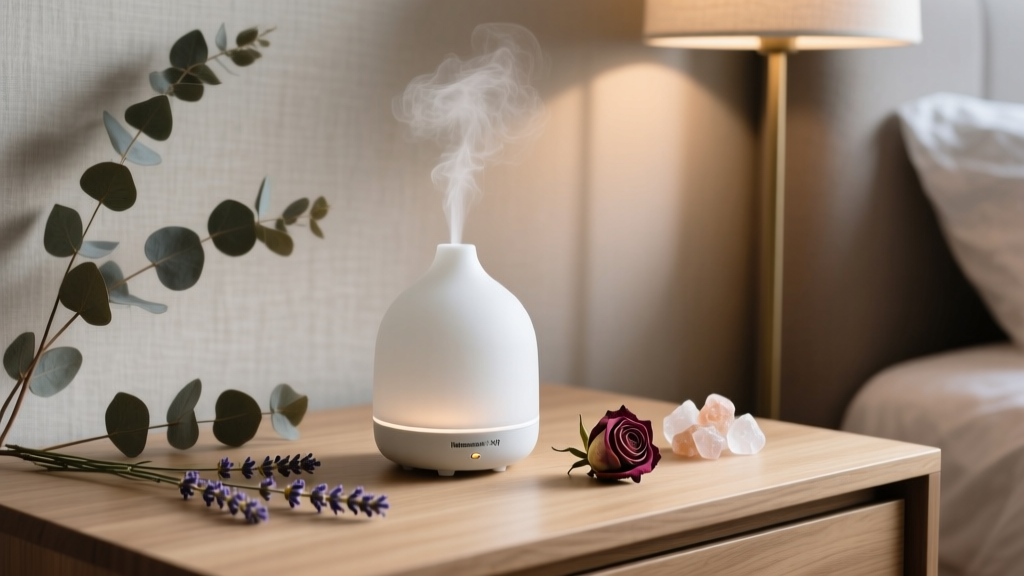
Best Bedroom Aromatherapy Diffuser Blend - The Decor Mag
A bedroom that feels calm doesn’t happen by accident. The way your room looks, sounds, and smells all shapes how quickly you unwind—and how deeply you sleep. While we often focus on mattresses, blackout curtains, and temperature, scent is one of the fastest ways to cue the nervous system that it’s time to rest.
Aromatherapy can be a gentle, practical layer in a well-designed sleep environment. The right diffuser blend can soften stress after a long day, mask lingering household odors, and help you establish a consistent bedtime routine. When paired with thoughtful bedroom design—comfortable bedding, warm lighting, uncluttered layout—the result is a space that supports real recovery, not just “sleep.”
This guide shares the best bedroom aromatherapy diffuser blends for relaxation, plus design-forward tips so your diffuser (and the scent you choose) fits naturally into your bedroom decor.
How Bedroom Aromatherapy Supports Sleep Quality
Your brain links sensory cues to habits. When a bedroom consistently signals “quiet, safe, slow down,” your body tends to fall asleep faster and wake less often. Aromatherapy works as one of those cues. Certain essential oils are commonly used for calming and evening routines, helping many people transition out of “busy mode.”
What a diffuser does (and why it matters)
- Ultrasonic diffusers (most common) disperse essential oils in a cool mist—ideal for a bedroom sleep environment because they’re quiet and don’t heat the oil.
- Nebulizing diffusers disperse oils without water, creating a strong aroma—better for larger spaces, but often too intense for small bedrooms and can be noisier.
- Heat diffusers warm the oil—less recommended for bedtime because the scent can shift, and some units run warmer than you’d like near bedding.
For sleep, a quiet ultrasonic diffuser with a timer is typically the most bedroom-friendly option. Look for auto shutoff, a low-light mode, and a stable base that won’t tip on a nightstand.
The Best Bedroom Aromatherapy Diffuser Blend (Plus 6 Targeted Options)
These blends are designed to be soothing, not overpowering. They also layer well with common bedroom scent profiles—clean linens, soft woods, and warm, cozy notes—so your space feels intentional rather than perfumed.
1) The “Best Overall” Bedroom Blend: Lavender + Bergamot + Cedarwood
This blend is calming, clean, and grounded. Lavender sets a classic sleep tone, bergamot adds a gentle brightness (less “sleepy soap,” more “fresh air”), and cedarwood lends a cozy, bedroom-appropriate base note that pairs beautifully with wood furniture and neutral decor.
Recipe (start here):
- 3 drops lavender
- 2 drops bergamot (choose bergapten-free/FCF if possible)
- 2 drops cedarwood (Atlas or Virginian)
Best for: Most bedrooms, couples, small apartments, and anyone who wants a calming scent that still feels elevated.
2) Deep Exhale Blend: Lavender + Roman Chamomile + Sweet Marjoram
Soft, pillowy, and ideal for high-stress evenings. This is a great “wind-down” blend for reading in bed or stretching before sleep.
- 3 drops lavender
- 2 drops Roman chamomile
- 2 drops sweet marjoram
3) Clean Linen Blend: Lavender + Clary Sage + Frankincense
This one feels spa-like and crisp without smelling like detergent. It works especially well in minimalist bedroom design and airy, light-colored rooms.
- 3 drops lavender
- 2 drops clary sage
- 1–2 drops frankincense
4) Cozy Cabin Blend: Cedarwood + Lavender + Vanilla (or Benzoin)
For those who want warmth and comfort, especially in fall/winter. Cedarwood complements walnut, oak, and darker bedroom furniture; benzoin resin brings a vanilla-like sweetness that feels cozy, not sugary.
- 3 drops cedarwood
- 2 drops lavender
- 1 drop vanilla oleoresin or 1–2 drops benzoin (dilute well; resins can be thick)
5) Quiet Mind Blend: Bergamot + Frankincense + Lavender
If your brain tends to “run lists” at bedtime, this blend is gentle but centering. It’s also a great option for smaller bedrooms because it doesn’t get heavy.
- 3 drops bergamot
- 2 drops frankincense
- 1–2 drops lavender
6) Sensitive Scent Blend: Lavender + Cedarwood (Simple Two-Oil Blend)
If you’re fragrance-sensitive or sharing a room, keep it simple. Two oils can be just as effective—and easier to control.
- 3 drops lavender
- 2 drops cedarwood
7) “Hotel Bedroom” Blend: Lavender + Sandalwood (or Amyris) + Bergamot
This blend reads as polished and grown-up—perfect if you want your bedroom decor to feel like a boutique retreat. If true sandalwood is out of budget, amyris is a more affordable substitute with a similar soft-wood vibe.
- 3 drops lavender
- 2 drops sandalwood (or amyris)
- 2 drops bergamot
How to Use a Diffuser in the Bedroom (Without Disrupting Sleep)
Timing: Less is more
For most bedrooms, diffusing for a short window is plenty.
- Start 30–60 minutes before bedtime.
- Run for 15–30 minutes, or use an intermittent mode (e.g., 30 seconds on/30 seconds off).
- Stop before you’re fully asleep if possible, especially in small rooms.
Placement: Design-friendly and practical
- Place the diffuser 3–6 feet from the bed, ideally on a stable nightstand or dresser.
- Avoid aiming mist directly at pillows, upholstered headboards, or wood surfaces. Use a small tray underneath if needed.
- Keep it away from open books, electronics, and artwork to prevent moisture damage.
How many drops should you use?
Bedroom aromatherapy should be subtle. A common range for a 100–200 ml ultrasonic diffuser is:
- Small bedroom (under 120 sq ft): 4–6 total drops
- Medium bedroom (120–200 sq ft): 6–8 total drops
- Large bedroom (200+ sq ft): 8–10 total drops (or diffuse in two short sessions)
Bedroom Design Recommendations That Make Aromatherapy Work Better
Scent feels most soothing when the room itself supports rest. These decor choices improve your sleep environment and help aromatherapy feel cohesive rather than tacked on.
Furniture and layout: Create a calmer “flow”
- Prioritize clear pathways around the bed (at least 24 inches if possible). Less visual friction helps your brain relax.
- Use closed storage (nightstands with drawers, a dresser with solid fronts) to reduce clutter—the #1 enemy of a calming bedroom.
- Anchor the bed with a headboard in wood, upholstered linen, or performance fabric for comfort and acoustic softness.
Budget ranges:
- Nightstand with drawers: $80–$250 (budget), $250–$700 (mid-range)
- Simple upholstered headboard: $150–$400 (budget), $400–$1,200 (mid-range)
Bedding: Choose breathable, touchable materials
- Sheets: long-staple cotton percale for cool sleepers; linen for airflow; bamboo lyocell for a smooth, drapey feel.
- Duvet insert: medium-weight down alternative or wool for temperature regulation.
- Throw blanket: cotton knit or merino for a cozy layer without overheating.
Budget ranges:
- Quality sheet set: $60–$120 (budget), $120–$250 (mid-range)
- Duvet insert: $50–$120 (budget), $120–$300 (mid-range)
Lighting: Warm, dimmable, and layered
Lighting affects melatonin and sleepiness cues just as much as scent does.
- Use 2700K warm bulbs (or warmer) in bedside lamps.
- Add a dimmer or choose smart bulbs for gentle evening transitions.
- Avoid bright overhead lights at night; use table lamps + wall sconces for a softer glow.
Budget ranges:
- Warm LED bulbs (2-pack): $6–$15
- Bedside lamps: $25–$120 each
- Plug-in wall sconces: $40–$150 each
Colors and decor: Make the scent feel “at home”
The best bedroom decor for sleep leans muted and nature-inspired—tones that match calming diffuser blends.
- Wall colors: soft warm whites, greige, pale clay, muted sage, dusty blue
- Wood tones: light oak for airy calm; walnut for cozy depth
- Textiles: linen curtains, wool rug, cotton throws—these also help with sound softness
Sleep-Friendly Wellness Tips to Pair With Your Diffuser Routine
- Create a “scent cue” ritual: start the diffuser while you brush your teeth or read—consistency trains your brain.
- Keep the room cool: many sleepers do well around 60–67°F. Cooler air plus a warm blanket often feels deeply calming.
- Reduce bedroom allergens: wash bedding weekly, vacuum rugs, and clean the diffuser regularly so scent stays fresh, not stale.
- Protect quiet: a soft rug, fabric headboard, and lined curtains reduce echo and help your room feel hushed.
- Ventilation matters: crack a window for 5–10 minutes in the evening if outdoor air quality allows.
Common Mistakes to Avoid
- Over-diffusing: too many drops can cause headaches, nausea, or restless sleep. Subtle is better.
- Using stimulating oils at bedtime: peppermint, rosemary, and many strong citrus-forward blends can feel energizing rather than soothing.
- Buying low-quality oils: fragrances or diluted oils can smell harsh and won’t give you the gentle, natural profile you want in a bedroom.
- Diffuser placed too close to bedding: moisture can spot wood or dampen fabrics over time.
- Ignoring the room’s baseline comfort: a diffuser won’t fix a bright room, lumpy pillows, or a cluttered layout that raises stress.
Choosing the Right Diffuser and Oils (Practical Buying Guide)
Diffuser features worth paying for
- Quiet operation (especially for light sleepers)
- Timer settings (15/30/60 minutes) or intermittent mode
- Auto shutoff when water runs out
- Low or no light (or an option to turn LEDs off)
- Easy-to-clean tank with a smooth interior
Budget ranges:
- Basic ultrasonic diffuser: $15–$35
- Quiet, design-forward diffuser (ceramic/wood look): $35–$80
- Premium diffuser with better build/timers: $80–$160
Oil quality checklist
- Look for the botanical name (e.g., Lavandula angustifolia for true lavender).
- Avoid vague labels like “fragrance oil” for bedtime diffusion.
- Buy from brands that provide batch testing or quality documentation when possible.
FAQ: Bedroom Aromatherapy Diffuser Blends
What is the best essential oil blend for sleep in a diffuser?
A reliable, widely loved option is lavender + bergamot + cedarwood. It’s calming, soft, and balanced—ideal for most bedroom styles and sleep needs.
How long should I run my diffuser at night?
Try 15–30 minutes about an hour before bed, or an intermittent mode for a short period. Running it all night can be too intense in a small bedroom and may add unnecessary moisture.
Can I put my diffuser on my nightstand?
Yes, as long as it’s stable and placed a few feet from your pillow. Aim the mist away from bedding and set it on a small tray to protect wood finishes.
What bedroom scents should I avoid for better sleep?
Many people find peppermint, rosemary, and very sharp citrus-heavy blends too energizing at bedtime. If you love citrus, keep it minimal and pair with lavender or a grounding wood note.
Is lavender safe to diffuse every night?
For many adults, lavender is well tolerated in low amounts, but sensitivity varies. Use fewer drops, take occasional breaks, and stop if you notice headaches or irritation. If you’re pregnant, have asthma, or are diffusing around children or pets, check with a qualified professional for personalized guidance.
What if my partner dislikes essential oils?
Choose a two-oil blend (like lavender + cedarwood), reduce the drops, and diffuse earlier in the evening so the scent is faint by lights-out. You can also keep the diffuser on your side of the room and use intermittent settings.
Next Steps: Build a Bedroom Routine That Feels Like a Retreat
Pick one blend from this list and use it consistently for a week, keeping the scent light and the timing predictable. Pair it with one design upgrade that supports sleep—dimmable warm lighting, breathable bedding, or a decluttered nightstand—and your bedroom will start to feel more restorative night after night.
For more calming bedroom decor, sleep environment tips, and renter-friendly upgrades, explore more bedroom ideas on thedecormag.com.
More Articles
 Bedroom Fluted Headboard Panel Design - The Decor Mag
 Bedroom Reeded Wood Nightstand Trend - The Decor Mag
 How to Create a Bedroom That Feels Serene - The Decor Mag
 Best Bedroom Sleep Mask and Pillow Spray - The Decor Mag
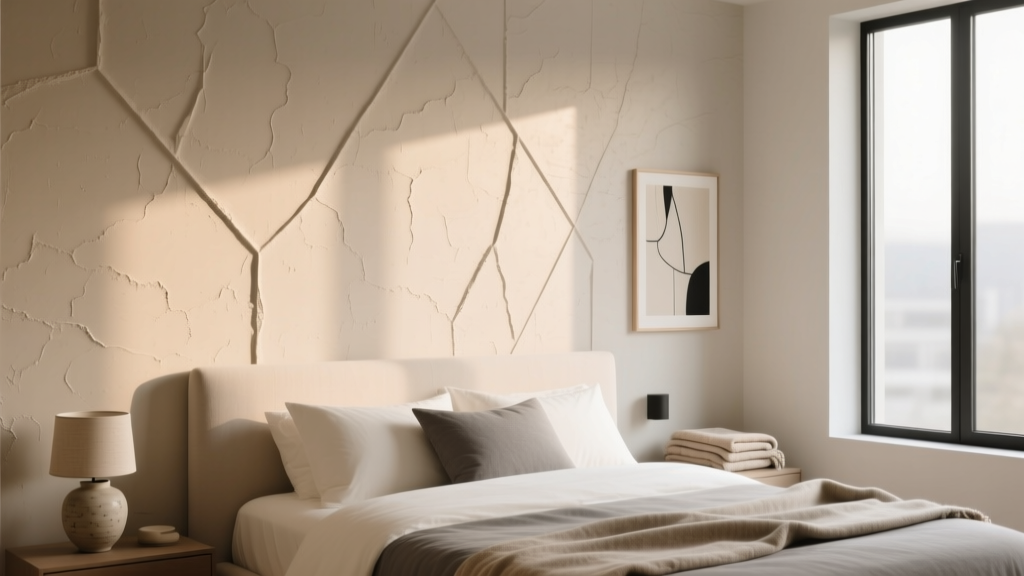 Bedroom Textured Plaster Headboard Wall - The Decor Mag
 How To Clean Actually: A Bedroom Comfort Specialist’s No-Nonsense, Science-Backed Protocol
 Coastal Bedroom Decor Inspiration - The Decor Mag
 Bedroom Canopy Draping Techniques - The Decor Mag
 How to Incorporate Texture in Bedroom Decor - The Decor Mag
 Bohemian Bedroom Decor Inspiration - The Decor Mag