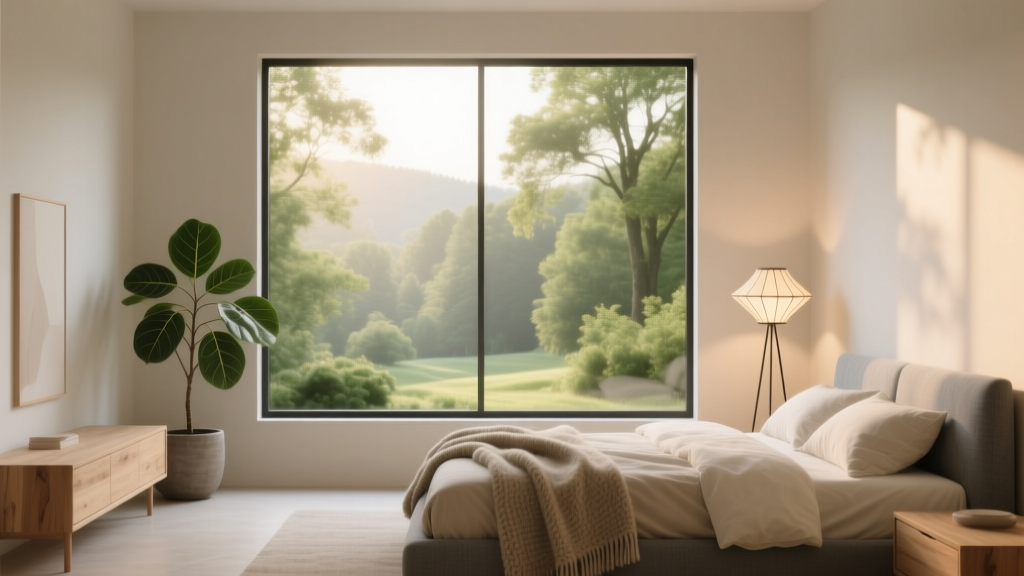
How to Style a Bedroom Around a View - The Decor Mag
A beautiful view can be more than a design feature—it can become part of your nightly wind-down ritual. Whether you look out onto treetops, a city skyline, mountains, or even a small garden, the way you arrange your bedroom around that window shapes how your body and mind transition into rest. When the view is treated as the room’s “anchor,” the space often feels calmer, more intentional, and easier to keep uncluttered—three qualities strongly linked to better sleep quality.
There’s also a wellness angle: natural light supports your circadian rhythm (your internal sleep-wake clock), and a connection to nature—even through a window—can lower stress. The goal is to celebrate the view without sacrificing a sleep-friendly bedroom design. That means balancing aesthetics with practical choices: glare control, comfortable layout, soothing colors, and lighting that supports relaxation after dark.
Below is a step-by-step approach to styling a bedroom around a view, with specific furniture recommendations, bedding and material tips, budget ranges, and common pitfalls to avoid—so your room looks serene by day and feels deeply restful at night.
Start With the View: Identify the Room’s Natural Focal Point
Before buying anything, stand in the doorway and notice where your eyes go first. In many bedrooms, the window (and whatever lies beyond it) becomes the natural focal point. Styling around a view works best when you treat it like artwork—something to frame, protect, and complement.
Assess Your View Type (and What It Needs)
- Greenery or water: Emphasize natural textures (linen, oak, jute) and muted colors for a spa-like bedroom feel.
- Cityscape: Use warm lighting, soft textiles, and blackout solutions to soften harsh night glare.
- Neighbor-facing windows: Prioritize privacy layers (sheers + blackout) and angle the bed for comfort.
- Sunrise/sunset exposure: Plan for brightness control to protect sleep—especially if you’re light-sensitive.
Measure Light and Sound
Your sleep environment is heavily influenced by light and noise. Spend a full day noticing:
- When direct sun hits the room (morning vs. afternoon glare)
- Streetlight spill at night
- Noise patterns (early morning trash trucks, late-night traffic)
This information helps you choose the right window treatments, rug thickness, and even bedding weights.
Layout: Place the Bed to Enjoy the View Without Compromising Sleep
The bed is the largest piece of furniture in the room and the core of your sleep setup. Positioning it well can make the view feel intentional while keeping the space grounded and functional.
Best Bed Placements for View-Centered Bedroom Design
- Perpendicular to the window (most balanced): You can see the view from bed without placing your head directly under a window. This often reduces drafts and noise.
- Facing the window: Ideal for scenic views. Pair with excellent blackout curtains or shades to prevent early wake-ups.
- Adjacent to the window with a reading nook opposite: Works well in small bedrooms, creating a “view zone” without forcing the bed into an awkward spot.
Sleep-Friendly Guidelines for Bed Placement
- Avoid placing the headboard directly under a window if the window leaks light, sound, or drafts. If it’s unavoidable, use a solid headboard and layered window treatments.
- Keep a clear pathway (at least 24 inches) around the bed to reduce visual stress and make the room easier to tidy.
- Prioritize stability: A sturdy bed frame (wood or metal with center support) reduces creaks that can disrupt light sleepers.
Small Bedroom Tip: Float the Bed (Carefully)
If the view wall is the only logical place, you can float the bed slightly away from the window wall and add a slim console or low shelf behind the headboard. It creates a buffer for curtains and helps with cable management. Look for:
- Depth: 8–12 inches
- Height: below mattress top for a clean sightline
Window Treatments: Frame the View and Protect Your Sleep
Styling around a view doesn’t mean leaving windows bare. A well-designed sleep environment needs light control—especially in bedrooms where sunrise or streetlights can interrupt melatonin production.
The Most Practical Layering System
- Sheer curtains (daytime softness + privacy)
- Blackout drapery or blackout roller shades (nighttime darkness)
Recommended Materials (Beautiful + Functional)
- Linen or linen-blend curtains: breathable, relaxed, and timeless for a calming bedroom.
- Velvet drapes: excellent for sound absorption and light blocking; best for city views.
- Cellular (honeycomb) shades: great insulation for hot/cold windows, supporting thermal comfort for sleep.
Budget Ranges
- Budget: $30–$120 (basic blackout curtains, tension rods, simple roller shades)
- Mid-range: $150–$400 (linen panels, better hardware, cordless cellular shades)
- Investment: $500–$1,500+ (custom drapery, motorized shades, layered designer hardware)
Pro Styling Tip: Hang Curtains High and Wide
Mount the rod close to the ceiling and extend it beyond the window frame. This makes the window look larger, frames the view like art, and allows more glass to show when curtains are open.
Color Palette: Let the View Lead, Keep the Bedroom Restful
When the view is the star, the most soothing bedroom decor choices echo what’s outside rather than competing with it. For sleep quality, softer colors tend to be less stimulating at night.
View-Based Palette Ideas
- Forest or garden view: warm whites, sage green, muted clay, natural oak.
- Ocean/lake view: soft sand, misty blue-gray, pale taupe, driftwood tones.
- Mountain view: creamy neutrals, charcoal accents, textured wool and linen.
- Urban skyline: warm gray, off-white, cognac leather accents, matte black hardware (used sparingly).
Where to Use Color (Without Overstimulation)
- Walls: choose low-sheen paint (eggshell or matte) to reduce glare.
- Bedding: keep the largest surfaces calming (duvet cover, sheets), add color through a throw or cushion.
- Rugs and curtains: bring in texture and softness to balance hard window lines.
Furniture Choices That Support the View (and Better Sleep)
When styling a bedroom around a view, furniture should feel low-visual-noise: clean lines, concealed storage, and comfortable proportions. Too many pieces can clutter sightlines and make the room feel restless.
Choose a Headboard That “Holds” the Room
- Upholstered headboards: cozy and sound-softening, great for echoey rooms.
- Solid wood headboards: grounding and timeless; works especially well with nature views.
- Low-profile frames: ideal when you want the view to dominate the visual field.
Budget ranges: $150–$400 (basic upholstered or wood), $500–$1,200 (quality joinery, performance fabric), $1,500+ (custom or designer).
Nightstands: Keep Them Calm and Functional
Look for nightstands with at least one drawer to reduce visual clutter. Ideal height is roughly level with your mattress top.
- Renter-friendly option: small dresser or wall-mounted shelf as a nightstand.
- Material picks: wood veneer, solid wood, or powder-coated metal for durability.
Add a View-Facing Moment: Bench or Chair
If space allows, add a place to sit and enjoy the scenery without turning the bed into a daytime lounge.
- Bedroom bench at the foot of the bed: storage + structure.
- Compact accent chair near the window: pair with a small side table and reading light.
Budget ranges: $100–$300 (simple bench/chair), $300–$800 (better upholstery/wood), $800+ (heirloom pieces).
Bedding and Textiles: Build a Sleep-Worthy Layered Look
A view-centered bedroom should still feel cocooning at night. Bedding is where decor and sleep wellness meet: breathability, temperature regulation, and tactile comfort can reduce wake-ups.
Best Materials for a Sleep-Friendly Bedroom
- Cotton percale: crisp, cool, ideal for hot sleepers.
- Cotton sateen: smoother and slightly warmer, good for cooler rooms.
- Linen: breathable and moisture-wicking; relaxed, textured look that complements natural views.
- Wool throw or blanket: temperature-regulating and excellent for layering.
A Simple Layering Formula (Looks Styled, Feels Restful)
- Breathable fitted sheet + top sheet (if you like one)
- Lightweight duvet insert matched to your climate (all-season or summer weight)
- Textured throw at the foot of the bed for visual warmth
- Two sleeping pillows + one lumbar (optional) to avoid overcrowding
Rug Choice for Comfort and Quiet
- Wool rug: durable, naturally insulating, soft underfoot.
- High-quality synthetic (budget): look for low-VOC options if possible.
- Size tip: aim for an 8x10 under a queen bed when possible, so you step onto softness.
Lighting: Support Circadian Rhythm and Highlight the View
Good bedroom lighting design has two jobs: make nighttime routines easy and keep the room restful. If you style around a view, lighting should also gently frame the window after dark—without turning the bedroom into a stage.
Use a Three-Layer Lighting Plan
- Ambient: ceiling fixture or soft flush mount (warm, dimmable).
- Task: bedside reading lamps or wall sconces.
- Accent: subtle picture light over art, LED strip behind headboard, or a small lamp near a chair.
Sleep-Friendly Lighting Specs
- Color temperature: 2200K–2700K for evening calm (warm white).
- Dimmers: one of the highest-impact upgrades for relaxation.
- Bulbs: choose flicker-free LEDs when possible, especially for sensitive sleepers.
Budget Ranges
- Budget: $20–$100 (warm bulbs, plug-in dimmers, simple lamps)
- Mid-range: $150–$500 (matched bedside lamps/sconces, dimmable fixtures)
- Investment: $600–$2,000+ (hardwired sconces, smart lighting scenes, designer fixtures)
Wellness Details: Air, Sound, and Scent (Subtle but Powerful)
A beautiful view is easiest to enjoy when the room feels physically comfortable. These small upgrades support sleep quality without changing your entire decor.
- Temperature: most people sleep best in a cool room. Try breathable bedding, a quiet fan, or insulating shades if your window runs hot/cold.
- Air quality: consider a compact air purifier (especially for city bedrooms) and wash curtains periodically to reduce dust.
- Sound control: layer rugs, curtains, and upholstered pieces; add a white noise machine if outdoor noise breaks your sleep.
- Scent: keep it light—lavender, chamomile, or cedar in a low-dose linen spray or diffuser; avoid overpowering fragrances.
Common Mistakes to Avoid When Styling Around a View
- Ignoring light control: a stunning sunrise can become a daily 5:30 a.m. wake-up call without blackout options.
- Overcrowding the window wall: bulky dressers or tall bookcases can block sightlines and make the view feel smaller.
- Choosing reflective finishes: glossy paint, mirrored furniture, or shiny decor can bounce glare into your eyes and disrupt the calm.
- Using harsh white bulbs: cool 4000K–5000K lighting can feel energizing at night and undermine a relaxing sleep environment.
- Letting clutter collect near the view: piles on the windowsill or chair visually “noise up” the space; keep surfaces clear.
- Forgetting privacy: especially for renters—sheers alone may not be enough after dark when interior lights are on.
FAQ: Styling a Bedroom Around a View
Where should I place my bed if the best wall is the window wall?
If you must place the headboard near or under a window, use a solid headboard, add insulating shades, and layer curtains for draft and light control. A narrow console behind the bed can create a buffer and improve the look.
What window treatments are best for sleep and still show off the view?
A layered setup works best: sheers for daytime softness and privacy, plus blackout shades or blackout curtains for nighttime darkness. This keeps the view available when you want it and protects sleep when you need it.
How do I reduce noise if my bedroom has a city view?
Use heavier curtains (velvet or lined drapery), add a wool rug, and choose upholstered pieces to absorb sound. If noise is unpredictable, a white noise machine can help mask spikes.
What colors work best when the view is the main focal point?
Stick to low-saturation, nature-adjacent tones: warm whites, greige, soft sage, muted blue-gray, and clay. These palettes support a calming bedroom decor style and reduce visual stimulation at night.
How can renters style around a view without permanent changes?
Try tension rods or peel-and-stick hooks for curtains, cordless shades that mount with minimal hardware (where allowed), plug-in wall sconces, and a movable chair-and-table “view nook.” Focus on textiles and lighting for maximum impact.
Should I put a mirror opposite the window to amplify the view?
Sometimes—but use caution. Mirrors can reflect streetlights at night or bounce early morning sunlight into the bed. If you add one, angle it to reflect sky or greenery without creating glare where you sleep.
Next Steps: Turn Your View Into a Daily Calm Cue
Styling a bedroom around a view comes down to a few high-impact moves: place the bed with intention, layer window treatments for sleep-friendly darkness, choose calming colors that echo what’s outside, and use warm, dimmable lighting for evenings. Add breathable bedding and a touch of texture, and your room can feel like a retreat—day and night.
For a simple plan this week, try this:
- Clear the window area and create one clean sightline to the view.
- Add layered curtains (sheer + blackout) or blackout shades.
- Swap bulbs to 2700K and add a dimmer or bedside lamp.
- Refresh bedding with breathable fabrics and a cozy throw.
Explore more calming bedroom ideas, sleep wellness upgrades, and practical decor guides on thedecormag.com.
More Articles
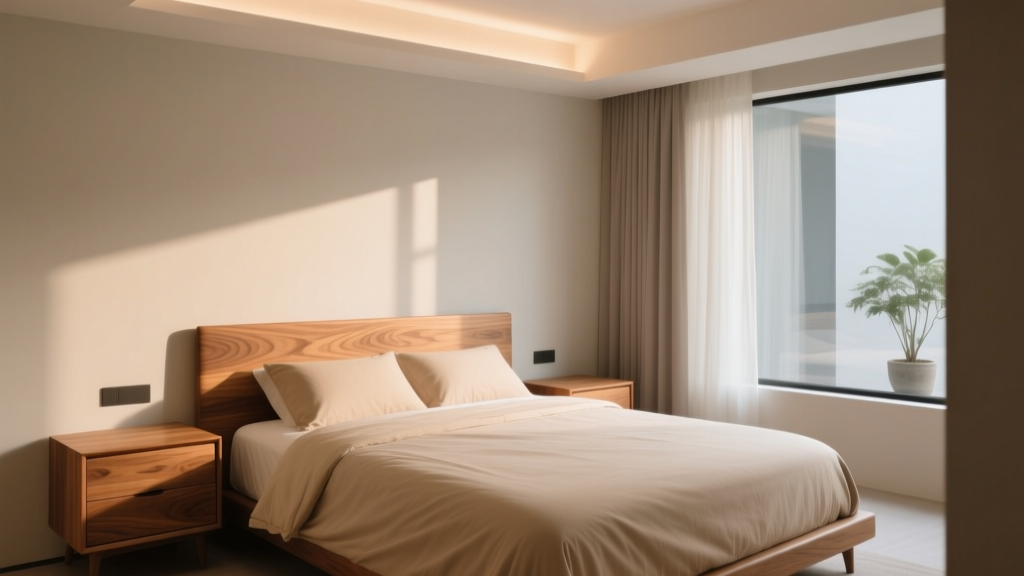 Bedroom Warm Wood Nightstand Pair - The Decor Mag
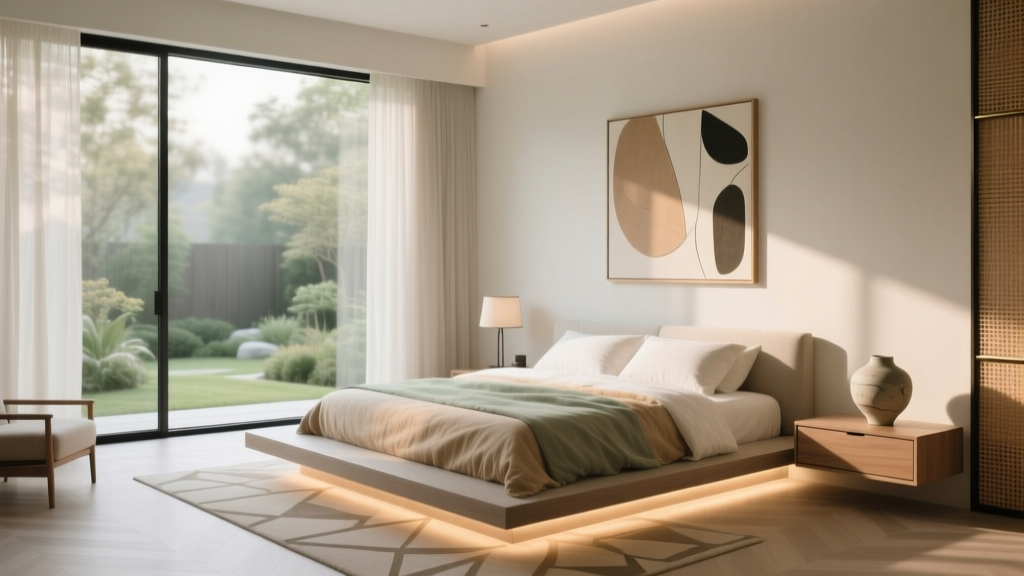 Modern Bedroom Design Ideas for 2026 - The Decor Mag
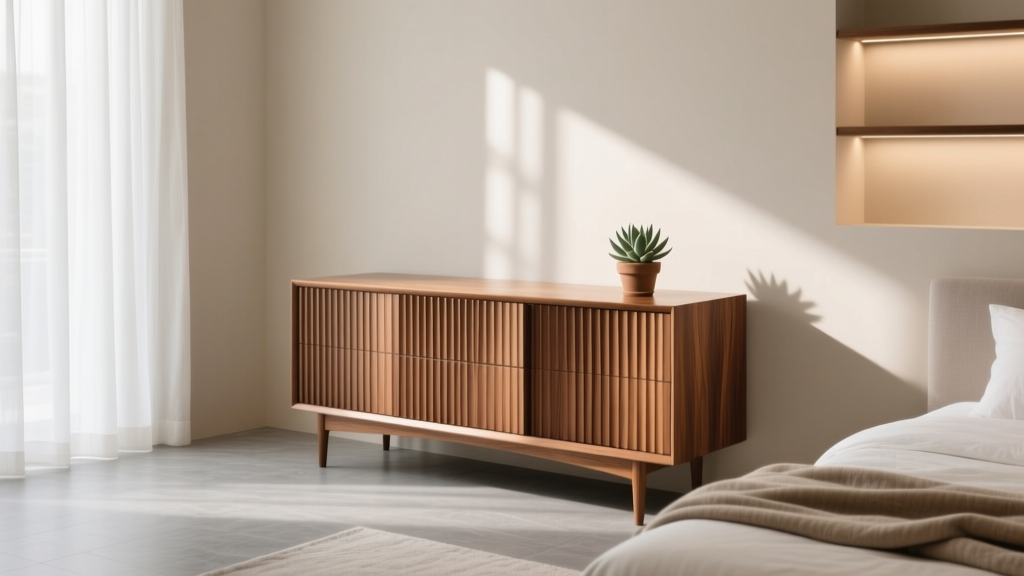 Bedroom Fluted Wood Dresser Trend - The Decor Mag
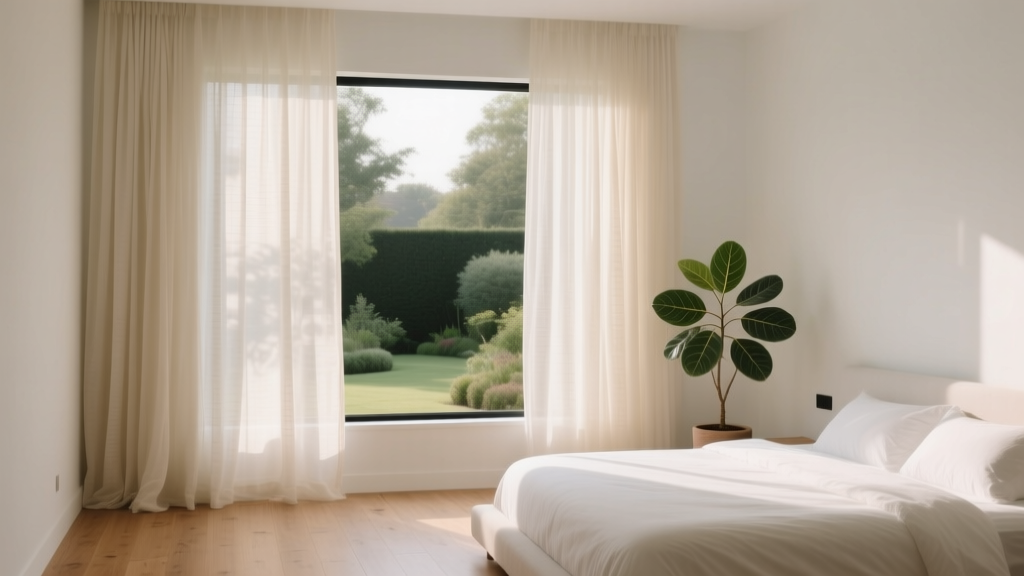 Bedroom Curtains for Better Sleep (2026)
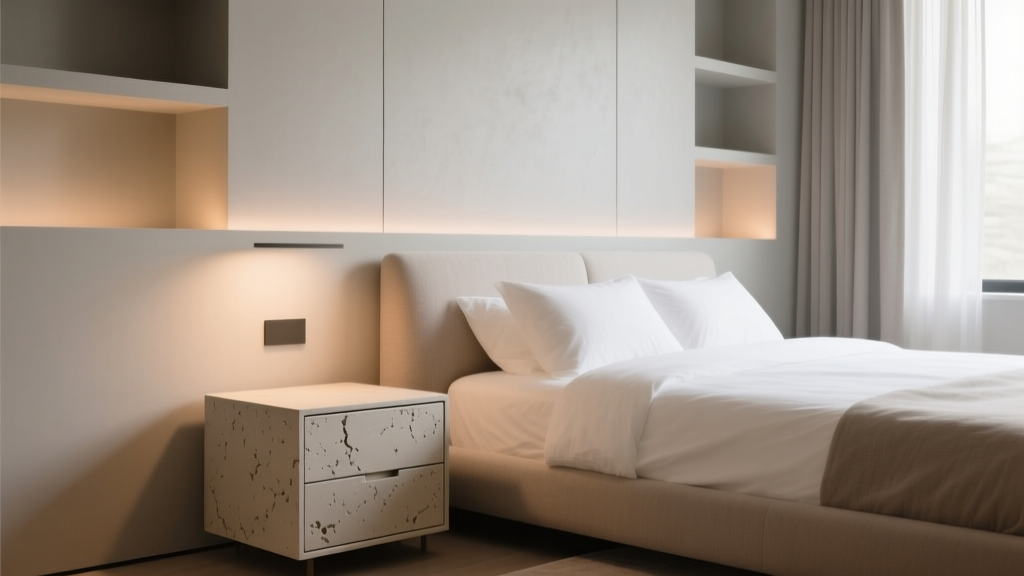 Bedroom Warm Plaster Nightstand Finish - The Decor Mag
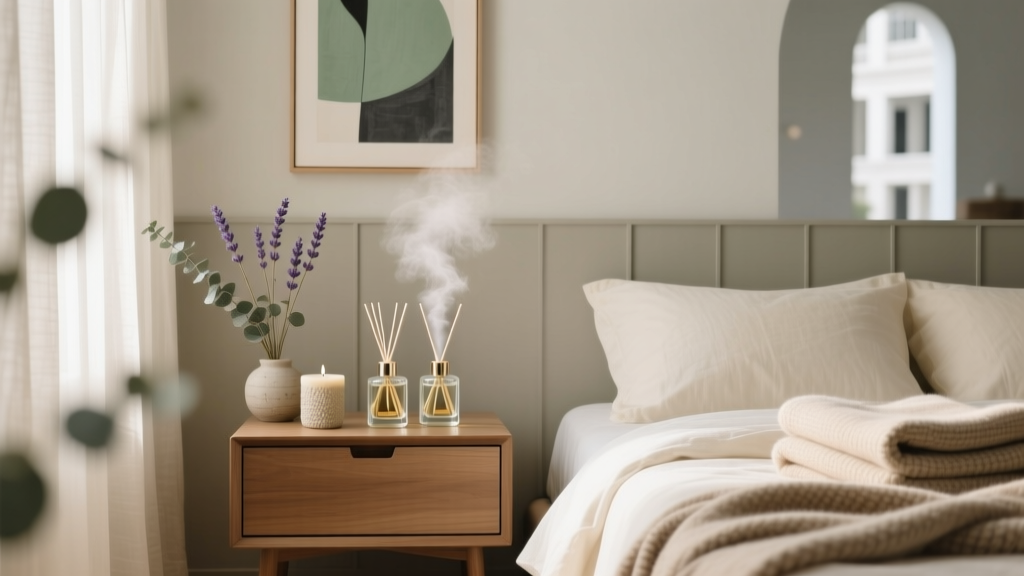 Best Bedroom Essential Oil Blend for Sleep - The Decor Mag
 How to Match Your Family’s Needs With the Right Bedroom Options: A Practical, Evidence-Based Guide
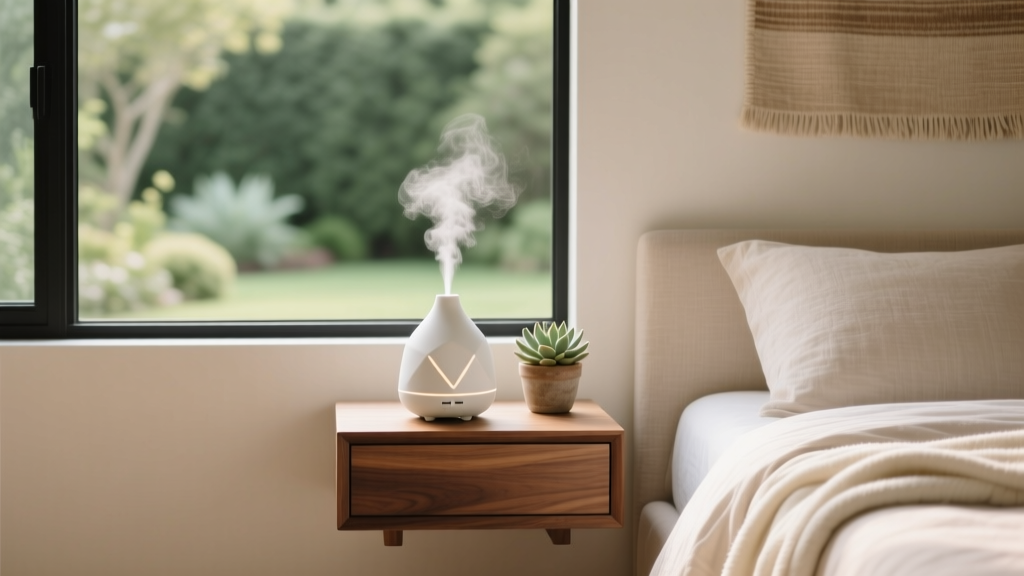 Best Bedroom Essential Oil Diffuser Spot - The Decor Mag
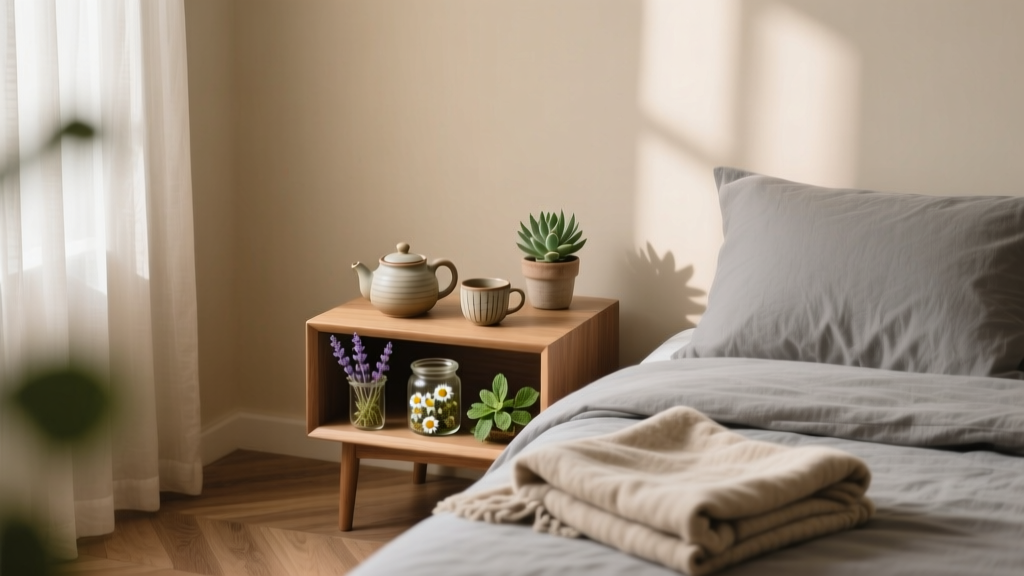 Best Bedroom Herbal Tea Bedside Setup - The Decor Mag
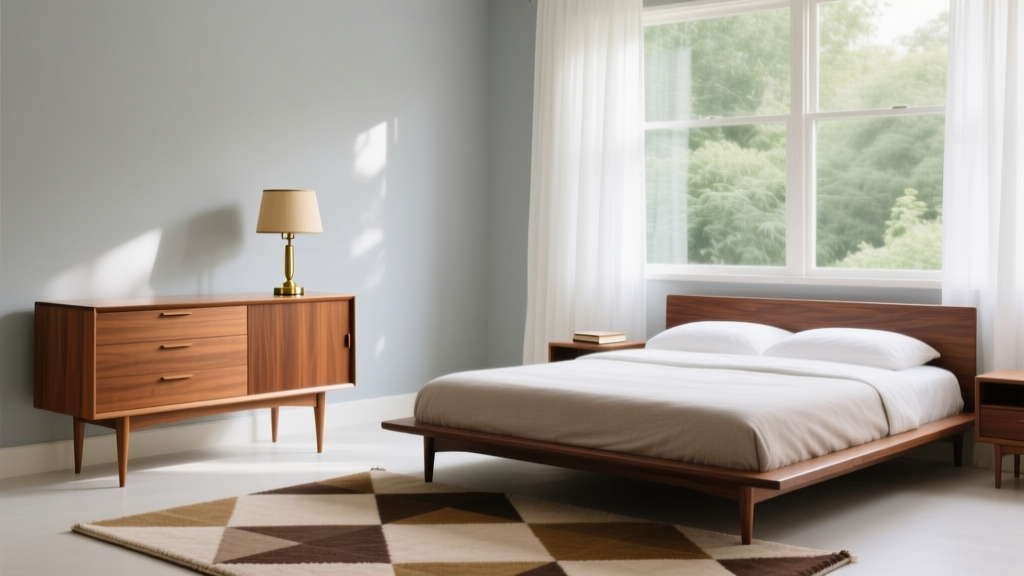 Mid-Century Modern Bedroom Furniture Guide - The Decor Mag