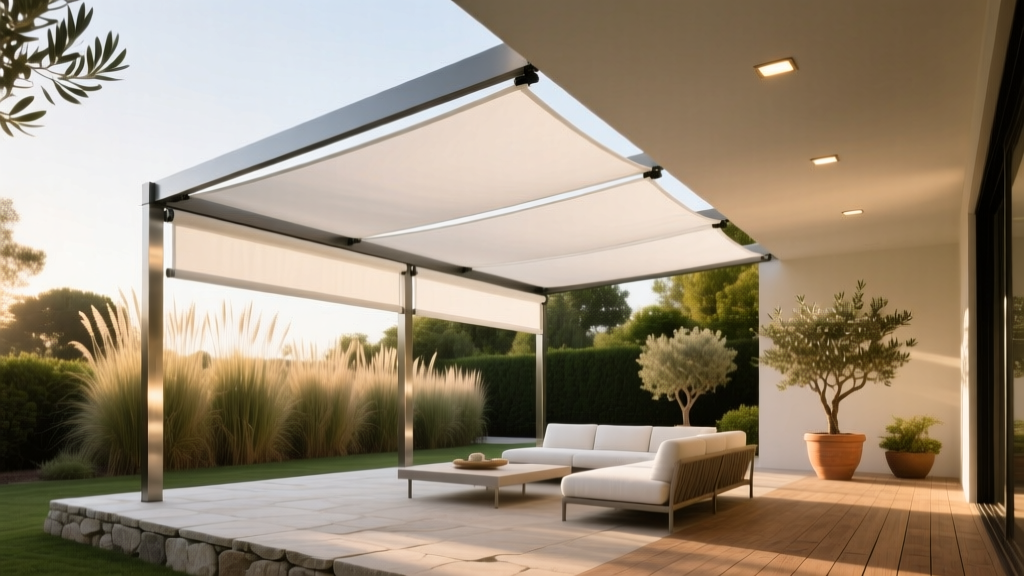
Outdoor Pergola Motorized Shade System - The Decor Mag
A pergola has always been a favorite move in outdoor design: it defines a “room” without walls, adds architecture to a patio, and creates a natural gathering point for meals, lounging, and conversation. The catch? Traditional pergolas can feel too sunny in peak summer, too exposed during light rain, and not quite adaptable enough for the way homeowners want to use outdoor spaces today.
That’s where an outdoor pergola motorized shade system changes everything. With the touch of a button, you can shift from bright, open-air entertaining to cool, comfortable shade—then back again when the evening breeze rolls in. It’s a practical upgrade that supports year-round outdoor living, boosts curb appeal, and makes your patio feel like an extension of your interior.
Whether you’re designing a new patio pergola, refreshing an existing structure, or building a backyard retreat around a dining set and fire feature, this guide breaks down what to choose, how to plan the layout, what materials perform best, and which plants and furnishings make the space feel polished and inviting.
Why a Motorized Pergola Shade System Is a Game-Changer
Motorized shades give you control—over sun, glare, heat, and privacy—without sacrificing the open, airy feel that makes pergolas so appealing. For homeowners who actually want to use their outdoor living spaces more often (not just look at them), this upgrade delivers daily comfort.
- Comfort on demand: Adjust shade as the sun moves—perfect for west-facing patios that bake in late afternoon.
- Better outdoor dining: Reduce glare and heat so guests linger longer.
- Protection for furnishings: Helps limit UV fading on outdoor rugs, cushions, and wood surfaces.
- More privacy: Add motorized side screens to block neighbors or street views.
- Design flexibility: A sleek shade system can look modern, coastal, or classic depending on materials and color.
Types of Pergola Motorized Shade Systems (And Where Each Works Best)
1) Motorized Retractable Canopy (Top-Mounted Fabric)
This is the classic “shade on rails” approach: a fabric canopy glides along tracks under (or above) pergola rafters. It’s popular for patios where you want adjustable shade with a soft, resort-like vibe.
- Best for: Dining pergolas, poolside lounges, smaller to medium spans
- Look: Warm, tailored, and inviting
- Material tip: Choose solution-dyed acrylic (great colorfastness) or high-performance PVC-coated fabric for more rain resistance.
2) Motorized Louvered Pergola Roof (Aluminum Louvers)
A louvered roof pergola uses rotating slats to control sun and ventilation. Many systems also shed rain when closed and can integrate gutters and downspouts.
- Best for: Year-round outdoor living, outdoor kitchens, climates with frequent sun/rain swings
- Look: Clean, architectural, modern
- Design win: Adds a more “finished” feel—like a true outdoor room.
3) Motorized Drop-Down Screens (Vertical Shades)
These shades mount to the pergola beam and drop down to block sun, wind, insects, or views. Pair them with a top shade solution for maximum comfort.
- Best for: Windy yards, close neighbors, morning/afternoon sun angles
- Fabric tip: Solar screen mesh (3–10% openness) balances shade and view. For privacy, choose tighter weaves.
4) Hybrid Systems (Roof + Screens + Lighting)
If you want the “outdoor living room” effect, consider a package: motorized roof shade plus side screens, integrated LED lighting, and optional heaters or fans.
Planning the Perfect Pergola Layout
A beautiful pergola is about more than the structure—it’s about how it supports movement, seating, shade coverage, and landscaping. Start with how you’ll use the space most days.
Choose a Function-First Zone
- Outdoor dining: Plan for a table centered under the shade coverage, with clearance for chairs (at least 36 inches around the table when possible).
- Lounge seating: Position seating so the shade reaches the main sitting area during peak sun hours. Add side screens on the sun-facing edge.
- Outdoor kitchen: Prioritize a roof system that handles heat, grease, and changing weather—louvered aluminum is often the most practical.
Size Guidelines That Feel Right
- Dining pergola: Commonly 12' x 14' to 14' x 20' depending on table size.
- Lounge pergola: 12' x 12' works for a compact conversation set; 14' x 18' fits deeper seating and side tables.
- Ceiling height: Aim for 8' to 10' clearance for airflow, fans, and a spacious feel.
Orientation: Work With the Sun
West-facing patios often need the most aggressive shade plan. A motorized canopy paired with a drop-down screen on the west side can drastically improve comfort in late afternoon.
Materials That Perform Outdoors (Structure + Shade)
Pergola Frame Materials
- Powder-coated aluminum: Low maintenance, modern lines, excellent for coastal or humid climates. Great pairing with motorized systems.
- Cedar: Naturally rot-resistant with a warm look. Works beautifully in garden settings, but will need periodic sealing or staining.
- Redwood: Premium wood option with rich color; performs well when maintained.
- Steel: Strong and sleek, ideal for larger spans—requires quality coating to prevent rust.
Shade Fabric and Hardware Recommendations
- Solution-dyed acrylic fabric: Excellent UV resistance and colorfastness; ideal for everyday shade and a soft, upscale look.
- PVC-coated polyester: More water resistance and durability; a smart choice for areas with surprise rain or intense sun.
- Marine-grade hardware: Especially in coastal zones—reduces corrosion and extends system life.
Design Ideas: Making It Look Intentional, Not “Added On”
Color Palettes That Elevate the Patio
- Modern neutral: Black or charcoal frame + warm white canopy + teak furniture + olive-green planting.
- Coastal calm: White frame + sand-colored fabric + light wood + soft blue textiles.
- Garden classic: Cedar pergola + linen-tone canopy + matte black accents + climbing vines.
Lighting and Power Planning
Motorized systems shine when the pergola is fully “living space ready.” Plan for outlets, lighting, and controls early.
- Integrated LED strips: Clean, low-profile, and perfect for everyday use.
- Pendant over dining: Adds indoor-style warmth; choose outdoor-rated fixtures.
- Smart controls: Remote + app control + voice assistant integration; consider sun/wind sensors for automated adjustments.
Furniture Recommendations That Pair Well With Motorized Shade
Shaded comfort invites longer lounging—so choose furniture that feels as good as it looks.
- Outdoor dining: Powder-coated aluminum table for low maintenance, or teak for a classic resort feel. Use quick-dry cushions in neutral tones.
- Lounge seating: Deep modular sectionals with performance fabric (solution-dyed acrylic or olefin). Add a coffee table in concrete, teak, or aluminum.
- Outdoor rug: Polypropylene flatweave for easy cleaning and fade resistance.
- Accessories: Side tables, a blanket basket, and weather-resistant pillows to make the patio feel finished.
Plants That Love Pergolas (And Make Shade Look Beautiful)
A pergola becomes instantly more welcoming when it’s integrated with landscaping. Use plants to soften posts, define edges, and create a layered garden backdrop—without blocking the motion of the shade system.
Climbing Plants (Use With Care Around Moving Parts)
- Star jasmine: Fragrant, evergreen in mild climates; ideal near posts with training.
- Clematis: Stunning blooms; choose varieties suited to your zone.
- Climbing roses: Romantic and classic—best on a separate trellis panel so growth doesn’t interfere with the motorized canopy.
- Grape vine: Gorgeous and productive, but can get heavy—best for sturdy structures and careful pruning.
Container Plants for a Polished Patio Edge
- Lavender: Sun-loving, fragrant, drought-tolerant.
- Dwarf olive or bay laurel: Structure and Mediterranean style (great in pots).
- Ornamental grasses: Fountain grass or blue fescue for movement and texture.
- Shade-friendly accents: If your system creates consistent shade, try ferns, hostas (cool climates), or heuchera.
Layout Tip: Planting Without Creating a Mess
- Keep climbing plants at least 12–18 inches away from moving shade tracks and motors.
- Use gravel or pavers around containers to reduce soil splash and make cleanup easier.
- Install drip irrigation for pots to simplify summer care.
Climate and Year-Round Outdoor Living Considerations
Hot, Sunny Climates
- Choose high-UV-rated fabric or a louvered roof for maximum heat control.
- Add a ceiling fan (outdoor-rated) to keep air moving.
- Consider lighter fabric colors to reduce heat absorption.
Rainy or Variable Weather Regions
- Louvered roofs with integrated drainage offer the most flexibility.
- Look for fabrics designed for mildew resistance and quick drying.
- Plan a slightly sloped patio or proper drainage to prevent puddling under the pergola.
Windy Areas
- Prioritize wind sensors and sturdy mounting.
- Vertical drop screens help reduce gusts, but ensure your system is wind-rated for your region.
- Avoid loose, lightweight curtains that flap and wear out quickly.
Cold Winters
- Add infrared heaters to extend patio season into fall and winter.
- Choose a system with serviceable components and strong warranties.
- Protect fabric shades during snow/ice events per manufacturer guidance.
Budget Ranges: What to Expect
Pricing varies based on size, materials, motorization, and whether you’re upgrading an existing pergola or installing a new one.
- Budget-friendly upgrade (approx. $2,000–$6,000): Motorized retractable canopy added to an existing pergola (smaller sizes, standard fabrics, basic remote).
- Mid-range outdoor living upgrade (approx. $6,000–$15,000): Higher-end fabric, improved hardware, integrated lighting, and/or one motorized drop-down screen.
- Premium, room-like pergola build (approx. $15,000–$40,000+): Louvered aluminum pergola, multiple motorized screens, lighting, heaters, and professional installation.
Pro planning tip: Allocate 10–20% of your pergola budget for electrical work, permits (where required), and lighting controls so everything functions smoothly.
Maintenance Checklist: Keep It Smooth, Quiet, and Clean
- Monthly (during heavy use): Rinse fabric and frames to remove pollen, dust, and debris.
- Seasonally: Clean fabric with mild soap and water; avoid harsh chemicals that strip protective coatings.
- Inspect moving parts: Check tracks for leaves and grit, tighten fasteners as recommended, and listen for unusual motor strain.
- Before winter storms: Retract fabric shades and follow manufacturer wind/snow guidance.
- Coastal homes: Rinse metal components more often to reduce salt buildup.
Common Mistakes to Avoid
- Choosing shade first and layout second: If the seating zone isn’t under the coverage when you need it, the system won’t feel worth it.
- Ignoring wind ratings and sensors: Wind damage is one of the most expensive, avoidable problems.
- Mounting without proper structure: Motorized systems need solid support—especially on retrofits. Reinforce beams if needed.
- Picking indoor fabrics outdoors: Non-outdoor textiles fade, mildew, and fail fast.
- Letting vines take over the mechanics: Keep climbers trained away from tracks, louvers, and motors.
- Skipping electrical planning: Visible conduit and poorly placed switches can spoil a beautiful pergola design.
FAQ: Outdoor Pergola Motorized Shade Systems
Do motorized pergola shades work in light rain?
Some retractable canopies use water-resistant fabrics, but pooling can still occur if the system isn’t designed for rain. If rain coverage is a priority, consider a louvered roof pergola with integrated drainage.
Are motorized pergola shades worth it compared to a fixed shade cloth?
For homeowners who use their patio often, the flexibility is the value: you can open up for sun and sky, close for heat and glare, and add privacy when entertaining—all without manual effort.
Can I add a motorized shade system to an existing pergola?
Often, yes. The key is ensuring the pergola is structurally sound and properly sized for the system’s mounting requirements. A contractor or shade specialist can confirm load and attachment details.
What’s better: a motorized canopy or a louvered pergola?
A canopy offers a softer look and strong sun shade; a louvered roof delivers the most all-weather versatility and a more architectural finish. Your climate and how you use the space usually decide the winner.
How do I choose the right shade fabric color?
Lighter colors feel brighter and can run cooler; darker colors can reduce glare more. For timeless outdoor design, start with warm white, sand, or light gray and build accent color through pillows and planters.
Next Steps: Plan Your Pergola Like a True Outdoor Room
Start by tracking your sun and wind patterns for a week, then sketch your ideal layout—dining, lounging, or cooking—so the motorized shade coverage lands exactly where you need it. Choose performance materials (powder-coated aluminum, solution-dyed acrylic, marine-grade hardware), add lighting and power early, and finish with comfortable furniture and plantings that soften the structure without interfering with the mechanics.
When you’re ready, gather measurements, inspiration photos, and a realistic budget range, then consult a pergola installer or shade specialist to confirm wind ratings, mounting, and electrical needs. Your future self—relaxing outdoors in July or enjoying a crisp fall dinner under warm lights—will thank you.
More outdoor living inspiration: Explore pergola ideas, patio layouts, landscaping tips, and backyard design guides on thedecormag.com.
More Articles
 Best Outdoor Bar Bread Basket Station - The Decor Mag
 How to Design a Cottage Core Garden - The Decor Mag
 How to Design a Kitchen Garden Layout - The Decor Mag
 How to Design a Bog Garden - The Decor Mag
 Best Outdoor Dining Chair Cushions - The Decor Mag
 Best Outdoor Bar Garnish Tray Ideas - The Decor Mag
 Safety vs Scheme: Balancing Aesthetic Vision with Real-World Outdoor Living Protection
 Best Outdoor Bar Wine Glass Hanger - The Decor Mag
 The Ultimate Paint Guide for Outdoor Living Spaces: Durability, Color Science, and Real-World Performance
 Outdoor Pavilion Mist Cooling System - The Decor Mag