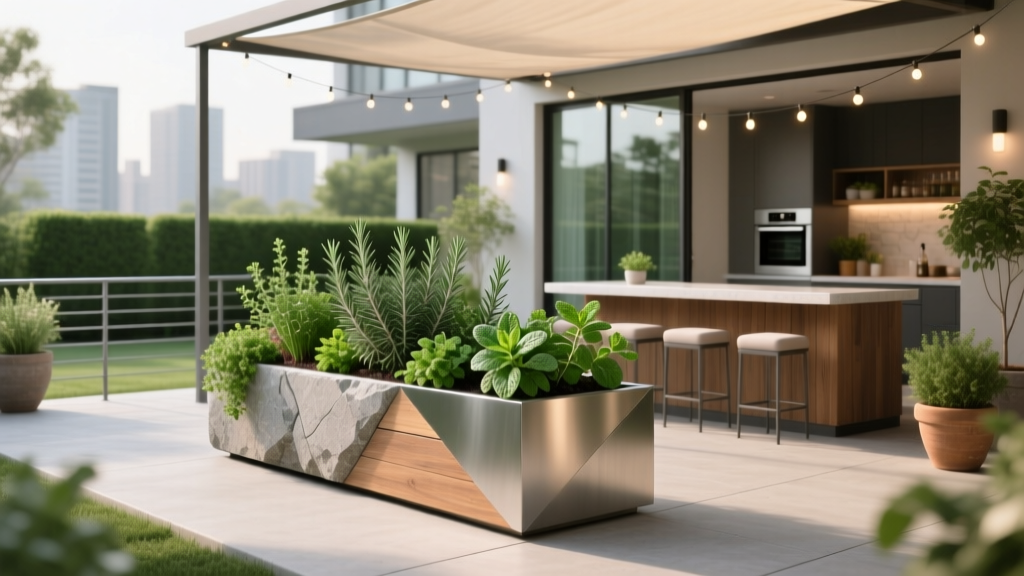
Best Outdoor Bar Herb Garden Planter - The Decor Mag
Nothing elevates outdoor living like a backyard bar setup that feels effortless: a place to mix drinks, share small bites, and linger under string lights long after sunset. The missing ingredient for many patios is freshness—those just-picked herbs that make a mojito sing, turn a basic gin and tonic into something memorable, and bring restaurant-level flavor to grilled meals.
An outdoor bar herb garden planter solves that beautifully. It keeps your most-used herbs within arm’s reach of your bar cart or outdoor kitchen, adds lush greenery to hardscaped spaces, and turns everyday entertaining into a sensory experience. The best part: you don’t need a big yard. With the right planter design, you can create a compact, stylish herb garden for patios, decks, balconies, and poolside lounge areas.
This guide walks you through what makes a great outdoor bar herb garden planter, the best materials and layouts, herb picks for cocktails and cooking, climate-smart placement, maintenance routines, and the common mistakes that sabotage even the prettiest patio herb garden.
What Makes an Outdoor Bar Herb Garden Planter “Best”?
The ideal herb planter for an outdoor bar is more than a container—it’s a functional part of your patio design. It should look intentional, perform well through heat and rain, and keep herbs thriving with minimal fuss.
Key features to look for
- Easy access: Place it within a few steps of your outdoor bar, dining table, or grill.
- Excellent drainage: Herbs hate “wet feet.” Drain holes and a breathable potting mix are non-negotiable.
- Stability: A top-heavy planter can tip in wind or around active entertaining spaces.
- Sun-smart placement: Most herbs want 6+ hours of sun, but hot-climate patios may need afternoon shade.
- Design compatibility: Materials and colors should complement your outdoor furniture, pavers, and lighting.
- Food-safe materials: Especially if you’re reusing containers or building a DIY bar planter.
Best planter styles for patio bars
- Raised trough planters: Long, narrow, and bar-adjacent—ideal for lining a railing or defining a patio edge.
- Tiered vertical planters: Great for small decks and balconies; separates herbs by water needs.
- Counter-height herb planters: Perfect beside a prep ledge; reduces bending and feels integrated with an outdoor kitchen.
- Mobile planters on casters: Move herbs into sun, then roll them closer to the bar for parties.
- Built-in bench/planter combos: A designer move for year-round outdoor living and extra seating.
Top Outdoor Bar Herb Garden Planter Layouts (With Design Tips)
Your layout should match how you entertain and how your outdoor space flows. These proven arrangements work across patio sizes and styles.
1) The “Bar Back” Herb Trough
Best for: patios with a dedicated bar counter, outdoor kitchen, or grill station.
- Place a long trough planter behind the bar like a living backsplash.
- Use two heights (a low trough + a taller pot) to add dimension and soften hard surfaces.
- Frame with lanterns or low-voltage uplighting for evening ambiance.
Pro tip: Keep the planter depth at 8–12 inches minimum for better root development and moisture stability.
2) The Rolling “Mixologist’s Cart” Planter
Best for: flexible entertaining, renters, and seasonal repositioning.
- Choose a rectangular planter with locking casters or place pots on a heavy-duty plant caddy.
- Roll into full sun during the week, then park beside the bar when guests arrive.
- Pair with a weather-resistant bar cart (powder-coated aluminum or teak) for a cohesive look.
Budget range: $80–$250 for a quality rolling planter setup, depending on size and caster quality.
3) The Vertical Herb Wall for Small Patios
Best for: narrow patios, balconies, and courtyard-style outdoor living.
- Use a freestanding vertical planter (safer than wall-mounted if you rent).
- Plant sun lovers up top; tuck moisture-loving herbs lower where it’s cooler.
- Integrate with patio design by aligning it with outdoor rugs, furniture legs, and lighting.
Pro tip: Vertical planters dry out fast—use a moisture-retentive potting mix and check daily during heat waves.
Best Materials for an Outdoor Herb Planter Near a Bar
Outdoor planters must handle UV, temperature swings, splashes, and frequent harvesting. Choose materials that match your climate and style.
Material guide (pros, cons, and best uses)
- Cedar or redwood: Naturally rot-resistant, warm and modern. Great for DIY bar planters and raised troughs. Reseal every 1–3 years.
- Teak: Premium, long-lasting, ideal near outdoor kitchens and high-end patio furniture. Higher price, minimal maintenance.
- Galvanized steel: Farmhouse-modern, durable, and sleek. Can heat up in full sun—best in mild climates or with afternoon shade.
- Powder-coated aluminum: Lightweight, rust-resistant, clean-lined for contemporary patios. Choose thicker-gauge for stability.
- Terracotta: Breathable and classic; helps prevent overwatering. Prone to cracking in freeze/thaw climates unless moved indoors for winter.
- Concrete or fiber-cement: Stylish and stable; excellent wind resistance. Heavy and can retain heat—use in part shade in hot regions.
- Resin or composite: Budget-friendly, lightweight, and often very attractive. Look for UV-stabilized options and solid drainage design.
Best soil and drainage setup
- Potting mix: Use a high-quality container mix (not garden soil). Blend in 10–20% perlite or pumice for drainage.
- Drainage: Ensure multiple drain holes. Skip gravel layers (they don’t improve drainage in containers).
- Mulch: A thin layer of fine bark or straw reduces evaporation and keeps soil from splashing onto leaves.
Cocktail & Culinary Herbs That Thrive in Containers
The best outdoor bar herb garden planter is stocked with flavors you’ll actually use. Aim for a mix of “cocktail staples” and “kitchen workhorses,” plus one or two aromatic extras for garnish.
Top herbs for cocktails (and how to use them)
- Mint (spearmint): Mojitos, juleps, iced tea. Plant in its own pot inside the larger planter to control spreading.
- Basil: Strawberry basil smash, margaritas with a twist. Pinch tops frequently to keep it bushy.
- Rosemary: Rosemary gin fizz, smoked rosemary garnish. Loves sun and dries out faster than mint.
- Thyme: Whiskey sour variations, lemon-thyme spritz. Handles drought well once established.
- Lemon balm: Bright, citrusy aroma; great in summer mocktails. Can spread—best in a container section.
- Lavender (culinary varieties): Syrups and garnishes. Needs sharp drainage and plenty of sun.
Best culinary herbs for outdoor entertaining
- Chives: Finish grilled veggies, dips, potatoes. Cold-hardy and reliable.
- Parsley: Salads, chimichurri-style sauces. Prefers consistent moisture.
- Oregano: Pizza night outdoors, marinades. Tough and drought-tolerant.
- Sage: Great with pork, squash, and fall menus. Loves sun; don’t overwater.
Smart planting combinations (by water needs)
Group A: Drier soil lovers (great for sunny bar planters)
- Rosemary
- Thyme
- Oregano
- Sage
- Lavender
Group B: Even-moisture herbs (best in their own section or separate pot)
- Mint
- Basil
- Parsley
- Cilantro (cool-season)
Placement, Sunlight, and Climate Considerations
Outdoor design isn’t just about looks—it’s about performance. Where you place your patio herb garden determines how often you water, how fast herbs grow, and how long your planter looks fresh.
Sun exposure guidelines
- Most herbs: 6–8 hours of sun daily.
- Hot-summer regions: Aim for morning sun + afternoon shade to prevent scorching (especially basil and parsley).
- Shadier patios: Grow mint, parsley, chives, and lemon balm; consider supplemental grow lights indoors for winter.
Wind, heat, and microclimates
- Near stucco walls, dark fencing, or stone patios, heat can intensify—use lighter-colored planters or move herbs slightly away from radiating surfaces.
- Rooftop decks and open yards can be windy—choose heavier planters (concrete/fiber-cement) or add ballast in the base.
- Poolside patios may increase humidity and splash; use rust-resistant materials and avoid waterlogged soil.
Seasonal planning for year-round outdoor living
- Spring: Plant basil after nights stay above ~50°F; refresh soil and add slow-release organic fertilizer.
- Summer: Harvest weekly; shade basil during heat spikes; water early morning.
- Fall: Transition to rosemary, thyme, sage; start parsley and cilantro in cooler weather.
- Winter: In mild climates, keep hardy herbs outside. In freeze zones, bring tender herbs indoors or protect with frost cloth and move pots near a sheltered wall.
Design Pairings: Furniture and Outdoor Bar Setups That Work Best
Your herb planter should feel integrated into your patio living space, not like an afterthought.
Recommended outdoor bar furniture pairings
- Compact patios: Bistro table + slim trough planter along a railing; add a narrow bar cart.
- Entertainer patios: Dedicated outdoor bar counter + bar stools + “bar back” herb trough.
- Pool or lounge areas: Side table + rolling herb planter + weatherproof storage bench for bar tools.
Materials that coordinate beautifully
- Modern: powder-coated aluminum planters + concrete pavers + linear LED lighting
- Coastal: teak or cedar planters + white cushions + gravel or shell paths
- Rustic: galvanized steel trough + brick edging + Edison string lights
- Mediterranean: terracotta pots + stone patio + rosemary/lavender palette
Budget Ranges: What to Expect
- Budget-friendly ($30–$120): resin planter or terracotta pots, basic potting mix, 6–10 herb starts. Best for small patio herb gardens.
- Mid-range ($120–$450): cedar trough or powder-coated metal planter, upgraded soil amendments, drip line or self-watering insert, mix of herbs + edible flowers.
- High-end ($450–$1,200+): teak or custom built-in planter near an outdoor bar, integrated lighting, irrigation, matching outdoor furniture styling.
Maintenance: Keep Your Bar Herb Garden Lush (Not Leggy)
Simple weekly routine
- Harvest often: Regular snipping encourages bushy growth.
- Water deeply: Water until it runs out the bottom, then wait until the top inch dries for most herbs.
- Pinch basil: Remove top sets of leaves; don’t let it flower if you want steady leaf production.
- Feed lightly: Use a balanced organic fertilizer every 4–6 weeks during active growth (too much fertilizer reduces flavor intensity).
- Check pests: Look for aphids and spider mites—spray with water or use insecticidal soap as needed.
Optional upgrades for low-effort care
- Drip irrigation kit: Ideal for summer travel and hot climates.
- Self-watering planters: Great for thirsty herbs like basil and parsley.
- Plant labels: Keeps harvesting easy when guests help themselves.
Common Mistakes to Avoid
- Mixing incompatible herbs in one section: Mint and basil want more moisture than rosemary and lavender.
- Using garden soil in containers: It compacts, drains poorly, and suffocates roots.
- Ignoring drainage: Decorative planters without holes will rot roots fast—use a drill or keep herbs in nursery pots inside.
- Planting mint directly into a large bed: It can take over. Keep it contained.
- Putting planters too far from the bar: If it’s not convenient, you won’t use it. Proximity drives enjoyment.
- Overwatering “Mediterranean” herbs: Rosemary, thyme, oregano, sage, and lavender prefer drying slightly between waterings.
FAQ: Outdoor Bar Herb Garden Planter
What size planter is best for an herb garden near an outdoor bar?
Aim for at least 24–36 inches long and 8–12 inches deep for a trough-style planter. If using individual pots, 8–10 inch pots work well for most herbs, with larger pots for rosemary.
Which herbs should not be planted together?
Avoid planting mint with slower-growing, drier-soil herbs like rosemary and lavender. Also keep lavender separate from moisture-loving herbs because it needs sharp drainage.
How do I keep herbs alive on a hot, sunny patio?
Use a thicker planter (insulates roots), water early in the day, add a light mulch, and provide afternoon shade for basil and parsley. Consider drip irrigation for consistent moisture.
Can I grow herbs year-round outdoors?
In mild climates, yes—especially rosemary, thyme, sage, oregano, and chives. In colder regions, bring tender herbs indoors before frost and protect outdoor containers from freeze/thaw damage.
What’s the best planter material for freeze/thaw climates?
Resin/composite and fiber-cement planters perform well. Terracotta is beautiful but more likely to crack unless overwintered in a protected area.
How do I design my herb planter to look intentional, not cluttered?
Limit your palette to 2–3 planter materials, repeat shapes (two matching pots plus one trough), and add one “anchor” plant like rosemary for height. Keep accessories minimal: one lantern, one bar tool caddy, and you’re set.
Your Next Steps: Build a Cocktail-Ready Herb Planter This Weekend
- Choose your layout: bar-back trough, rolling planter, or vertical herb wall.
- Match materials to your patio style: cedar for warm modern, metal for contemporary, terracotta for Mediterranean charm.
- Pick 6–10 herbs you’ll actually use: mint, basil, rosemary, thyme, chives, parsley are a strong core.
- Group by water needs: keep Mediterranean herbs together; contain mint.
- Add lighting and proximity: place it where you’ll harvest during cooking and mixing—then enjoy it all season.
For more outdoor design, landscaping ideas, and patio living inspiration—explore the latest guides and backyard upgrades on thedecormag.com.
More Articles
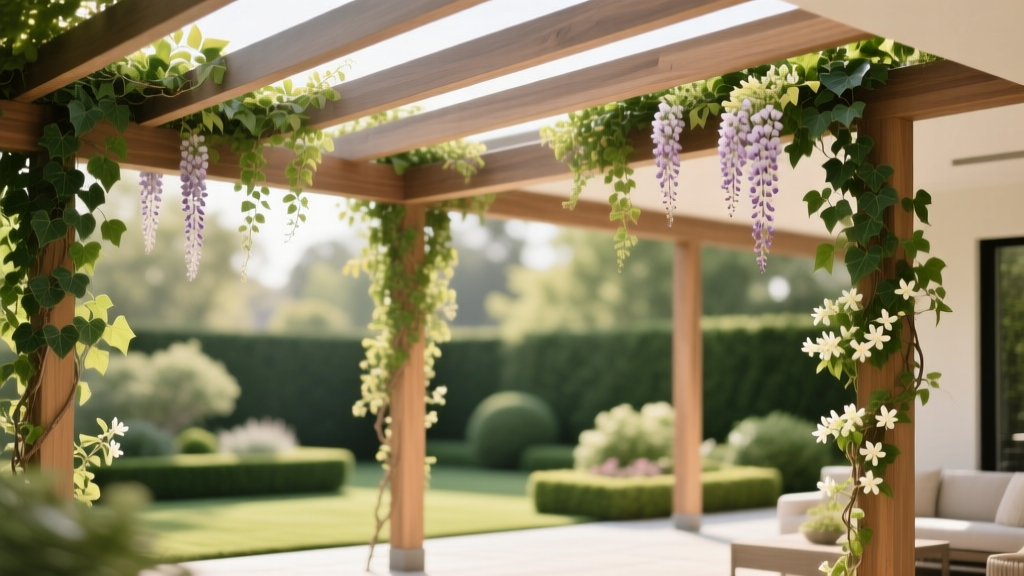 Outdoor Pergola Climbing Vine Selection - The Decor Mag
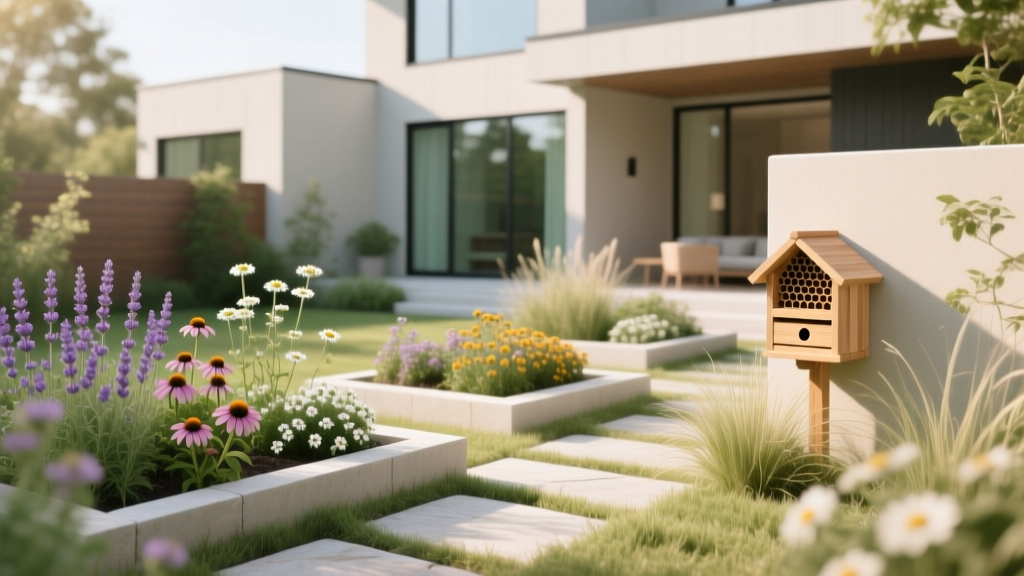 How to Design a Bee Garden - The Decor Mag
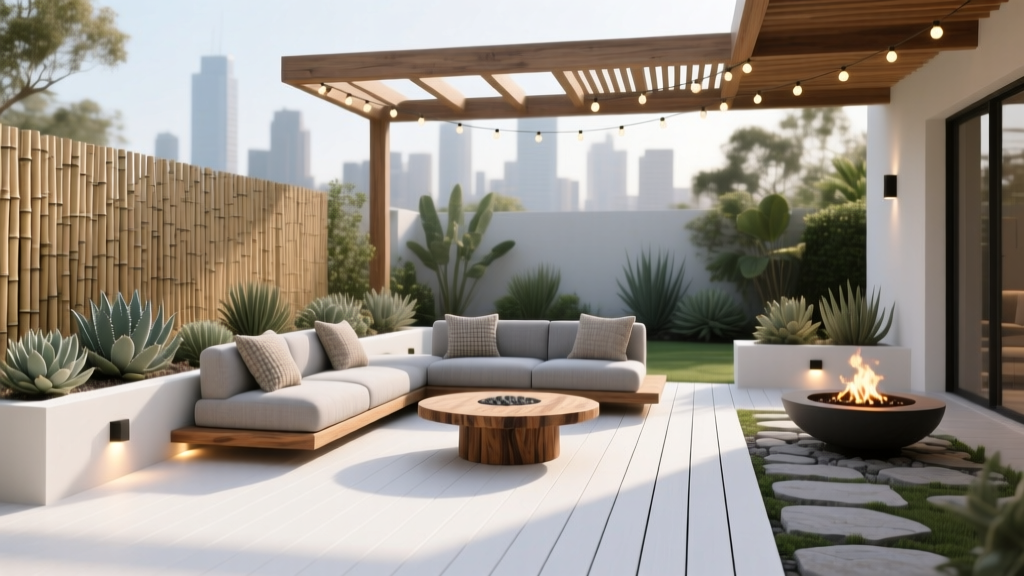 How to Create an Outdoor Entertainment Area - The Decor Mag
 How to Design a Backyard Oasis - The Decor Mag
 How to Design a Dragonfly Garden - The Decor Mag
 How to Create a Firefly Garden - The Decor Mag
 How to Design a Coastal Garden - The Decor Mag
 How To Clean Living: A Practical Guide to Healthier Outdoor Spaces and Sustainable Habits
 Outdoor Kitchen Countertop Expansion Joints - The Decor Mag
 Outdoor Fireplace and Fire Pit Ideas - The Decor Mag