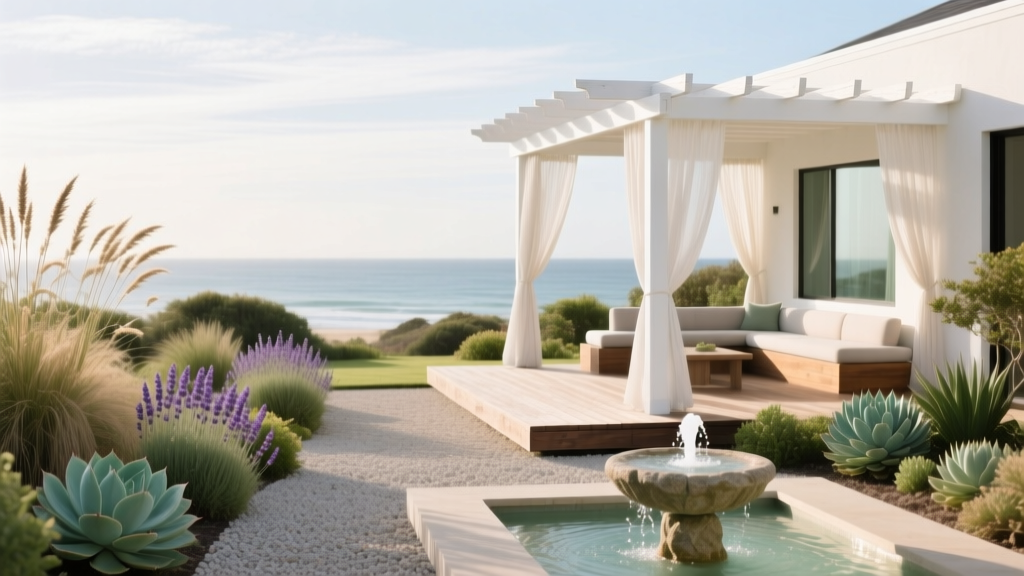
How to Design a Coastal Garden - The Decor Mag
A coastal garden can feel like a permanent vacation—bright, breezy, and effortlessly inviting. But designing one isn’t just about sprinkling in seashells and calling it done. True coastal landscaping balances beauty with resilience: salt spray, sandy soil, wind exposure, intense sun, and shifting moisture levels all influence what thrives (and what fails fast).
Whether you live oceanfront, bayside, or simply love the relaxed coastal look, this guide breaks down practical design strategies, plant choices, furniture recommendations, and budget ranges to help you build an outdoor space that looks polished in every season.
Start With a Coastal Site Check: Wind, Salt, Sun, and Soil
Coastal garden design starts with reading your site—because microclimates near the water can change dramatically from one corner of a yard to the next.
Assess your exposure
- Salt exposure: Oceanfront and open-bay homes receive direct salt spray; even a few blocks inland may only see salty air.
- Wind patterns: Identify prevailing winds (often strongest in late afternoon and during storms). Wind can shred foliage and dry out soil quickly.
- Sun intensity: Coastal light can be intense and reflective, especially near sand, water, or light stone patios.
- Soil type: Sandy soils drain fast and don’t hold nutrients; clay pockets may stay wet after storms.
Quick improvements before you plant
- Build soil structure: Mix 2–4 inches of compost into planting beds. For very sandy soil, add coconut coir or aged leaf mold to increase moisture retention.
- Plan irrigation smartly: Drip irrigation minimizes wind drift and salt residue on leaves, and it’s ideal for efficient outdoor living landscapes.
- Create wind buffers: Add fencing, hedges, or layered plantings to protect patios and tender plants.
Choose a Coastal Garden Style That Fits Your Home
Coastal doesn’t mean one look. Pick a style direction so your landscaping, patio design, and outdoor furniture feel cohesive.
Three coastal design approaches
- Classic beach cottage: White trim, hydrangeas, picket fences, informal borders, and soft blue/white/green palettes.
- Modern coastal: Clean lines, restrained color, architectural grasses, natural stone, and streamlined outdoor seating.
- Dune-inspired naturalism: Native grasses, wildflower pockets, weathered wood, and minimal hardscaping that blends into the landscape.
Tip: Repeat 2–3 materials and 2–3 plant “families” across the yard. Coastal spaces look best when the palette is edited—simple, intentional, and calming.
Layout Ideas: Designing for Outdoor Living, Views, and Privacy
Coastal yards often prioritize views, breezes, and easy indoor-outdoor flow. A strong layout keeps your patio living functional while your planting does the heavy lifting of softening edges and managing exposure.
Plan your garden in zones
- Arrival zone: A clear path, low plantings, and lighting for evening curb appeal.
- Outdoor living zone: Lounge seating, dining, grilling, and shade—ideally right off the house.
- Buffer zone: Windbreak planting or fencing that creates comfort without feeling closed in.
- View zone: Low, layered plantings that frame (not block) the water or horizon.
- Utility zone: Outdoor shower, storage, trash enclosure, and a tucked-away potting area.
Pro layout moves for coastal patios and gardens
- Use layered planting for privacy: Grasses + shrubs + small trees create a “see-through screen” that feels airy.
- Angle seating toward the view: Even a slight rotation makes a patio feel more intentional and resort-like.
- Design for wind comfort: Place the fire pit or lounge area on the leeward side of your home, a wall, or a hedge.
- Keep maintenance access: Leave 24–36 inches behind beds or along fences for trimming and cleanup.
Best Materials for Coastal Landscaping and Patio Design
Salt air, moisture, and UV exposure can shorten the life of typical outdoor materials. Invest in coastal-ready hardscaping and finishes so your patio and pathways stay beautiful year-round.
Hardscaping materials that perform well
- Natural stone: Bluestone, granite, and limestone are popular for coastal patios. Choose a thermal or sandblasted finish for slip resistance.
- Porcelain pavers: Extremely durable, fade-resistant, and low maintenance—great for modern coastal designs.
- Concrete pavers: Budget-friendly and versatile. Choose sealed, high-density options for salt resilience.
- Gravel + stabilizer: Excellent for drainage and a relaxed beach look; use a grid stabilizer to keep it walkable.
Coastal-friendly decking and fencing
- Composite decking: Higher upfront cost but excellent for salty, humid environments with minimal upkeep.
- Hardwoods (ipe, cumaru): Long-lasting and beautiful; require oiling if you want to preserve color.
- Aluminum fencing: Resists corrosion and works well for wind exposure.
- Vinyl fencing: Low maintenance, but choose quality products to avoid warping or discoloration.
Budget ranges (materials + install vary by region)
- Gravel patio: $8–$18 per sq. ft.
- Concrete pavers: $15–$35 per sq. ft.
- Natural stone patio: $25–$60+ per sq. ft.
- Composite deck: $35–$70+ per sq. ft.
Furniture and Decor Picks for Coastal Outdoor Living
Coastal outdoor furniture should feel relaxed but hold up to sun, wind, and salt. Focus on corrosion resistance, easy-clean fabrics, and pieces with enough weight (or anchoring) to stay put on breezy days.
Best outdoor furniture materials for coastal conditions
- Powder-coated aluminum: Lightweight, rust-resistant, and easy to maintain.
- Marine-grade stainless steel (316): Premium choice near salt spray; avoid lower-grade steel.
- All-weather wicker (HDPE): Great coastal look; pair with quick-dry cushions.
- Teak: Beautiful and durable; it weathers to silver-gray or can be maintained with teak oil.
Fabrics and accessories that last
- Solution-dyed acrylic cushions: Look for performance fabrics (often used in outdoor living and patio design) that resist fading and mildew.
- Outdoor rugs: Polypropylene rugs are budget-friendly and easy to hose off.
- Shade solutions: Wind-vented umbrellas, pergolas with slatted tops, and tensioned shade sails (properly anchored).
Budget ranges for furnishing a coastal patio
- Budget: $800–$2,500 (aluminum set, umbrella, basic cushions)
- Mid-range: $2,500–$6,500 (sectional or dining set, performance cushions, lighting)
- High-end: $6,500–$15,000+ (teak/316 stainless, built-in seating, premium textiles)
Planting a Coastal Garden: Salt-Tolerant, Wind-Ready Choices
The most successful coastal gardens lean on plants that naturally handle salt, wind, and sandy soil. When possible, choose regionally native plants—they’re often the most reliable and support local pollinators.
Go-to coastal plants (many are salt-tolerant once established)
- Grasses: Blue fescue, switchgrass, little bluestem, feather reed grass (use where appropriate; check local guidance)
- Shrubs: Bayberry, inkberry holly, rugosa rose (hardy, fragrant), dwarf yaupon holly (warmer zones)
- Perennials: Lavender, Russian sage, coreopsis, yarrow, sedum, echinacea
- Coastal classics: Hydrangeas (more sheltered spots), beach plum (where native), sea thrift (armeria)
- Groundcovers: Creeping thyme, bearberry (where native), ice plant (check invasiveness in your region)
Planting tip: Use tougher plants on the outermost, most exposed edges of the yard. Place more delicate bloomers in protected courtyards, behind fences, or closer to the house where wind and salt exposure are reduced.
Designing with plants: a simple coastal formula
- Structure: 2–3 evergreen shrubs for year-round form
- Movement: ornamental grasses to catch coastal breezes
- Seasonal color: long-blooming perennials in repeating drifts
- Ground layer: low groundcovers to reduce weeds and stabilize soil
Year-Round Coastal Garden Planning: Seasonal Wins
Coastal climates can be mild in winter or storm-heavy, depending on your region. Either way, plan for four-season interest and outdoor comfort beyond summer weekends.
Spring
- Refresh mulch, top-dress beds with compost, and check irrigation lines.
- Plant cool-season containers with hardy herbs and flowering annuals.
Summer
- Water deeply, less often, to encourage deep roots in sandy soil.
- Rinse salt spray off sensitive foliage after windy days with a gentle hose mist.
- Add lanterns or low-voltage landscape lighting for longer patio evenings.
Fall
- Cut back perennials selectively—leave some grasses for winter texture.
- Plant shrubs and trees early in fall for root establishment before winter.
- Secure outdoor furniture and store cushions ahead of storm season.
Winter
- Use evergreen structure (hollies, bayberry, junipers where appropriate) to keep beds attractive.
- Protect young plants with burlap wind screens during extreme exposure.
- Keep outdoor living active with a fire pit table, heaters, or a sheltered pergola.
Low-Maintenance Strategies for Coastal Landscaping
A coastal garden can be surprisingly manageable when the design works with nature instead of against it.
- Mulch wisely: Use shredded bark or pine bark mulch to help sandy beds hold moisture. Avoid lightweight mulches that blow away easily.
- Choose larger plants over lots of small ones: Fewer, more substantial shrubs and grasses look intentional and reduce weeding.
- Install drip irrigation: Keeps foliage drier (less mildew), uses water efficiently, and supports consistent growth.
- Use edging to contain sand and gravel: Metal edging or stone borders keep pathways crisp and reduce migration.
- Pick corrosion-resistant hardware: Use stainless or coated fasteners for outdoor structures and planters.
Common Mistakes to Avoid in Coastal Garden Design
- Planting thirsty, delicate plants in full exposure: Hydrangeas and tender perennials struggle in constant wind and salt unless sheltered.
- Underestimating wind: Tall, top-heavy plants and lightweight furniture can topple. Choose sturdy species and anchor umbrellas and shade sails properly.
- Using untreated metals near salt air: Standard steel rusts quickly; prioritize powder-coated aluminum or marine-grade stainless.
- Skipping soil improvement: Sandy soil needs organic matter for water and nutrient retention—especially in planting beds near patios and decks.
- Overdecorating with themed items: A coastal garden feels elevated when the vibe comes from materials, plant texture, and color—not novelty décor.
- Blocking the view with bulky hedges: Use layered, airy plantings to frame sightlines while still providing privacy.
FAQ: Coastal Garden Design
What are the best plants for a coastal garden with salt spray?
Start with salt-tolerant, wind-ready plants like bayberry, inkberry holly, rugosa rose, lavender, yarrow, sedum, and ornamental grasses. In high-spray areas, prioritize the toughest plants on the perimeter and reserve more delicate bloomers for protected spots.
How do I make sandy soil better for gardening?
Work in 2–4 inches of compost and add moisture-retaining organic matter like leaf mold or coconut coir. Mulch helps reduce evaporation, and drip irrigation supports deep, consistent watering without wasting water in the wind.
What is the best patio material for a coastal yard?
Porcelain pavers and natural stone (like bluestone or granite) are excellent for durability and slip resistance. Concrete pavers are a solid budget choice, while gravel patios offer a relaxed look with great drainage—especially when paired with a stabilizing grid.
How can I add privacy without losing the ocean view?
Use a layered planting approach: low groundcovers and perennials near view corridors, medium-height grasses for movement, and taller shrubs in strategic areas to block neighbors or wind. The goal is a “soft screen,” not a wall.
How do I protect outdoor furniture from coastal weather?
Choose corrosion-resistant frames (powder-coated aluminum or 316 stainless), performance fabrics, and quick-dry cushion inserts. Rinse furniture occasionally to remove salt residue, and store cushions during heavy rain or storm season.
Can I have a year-round outdoor living space in a coastal climate?
Yes. Add wind protection (hedges, fencing, pergolas), layered lighting, and heat sources like a fire pit table or outdoor-rated heaters. Evergreen shrubs and winter-interest grasses keep the garden looking intentional even in the off-season.
Next Steps: Turn Coastal Inspiration Into a Working Plan
Start small and strategic: map your sun and wind, identify where you want to sit and entertain, then choose hardscaping materials and plants that match your exposure level. A coastal garden shines when it’s built around comfort—comfortable paths, comfortable seating, comfortable wind protection—then finished with a restrained palette of salt-tolerant plants and natural textures.
- Sketch a simple zone plan (arrival, living, buffer, view, utility).
- Pick 2–3 hardscape materials and stick to them for a cohesive coastal look.
- Select tough perimeter plants first, then layer in seasonal color where sheltered.
- Upgrade outdoor living essentials: shade, lighting, and weather-ready furniture.
For more patio design, landscaping ideas, and outdoor living inspiration tailored to real homes and real budgets, explore more guides on thedecormag.com.
More Articles
 How to Design a Gravel Garden - The Decor Mag
 How to Design a Cottage Garden - The Decor Mag
 Best Outdoor Adirondack Chair Styles - The Decor Mag
 The Best Reading Color for Outdoor Living Spaces: Science, Design, and Real-World Performance
 Small Balcony Garden Design Inspiration - The Decor Mag
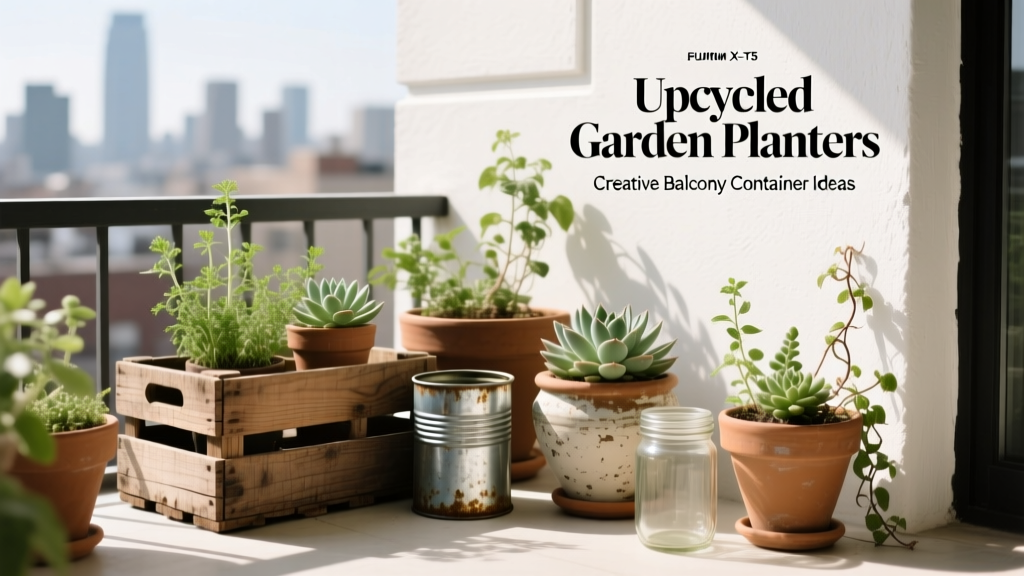 Upcycled Garden Planters: Creative Balcony Container Ideas
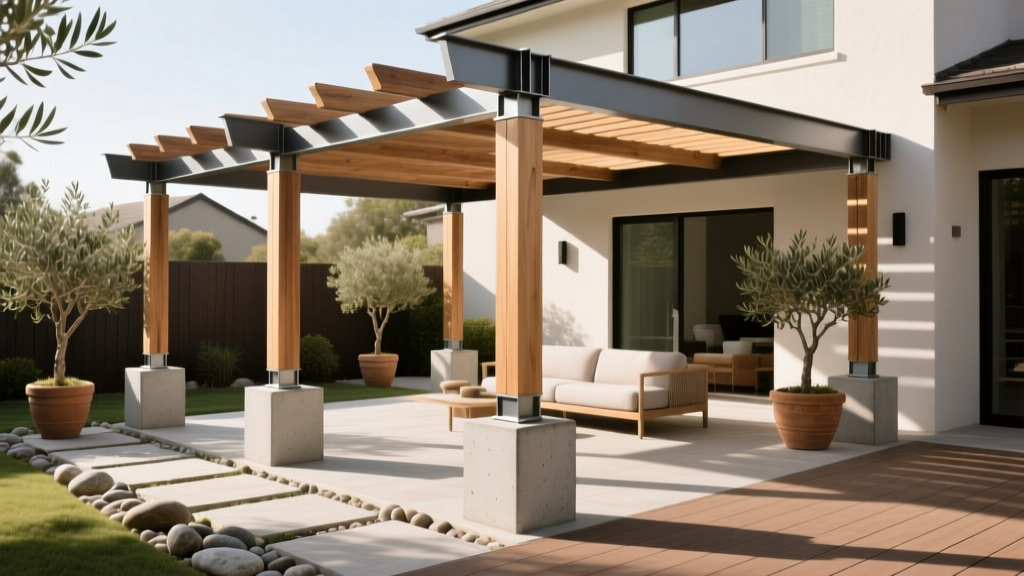 Outdoor Pergola Post Base Options - The Decor Mag
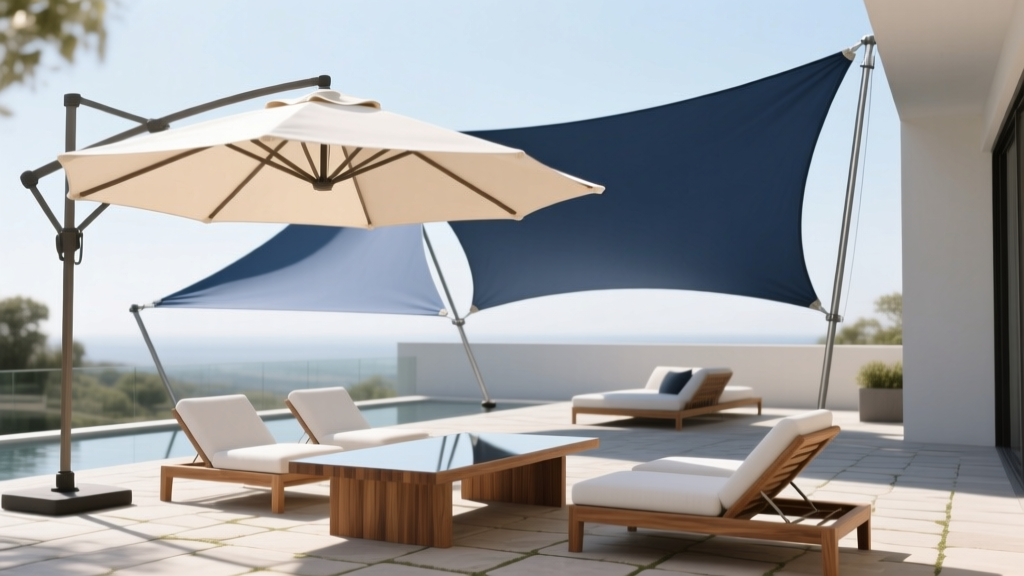 How to Choose Outdoor Umbrella or Sail Shade - The Decor Mag
 Smart, Stylish, and Sustainable Outdoor Storage Ideas for Modern Living Spaces
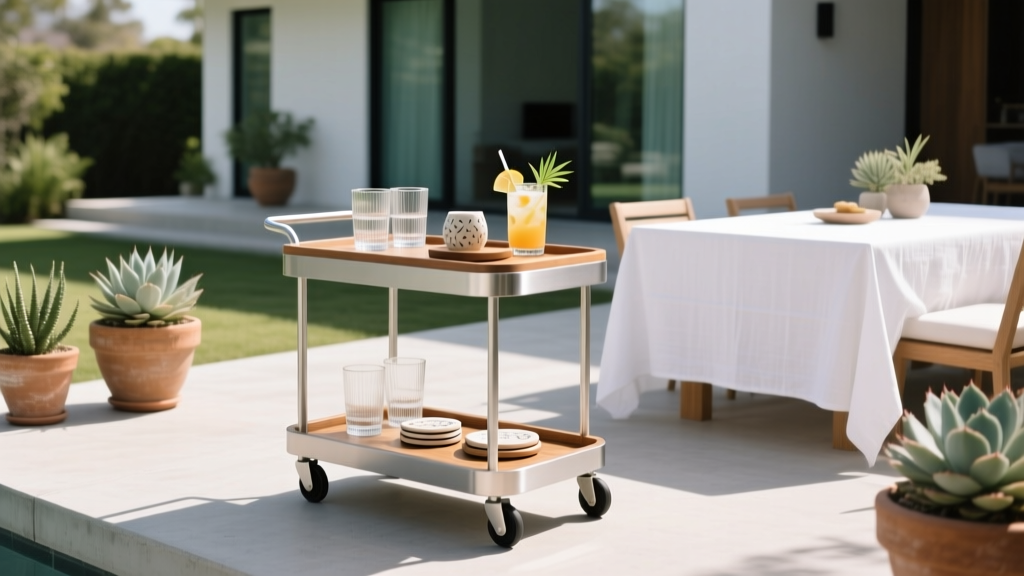 Best Outdoor Drink Tray Cart Ideas - The Decor Mag