How to Design a Mediterranean Courtyard - The Decor Mag
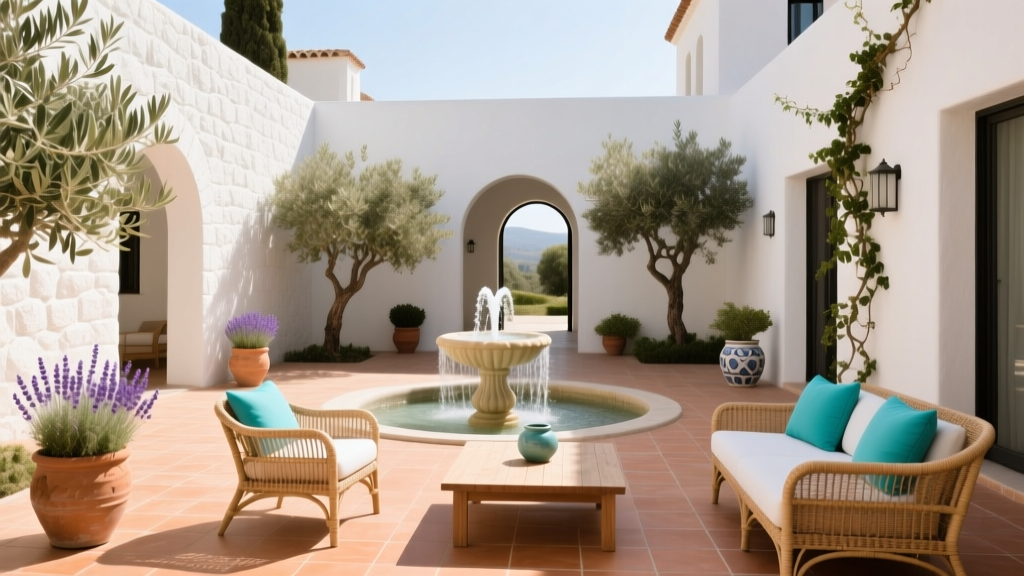
A Mediterranean courtyard has a special kind of magic: it feels sun-warmed and welcoming, even when you’re only stepping outside for five minutes. It’s an outdoor room that blends patio living, garden design, and relaxed entertaining—where textured stone, fragrant plants, and shaded seating make everyday life feel a little more like a getaway.
For homeowners, this style is more than a look. It’s a practical approach to outdoor living that prioritizes comfort, privacy, and year-round usability. Mediterranean design also plays beautifully with today’s landscaping trends: drought-tolerant planting, permeable surfaces, durable materials, and cozy zones for dining and lounging.
Whether you have a small urban courtyard, a side yard, or a larger enclosed patio, the Mediterranean approach is adaptable. With a few smart decisions—layout, hardscape materials, planting, and lighting—you can create a courtyard that feels layered, timeless, and effortless.
What Makes a Courtyard “Mediterranean”?
Mediterranean courtyard design is rooted in climates where outdoor life is central. The style draws inspiration from Spanish, Italian, Greek, Moroccan, and Southern French influences, but the fundamentals stay consistent: enclosure, shade, texture, and sensory planting.
Signature elements to aim for
- Enclosed or partially enclosed space (walls, hedges, fencing, or architecture)
- Natural, sun-friendly materials like stone, terracotta, limewash, and wood
- Courtyard layout with zones for dining, lounging, and circulation
- Water or focal features such as a fountain, urn, or sculptural planter
- Fragrant, drought-tolerant plants (lavender, rosemary, citrus, olive)
- Shade structures like pergolas, vines, umbrellas, and sail shades
- Warm lighting for nighttime patio living
Step 1: Start With Layout—Create an Outdoor Room
A Mediterranean courtyard should feel intentional, like a room without a roof. Before choosing furniture or plants, map how you’ll use the space. The best courtyard design relies on clear circulation and a focal point that anchors everything.
Simple layout principles that work in most courtyards
- Define a main zone (dining or lounging) and build around it.
- Keep pathways generous: aim for 36–48 inches wide for comfortable movement.
- Use a focal point: fountain, fire bowl, olive tree in a large pot, or a statement wall.
- Layer edges: planters, benches, and planting beds soften walls and fences.
Three courtyard layouts that feel authentically Mediterranean
- Central feature + surrounding seating: A small fountain or urn in the center with a dining set or lounge seating around it.
- Dining under shade: Place a table beneath a pergola or canopy at one end; add a lounging nook opposite for balance.
- Courtyard “spine”: A main pathway with planted borders and a seating area at the end like a destination.
Step 2: Choose the Right Hardscape Materials (Patio, Walls, and Details)
Hardscape is where Mediterranean style becomes instantly recognizable. Think sun-baked textures, warm neutrals, and surfaces that look better with time.
Best patio flooring options for Mediterranean courtyards
- Natural stone (limestone, travertine, sandstone): timeless, cool underfoot, high-end look.
- Terracotta pavers: classic Mediterranean warmth; seal to reduce staining.
- Clay brick: charming, durable, and great for herringbone patterns.
- Porcelain pavers in travertine/limestone looks: low maintenance, consistent color, excellent for freeze-thaw climates.
- Gravel with stone steppers: budget-friendly, permeable, and great for drought-focused landscaping (use stabilizing grid for comfort).
Material recommendations by climate
- Hot climates: light-colored limestone, travertine, or porcelain to reduce heat absorption; avoid very dark surfaces.
- Freeze-thaw climates: porcelain pavers, frost-rated brick, or dense natural stone; use proper base and drainage.
- Wet/humid climates: choose slip-resistant finishes; avoid highly porous terracotta unless well-sealed and covered.
Walls and finishes that bring Mediterranean character
- Limewash or mineral paint for a soft, chalky look (great on masonry and stucco).
- Stucco-style coatings for warmth and texture.
- Stone veneer accents used sparingly—think one feature wall, not the entire courtyard.
- Decorative tile as a border, stair riser detail, or fountain surround for a refined focal point.
Step 3: Build Shade and Comfort for Year-Round Outdoor Living
Mediterranean patio living is all about staying comfortable through sun, heat, and cool evenings. Shade isn’t an afterthought—it’s part of the architecture of the courtyard.
Shade solutions that look authentic
- Wood or metal pergola: train vines for dappled shade (grapevine, jasmine, bougainvillea in warm zones).
- Canvas sail shade: modern, affordable, and strong in sunny yards; choose warm neutrals.
- Market umbrella: easiest upgrade; pick a large canopy (9–11 ft) and sturdy base.
- Retractable awning: excellent for patios adjacent to the home for flexible seasonal coverage.
Extend the season with heat and soft lighting
- Heat: wall-mounted electric heaters for covered patios; gas tabletop fire bowls for ambiance; always verify clearance and local codes.
- Lighting: warm LED string lights under a pergola, lantern-style sconces, and low path lights for safe circulation.
- Textiles: outdoor curtains for shade and privacy; swap cushion covers seasonally for a fresh look.
Step 4: Pick Mediterranean Courtyard Plants (Fragrance, Texture, and Structure)
Planting is where the courtyard becomes immersive. Aim for a blend of evergreen structure, aromatic herbs, and seasonal color. Even small courtyards can feel lush when you plant vertically and use containers.
Signature Mediterranean plants (choose based on your USDA zone)
- Structural evergreens: olive (Olea europaea), Italian cypress (Cupressus sempervirens), bay laurel (Laurus nobilis)
- Fragrant herbs: rosemary, lavender, thyme, sage, oregano
- Flowering classics: geraniums (Pelargonium), lantana, salvia, gaura
- Climbers: star jasmine, bougainvillea (warm zones), climbing roses, grapevine
- Citrus (containers): Meyer lemon, kumquat—ideal for patios with winter protection
- Drought-tolerant texture: agave (with care near walkways), aloe, euphorbia, ornamental grasses
Container planting tips for a courtyard look
- Use oversized pots: terracotta, aged clay, or lightweight faux-terracotta for easier moving.
- Repeat shapes for cohesion (three matching pots along a wall looks instantly intentional).
- Layer heights: tall (olive/cypress), mid (lavender), trailing (creeping thyme).
- Plan for winter: wheeled plant caddies help move citrus and tender plants to shelter.
Seasonal planting strategy (so it looks good all year)
- Spring: add annuals like sweet alyssum and petunias in pots; refresh mulch/gravel.
- Summer: prioritize deep watering, shade cloth for heat waves, and deadheading for blooms.
- Fall: plant perennials, add cyclamen or pansies in mild climates, prune lightly.
- Winter: lean on evergreens, architectural branches, and warm lighting; cover sensitive containers.
Step 5: Choose Furniture That Feels Relaxed, Layered, and Durable
Mediterranean courtyard furniture should look inviting and handle sun exposure. Balance sturdy anchors (table, sofa) with flexible pieces (stools, poufs) for entertaining.
Best furniture styles and materials
- Wrought iron: classic for bistro sets; pair with cushions for comfort.
- Teak: weathers beautifully; great for dining and lounge seating.
- All-weather wicker (high-quality resin): works for lounge zones; choose warm, natural tones.
- Concrete or stone tables: gorgeous focal pieces; heavy and stable for windy courtyards.
- Built-in benches: space-saving and ideal along walls; add tailored cushions.
Courtyard furniture sizing guide
- Small courtyard: bistro table (24–30 in), two chairs, one slim bench, and a tall container focal plant.
- Medium courtyard: 6-person dining table (60–72 in) or a lounge set + café table for coffee.
- Large courtyard: separate dining and lounge zones; consider a daybed or sectional under a pergola.
Color palette and textiles
- Base neutrals: warm white, sand, taupe, soft gray.
- Mediterranean accents: terracotta, deep blue, olive green, saffron, rust.
- Patterns: subtle stripes, Moroccan-inspired geometrics, or classic tile motifs in small doses.
Step 6: Add Mediterranean Courtyard Details (Fountains, Fire, Lighting, and Decor)
The finishing touches are what make the courtyard feel transported—without becoming theme-y. Choose a few high-impact details and let materials and plants do the rest.
Focal features that elevate the entire design
- Wall fountain: perfect for small spaces; the sound softens city noise and adds calm.
- Freestanding bowl or urn fountain: easy retrofit; pair with gravel and a ring of herbs.
- Fire feature: a compact gas fire bowl for evening ambiance and shoulder-season warmth.
- Feature wall: limewashed stucco, niche shelves, or a simple tile panel behind a bench.
Lighting plan for courtyard ambiance
- Overhead glow: string lights or pendant lighting under a pergola (warm 2700K LEDs).
- Wall lighting: lantern-style sconces for authentic Mediterranean character.
- Path and step lights: low-level lighting improves safety and makes the courtyard usable year-round.
- Uplighting: highlight an olive tree, textured wall, or fountain for dramatic nighttime landscaping.
Budget Ranges: What a Mediterranean Courtyard Typically Costs
Courtyard costs vary by size and whether you’re doing a refresh or a full hardscape build. These ranges are broad, but they’ll help you plan.
- Budget refresh ($500–$3,000): gravel or rug refresh, bistro set, umbrellas, containers with herbs and lavender, string lights.
- Mid-range upgrade ($3,000–$15,000): new pavers or porcelain patio, pergola kit, upgraded dining set, irrigation improvements, several large planters.
- Full transformation ($15,000–$60,000+): custom hardscape, built-in seating, masonry walls, fountain installation, lighting plan, mature trees, outdoor kitchen or bar.
Climate and Maintenance Considerations
Water-wise landscaping and irrigation
- Drip irrigation is ideal for herbs, shrubs, and containers—efficient and targeted.
- Group plants by water needs (hydrozones) to avoid overwatering drought-tolerant varieties.
- Mulch or gravel reduces evaporation and keeps courtyard beds looking tidy.
Surface care and durability
- Seal porous materials (terracotta, some natural stones) to resist stains from food, wine, and leaf tannins.
- Choose slip-resistant finishes in rainy areas, especially around fountains or pools.
- Plan drainage: slight slopes, permeable joints, and proper base layers prevent puddling and shifting pavers.
Year-round comfort checklist
- Summer: shade + airflow (fan under pergola), light-colored patio surfaces, drought-tolerant planting.
- Winter: outdoor-rated heaters, layered textiles, evergreen structure, and warm lighting for cozy evenings.
Common Mistakes to Avoid
- Overdoing themed decor: a few tiles and terracotta pots go farther than a courtyard full of “Mediterranean” props.
- Ignoring scale: tiny planters get lost; choose fewer, larger containers for a grounded look.
- Not planning shade: full sun courtyards can become unusable in summer without pergolas, umbrellas, or vines.
- Choosing the wrong paving for your climate: freeze-thaw areas need frost-rated materials and proper installation.
- Planting without a maintenance plan: fast-growing vines and high-shedding trees can overwhelm small courtyard spaces.
- Forgetting lighting: Mediterranean style shines at night—layer your lighting for dining, paths, and focal points.
FAQ: Mediterranean Courtyard Design
What are the best plants for a Mediterranean courtyard that gets full sun?
Lavender, rosemary, thyme, sage, lantana, salvia, olive trees (in suitable climates or containers), and ornamental grasses thrive in sun and handle heat well. Add drip irrigation for the first season while roots establish.
Can I create a Mediterranean courtyard in a cold climate?
Yes. Use hardy evergreens and cold-tolerant perennials, prioritize porcelain pavers or frost-rated stone/brick, and lean on containers so you can overwinter tender plants (like citrus) indoors. Lighting and a heat source help extend patio living into fall and winter.
What’s the easiest way to make my patio feel more Mediterranean without remodeling?
Start with terracotta or stone-look planters, a simple bistro set, warm outdoor lighting, and fragrant herbs. Add one focal element—like a wall fountain or a limewashed feature wall—then layer textiles in warm neutrals with a deep blue accent.
Are fountains high maintenance in a courtyard?
Most small courtyard fountains are manageable with routine care: keep water topped up, clean the pump filter, and use an algae treatment as needed. In freezing climates, plan to winterize and cover the feature.
What colors work best for Mediterranean outdoor design?
Warm whites, sand, and taupe create the base. Terracotta, rust, olive green, and deep ocean blues add classic Mediterranean character. Keep patterns selective so the courtyard feels elevated rather than busy.
Next Steps: Bring Mediterranean Patio Living to Your Home
Start by choosing your courtyard’s “anchor”: a shaded dining area, a lounging nook, or a fountain focal point. Then select hardscape materials that suit your climate, layer in fragrant plants and containers, and finish with lighting and textiles that make the space inviting after sunset. A Mediterranean courtyard doesn’t require a massive renovation—just a clear plan and a few high-impact choices.
For more outdoor living inspiration, courtyard ideas, patio design guides, and landscaping tips, explore the latest at thedecormag.com.
More Articles
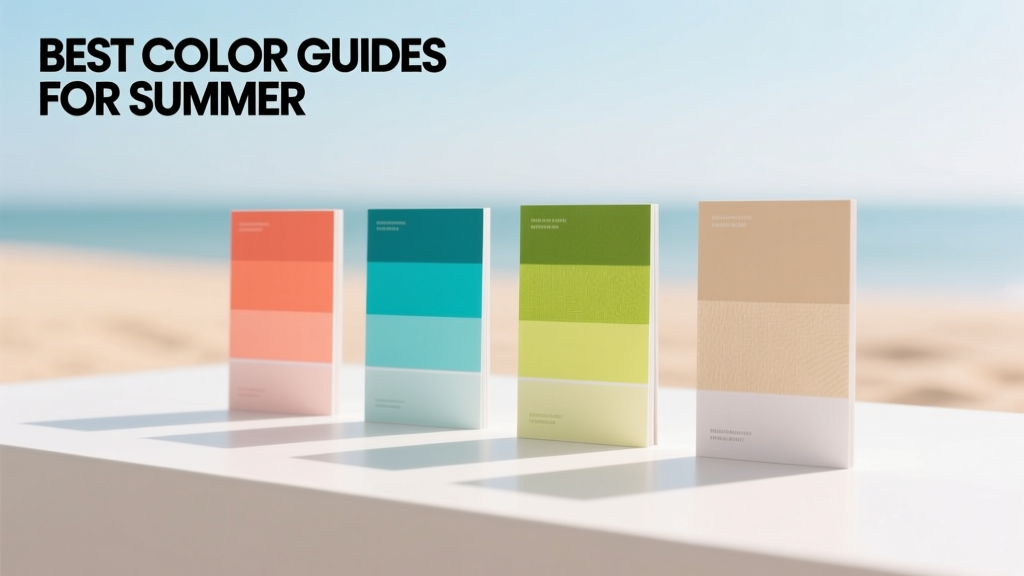 Best Color Guides for Summer: Science-Backed Palettes for Outdoor Living Spaces
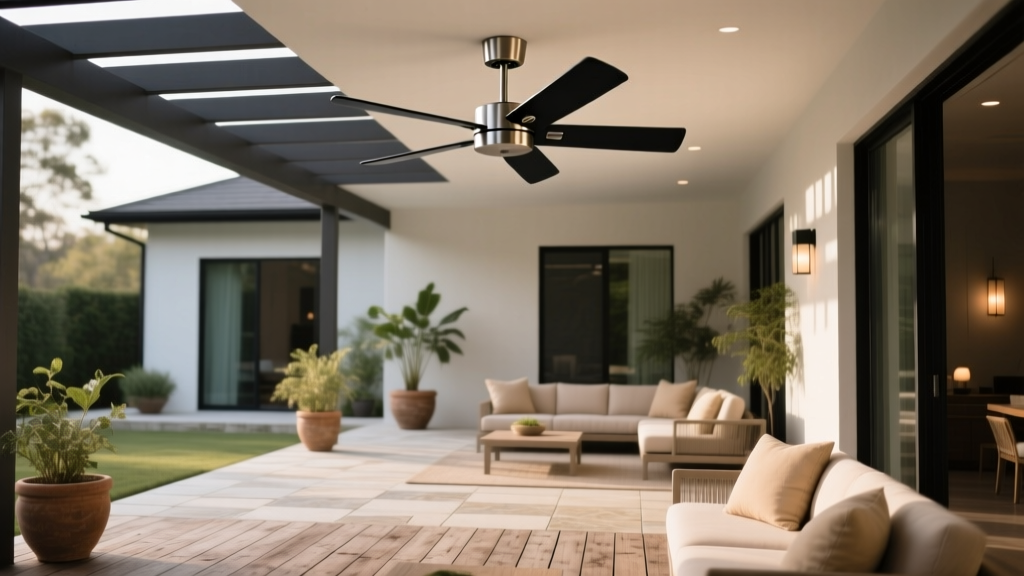 Best Outdoor Ceiling Fan for Covered Patios - The Decor Mag
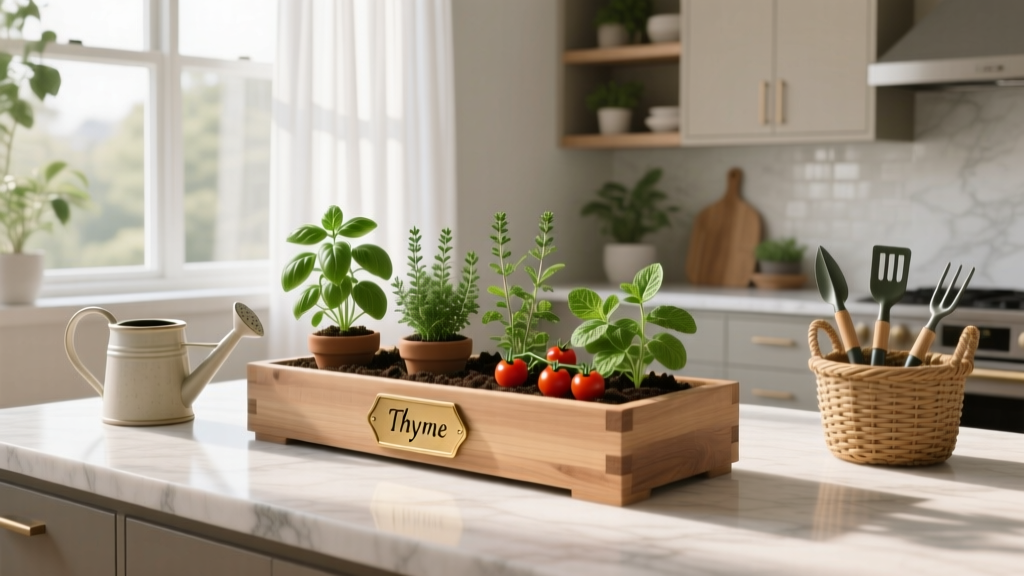 How to Create a Kitchen Garden - The Decor Mag
 Outdoor Bar and Beverage Station Ideas - The Decor Mag
 Outdoor Kitchen Storage Cabinet Guide - The Decor Mag
 How to Design a Native Plant Garden - The Decor Mag
 How to Create a Lasagna Garden Bed - The Decor Mag
 How to Create a Moss Garden - The Decor Mag
 Outdoor Pavilion Projector Screen Setup - The Decor Mag
 Outdoor Shower Design Ideas - The Decor Mag