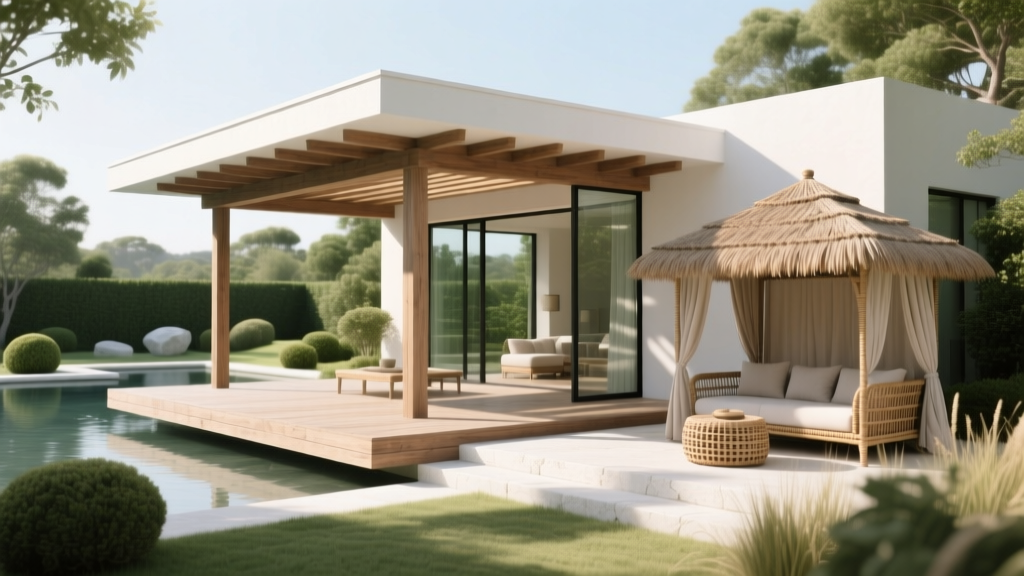
Outdoor Pavilion and Cabana Structures - The Decor Mag
An outdoor living space can feel “finished” the moment you add a roofline—something that frames the sky, casts shade where you need it, and creates a destination in the yard. That’s why outdoor pavilions and cabanas have become go-to upgrades for homeowners who want a patio that functions like a true open-air room. These structures expand how you use your garden, pool area, or backyard entertaining zone, from sunny weekend brunches to cozy fall evenings.
A well-designed pavilion or cabana also solves the most common outdoor comfort problems: harsh afternoon sun, sudden rain, lack of privacy, and nowhere to mount lighting, fans, or heaters. With the right materials, layout, and furnishings, you can create year-round outdoor living that looks intentional—like it was always meant to be part of your landscape design.
Pavilion vs. Cabana: What’s the Difference?
Outdoor Pavilion Basics
An outdoor pavilion is typically a freestanding, roofed structure with open sides. Think of it as a covered “great room” for your patio—ideal for dining, lounging, outdoor kitchens, and hosting.
- Best for: Dining sets, outdoor living rooms, hot tubs, outdoor kitchens, fire features
- Look and feel: Architectural, airy, expansive
- Placement: Patio centerpieces, garden focal points, extensions of a deck
Cabana Basics
A cabana is usually more enclosed than a pavilion and often tied to poolside living. Cabanas frequently include partial walls, privacy curtains, built-in storage, and sometimes plumbing or electricity for a mini bar, shower, or changing area.
- Best for: Poolside shade, changing/lounge areas, outdoor bar setups, guest-ready retreats
- Look and feel: Resort-inspired, private, cozy
- Placement: Near a pool, tucked into a corner of the yard, or as a garden hideaway
Planning Your Structure: Size, Location, and Layout
Right-Sizing for How You Live Outdoors
The best outdoor pavilion and cabana designs start with furniture footprints, not roof dimensions. Measure the pieces you want (including room to circulate) before finalizing your structure size.
- Outdoor dining pavilion: 12' x 14' minimum for a 6-seat table; 14' x 18' for 8 seats plus serving space
- Lounge pavilion: 12' x 12' for a compact seating group; 14' x 20' for a sectional + coffee table + side chairs
- Pool cabana lounge: 10' x 12' works for two loungers or a daybed; 12' x 16' for lounge + bar/storage wall
Placement Tips That Improve Comfort
Where you place your pavilion or cabana determines how often you’ll use it. Evaluate sun patterns, prevailing wind, and views from both indoors and the yard.
- Chase shade intelligently: In hot climates, prioritize afternoon shade (west sun is the toughest). In cooler climates, allow filtered sun to warm the space.
- Align with your indoor flow: Place near your kitchen or main living area for easy entertaining and fewer trips.
- Think privacy and noise: Use a cabana to screen a pool from neighbors or to buffer street noise with planted borders.
- Plan for utilities: If you want lighting, fans, heaters, or an outdoor kitchen, coordinate electrical and gas runs early.
Great Layout Ideas
- Outdoor living room pavilion: Sofa/sectional facing a fireplace or TV wall; dining nearby on the open patio
- Kitchen pavilion: Grill + prep counter along one edge; dining table centered; bar seating along the perimeter
- Poolside cabana: Daybed or sectional inside; towel storage + mini fridge; outdoor shower around the corner
- Garden pavilion: Bistro table + lounge chairs surrounded by fragrant plantings for a quiet retreat
Materials and Construction Options (with Practical Recommendations)
Framing: Wood, Vinyl, Aluminum, or Steel?
- Cedar: Naturally rot-resistant, beautiful grain, great for classic landscaping styles. Needs sealing/staining every 2–4 years depending on exposure.
- Pressure-treated pine: Budget-friendly and strong. Best when wrapped/clad or painted; plan for maintenance and potential warping over time.
- Redwood: Premium look and durability in many climates; higher cost and availability varies.
- Powder-coated aluminum: Low maintenance, modern profiles, excellent for humid and coastal environments.
- Steel (powder-coated or galvanized): Sleek and very strong for larger spans; ensure corrosion protection, especially near salt air.
Roofing: The Comfort Multiplier
Your roof choice affects heat, sound, and longevity.
- Standing-seam metal: Long lifespan, crisp modern look, great for rain and snow shedding. Add a radiant barrier or insulated roof panels in hot climates.
- Architectural shingles: Easy to match your home for a cohesive outdoor design. Consider a higher pitch for snow regions.
- Polycarbonate panels: Bright, lightweight, contemporary. Choose UV-protected, heat-reducing options; can be louder in rain.
- Thatched/synthetic thatch (cabana vibe): Resort feel; ensure fire ratings and local code compliance.
Flooring and Foundations
- Paver patio base: Excellent for drainage and flexible design; use polymeric sand and proper base compaction.
- Concrete slab: Stable and cost-effective; upgrade with broom finish, stamped patterns, or stain for style.
- Composite decking: Great when integrating with an existing deck; choose capped composite for stain resistance.
- Natural stone: Premium look; choose slip-resistant finishes near pools (thermal bluestone, tumbled travertine, textured granite).
Design Details That Feel High-End
- Ceiling finish: Tongue-and-groove cedar, painted beadboard, or stained plywood soffit for a clean, finished look
- Posts: Boxed columns or stone veneer bases to visually anchor the structure
- Lighting: Dimmable LED downlights + a statement pendant over dining + warm path lights nearby
- Shade layers: Outdoor curtains, roller shades, or slatted privacy panels for sun and neighbor control
Furniture and Styling: What to Put Under a Pavilion or Inside a Cabana
Weather-Smart Furniture Recommendations
Choose outdoor furniture materials that match your climate and how much upkeep you want.
- Powder-coated aluminum: Lightweight, rust-resistant, ideal for coastal and humid areas
- Teak: Beautiful and durable; allow it to silver naturally or maintain with teak sealer
- All-weather wicker (HDPE resin): Comfortable and classic; verify UV rating and sturdy frames
- Outdoor upholstery: Look for solution-dyed acrylic (like Sunbrella-style fabrics) and quick-dry foam cushions
Best Layouts for Comfort and Flow
- Conversation group: Sofa + two chairs + 36–48" coffee table; keep 18" between seating and table edges
- Dining zone: Allow 36" behind chairs for pull-back clearance; add a buffet console if space permits
- Cabana lounging: Daybed or deep sectional + side tables + covered storage for towels and cushions
Outdoor Accessories That Make It Feel Like a Room
- Outdoor rug: Polypropylene flatweave for easy cleaning
- Layered lighting: String lights for sparkle, sconces for structure, lanterns for warmth
- Side tables: At least one per two seats—this is the easiest comfort upgrade
- Storage: Deck boxes or built-ins to protect cushions and extend their life
Plants and Landscaping Around Pavilions and Cabanas
The structure is the anchor; the landscape design makes it feel integrated. Use plants to soften posts, guide views, and improve privacy.
Planting Ideas by Function
- Privacy screening: Arborvitae (‘Green Giant’), clumping bamboo (non-invasive varieties), podocarpus (warm climates), wax myrtle
- Fragrant borders: Lavender, rosemary, gardenia (warm climates), jasmine on trellises, sweet alyssum in pots
- Color near seating: Hydrangea (part shade), salvia, coneflower, lantana (heat tolerant), boxwood + seasonal annuals
- Poolside tough plants: Agave (where appropriate), ornamental grasses, society garlic, dwarf palms, bougainvillea (warm climates, thorn awareness)
Container Plant Combos That Look Designer
- Modern: Black pots + dwarf olive (or boxwood) + white bacopa + trailing dichondra
- Coastal: Large terracotta + palm + white mandevilla on a trellis
- Cottage: Mixed herbs (rosemary, thyme, basil) + calibrachoa spillers
Climate, Seasonal Comfort, and Year-Round Outdoor Living
Hot and Sunny Climates
- Prioritize shade: Add extended overhangs, exterior roller shades, or privacy slats on the west side
- Keep it cooler: Light-colored roofing, ceiling fans, and vented roof designs reduce heat buildup
- Material picks: Aluminum frames, UV-resistant fabrics, porcelain pavers (cooler underfoot than some stones)
Cold, Snowy, or Windy Regions
- Structure engineering: Confirm snow-load and wind ratings; increase pitch for shedding snow
- Add warmth: Infrared heaters, a fireplace or fire pit nearby, and wind-blocking panels or curtains
- Furniture strategy: Use storage benches and waterproof cushion bins to protect textiles during storms
Humid, Rainy, and Coastal Areas
- Choose rot- and rust-resistant materials: Cedar, teak, aluminum, stainless hardware (316 stainless near salt air)
- Ventilation matters: Keep sides open where possible; avoid trapping moisture
- Mildew prevention: Quick-dry cushions, breathable covers, and routine cleaning with gentle soap
Budget Ranges: What Outdoor Pavilions and Cabanas Typically Cost
Costs vary by size, materials, site conditions, and whether you add electrical, lighting, or an outdoor kitchen. These ranges help set expectations for a patio living upgrade.
- DIY kit pavilion (basic): $3,000–$10,000 (often excludes foundation and electrical)
- Mid-range prefab pavilion/cabana (installed): $10,000–$25,000
- Custom pavilion with lighting/fan: $25,000–$60,000
- High-end cabana with plumbing, bar, or changing room: $60,000–$150,000+
Budget tip: If you’re choosing between a larger footprint and premium finishes, prioritize roof quality, structural durability, and lighting. You can always upgrade furniture and accessories over time.
Maintenance Checklist: Keep It Looking New
- Monthly (in season): Sweep floors, wipe surfaces, check for loose fasteners, clean outdoor rugs
- Twice per year: Wash roof and gutters (if present), clean light fixtures, check seals and flashing
- Every 2–4 years (wood structures): Re-stain or re-seal depending on sun and rain exposure
- After major storms: Inspect roof panels/shingles, check posts and anchors, reset pavers if needed
Common Mistakes to Avoid
- Building too small: Crowded seating makes a pavilion feel like an obstacle, not a destination.
- Ignoring the sun: A gorgeous cabana placed in full west sun can be unusable in summer without shade layers.
- Skipping lighting plans: Without layered lighting, your outdoor living space goes dark early—even if the structure is perfect.
- Wrong materials for the climate: Untreated steel near the coast or high-maintenance wood in constant humidity leads to frustration.
- No drainage plan: Water pooling around posts, slabs, or pavers shortens the life of the structure and the patio.
- Forgetting storage: Cushions left exposed age quickly; add a bench, cabinet, or deck box from the start.
FAQ: Outdoor Pavilion and Cabana Structures
Do I need a permit for a pavilion or cabana?
Often, yes—especially for larger structures, electrical work, or permanent foundations. Check local building codes and HOA guidelines before purchasing a kit or starting a custom build.
What’s the best roof for year-round outdoor living?
For four-season performance, standing-seam metal and architectural shingles are top choices. Pair them with a finished ceiling, proper flashing, and optional insulation or radiant barriers for comfort.
How do I make a cabana feel private without closing it in?
Use a combination of outdoor curtains, slatted wood or composite privacy screens, tall planters, and layered landscaping (ornamental grasses + evergreen shrubs) to create enclosure while keeping airflow.
What furniture holds up best outdoors?
Powder-coated aluminum, teak, and HDPE all-weather wicker are reliable. For cushions, choose solution-dyed acrylic fabrics and quick-dry inserts for better resistance to fading and mildew.
Can I add a pavilion over an existing patio?
In many cases, yes—if the patio’s foundation and drainage are sound and the structure can be properly anchored. A contractor may recommend added footings or reinforcement depending on soil and wind requirements.
How can I extend pavilion use into cooler seasons?
Add infrared heaters, wind-blocking curtains or panels, a fire pit nearby, and layered lighting. Swap in thicker throws and weather-resistant lounge seating to keep the space inviting into fall and winter.
Next Steps: Turn Your Backyard Into a Destination
Start by deciding how you want to live outdoors—dining, lounging, poolside retreat, or outdoor kitchen—and measure furniture footprints before you finalize structure size. Then choose climate-smart materials, plan lighting and power early, and use landscaping to blend the pavilion or cabana into the rest of your patio and garden design.
Ready for more outdoor living inspiration, landscaping ideas, and patio upgrades? Explore more guides and design ideas on thedecormag.com.
More Articles
 Best Outdoor Bar Garnish Tray Ideas - The Decor Mag
 Best Outdoor Bar Bottle Opener Mount - The Decor Mag
 Best Outdoor Rocking Chair Picks - The Decor Mag
 Safety vs Scheme: Balancing Aesthetic Vision with Real-World Outdoor Living Protection
 The Outdoor Living Room Tools Checklist: Essential Gear for Designing, Building, and Maintaining Your Backyard Living Space
 Outdoor Pergola Integrated Speaker System - The Decor Mag
 Best Outdoor Beverage Tub Options - The Decor Mag
 Best Outdoor Bar Napkin Holder Ideas - The Decor Mag
 How to Design a Fragrant Garden Path - The Decor Mag
 Outdoor Kitchen Pizza Stone Installation - The Decor Mag