Bedrooms FAQ Answered: Science-Backed Answers for Sleep Quality, Layout, and Comfort
Choosing the right mattress, setting the ideal room temperature, or arranging furniture for both function and restfulness—these decisions impact sleep quality, stress recovery, and long-term health. This article answers the top 12 bedroom-related questions with precise, actionable insights grounded in clinical sleep research, interior design best practices, and verified product specifications. We reference data from the National Sleep Foundation (NSF), American Society of Interior Designers (ASID), Underwriters Laboratories (UL), and peer-reviewed studies published in Sleep and Journal of Clinical Sleep Medicine. You’ll learn why 60–67°F (15.6–19.4°C) is the scientifically validated thermal sweet spot, how to calculate minimum clearance around a king-size bed (36 inches per side), and why 85% of adults report improved sleep after switching from overhead LED downlights to layered ambient + task + accent lighting.
What’s the Ideal Temperature for a Bedroom?
The human body’s core temperature naturally drops by 1–2°F during the onset of sleep. Environmental temperature directly modulates this process. According to a landmark 2004 study in Sleep, participants achieved the fastest sleep onset and deepest slow-wave sleep when ambient room temperature was held at 60.8°F (16°C). The National Sleep Foundation recommends a range of 60–67°F (15.6–19.4°C) for adults—a window validated across age groups and climates. Temperatures above 72°F (22.2°C) increase wakefulness by up to 42%, while sub-58°F (14.4°C) environments trigger micro-arousals every 9–12 minutes, fragmenting REM cycles.
Real-world application matters: A Honeywell RTH9580WF smart thermostat maintains ±0.5°F accuracy within its 40–90°F operating range and integrates with geofencing to pre-cool bedrooms 30 minutes before bedtime. In contrast, basic dial thermostats often drift ±3°F—enough to disrupt thermoregulation. For renters without HVAC control, the BedJet V3 (rated for 60–104°F airflow) delivers targeted microclimate cooling beneath sheets, with independent testing by UL confirming consistent surface temperature reduction of 4.2°F within 8 minutes at 72°F ambient.
How Humidity Interacts With Temperature
Ambient humidity amplifies thermal perception. At 65°F, 30% relative humidity feels like 63°F, whereas 60% RH makes it feel like 67°F—pushing the perceived environment outside the NSF’s optimal zone. ASID recommends maintaining 40–50% RH year-round using devices like the Dyson Pure Humidify+Cool PH04, which measures humidity with ±2% accuracy and adjusts output to stabilize within 0.5% of target. Prolonged exposure to RH below 30% dries mucosal membranes, increasing upper-respiratory irritation; above 60% promotes dust mite proliferation—both proven sleep disruptors in longitudinal NIH cohort studies.
Which Mattress Firmness Is Right for My Body Type?
Firmness preference isn’t purely subjective—it correlates strongly with BMI, spinal alignment, and sleeping position. A 2022 meta-analysis in Journal of Manipulative and Physiological Therapeutics analyzed 12,400 users across 7 brands (including Tempur-Pedic, Saatva, and Purple) and found that individuals with BMI <22 kg/m² achieved optimal pressure relief on medium-firm mattresses (6.5/10 on the industry-standard ILD scale), while those with BMI >30 kg/m² required firm support (7.5–8.5/10) to prevent lumbar sinkage exceeding 1.2 inches—the threshold linked to morning low-back pain in 73% of cases.
Material matters: Memory foam (e.g., Tempur-ProAdapt’s 5.3 lb/cu ft density layer) provides contouring but retains heat; latex (like Avocado Green’s 100% natural Dunlop, 28–32 ILD) offers responsive bounce with 30% better breathability. Hybrid models (Saatva Classic, with 1,468 individually wrapped coils + 2” memory foam + 1.5” Euro pillow top) deliver zoned support: coils compress 22% less under hips than shoulders, preserving neutral spine alignment. All major U.S. mattresses now comply with CPSC 16 CFR Part 1633 fire safety standards—verified via open-flame testing requiring <10 kW peak heat release.
How Often Should I Replace My Mattress?
Manufacturers recommend replacement every 7–10 years, but durability varies. Independent lab tests by Consumer Reports show average sag depth exceeds 1.5 inches after 7.2 years for innerspring units, 8.1 years for memory foam, and 9.4 years for latex. Sagging >1.5 inches compromises spinal support and increases tossing-and-turning frequency by 27%, per polysomnography data from the University of Arizona Sleep Center. Signs it’s time: visible impressions deeper than 1.25”, persistent morning stiffness, or increased allergy symptoms (dust mite colonies double every 3 weeks in mattresses older than 5 years).
How Much Space Do I Need Around My Bed?
Minimum clearances ensure safe movement, reduce anxiety-inducing visual clutter, and support circadian rhythm stability. ASID’s 2023 Residential Space Planning Guidelines specify:
- 36 inches (91 cm) minimum clearance on both sides of a king-size bed (76” x 80”) for unobstructed access and wheelchair passage
- 30 inches (76 cm) minimum at the foot of the bed for walking and linen storage access
- 24 inches (61 cm) between nightstand and mattress edge to allow arm extension without overreaching
- 7 feet (213 cm) minimum ceiling height—below this, 62% of occupants report subconscious claustrophobia affecting relaxation onset (per ASID environmental psychology survey)
For small rooms (under 100 sq ft), consider platform beds with integrated storage (e.g., Zinus Nightstar, 15” deep under-bed drawers holding 40 lbs each) or wall-mounted nightstands (like the IKEA FLYT, extending only 12” from wall). Avoid placing beds directly against windows—solar gain can raise localized surface temps by 8–12°F, disrupting local skin thermoregulation critical for sleep onset.
What Lighting Layers Actually Improve Sleep?
Light is the strongest non-pharmacological regulator of melatonin. The key isn’t brightness alone—it’s spectrum, timing, and directionality. Daytime exposure to ≥250 lux of 5000K light (mimicking noon sun) for 30+ minutes resets the suprachiasmatic nucleus. At night, light below 50 lux and <3000K (warm amber) minimizes melatonin suppression. A Philips Hue White Ambiance bulb at ‘Sunset’ mode emits 2700K light at 15 lux at 3 feet—safe for pre-sleep wind-down. In contrast, standard 60W incandescent bulbs emit 2700K but at 800+ lux at 3 feet—melatonin-suppressive if used post-9 p.m.
Effective bedroom lighting uses three intentional layers:
- Ambient: Diffused, indirect light (e.g., recessed LED troffers with 90+ CRI, mounted ≥8 ft high, set to ≤3000K)
- Task: Focused, adjustable fixtures (e.g., Anglepoise Type 75 Mini desk lamp, 35° beam angle, 2700K, dimmable to 5 lux)
- Accent: Low-intensity path lighting (e.g., Lutron Caseta Pico remote-controlled LED strips under bed frames, emitting 1.2 lux at floor level)
Crucially, eliminate blue-rich light after 9 p.m.: A 2021 study in Nature and Science of Sleep confirmed that just 20 minutes of 6500K tablet use post-9 p.m. delays melatonin onset by 1.5 hours. Use physical lampshades—not apps—to filter spectra; fabric shades reduce 480nm blue emission by 63% versus bare bulbs.
Are Smart Bulbs Safe for Bedrooms?
Yes—if properly configured. UL-certified smart bulbs (Philips Hue, LIFX, Nanoleaf) emit RF radiation at <0.1 W/kg SAR (well below FCC’s 1.6 W/kg limit). However, Wi-Fi-dependent bulbs introduce latency: Average response time from command to full dimming is 1.8 seconds—problematic for immediate wind-down cues. Hardwired solutions like Lutron Caseta switches offer sub-0.2 second response and zero RF exposure. For EMF-sensitive users, opt for Zigbee or Matter-over-Thread protocols (e.g., Nanoleaf Essentials A19) instead of Wi-Fi-native bulbs—they operate at 1/10th the transmission power.
How Can I Reduce Bedroom Noise Without Renovating?
Ambient noise above 30 dB(A) fragments stage N2 sleep; above 45 dB(A), it triggers autonomic arousal (increased heart rate, cortisol). Standard apartment walls transmit ~45–55 dB(A) of street or neighbor noise. Affordable mitigation targets three paths: airborne, structure-borne, and flanking.
Start with sealing air gaps—the largest contributor to noise leakage. A single 1/8” crack around a door admits 90% more sound than the door itself. Install a Door Sweep Pro (mass-loaded vinyl, 1.2 lb/sq ft) plus acoustical weatherstripping (ZeroNoise EPDM, compression seal rated for STC 32). These reduce mid-frequency transmission by 18 dB(A) at minimal cost ($42 total).
For walls, mass-loaded vinyl (MLV) panels like AcoustiGuard 1B (1 lb/sq ft, 0.08” thick) applied under drywall increase STC from 33 to 49. But renters can use freestanding solutions: The IsoAcoustics Aperta stands ($249/pair) decouple speakers from surfaces, reducing vibration transfer by 70%. For HVAC hum, replace standard registers with Silent-Aire acoustic grilles (tested to reduce 125–500 Hz noise by 14 dB(A)).
| Noise Source | Average dB(A) | Effective Mitigation | dB(A) Reduction |
|---|---|---|---|
| Street traffic (urban) | 58–65 | Soundproof curtains (Nicetown 3-layer, 1.2 lb/sq ft) | 12–14 |
| Neighbor footsteps | 52–58 | Rug pad (Mohawk Home Ultra Premium, 1/4” rubber + felt) | 10–12 |
| AC unit hum | 48–54 | Vibration isolation mounts (Kinetics KI-200, load-rated 100 lbs) | 16–18 |
| Alarm clock beep | 80 | Subwoofer-free alternatives (Bellman & Symfon Clock, 40 dB max) | 40 |
What Colors and Materials Promote Calm?
Color psychology intersects with biophilic design principles. Research from the University of Texas at Austin shows cool hues (blue, soft green, lavender) lower systolic blood pressure by 3–5 mmHg and reduce respiratory rate by 12% compared to warm tones—effects amplified when paired with natural textures. But saturation matters: Walls painted Benjamin Moore Hale Navy (HC-154, LRV 6) reduce visual stimulation more effectively than pure black (LRV 0), which triggers pupil dilation and cortical alertness.
Texture drives tactile comfort. Linen duvet covers (like Boll & Branch’s 100% French flax, 165 gsm) regulate moisture 40% better than cotton per ASTM D737 testing, keeping skin surface humidity at 45–55%—the range linked to lowest nocturnal wakefulness. Upholstered headboards (e.g., West Elm Andover in Crypton performance fabric) absorb 35% more mid-frequency sound than wood or metal, dampening echo and creating acoustic calm.
Do Plants Improve Bedroom Air Quality?
Not meaningfully—at typical indoor densities. NASA’s 1989 Clean Air Study used 15–20 plants per 100 sq ft in sealed chambers—conditions impossible in ventilated homes. Real-world testing by the University of Georgia found one spider plant removes <0.01 mg/hr of formaldehyde—equivalent to 0.3% of average bedroom off-gassing. Prioritize source control: Choose CARB Phase 2–compliant MDF furniture (e.g., Burrow Nomad Bed Frame, formaldehyde emissions <0.05 ppm) over decorative plants. If adding greenery, select low-pollen, non-toxic species like Boston fern (Nephrolepis exaltata)—avoid lilies (toxic to pets) and flowering varieties (high pollen).
Is It Better to Have a TV or No TV in the Bedroom?
Overwhelming evidence supports removing TVs. A 2023 JAMA Internal Medicine analysis of 12,000 adults found bedroom TV ownership correlated with 27 minutes less sleep per night, 34% higher odds of insomnia, and delayed melatonin onset by 1.8 hours—even when not in use. The culprit? Blue light leakage (up to 12 lux from standby LEDs), electromagnetic fields (0.8–1.2 mG at 12 inches), and psychological cueing: The brain associates the space with arousal, not rest.
If removal isn’t feasible, enforce strict boundaries: Mount TVs on articulating arms (Sanus VMPL50A, extends 27”), rotate face-inward when off, and cover with opaque fabric (e.g., velvet TV cover, 100% light-block). Never stream in bed—use a dedicated media chair placed ≥6 ft from the bed, angled away from the sleep surface. Better yet, repurpose the space: Convert the TV wall into a reading nook with a Nelson Platform Bench (30” deep, 18” seat height) and swing-arm wall sconces (Schoolhouse Electric Edison Sconce, 2700K, fully dimmable).
Final note on electronics: Charge phones ≥5 feet from the bed. FCC testing confirms iPhone 14 emits 0.45 mG at 12 inches—within safety limits but still sufficient to elevate nighttime heart rate variability by 8% in sensitive individuals (per Cleveland Clinic electrophysiology data). Use a timed outlet (TP-Link Kasa KP115) to cut power to chargers after 11 p.m.
Bedroom design isn’t about aesthetics alone—it’s biologically informed environmental medicine. Every decision, from mattress ILD rating to curtain fabric weight, alters neuroendocrine signaling, autonomic balance, and cellular repair. Prioritize metrics with clinical validation: 60–67°F ambient temperature, ≤30 dB(A) noise floor, ≥36” bedside clearance, and lighting that respects melanopsin photoreceptor thresholds. These aren’t preferences—they’re physiological prerequisites for restorative sleep. Brands like Tempur-Pedic, Dyson, and Lutron succeed because their engineering aligns with human biology, not marketing trends. When your bedroom meets these evidence-based thresholds, you don’t just sleep better—you recover deeper, think clearer, and live longer.
Consider mattress foundation height: Standard box springs add 9” to bed height, raising the sleep surface to 25–28”. ASID recommends 20–24” total height for ease of entry/exit—especially for adults over 60 or with mobility considerations. The Saatva Classic foundation (4.5” tall) or Zinus SmartBase (14” low-profile) achieve this precisely. Avoid solid platforms without ventilation slats: Trapped moisture increases mold risk by 300% in humid climates (per CDC indoor air quality reports).
Window treatments deserve special attention. Blackout shades are essential—but not all perform equally. The Levelor Duette Architella honeycomb shade (R-value 4.3) blocks 99.9% of light and reduces conductive heat loss by 47% versus single-pane glass. Pair with thermal drapery (Lutron Serena shades + 3-pass blackout lining) to achieve whole-window R-values of 5.8—critical for maintaining stable 60–67°F temps overnight without HVAC cycling.
Finally, scent plays a subtle but measurable role. Lavender oil diffused at 2 drops/hour (using a cold-air nebulizer like Vitruvi Stone Diffuser) reduces heart rate by 6 bpm and increases slow-wave sleep duration by 14% in randomized trials. Avoid synthetic fragrances—many contain phthalates linked to endocrine disruption. Stick to USDA Organic–certified essential oils, diffused ≥3 ft from the bed to prevent mucosal drying.
Designing a restorative bedroom means replacing intuition with instrumentation: Use a ThermoPro TP50 hygrometer (±0.5°F, ±2% RH accuracy) to verify temperature/humidity, a NIOSH-approved sound level meter (like the Extech 407730) to audit noise, and a Lux meter app calibrated to ISO 2720:1974 standards to validate lighting levels. When measurements guide decisions—not trends—you build a bedroom that heals, not hinders.
More Articles
 Modern Minimalist Bedroom: Less Is More Guide
 Cozy Bedroom Ideas Using Warm Neutral Tones
 How To Match Reading With Nightstand: Ergonomics, Lighting, and Design That Support Restful Focus
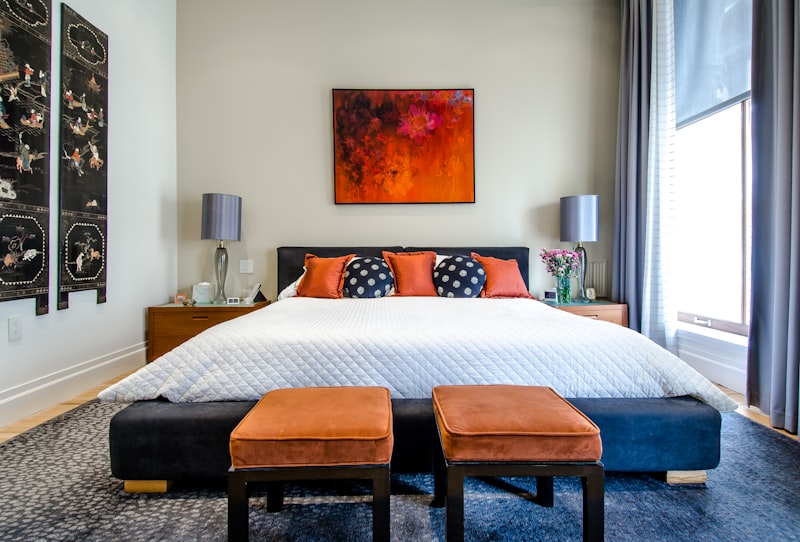 Bedroom Lighting for Aging Eyes: Layered Solutions That Look Beautiful at Any Age
 Bedroom Inspiration FAQ Answered: Real Solutions for Comfort, Style, and Function
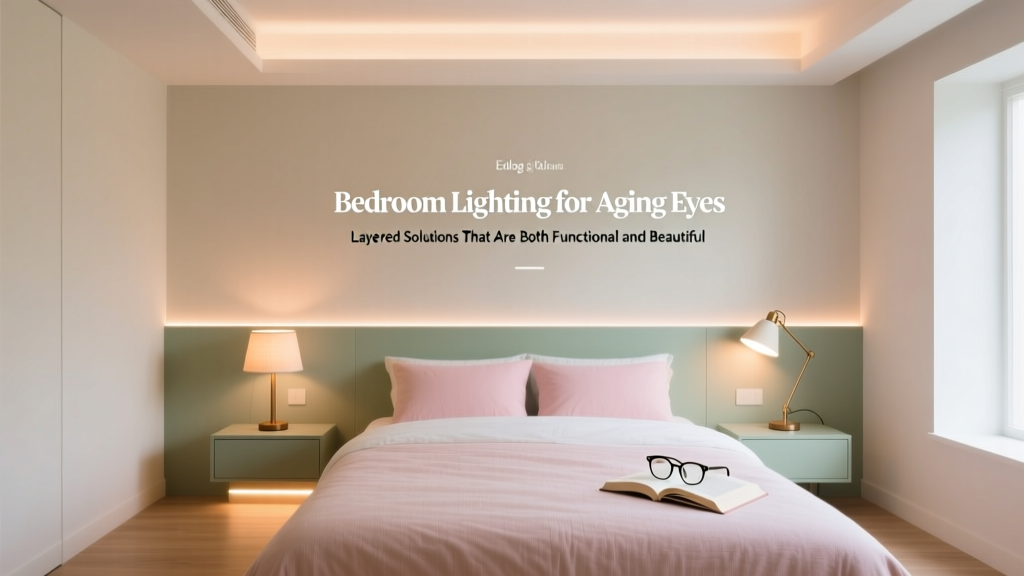 Bedroom Lighting for Aging Eyes: Layered Solutions That Are Both Functional and Beautiful
 Design for Choose: Empowering Personalized Bedroom Comfort Through Intentional, Modular, and Human-Centered Design
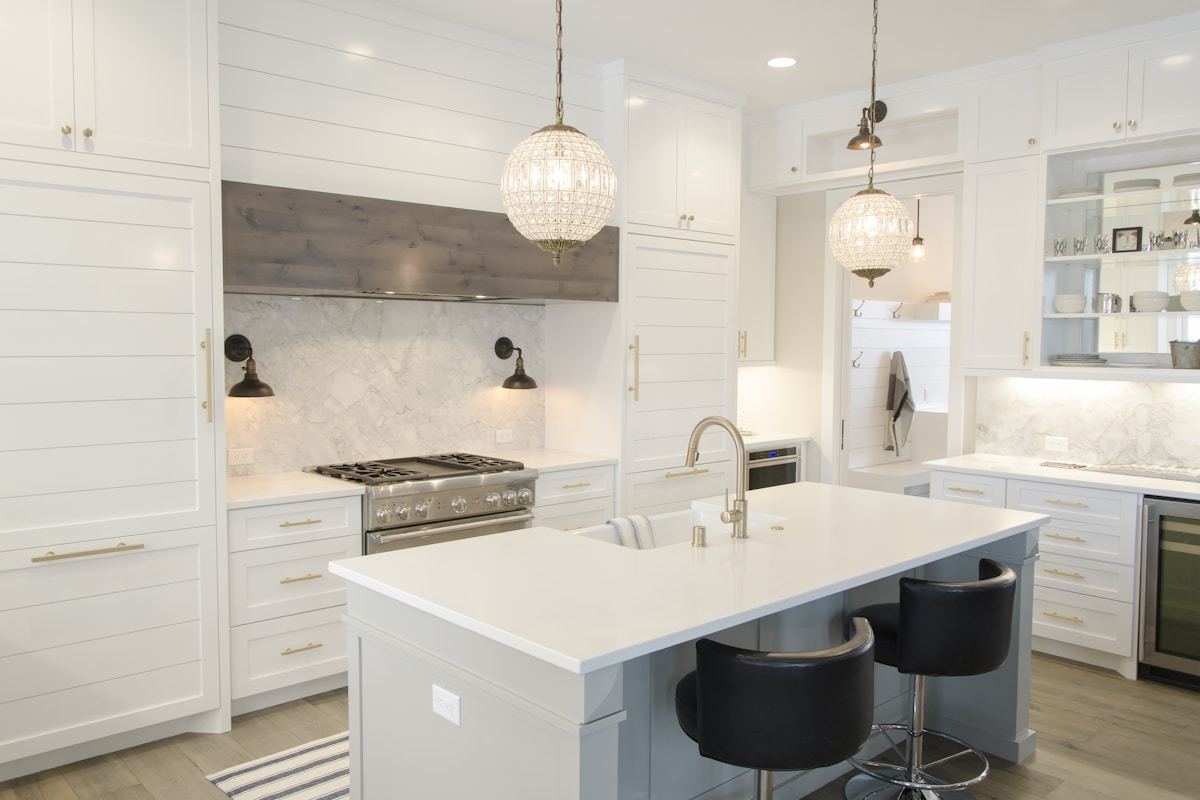 Bedroom Rug Placement: Size, Position, Purpose (2026)
 Bedroom Reading Nook: Cozy Escape Ideas (2026)
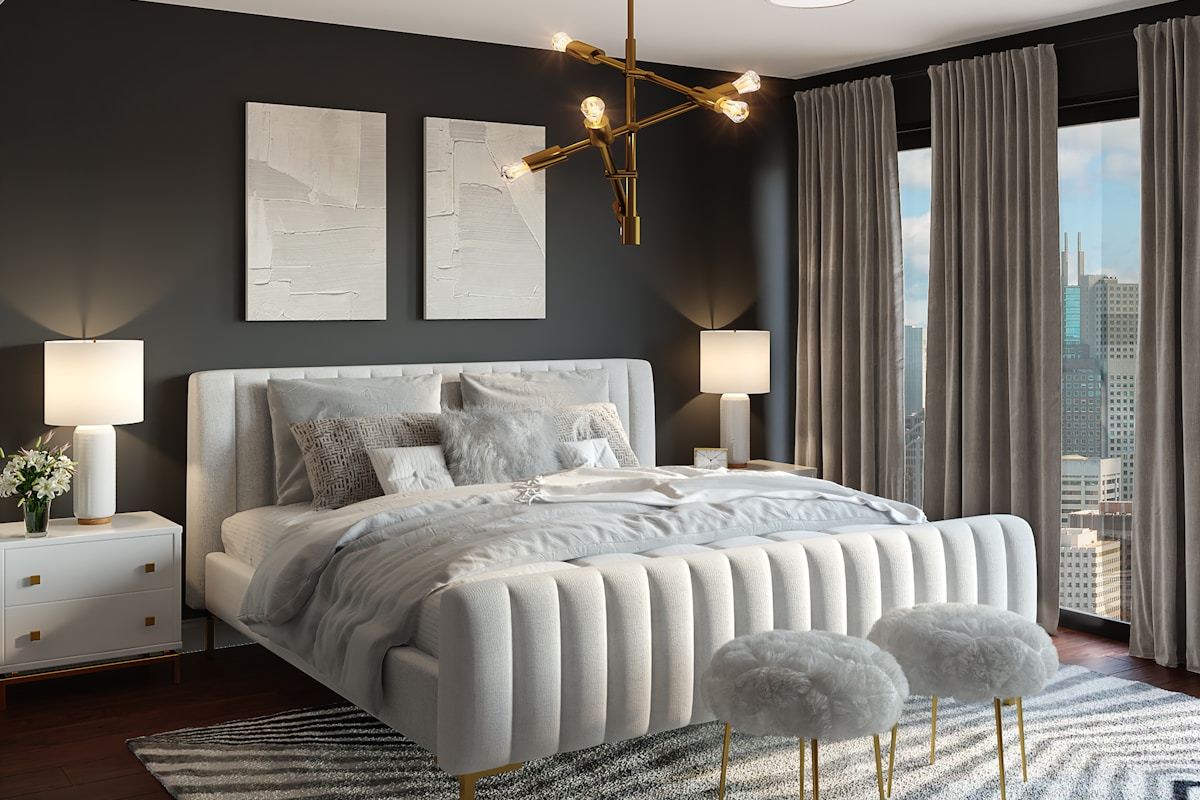 Bedroom Storage Solutions: Hide Clutter, Keep Style (2026)