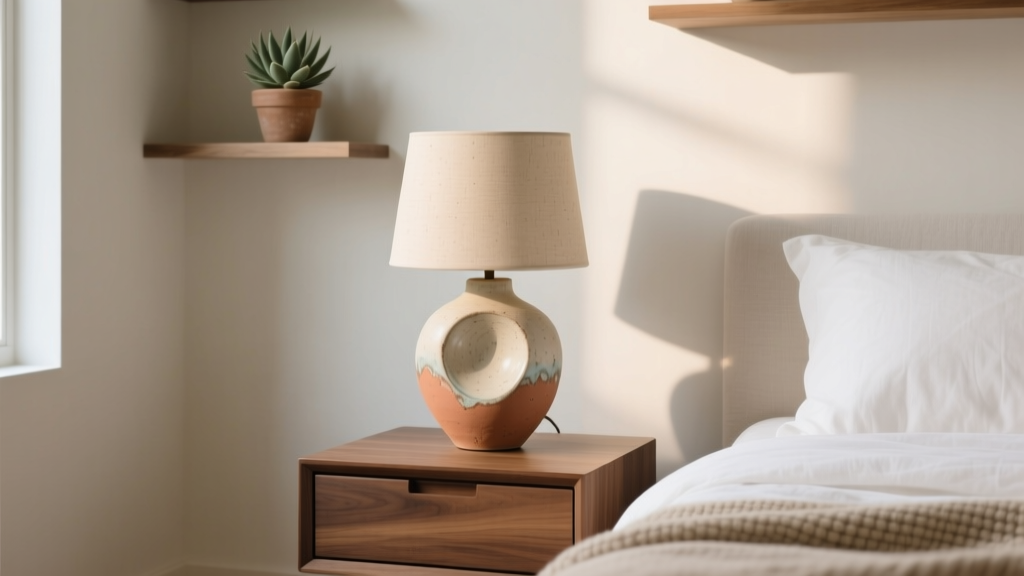
Bedroom Handmade Ceramic Nightstand Lamp - The Decor Mag
When a bedroom feels soothing, sleep often follows more easily. One of the most overlooked details is the light you live with in the hour before bed—the glow you read by, the brightness you wake up to, and the ambiance that quietly signals “wind down.” A handmade ceramic nightstand lamp can be a small change with outsized impact, shaping both the look of your bedroom decor and the quality of your sleep environment.
Unlike harsh overhead lighting, a bedside lamp creates a gentle pool of illumination that supports nighttime routines—journaling, skincare, reading, or simply relaxing. Handmade ceramic bases add warmth and texture, softening a room visually and emotionally. Because ceramic is substantial and stable, these lamps also tend to feel grounded on a nightstand, which subtly contributes to a calmer, more settled space.
This guide covers how to choose a handmade ceramic nightstand lamp that suits your bedroom design and supports rest: the right size, shade, bulb, placement, and color palette. You’ll also find budget ranges, sleep-friendly lighting tips, and common mistakes that can make a bedroom feel brighter, busier, and less restful than it needs to be.
Why a Handmade Ceramic Nightstand Lamp Works So Well in Bedrooms
Soft texture that complements restful bedroom decor
Ceramic has a tactile, artisanal quality that pairs beautifully with calming bedroom design styles—Japandi, coastal, modern farmhouse, minimal, and traditional. The base often features subtle curves, glaze variations, or matte finishes that read as “quiet luxury” without needing loud patterns or shiny surfaces.
Stability and durability for everyday use
A bedside lamp gets touched daily. Ceramic bases are typically heavier than metal or acrylic, which helps prevent tipping when you reach for the switch. They also handle temperature changes well and age gracefully—especially neutral glazes, speckled finishes, and earthy tones.
Better light control for a healthier sleep environment
The biggest sleep advantage of a bedside lamp is controllability. With the right bulb and shade, you can create a low, warm glow that supports melatonin-friendly routines. This matters because bright, cool light in the evening can make it harder for the brain to shift into sleep mode.
How to Choose the Right Ceramic Nightstand Lamp (Size, Shape, and Shade)
Start with proportions: lamp height and nightstand size
The most comfortable bedside lighting keeps the bulb out of your direct line of sight when you’re sitting up in bed. Use these practical guidelines:
- Ideal lamp height (base + shade): typically 24–30 inches for most beds and nightstands.
- Shade bottom height: aim for the bottom of the shade to sit around shoulder height when seated in bed.
- Nightstand width: choose a lamp whose base width is roughly one-third to one-half the nightstand width.
If your nightstand is narrow (common in rental bedrooms), choose a ceramic lamp with a slimmer base or a slightly taller profile to keep the surface usable for essentials.
Choose a base shape that supports a calm layout
Ceramic lamp bases come in silhouettes that influence the mood of the room:
- Rounded, gourd, or urn shapes: soften sharp bedroom lines and feel calming.
- Cylindrical or tapered shapes: read more modern and minimal, great for small spaces.
- Textured, ribbed, or hand-thrown forms: add quiet interest when the rest of the bedroom palette is simple.
Pick the right lampshade for sleep-friendly glow
The shade matters as much as the ceramic base. For a cozy, bedroom-appropriate glow:
- Linen or cotton shades: diffuse light softly and reduce glare.
- Opaque shades (not clear): prevent harsh hotspots and create a more relaxing bedroom ambiance.
- Warm-toned white shades: avoid bright optic-white shades that can feel clinical at night.
If you read in bed, consider a slightly wider shade to spread light across the page without needing a brighter bulb.
Lighting Recommendations That Support Rest and Relaxation
Bulb type and color temperature
Your bulb choice can make or break a sleep-friendly bedroom lighting plan. Aim for warm, dimmable light:
- Color temperature: 2200K–2700K (warm white). For the most relaxing evening mood, 2200K is especially gentle.
- Brightness (lumens): 400–800 lumens per bedside lamp is a practical range. If you read often, lean toward 600–800 lumens with a dimmer.
- Bulb style: LED for low heat and energy efficiency. Look for “warm glow” or “dim-to-warm” bulbs if you want candlelike light at low settings.
Dimmers, switches, and smart controls
Convenience reduces bedtime friction. The easier it is to lower lights, the more likely you’ll keep your bedroom environment calm.
- Inline dimmer: simple, affordable, and renter-friendly.
- 3-way bulb + 3-way socket: easy brightness options without extra hardware.
- Touch lamp feature: helpful if you don’t want to fumble for a switch (but choose a reliable brand to avoid accidental activation).
- Smart bulb: set a nightly schedule that gradually dims to support a consistent wind-down routine.
Two lamps vs. one: balance and better sleep cues
If you share a bed, matching (or intentionally coordinated) ceramic nightstand lamps can create symmetry and reduce visual noise. Symmetry often reads as “settled,” which helps a bedroom feel more serene.
- Best for couples: two lamps, each with its own switch or smart control.
- Best for solo sleepers in small rooms: one lamp plus a wall sconce or plug-in pendant on the other side to free nightstand space.
Styling a Handmade Ceramic Lamp with Bedroom Furniture and Bedding
Nightstand recommendations (and what to look for)
Your lamp is only as functional as the surface it sits on. For a calmer, clutter-free bedside setup:
- Nightstands with drawers: ideal for hiding chargers, hand cream, and sleep accessories.
- Wood or wood veneer: adds warmth and pairs naturally with ceramic.
- Rounded-edge nightstands: soften the bedside area and are friendlier in tight layouts.
- Wall-mounted nightstands (renter-friendly options exist): help small bedrooms feel more open.
Budget ranges:
- $80–$200: basic nightstands in veneer or metal frames with a laminate top.
- $200–$500: sturdier pieces with better drawer hardware and solid wood details.
- $500+: solid wood, high-quality joinery, designer silhouettes.
Bedding and textiles that pair beautifully with ceramic
Handmade ceramic brings an earthy, crafted feel. Complement it with breathable, touchable textiles that enhance sleep comfort:
- Sheets: cotton percale for crisp coolness; linen for airy texture; bamboo lyocell for silky softness (watch for heat retention depending on your climate).
- Duvet cover: matte cotton or linen to avoid light-reflecting sheen.
- Throw blanket: wool blend or cotton knit for a layered, cozy look without overheating.
Bedding budget ranges:
- $60–$150: starter sheet sets and duvet covers in cotton blends.
- $150–$300: quality cotton percale or linen blends.
- $300+: premium linen, long-staple cotton, and elevated finishing.
Color palettes that enhance a restful bedroom design
Ceramic lamps shine in calming bedroom color schemes. Consider these sleep-friendly pairings:
- Warm neutrals: cream, oatmeal, sand, camel—especially with matte white or speckled ceramic.
- Earth tones: terracotta, clay, olive, mushroom—ideal with hand-thrown or textured bases.
- Cool calming tones (kept soft): misty blue, sage, dusty lavender—best with warm bulbs to avoid a cold feel at night.
If your bedroom walls are bright white, a ceramic lamp with a warmer glaze (ivory, bone, beige) can soften the overall look and reduce stark contrast.
Placement and Layout Tips for a Better Sleep Environment
Where your lamp should sit on the nightstand
- Keep it near the back corner: this protects it from being bumped and leaves room for a book or water glass.
- Leave breathing room: aim for at least a few inches of space around the lamp base to avoid a crowded look.
- Mind the cord path: route cords behind the nightstand and use adhesive cord clips (great for renters).
Create a simple bedside “sleep station”
A calming bedroom setup supports consistency. Keep the nightstand surface minimal:
- Lamp
- Small tray for essentials (lip balm, ring dish, earplugs)
- Book or journal
- Water glass with coaster
Everything else (extra chargers, clutter, paperwork) can live in a drawer or a small bedside basket.
Wellness Tips: Using Light to Support Your Sleep Routine
- Dim lights 60–90 minutes before bed: use your ceramic nightstand lamp instead of overhead lighting to cue relaxation.
- Avoid late-night bright tasks: folding laundry under bright light or scrolling on a phone can keep your brain alert.
- Morning routine: when you wake, increase brightness gradually. If you use blackout curtains, switch on the lamp first, then open curtains to reduce sensory shock.
- Choose calming scent pairings carefully: if you use essential oils, keep them subtle and away from the lamp shade to avoid staining.
Material and Finish Guide: Finding the Right Handmade Ceramic Lamp
Handmade ceramic lamps vary widely in finish and craftsmanship. Here’s what tends to work best in bedrooms:
- Matte or satin glaze: reduces glare and feels calming.
- Speckled or natural clay: adds texture without busy patterns.
- Neutral glazes: easiest to style and less likely to feel trendy too quickly.
Budget ranges for handmade ceramic nightstand lamps:
- $60–$150: smaller ceramic lamps, often partially handmade or small-batch production; great for apartments and guest rooms.
- $150–$350: higher-quality glazes, better hardware, more substantial bases; a sweet spot for primary bedrooms.
- $350–$900+: artisan or studio pottery, unique forms, premium shades and components; ideal if you want a true statement piece that still feels serene.
Common Mistakes to Avoid
- Choosing a lamp that’s too small: it can look “lost” beside the bed and may not provide usable light.
- Using a cool-white bulb (3000K+): it can feel energizing at night and makes a bedroom look less cozy.
- Clear or shiny shades: these create glare and harsh shadows—especially disruptive if you wake at night.
- Cluttered nightstands: visual noise can make the room feel mentally busy, which works against relaxation.
- Ignoring cord management: tangled cords signal disorder and can become a tripping or snagging hazard.
- Mismatched brightness levels: one very bright lamp and one dim corner can throw off the balance of the room.
FAQ: Handmade Ceramic Nightstand Lamps and Sleep-Friendly Bedroom Lighting
What color temperature is best for a bedroom nightstand lamp?
For a sleep-friendly bedroom environment, choose a warm bulb in the 2200K–2700K range. If you want the coziest evening light, 2200K or a “dim-to-warm” LED is especially soothing.
How bright should my bedside lamp be for reading?
Many sleepers do well with 600–800 lumens per lamp for reading, ideally on a dimmer so you can lower it when it’s time to relax. A linen shade helps spread light evenly across the bed.
Are handmade ceramic lamps practical for small nightstands?
Yes—look for a slimmer base (around 4–6 inches wide) and a taller shape that doesn’t hog surface space. Pair it with a smaller tray and consider wall-mounted charging to keep the nightstand clear.
What lampshade material looks best with ceramic?
Linen and cotton are the easiest choices for a calm, layered bedroom look. They soften light, reduce glare, and complement the organic feel of ceramic bases.
Do I need matching lamps on both sides of the bed?
Matching lamps create symmetry that often feels more restful. If you prefer a collected look, keep cohesion by repeating one element—similar shade shape, similar height, or a shared color family—so the bedroom still feels balanced.
What’s the most renter-friendly way to improve bedside lighting?
Start with a plug-in ceramic nightstand lamp, an inline dimmer, warm LED bulbs, and adhesive cord clips. These upgrades dramatically improve bedroom ambiance without changing wiring or installing permanent fixtures.
Next Steps: Build a Calmer Bedroom, One Light at a Time
If you want a bedroom that supports deeper rest, begin with the light you use every evening. Choose a handmade ceramic nightstand lamp with a soft shade, a warm dimmable bulb, and proportions that suit your nightstand and bed height. Then simplify the bedside surface, manage cords, and let the lamp’s gentle glow become part of a consistent wind-down routine.
For more soothing bedroom design ideas, sleep-friendly lighting tips, and decor guides that make rest feel easier, explore the latest inspiration on thedecormag.com.
More Articles
 Best Bedroom Bedside Reading Stack - The Decor Mag
 Best Bedroom Sleep Mask and Pillow Spray - The Decor Mag
 Mid-Century Modern Bedroom Furniture Guide - The Decor Mag
 Bedroom Floating Nightstand Ideas - The Decor Mag
 Bedroom Curved Nightstand Design Trend - The Decor Mag
 Bedroom Reeded Wood Mirror Frame - The Decor Mag
 Bedroom Fluted Nightstand Design - The Decor Mag
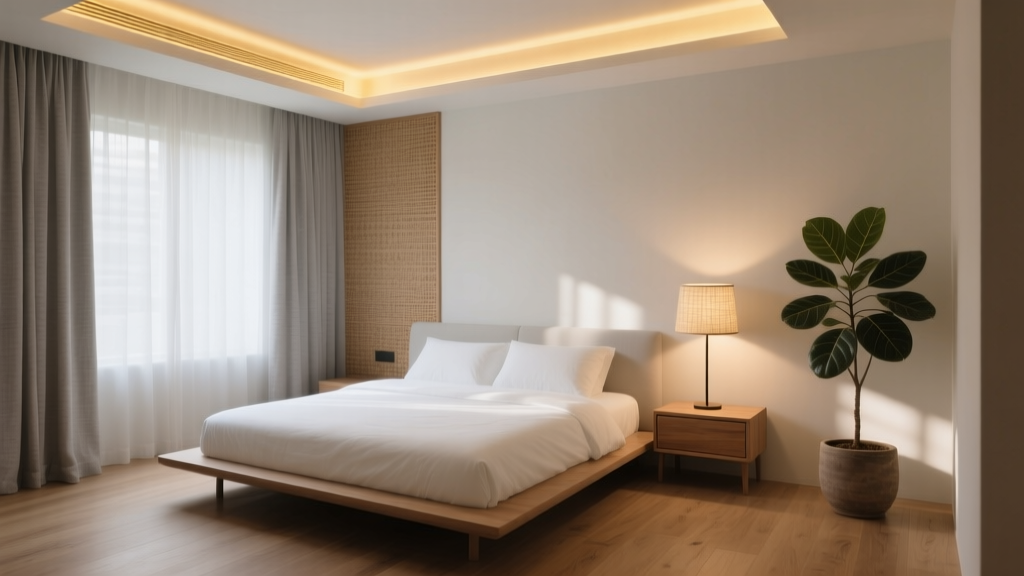 Bedroom Lighting Ideas for Soothing Ambiance (2026)
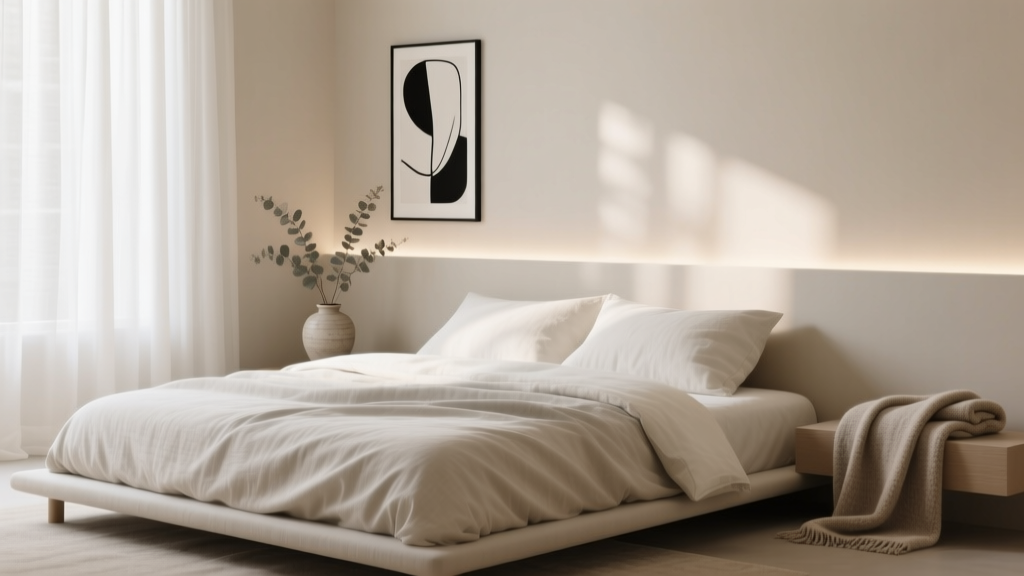 Bedroom Washed Linen Bedding Styling - The Decor Mag
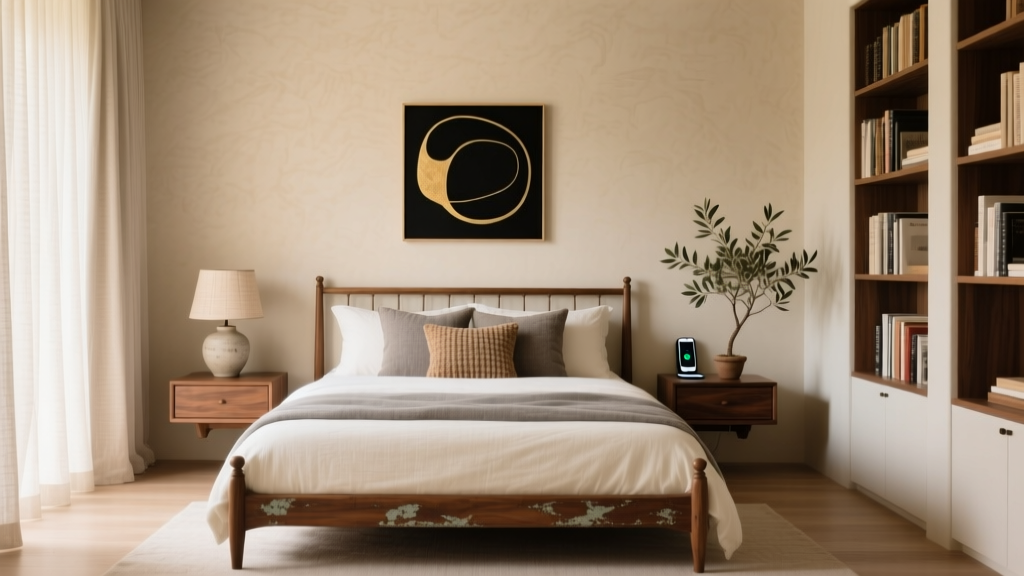 How to Create a Bedroom That Feels Timeless - The Decor Mag