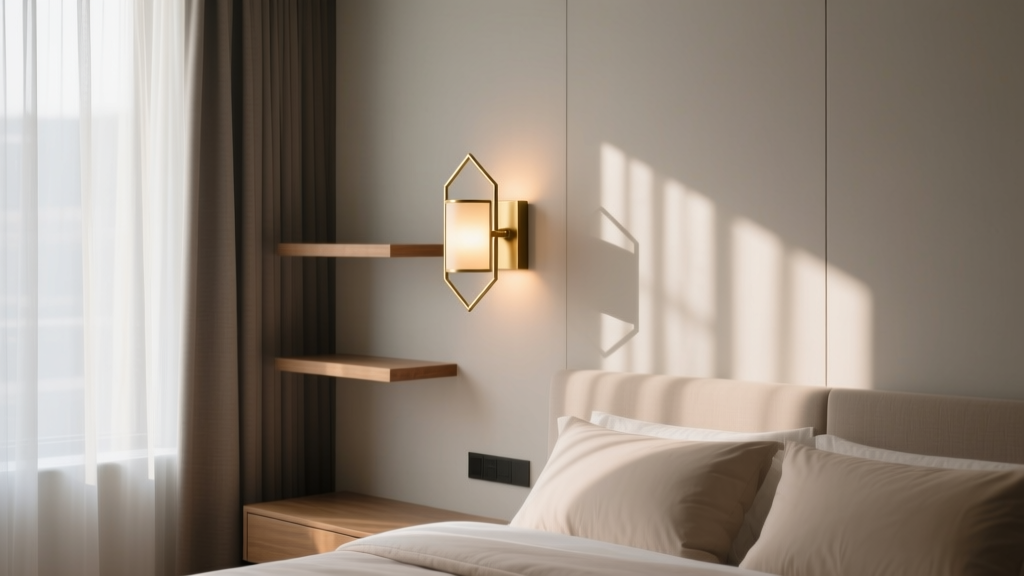
Best Bedroom Sconce Lighting Options - The Decor Mag
Bedroom lighting does more than help you find your slippers. It sets the emotional temperature of the room—softening the edges of a long day, easing the mind into a slower pace, and supporting the body’s natural sleep-wake rhythm. When light is too harsh, too bright, or poorly placed, it can quietly interfere with melatonin production and make it harder to unwind, even if your mattress and bedding are perfect.
Sconces are one of the most sleep-friendly lighting upgrades you can make because they lift light off the nightstand, reduce glare, and create an ambient wash that feels calm rather than activating. Whether you’re a renter seeking plug-in options or a homeowner planning a full bedroom design refresh, the right wall sconce can improve both your bedroom decor and your sleep environment—without needing a complete remodel.
Below are the best bedroom sconce lighting options, how to choose them, and how to place them for a restful, practical, and beautiful space.
Why Bedroom Sconce Lighting Supports Better Sleep
Your brain reads light as a cue for alertness or rest. Bright, cool-toned overhead lighting (especially in the evening) can signal “daytime,” while warm, dim, indirect light supports a relaxed transition toward sleep. Sconces help because they:
- Reduce overhead glare: Indirect, wall-based light can feel gentler and less stimulating.
- Create layered lighting: Layered light (ambient + task + accent) makes a bedroom more comfortable than a single ceiling fixture.
- Free up nightstand space: A cleaner surface reduces visual clutter—often overlooked, but helpful for a calmer bedtime routine.
- Improve reading comfort: Focused light where you need it prevents you from blasting the whole room with bright light.
From a sleep wellness perspective, aim for lighting that is warm, dimmable, and controllable from bed. These features support consistent wind-down habits, which are strongly linked to improved sleep quality.
Choosing the Right Bedroom Sconce: A Quick Checklist
Before picking a style, narrow down your needs. A sconce that looks great but feels too bright or awkwardly placed won’t support your sleep routine.
1) Light color temperature (Kelvin)
- Best for evenings: 2200K–2700K (warm, candle-like to soft warm white)
- Still acceptable: 3000K (warm white, slightly crisper)
- Avoid near bedtime: 3500K–5000K (cool/blue-leaning light that can feel energizing)
2) Dimming and controls
- Ideal: Built-in dimmer on the sconce or a wall dimmer
- Very practical: Smart bulbs (dimming + scheduling) in a standard socket
- From bed convenience: Pull-chain, rocker switch, or cord switch within reach
3) Direction and shade design
- For reading: Adjustable arm or swivel head
- For ambiance: Uplight, downlight with diffuser, or fabric shade
- For minimal glare: Opal glass, frosted glass, linen shades, or shaded sconces that hide the bulb
4) Hardwired vs. plug-in
- Hardwired: Cleanest look; best for homeowners or full-room updates
- Plug-in: Renter-friendly; great for quick upgrades; look for cord covers to keep it tidy
5) Budget ranges
- Budget: $30–$90 (simple plug-in sconces, basic finishes)
- Mid-range: $100–$250 (better materials, dimming options, stronger finishes)
- Investment: $300–$800+ (designer fixtures, premium metals, artisan glass)
Best Bedroom Sconce Lighting Options (By Function)
1) Swing-Arm Sconces for Bedtime Reading
Swing-arm sconces are one of the most practical bedroom lighting solutions: you can pull the light closer to your book, then push it away when you’re ready to sleep. They’re ideal for couples with different sleep schedules because one side can be used without lighting the whole room.
Look for:
- Adjustable arm length (8–15 inches is common)
- Shade that directs light downward to reduce glare
- Warm LED bulb (2200K–2700K) with high CRI (90+ makes colors feel natural)
Best finishes for calming bedroom decor: Brushed brass, aged bronze, matte black, or soft white.
2) Adjustable Spotlight/Reading Sconces (Hotel-Style)
If you love a clean, modern look, compact reading sconces with a directional head work beautifully. They’re common in boutique hotels for a reason: they put light exactly where you need it, with minimal visual clutter.
Sleep-friendly tip: Choose models with a narrow beam and a warm LED. Avoid overly bright integrated LEDs unless they’re dimmable.
Best for:
- Small bedrooms
- Minimalist design styles
- Anyone who reads in bed and wants precise task lighting
3) Uplight/Downlight Sconces for Soft Ambient Glow
For a bedroom that feels serene the moment you enter, consider sconces that wash the wall with light. Uplight/downlight designs create a gentle gradient that reduces harsh shadows and makes the room feel intentionally styled.
Material recommendations:
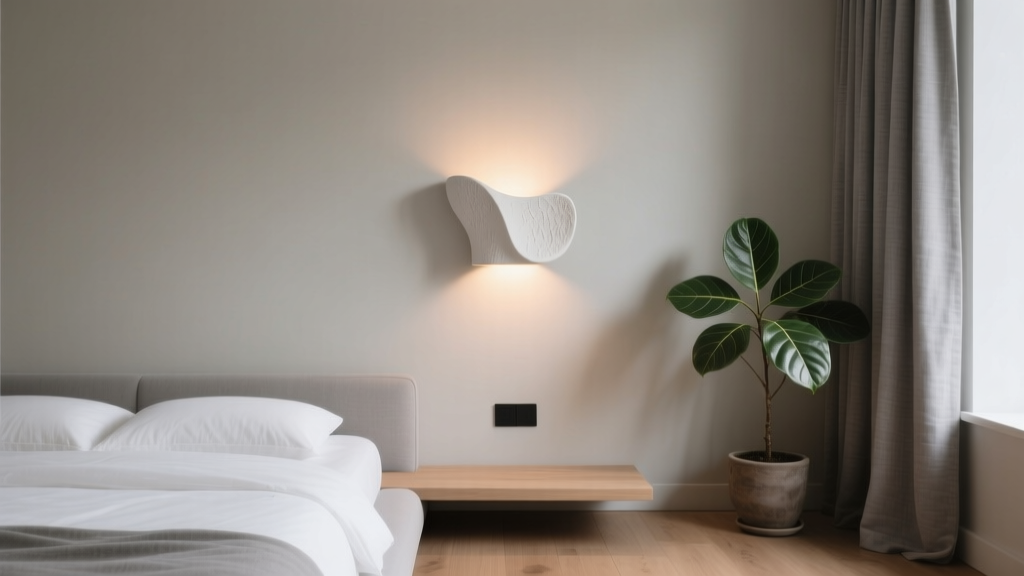
- Plaster or ceramic: Soft, matte, and calming—great for earthy, natural bedroom design.
- Opal glass: Diffuses light beautifully and feels timeless.
- Metal with diffuser: Sleek, but ensure the bulb isn’t exposed.
Budget note: Quality plaster sconces often start around $80–$200 and can go higher for artisan or hand-finished options.
4) Fabric-Shade Wall Sconces for a Cozy, Traditional Feel
Fabric shades (linen, cotton, or silk blends) naturally soften light and reduce glare—excellent for sleep-friendly lighting. These look especially good in classic, transitional, cottage, or “cozy modern” bedrooms.
Choose:
- Linen shades in warm white, oatmeal, taupe, or soft gray
- Warm bulbs (2200K–2700K) to enhance the cozy effect
- Shades that hide the bulb from view when lying down
Styling tip: Pair fabric-shade sconces with textured bedding—like a linen duvet cover, a cotton matelassé quilt, or a waffle weave blanket—for a layered, restful look.
5) Plug-In Wall Sconces for Renters and No-Renovation Bedrooms
Plug-in sconces have come a long way. Many look nearly identical to hardwired fixtures, and they’re a top choice for renters building a better sleep environment without electrical work.
Look for renter-friendly features:
- Cord cover kits (paintable) to create a clean, built-in look
- On-cord dimmer or on/off switch within arm’s reach
- Lightweight fixture weight for easier mounting
Budget range: $40–$180 per sconce, depending on size and materials.
6) Integrated LED Sconces (Sleek, Low-Profile, Modern)
Integrated LED sconces can be ultra-slim and visually quiet—great for modern bedroom decor or narrow wall space. The key is choosing the right color temperature and ensuring dimming compatibility.
Buy wisely:
- Select warm LED options (ideally 2700K or lower)
- Confirm “dimmable” and verify dimmer compatibility (many require LED-rated dimmers)
- Consider longevity: when the LED fails, the whole fixture may need replacing
Placement, Height, and Layout Tips (So It Feels Good From Bed)
Ideal height next to the bed
Most bedside sconces look and function best when mounted so the light source sits slightly above shoulder level when you’re seated in bed.
- General rule: Mount the sconce 50–60 inches from the floor (adjust based on ceiling height and headboard size).
- Reading sconces: Often best when the center of light is 8–12 inches above the top of the mattress.
- Avoid glare: If you can see the bare bulb while lying down, the sconce is too low, too open, or too bright.
Spacing from the bed and nightstand
- Center the sconce roughly 6–10 inches outside the edge of the mattress or aligned with the nightstand width.
- If you use an adjustable arm, ensure it can reach your reading position without shining into your eyes.
Balanced bedside lighting
For most bedrooms, symmetrical sconces on both sides of the bed create visual calm and a more harmonious sleep space. If your room layout only allows one sconce, balance it with:
- A soft table lamp on the other side
- A floor lamp with a warm bulb in a far corner
- Gentle accent lighting (like a dimmable salt lamp-style glow or a low-lumen LED candle)
Sleep-Friendly Bulbs and Light Levels
The fixture is only half the story. The bulb determines the color, brightness, and comfort of your bedroom lighting.
Bulb types to consider
- Warm LED bulbs (recommended): Energy efficient, cool to the touch, widely available in 2200K–2700K
- “Warm dim” LEDs: Dim down to a more amber tone (excellent for bedtime)
- Smart bulbs: Allow schedules and nighttime scenes; choose warm-capable models and set them to reduce blue light after sunset
Brightness guidelines (lumens)
- Ambient bedside glow: 200–400 lumens per side (especially with shades/diffusers)
- Reading-focused light: 400–800 lumens (dimmable is ideal)
Wellness tip: Set a “wind-down” lighting routine: 60–90 minutes before bed, dim lights to a warm, low level. Pair that with a consistent bedtime, and your bedroom design starts actively supporting sleep quality.
Style and Material Pairings for a Calming Bedroom
Sconces should match your practical needs and your bedroom’s mood. A calm room tends to feel cohesive, soft-edged, and visually uncluttered.
Recommended color palettes for restful bedroom decor
- Warm neutrals: cream, sand, oatmeal, taupe
- Soft greens: sage, olive-gray (pairs beautifully with brass or black sconces)
- Muted blues: dusty blue, blue-gray (works well with polished nickel or bronze)
- Earthy tones: clay, terracotta accents (great with plaster or linen shades)
Best sconce finishes for common bedroom styles
- Modern: matte black, brushed nickel, slim integrated LED
- Warm modern / organic modern: aged brass, linen shades, plaster
- Traditional: bronze finishes, fabric shades, gentle curves
- Coastal / airy: white finishes, natural textures, opal glass
Specific furniture and bedding recommendations that pair well with sconces
- Nightstands: 18–28 inches wide; choose closed storage if clutter keeps your mind “on” at night
- Headboards: Upholstered or wood headboards help visually anchor sconces; avoid overly reflective surfaces near lights
- Bedding: Linen duvet covers for breathability, cotton percale for a crisp cool feel, cotton sateen for softness; layer with a lightweight throw to signal “rest”
- Rugs: A soft rug underfoot reduces sensory “shock” during nighttime wake-ups and makes the room feel more grounded
Wellness-Focused Lighting Tips for a Better Sleep Environment
- Create two lighting scenes: “Evening” (warm + dim) and “Morning” (brighter + more neutral). If you use smart bulbs, schedule these automatically.
- Keep light low at night: If you get up often, consider a very low-lumen night light (amber) near the floor to avoid turning on bright sconces.
- Reduce reflective glare: Mirrors or glossy frames near the bed can bounce light into your eyes. Shift artwork slightly or choose matte frames.
- Support circadian rhythm: Get bright daylight exposure in the morning (open curtains, step outside). It makes warm, dim evening light more effective.
Common Bedroom Sconce Lighting Mistakes to Avoid
- Mounting sconces too low: Exposed bulbs in your line of sight create discomfort and can feel overstimulating at bedtime.
- Choosing cool-white LEDs: 4000K+ lighting may look “clean,” but it’s rarely relaxing in a sleep space.
- Skipping dimming: A sconce that’s only on/off often ends up too bright at night and unused.
- Over-lighting the bedside: Extremely bright bulbs can make the bedroom feel like a workspace. Use targeted task light plus soft ambient layers.
- Forgetting switch access: If you can’t reach the switch from bed, you’ll rely on overhead lighting—less ideal for sleep.
- Ignoring scale: Tiny sconces on a large wall look underpowered; oversized fixtures can feel visually heavy. Match sconce size to headboard width and ceiling height.
FAQ: Bedroom Sconce Lighting
Are bedroom sconces better than bedside table lamps?
They can be, especially for small bedrooms. Sconces free up nightstand space, reduce clutter, and can create a softer, more layered glow. Many people use both—sconces for reading and a small lamp or accent light for ambiance.
What is the best color temperature for bedroom sconces?
For a sleep-friendly bedroom environment, aim for 2200K–2700K. If you like a slightly brighter look while still feeling warm, 3000K can work, especially if it’s dimmable.
How high should I mount sconces next to a bed?
A common range is 50–60 inches from the floor, but it depends on your bed height and headboard. The goal is comfortable light for reading without seeing a bare bulb when lying down.
Can renters install sconces without hardwiring?
Yes. Look for plug-in wall sconces and use a paintable cord cover for a cleaner look. Choose models with an on-cord switch or dimmer you can reach from bed.
Do I need dimmers for bedside sconces?
Dimmers are one of the most impactful upgrades for sleep quality. They let you keep light low in the evening and reduce the temptation to use bright overhead lighting. If you can’t install a wall dimmer, consider a sconce with a built-in dimmer or a smart bulb.
What bulb brightness is best for reading in bed?
Many people like 400–800 lumens for reading, ideally with a warm color temperature and a shade or directional head to reduce glare. A dimmable bulb gives you flexibility for different activities.
Next Steps: Create a Calmer, Better-Lit Bedroom
Start by deciding what you want your bedside lighting to do: help you read comfortably, set a calming mood, or simplify your nighttime routine. Then choose a warm, dimmable sconce style that fits your layout—plug-in for easy upgrades or hardwired for a built-in finish.
- Pick your function: reading (adjustable) vs. ambiance (diffused uplight/downlight).
- Choose warm bulbs: 2200K–2700K, ideally high CRI and dimmable.
- Plan placement: mount at a comfortable height, avoid exposed glare from bed.
- Layer the room: pair sconces with soft bedding textures, calming wall colors, and reduced clutter for a true sleep-friendly bedroom.
For more soothing bedroom design ideas, lighting guides, and sleep wellness-inspired decor tips, explore the latest at thedecormag.com.
More Articles
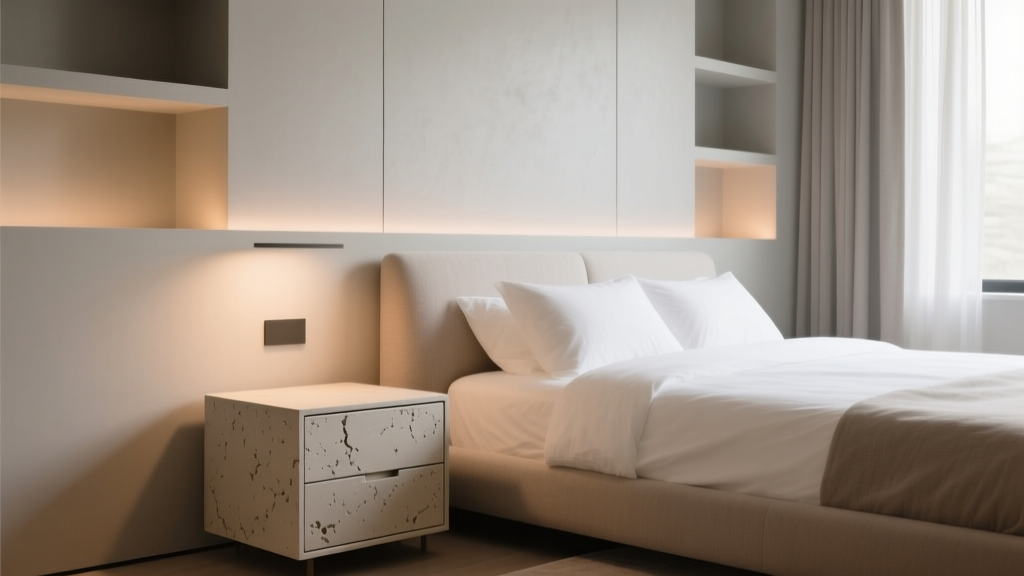 Bedroom Warm Plaster Nightstand Finish - The Decor Mag
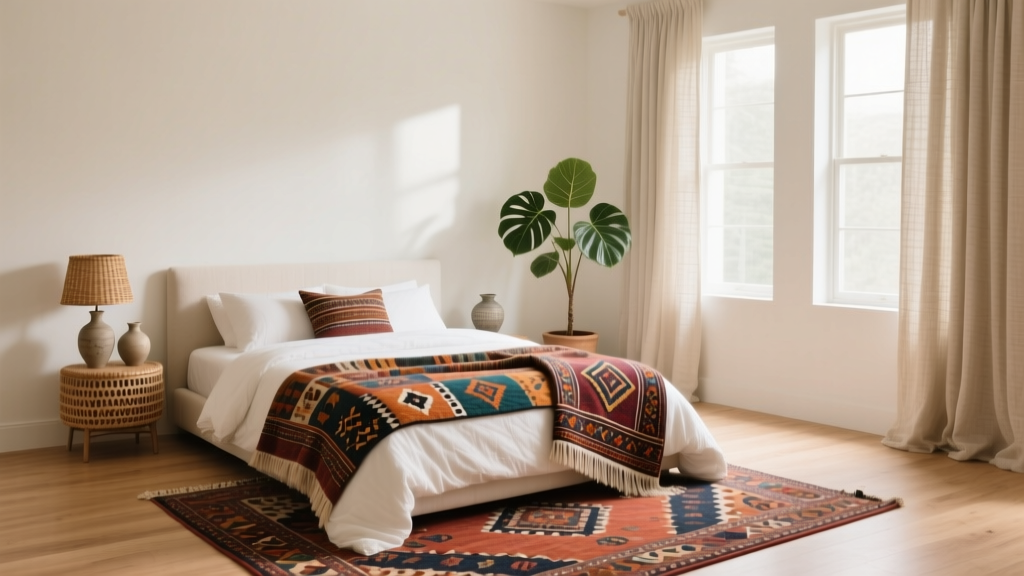 Global Textiles in Bedrooms: Styling Ideas (2026)
 Bedroom Paint for Sleep Quality | The Decor Mag
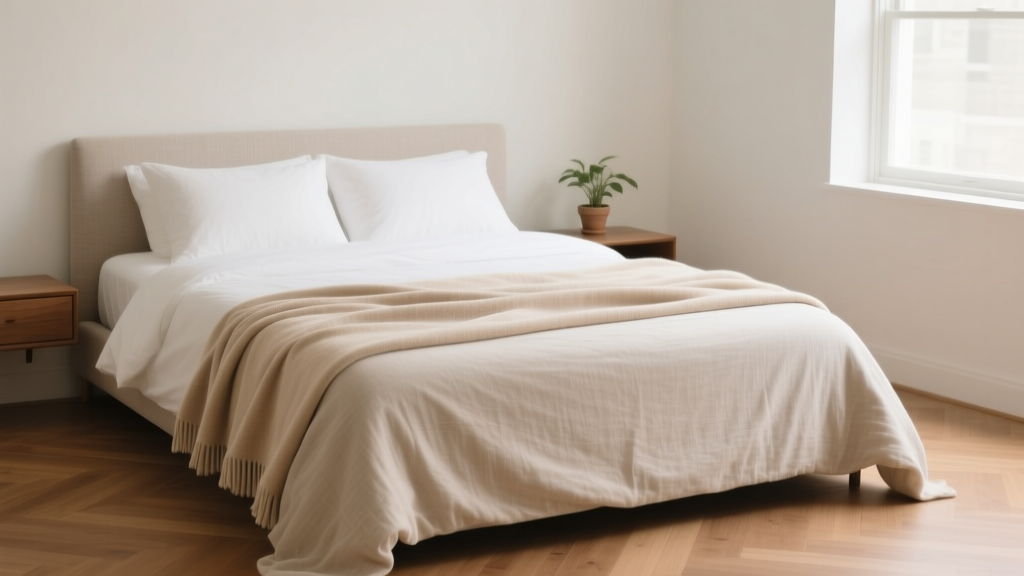 How to Choose Bedroom Throw Size for Bed - The Decor Mag
 Bedroom Organic Shaped Mirror Above Dresser - The Decor Mag
 Best Bedroom Perfume Collection Display - The Decor Mag
 Bedroom Organic Linen Curtain Draping - The Decor Mag
 Best Bedroom Storage Solutions Under Bed - The Decor Mag
 Bedroom Plaster Sconce Wall Application - The Decor Mag
 How to Choose Bedroom Duvet Cover Style - The Decor Mag